Glucosamine and Chondroitin for Osteoarthritis
Evidence-based guide to understanding glucosamine and chondroitin supplements for osteoarthritis management and joint health.
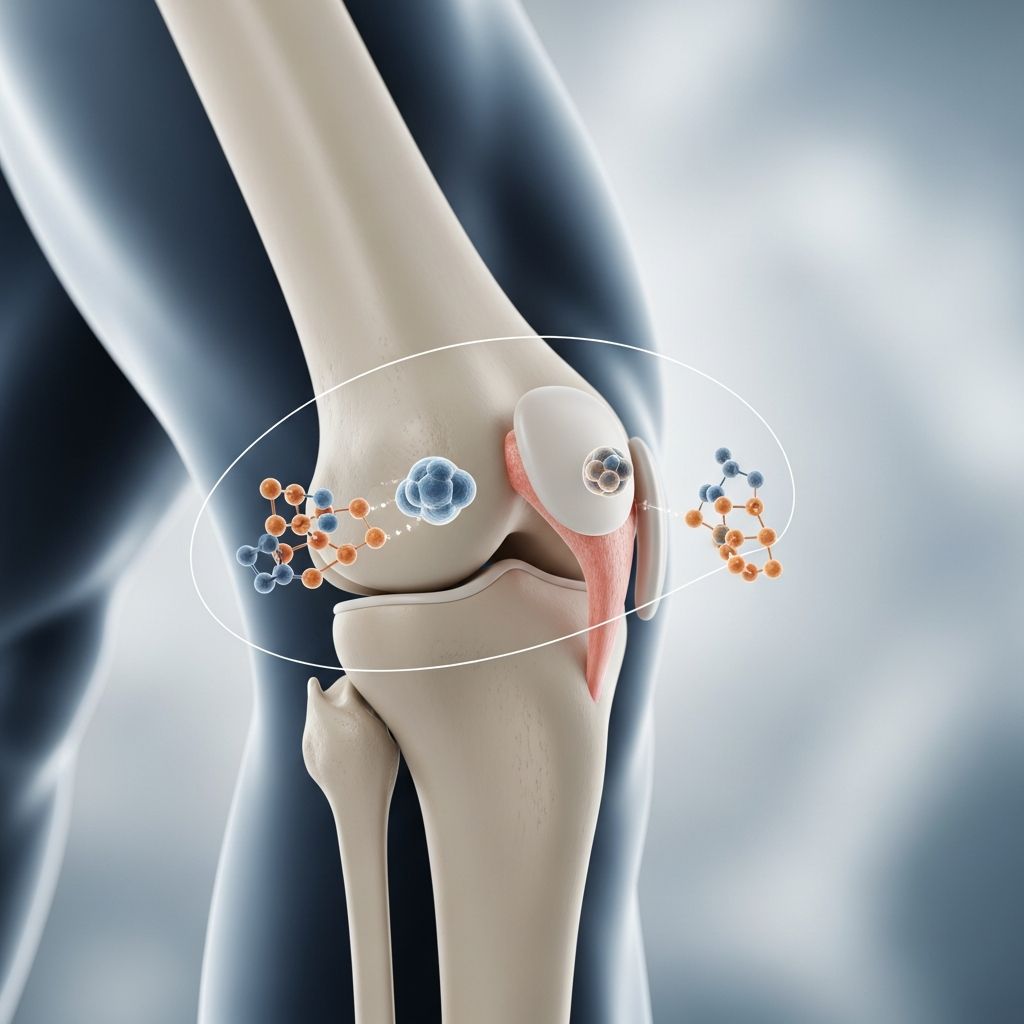
Osteoarthritis affects millions of people worldwide, causing joint pain, stiffness, and reduced mobility. Many individuals turn to dietary supplements like glucosamine and chondroitin hoping to find relief from their symptoms and slow the progression of the disease. These supplements are among the most commonly used complementary approaches for managing osteoarthritis. Understanding what these substances are, how they work, and what the scientific evidence shows can help you make informed decisions about your health care.
What Are Glucosamine and Chondroitin?
Glucosamine and chondroitin are naturally occurring compounds found in the human body that play important roles in maintaining cartilage structure and function.
Glucosamine
Glucosamine is an amino sugar that the body produces naturally. It is believed to participate as a substrate in synthesizing glycosaminoglycans (GAGs), proteoglycans, and hyaluronate in joint cartilage. These are essential components that make up the extracellular matrix of cartilage, providing it with structure and resilience. Glucosamine also acts on chondrocytes—the cells that produce and maintain cartilage—by stimulating proteoglycan synthesis and inhibiting metalloproteinase synthesis, enzymes that break down cartilage. Commercially available glucosamine supplements are typically derived from shellfish shells or produced through bacterial fermentation.
Chondroitin
Chondroitin is a glycosaminoglycan (GAG) found naturally in several types of tissue, including hyaline cartilage, which lines the joints. Recent studies have concluded that chondroitin stimulates the synthesis of cartilage and acts to inhibit inflammatory mediators such as IL-1 and metalloproteinases that contribute to cartilage breakdown. Chondroitin supplements are typically derived from animal cartilage, particularly from bovine or shark sources. By understanding these compounds’ roles, it becomes clearer why researchers have investigated them as potential treatments for osteoarthritis.
How Do These Supplements Work?
The proposed mechanisms of action for glucosamine and chondroitin involve multiple pathways that could theoretically protect and support joint health.
Cartilage Protection and Synthesis
Both glucosamine and chondroitin are theorized to provide building blocks for cartilage repair and regeneration. When cartilage is damaged or worn down in osteoarthritis, supplementing with these compounds might supply the raw materials needed for cartilage cells to synthesize new cartilage matrix components. This theory suggests that by maintaining or rebuilding cartilage, these supplements could slow or potentially reverse the progression of joint damage.
Anti-Inflammatory Effects
Recent research suggests that glucosamine and chondroitin may have anti-inflammatory properties. Research conducted using mouse epidermal cell lines demonstrated that chondroitin sulfate inhibits NF-κB activity by preventing degradation of the NF-κB inhibitory subunit, IκB. Glucosamine has been shown to similarly inhibit NF-κB activity in a dose-dependent manner. In vitro and animal studies suggest that glucosamine and chondroitin administration is associated with decreased levels of various inflammatory biomarkers associated with the NF-κB pathway, including IL-1β, IL-6, PGE₂, and TNF-α. These findings are supported by a large observational study conducted within the National Health And Nutrition Examination Survey (NHANES), which found that persons reporting regular current chondroitin use had 22% lower levels of circulating serum C-reactive protein (CRP) than non-users, and current glucosamine users had 17% lower CRP than non-users.
What Does the Research Show About Effectiveness?
The scientific evidence regarding glucosamine and chondroitin for osteoarthritis is mixed and continues to be an area of active research. Different studies have reached varying conclusions, and several factors influence these outcomes.
Studies on Pain Relief
Although studies on glucosamine and chondroitin have been mixed, some evidence suggests they may help relieve osteoarthritis joint pain and stiffness. However, results vary considerably depending on the study design and population examined. A large clinical trial that evaluated 1,583 patients across 13 research centers in the United States found that glucosamine and chondroitin separately or in combination did not differ significantly from placebo or celecoxib with regard to overall pain control after 24 weeks of follow-up, as measured by a 20% decrease on the Western Ontario and McMaster Universities Osteoarthritis Index (WOMAC).
Related Stories



Studies on Structural Changes
Some research has examined whether these supplements slow the progression of joint damage. It was concluded that glucosamine sulfate and chondroitin sulfate delayed the progression of gonarthrosis through lower loss of joint space after three years of use. In meta-analyses, glucosamine sulfate was found to be effective with regard to joint space measurements, while chondroitin sulfate was not shown to be effective in delaying radiological evolution. However, other evidence indicates that chondroitin is better than placebo for alleviating symptoms, but that it is not effective for diminishing the progression of joint narrowing.
Quality and Limitations of Research
It is important to note that many studies on this subject have presented conflicts of interest, and positive effects have been greater in studies funded by the pharmaceutical industry. McAlindon and colleagues evaluated 15 randomized controlled trials (RCTs) that analyzed the benefit of using glucosamine and chondroitin for treating knee and hip osteoarthritis and concluded that glucosamine and chondroitin produced at least moderate effects, but that the quality of the published papers was insufficient and the quantification of the effects presented was generally exaggerated. Despite extensive research, it remains uncertain whether glucosamine and chondroitin have a meaningful impact on symptoms or joint structure in osteoarthritis.
Evidence for Different Types of Osteoarthritis
Research on glucosamine and chondroitin has focused primarily on knee osteoarthritis, but studies have examined other joints as well.
Knee Osteoarthritis
Studies of glucosamine and chondroitin for knee osteoarthritis have had conflicting results. Some studies showed improvements in pain and function, while others found no significant benefit compared to placebo. The inconsistency in results makes it difficult to draw definitive conclusions about their effectiveness for knee pain.
Other Joints
There isn’t enough evidence to show whether glucosamine or chondroitin lessens pain from osteoarthritis in other joints. However, a few studies have looked at other locations. For example, one study with 162 participants evaluated chondroitin for hand osteoarthritis and found that over 6 months, hand pain decreased. More research is needed to understand how effective these supplements are for osteoarthritis affecting joints other than the knee.
Potential Additional Benefits
Beyond their use for osteoarthritis, some research suggests glucosamine and chondroitin may have other health benefits, though evidence in these areas is still emerging.
Colorectal Cancer Risk
Interestingly, a prospective cohort study found associations between glucosamine and chondroitin use and reduced colorectal cancer risk. Persons reporting use of glucosamine and chondroitin on 4 or more days per week for 3 or more years had a non-statistically significant 45% lower colorectal cancer (CRC) risk than non-users. High use of glucosamine with or without chondroitin over a 10-year period was associated with a 29% lower risk of CRC compared to persons reporting no use. The combination of glucosamine and chondroitin showed the strongest association, with those using it for 4 or more days per week for 3 or more years having 45% lower risk of CRC compared to non-users. While these findings are promising, they are observational rather than conclusive, and more research is needed to understand these potential associations.
Typical Dosage and Formulations
When considering glucosamine and chondroitin supplements, understanding standard dosages and available formulations is important.
Common Doses
In clinical studies, typical dosages have included glucosamine sulfate at 1,500 mg per day and chondroitin sulfate at doses ranging from 800 to 1,200 mg per day. Duration of treatment in studies has generally ranged from several weeks to three years. Many commercial supplements combine these ingredients and may include additional compounds such as methylsulfonylmethane (MSM), boswellia serrata extract, or white willow bark extract.
Product Variability
It is important to note that glucosamine supplements come in different forms, primarily glucosamine sulfate and glucosamine hydrochloride. The form used can influence effectiveness, as some studies have found glucosamine sulfate to be more effective than glucosamine hydrochloride in certain analyses. Additionally, the quality and purity of supplements can vary significantly between manufacturers, and not all products contain the amount of active ingredient stated on the label.
Safety and Side Effects
Glucosamine and chondroitin are generally considered safe for most people when used appropriately.
Common Side Effects
Side effects are typically mild and may include gastrointestinal symptoms such as nausea, heartburn, or diarrhea. Some individuals may experience headaches or skin reactions. These side effects are generally not serious and often diminish with continued use or when the supplement is taken with food.
Precautions and Interactions
Individuals with shellfish allergies should exercise caution with glucosamine supplements derived from shellfish. Those taking blood-thinning medications should consult with their healthcare provider before using these supplements, as chondroitin may have mild anticoagulant properties. Pregnant or breastfeeding women should consult a healthcare provider before use. Additionally, because quality and ingredient accuracy can vary among supplements, it is advisable to choose products from reputable manufacturers and discuss supplementation with a healthcare provider, particularly if you are taking other medications or have underlying health conditions.
Cost Considerations
Glucosamine and chondroitin supplements are widely available without a prescription and are generally affordable compared to some prescription medications. However, because regular use over extended periods is often recommended, costs can accumulate. Insurance coverage varies—some health plans may partially cover these supplements if recommended by a physician, while others do not. When considering whether to use these supplements, it is worth factoring in both the direct cost of the supplements and the time commitment involved in taking them regularly.
Frequently Asked Questions
Q: How long does it take to see results from glucosamine and chondroitin?
A: It typically takes several weeks to several months of consistent use before experiencing any potential benefits. Some studies have examined effects over 3 months to 3 years. Individual responses vary, and some people may not experience noticeable improvements.
Q: Can glucosamine and chondroitin repair damaged cartilage?
A: While these supplements are theorized to support cartilage health and may slow progression of joint damage in some cases, current evidence does not conclusively demonstrate that they can repair significantly damaged cartilage.
Q: Are glucosamine and chondroitin effective for all types of osteoarthritis?
A: Most research has focused on knee osteoarthritis. There is limited evidence for effectiveness in other joints, and studies have shown mixed results even for knee osteoarthritis.
Q: Should I take glucosamine and chondroitin together or separately?
A: Some research suggests the combination may be more effective than either supplement alone, though evidence is mixed. The combination has shown stronger associations with reduced colorectal cancer risk in observational studies compared to either supplement used individually.
Q: Are there any serious side effects or interactions I should be aware of?
A: Serious side effects are rare. However, those with shellfish allergies, those taking blood thinners, and pregnant or breastfeeding women should consult a healthcare provider before use.
What You Should Know
In summary, glucosamine and chondroitin are natural compounds that have been extensively studied for their potential role in managing osteoarthritis. While some research suggests modest benefits for pain relief and potentially slowing joint damage progression, the overall scientific evidence remains mixed and inconclusive. Despite extensive research, it is still uncertain whether glucosamine and chondroitin have a meaningful impact on symptoms or joint structure in osteoarthritis. Before starting these supplements, it is advisable to discuss their use with your healthcare provider, particularly if you are taking other medications or have underlying health conditions. Your healthcare provider can help you determine whether these supplements are appropriate for your specific situation and can monitor your progress. Additionally, these supplements should be considered as part of a comprehensive osteoarthritis management plan that may include exercise, weight management, physical therapy, and other treatments as recommended by your healthcare team.
References
- Use of glucosamine and chondroitin supplements and risk of colorectal cancer — National Institutes of Health, National Center for Complementary and Integrative Health. 2013-07-15. https://pmc.ncbi.nlm.nih.gov/articles/PMC3671752/
- Use of glucosamine and chondroitin to treat osteoarthritis — National Institutes of Health, National Center for Complementary and Integrative Health. 2019-08-20. https://pmc.ncbi.nlm.nih.gov/articles/PMC6565901/
- Effects of Glucosamine and Chondroitin Supplementation in Women with Knee Osteoarthritis — ClinicalTrials.gov, U.S. National Library of Medicine. 2019-12-13. https://clinicaltrials.gov/ct2/show/NCT01271218
- Osteoarthritis: In Depth — National Center for Complementary and Integrative Health. 2024-11-15. https://www.nccih.nih.gov/health/osteoarthritis-in-depth
- Glucosamine and Chondroitin for Osteoarthritis Pain — Arthritis Foundation. 2024-08-10. https://www.arthritis.org/health-wellness/treatment/complementary-therapies/supplements-and-vitamins/glucosamine-chondroitin-osteoarthritis-pain
- Arthritis and Complementary Health Approaches: What the Science Says — National Center for Complementary and Integrative Health. 2024-09-20. https://www.nccih.nih.gov/health/providers/digest/arthritis-and-complementary-health-approaches-science
- 7 Things To Know About Complementary Health Approaches for Osteoarthritis — National Center for Complementary and Integrative Health. 2024-10-05. https://www.nccih.nih.gov/health/tips/things-to-know-about-complementary-health-approaches-for-osteoarthritis
Similar Articles








Read full bio of medha deb