Glucosamine & Chondroitin Supplements: Latest Research & Evidence
Understanding the latest research on glucosamine and chondroitin supplements for joint health.
The Latest on Glucosamine and Chondroitin Supplements
Glucosamine and chondroitin have become among the most popular dietary supplements in the United States, with millions of people spending billions of dollars annually on these products. Many consumers turn to these supplements hoping to alleviate joint pain, slow cartilage deterioration, and improve their quality of life. However, the question of whether these supplements actually work remains one of the most debated topics in nutritional science. Recent research has provided clearer answers about their effectiveness, and the findings may surprise many supplement users.
Understanding Glucosamine and Chondroitin
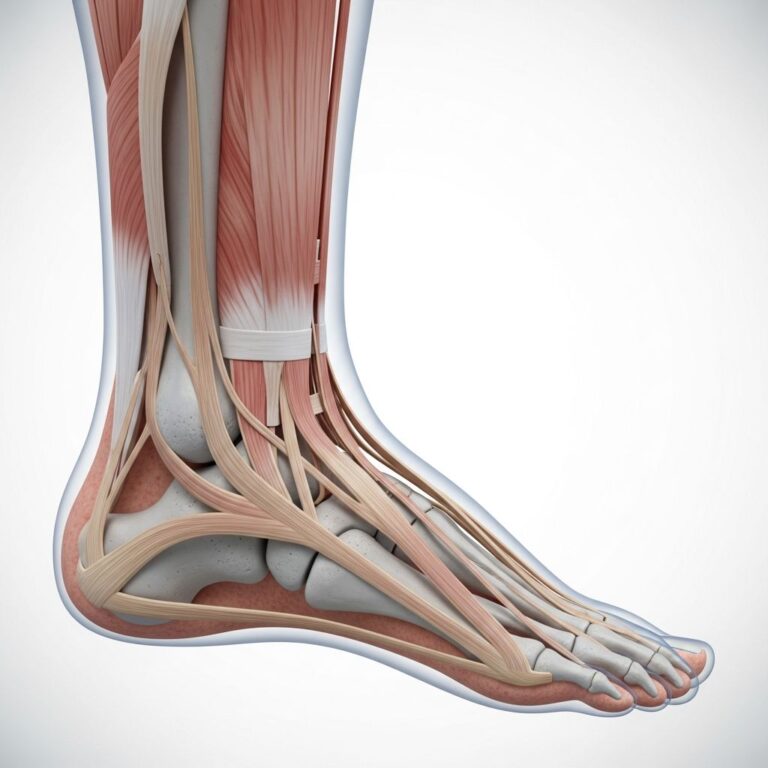
Glucosamine and chondroitin are naturally occurring substances found in the human body. Glucosamine is an amino sugar that plays a role in building and maintaining cartilage, while chondroitin is a complex carbohydrate that helps cartilage retain water and resist compression. Both substances are extracted from animal sources—typically shellfish shells for glucosamine and animal cartilage for chondroitin—and sold as dietary supplements.
These supplements are marketed with the promise that they can rebuild damaged cartilage, reduce inflammation, and alleviate the pain associated with osteoarthritis. Osteoarthritis is the most common form of arthritis, affecting an estimated 32.5 million adults in the United States. The condition occurs when the protective cartilage that cushions the joints gradually breaks down, leading to pain, stiffness, reduced function, and sometimes disability. Since there is no known cure for osteoarthritis, treatment focuses on managing symptoms and slowing cartilage deterioration.
How Glucosamine and Chondroitin Are Supposed to Work
The theoretical mechanism behind these supplements is compelling. Glucosamine and chondroitin possess anti-inflammatory properties and can protect cells called chondrocytes, which help maintain the structural integrity of cartilage. In theory, by reducing inflammation and protecting these critical cells, the supplements should slow cartilage breakdown and reduce pain in affected joints. This biological plausibility is why many health professionals and consumers have embraced these supplements as a natural approach to joint health.
Additionally, research has suggested that glucosamine and chondroitin have potential chemopreventive effects beyond joint health. Some evidence indicates these supplements may have anti-inflammatory properties that could extend to other areas of health, including reducing the risk of certain cancers.
Major Clinical Trials and Their Findings
The most comprehensive and rigorous examination of glucosamine and chondroitin effectiveness came through the Glucosamine/Chondroitin Arthritis Intervention Trial (GAIT), funded by the National Institutes of Health (NIH). This landmark study was conducted in two waves and involved 1,600 patients with osteoarthritis in their knees who were experiencing mild to moderate pain.
The first wave of GAIT results, published in 2006, compared four treatment groups: glucosamine hydrochloride alone, chondroitin alone, the combination of both supplements, and a prescription pain medication known as celecoxib. A control group received a placebo. The results were disappointing for supplement advocates. Overall, participants who received the supplements showed no significant improvement in knee pain or function compared to the placebo group. However, researchers did observe a small glimmer of hope: a subgroup of patients with moderate to severe pain who took glucosamine and chondroitin together showed some evidence of improvement.
Related Stories



The follow-up results, released in 2010, provided even less encouraging news. The continued analysis revealed that the supplements did not improve pain or function any better than the prescription pain medication or the placebo over the longer follow-up period. This suggested that any initial benefit observed in the moderate-to-severe pain subgroup was likely not sustained.
Additional Research and Mixed Results
Beyond GAIT, numerous other studies have examined the effectiveness of these supplements with conflicting results. In 2008, another glucosamine and chondroitin trial involving 572 people taking the supplements over two years found no difference in loss of joint space width—a measurable precursor to advancing arthritis. This suggests the supplements may not even slow the structural deterioration of joints at the biological level.
More recent research has produced unexpected and concerning findings. A 2016 study enrolling 164 patients with osteoarthritis knee pain randomized half to receive a combination of glucosamine and chondroitin supplements and half to receive an identical placebo pill. Remarkably, the study had to be stopped early for an unusual reason: those taking the supplement actually reported worse symptoms than those taking the placebo. This counterintuitive finding raised new questions about whether these supplements might potentially worsen symptoms in some individuals.
It is worth noting that some smaller studies, particularly those conducted in Europe using prescription-strength glucosamine sulfate, have shown more modest benefits. However, even these positive findings have been inconsistent, and the clinical significance of any observed benefits remains questionable.
Professional Recommendations and Guidelines
Given the accumulating evidence, major medical organizations have adjusted their recommendations regarding glucosamine and chondroitin. The American Academy of Orthopedic Surgeons has recommended against using either glucosamine or chondroitin to manage osteoarthritis symptoms or associated pain. This represents a significant shift from earlier positions when these supplements were more enthusiastically endorsed by the medical community.
According to experts at Harvard Health, “They are touted not only as arthritis pain relievers but also as treatments to prevent joint disease. Yet, a number of past studies have come to mixed conclusions.” This measured but skeptical assessment reflects the current consensus among evidence-based practitioners.
Emerging Research on Colorectal Cancer Risk
While glucosamine and chondroitin have largely failed to demonstrate significant benefits for osteoarthritis, recent epidemiologic research has uncovered a potentially different benefit. Several studies have examined whether these supplements might be associated with reduced risk of colorectal cancer (CRC), a significant cause of cancer-related morbidity and mortality.
Research from the Nurses’ Health Study (NHS) and Health Professionals Follow-Up Study (HPFS) found intriguing associations. Participants using glucosamine prior to baseline were associated with a 27% reduced risk of CRC, while any use of chondroitin was associated with a 35% reduced risk. More impressively, persons using glucosamine and chondroitin combined on 4 or more days per week for 3 or more years had a 45% lower CRC risk than non-users. However, these findings remain preliminary, and the biological mechanisms explaining any potential protective effect require further investigation.
A corroborating body of evidence from laboratory studies, animal research, and human investigations suggests that glucosamine and chondroitin possess anti-inflammatory properties that could plausibly explain a chemopreventive effect. The anti-inflammatory mechanisms identified in joint tissue may extend to intestinal tissue as well. However, much more research is needed to confirm these associations and establish causation rather than mere correlation.
Considering Safety and Cost
Beyond efficacy, consumers should consider the safety and cost implications of glucosamine and chondroitin use. These supplements are generally considered safe, with minimal reported adverse effects in clinical trials. However, they are expensive—many people spend hundreds of dollars annually on these products without clear evidence of benefit for their primary intended use.
Additionally, glucosamine and chondroitin supplements are not regulated with the same rigor as pharmaceutical medications. Quality, potency, and purity can vary significantly between brands. Some products may contain lower concentrations of active ingredients than advertised, while others might be contaminated with unwanted substances.
What Does This Mean for Consumers?
For individuals considering glucosamine and chondroitin supplements for osteoarthritis pain, the evidence suggests these products are unlikely to provide significant benefit beyond placebo effect. The gold standard clinical trial (GAIT) and subsequent research have consistently failed to demonstrate meaningful advantages for joint pain or function. The American Academy of Orthopedic Surgeons’ recommendation against their use reflects this evidence base.
If you are currently taking these supplements and experiencing pain relief, this could represent a genuine placebo effect, which is a legitimate psychological phenomenon. However, there may be more effective approaches to managing osteoarthritis, including weight management, physical activity, physical therapy, and evidence-based medications prescribed by healthcare providers.
The emerging evidence regarding potential colorectal cancer risk reduction is intriguing but remains preliminary. It would be premature to recommend these supplements specifically for cancer prevention without larger, more rigorous studies confirming any benefit and establishing a clear causal mechanism.
Frequently Asked Questions
Q: Are glucosamine and chondroitin supplements effective for osteoarthritis?
A: Large, well-designed clinical trials including the NIH-funded GAIT study found that glucosamine and chondroitin were no more effective than placebo for knee osteoarthritis. The American Academy of Orthopedic Surgeons recommends against their use for managing osteoarthritis symptoms.
Q: Could glucosamine and chondroitin have benefits beyond joint health?
A: Recent epidemiologic studies suggest a potential association between these supplements and reduced colorectal cancer risk. However, this research is preliminary and requires confirmation through larger studies before any recommendations can be made.
Q: Are glucosamine and chondroitin supplements safe?
A: These supplements are generally considered safe with minimal reported adverse effects. However, regulatory oversight is less rigorous than for pharmaceutical medications, so quality and potency can vary between brands.
Q: Should I continue taking these supplements if I find them helpful?
A: If you experience pain relief, this may represent a placebo effect, which is a real phenomenon. However, discuss your supplement use with your healthcare provider to explore potentially more effective alternatives for managing joint pain.
Q: What are better alternatives for managing osteoarthritis pain?
A: Evidence-based approaches include weight management, regular physical activity, physical therapy, prescription medications recommended by your doctor, and in some cases, joint injections or surgery.
References
- Use of glucosamine and chondroitin supplements in relation to risk of colorectal cancer — National Institutes of Health, National Center for Biotechnology Information. 2016. https://www.ncbi.nlm.nih.gov/pmc/articles/PMC4990485/
- Glucosamine/Chondroitin Arthritis Intervention Trial (GAIT) — National Institutes of Health. 2006-2010. https://www.nccih.nih.gov/research/results/gait
- Does Glucosamine Work for Joint Health? — National Center for Health Research. 2024. https://www.center4research.org/glucosamine-supplements-do-they-work-are-they-safe/
- Glucosamine and Chondroitin Supplements and Risk of Colorectal Cancer — Cancer Epidemiology, Biomarkers & Prevention. 2020. https://aacrjournals.org/cebp/article/doi/10.1158/1055-9965.EPI-20-0805/337259/
- Osteoarthritis Statistics and Information — Centers for Disease Control and Prevention (CDC). 2024. https://www.cdc.gov/arthritis/basics/osteoarthritis.html
Similar Articles








Read full bio of medha deb