Glucosamine: Expert Guide To Benefits, Dosage, Safety
Explore glucosamine's role in joint health, evidence on effectiveness, safety profile, and emerging benefits for overall wellness.
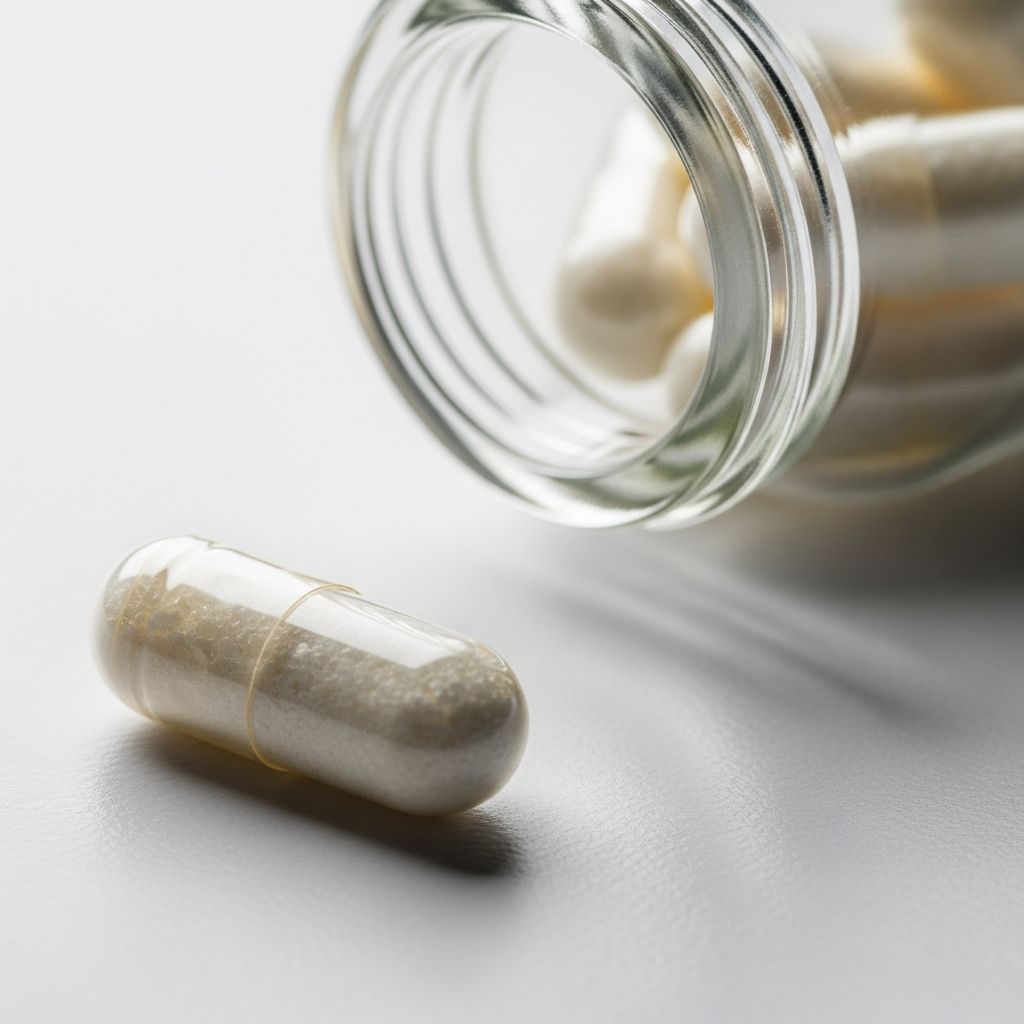
Glucosamine stands as a cornerstone in the world of dietary supplements, primarily recognized for its potential to aid joint function and alleviate discomfort associated with aging and wear-and-tear conditions. Naturally occurring in the body, this amino sugar plays a vital role in building and maintaining cartilage, the flexible tissue that cushions joints. As interest in natural remedies grows, many turn to glucosamine to manage osteoarthritis symptoms without relying solely on pharmaceuticals. This guide delves into its mechanisms, scientific backing, practical usage, and broader health implications, drawing from rigorous research to provide a balanced perspective.
The Science Behind Glucosamine’s Joint-Protecting Power
At its core, glucosamine contributes to the production of glycosaminoglycans and proteoglycans, essential components of cartilage that provide resilience and lubrication to joints. Supplements aim to boost these levels, particularly when natural production declines due to age, injury, or disease. Research suggests it may inhibit enzymes that break down cartilage, such as matrix metalloproteinases (MMPs), while promoting anabolic processes that rebuild tissue.
Studies also highlight its anti-inflammatory effects. By reducing markers like C-reactive protein (CRP), interleukin-1β (IL-1β), IL-6, and tumor necrosis factor-alpha (TNF-α), glucosamine helps temper the chronic inflammation driving joint degeneration. This dual action—protecting against breakdown and fostering repair—positions it as a promising option for long-term joint maintenance.
Effectiveness for Osteoarthritis and Joint Pain
Osteoarthritis (OA), characterized by cartilage loss and joint stiffness, affects millions worldwide. Glucosamine, often paired with chondroitin, has been extensively studied for symptom relief and disease modification. The Glucosamine/Chondroitin Arthritis Intervention Trial (GAIT), a landmark NIH-funded study involving nearly 1,600 participants with knee OA, tested glucosamine hydrochloride, chondroitin, their combination, celecoxib, and placebo. While overall results showed no superiority over placebo for the full cohort, a subset with moderate-to-severe pain experienced meaningful reductions in discomfort.
European trials using prescription-strength glucosamine sulfate have reported more consistent benefits, including pain reduction and improved function over periods up to three years. One notable three-year double-blind study of 212 individuals found glucosamine users had less symptom progression and even joint space preservation on X-rays, unlike placebo recipients who worsened. A follow-up suggested fewer knee replacements among users. However, many positive findings come from manufacturer-funded research, while independent trials often yield neutral outcomes, underscoring the need for cautious interpretation.
| Study Type | Key Findings | Source |
|---|---|---|
| Large U.S. Trials (e.g., GAIT) | No overall benefit vs. placebo; moderate pain subgroup improved | |
| European Long-Term Studies | Pain relief, slowed joint damage | |
| Combination with Chondroitin | Synergistic effects on inflammation and cartilage |
Comparisons to NSAIDs like ibuprofen or celecoxib show glucosamine matching efficacy in some short-term trials, with the advantage of fewer gastrointestinal risks.
Exploring Other Potential Applications
Beyond OA, glucosamine shows preliminary promise in related conditions. For osteochondritis dissecans—a cartilage disorder in the knee—a 12-week trial at 2,000 mg daily hinted at symptom improvement, though results were mixed due to overlapping OA cases. Rheumatoid arthritis research is limited but encouraging; a double-blind study of 51 patients on 1,500 mg daily noted significant symptom relief, without altering blood inflammation markers.
Emerging evidence points to tendonitis and muscle injury prevention, where glucosamine may support connective tissue integrity. However, robust data remains scarce, and it’s not a first-line recommendation for these uses.
Related Stories



Dosage Recommendations and Forms
Standard dosing for joint health ranges from 1,500 mg daily, either as a single dose or 500 mg three times a day. Glucosamine sulfate is the most studied form, often more effective than hydrochloride in trials. Combinations with chondroitin (1,200 mg) or MSM enhance outcomes in some studies, leveraging synergistic anti-inflammatory and cartilage-supporting properties.
- Sulfate form: Preferred for OA; crystalline version shows best absorption.
- Hydrochloride: Common in U.S. products; less consistent evidence.
- With chondroitin: Ideal for comprehensive joint support.
Take with food to minimize stomach upset. Effects may take 4-8 weeks to manifest, and long-term use (up to 3 years) appears safe based on trials.
Safety Profile and Side Effects
Glucosamine earns high marks for tolerability. Common side effects are mild: nausea, heartburn, diarrhea, or constipation, affecting under 10% of users. Derived from shellfish, it poses allergy risks for sensitive individuals—opt for vegan alternatives from fungal sources.
Early concerns about blood sugar elevation in diabetics have been debunked by recent large-scale research. A 2020 UK study of over 400,000 adults found regular users 17% less likely to develop type 2 diabetes, attributed to anti-inflammatory benefits improving insulin sensitivity. A 2025 analysis of 260,000 participants confirmed an 8% risk reduction. No liver, kidney, or cardiovascular toxicities noted at standard doses.
Who Might Benefit Most?
Candidates include those with mild-to-moderate knee OA, especially if NSAIDs cause issues. It’s less ideal for severe cases or inflammatory arthritis without medical advice. Pregnant or breastfeeding individuals should avoid it due to insufficient safety data. Always consult a healthcare provider, particularly if on blood thinners (mild interaction risk) or diabetes meds.
Quality Considerations When Choosing Supplements
Not all products are equal. Look for third-party testing (USP, NSF) to ensure purity and potency. Avoid low-dose formulas under 1,500 mg. Shellfish-free options exist for allergies. Cost varies, but generics match branded efficacy if verified.
Integrating Glucosamine into a Holistic Joint Care Plan
Maximize benefits by combining with weight management, low-impact exercise (swimming, yoga), and anti-inflammatory diets rich in omega-3s. Physical therapy enhances outcomes. Track progress with pain scales and mobility assessments.
Frequently Asked Questions (FAQs)
Does glucosamine rebuild cartilage?
It supports cartilage maintenance by promoting building blocks and inhibiting degradation, with X-ray evidence of joint space preservation in some studies.
How long until I feel results?
Typically 4-12 weeks; consistency is key for sustained effects.
Is it safe for diabetics?
Yes—recent studies show no risk increase and possible protection.
Can I take it with other medications?
Generally yes, but check with a doctor for warfarin or chemotherapy interactions.
What’s the best form: pills, liquid, or topical?
Oral sulfate pills lead evidence; topicals lack strong data.
Recent Research Highlights
Post-2020 studies reinforce glucosamine’s safety and subtle benefits. The 2025 Aging Clinical and Experimental Research paper underscores diabetes risk reduction via inflammation control, opening doors to metabolic health applications. Ongoing trials explore combinations for temporomandibular disorders (TMD), showing reduced cartilage breakdown markers.
References
- Glucosamine Supplements: Do They Work and Are They Safe? — Center for Research. 2025. https://www.center4research.org/glucosamine-supplements-do-they-work-are-they-safe/
- Glucosamine as a therapeutic supplement — EBSCO Research Starters. 2023. https://www.ebsco.com/research-starters/complementary-and-alternative-medicine/glucosamine-therapeutic-supplement
- The Safety and Efficacy of Glucosamine and/or Chondroitin in … — PMC (NCBI). 2023. https://pmc.ncbi.nlm.nih.gov/articles/PMC12250884/
- Glucosamine, Chondroitin for Osteoarthritis Pain — Arthritis Foundation. 2024. https://www.arthritis.org/health-wellness/treatment/complementary-therapies/supplements-and-vitamins/glucosamine-chondroitin-osteoarthritis-pain
- Glucosamine Sulfate – StatPearls — NCBI Bookshelf (NIH). 2023. https://www.ncbi.nlm.nih.gov/books/NBK558930/
Similar Articles








Read full bio of Sneha Tete