Glucose Test During Pregnancy: Screening for Gestational Diabetes
Complete guide to glucose testing during pregnancy and gestational diabetes screening procedures.
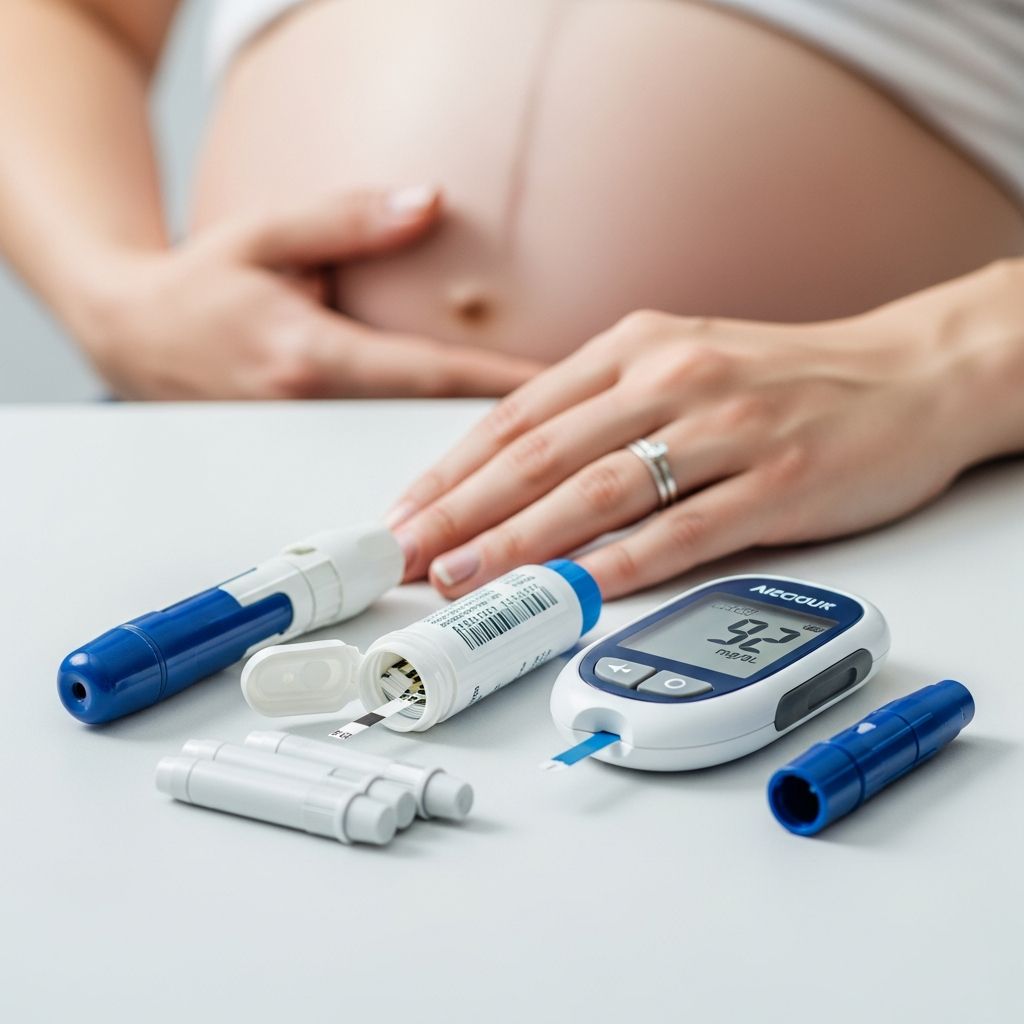
Understanding Glucose Tests During Pregnancy
Glucose testing during pregnancy is one of the most important screening procedures recommended for all expectant mothers. These tests help identify whether you may have gestational diabetes, a condition where your body cannot properly regulate blood sugar levels during pregnancy. Early detection through glucose testing allows healthcare providers to implement appropriate management strategies that improve outcomes for both mother and baby.
Gestational diabetes affects a significant portion of pregnant women and can lead to serious complications if left undiagnosed or untreated. These complications may include macrosomia (an abnormally large baby), preeclampsia, shoulder dystocia, and in severe cases, stillbirth. Understanding the purpose, procedure, and results of glucose tests empowers expectant mothers to take an active role in their prenatal care.
What Is a Glucose Test During Pregnancy?
A glucose test during pregnancy is a blood test that measures how your body processes glucose (sugar). The test involves consuming a specific amount of glucose solution and having blood samples drawn at predetermined intervals to measure how quickly your body metabolizes the sugar. This screening helps identify whether you have gestational diabetes before symptoms become apparent.
The American College of Obstetricians and Gynecologists (ACOG) recommends that all pregnant women without a prior diagnosis of overt diabetes undergo gestational diabetes screening. The test is considered the gold standard for diagnosing gestational diabetes and is a routine part of prenatal care for most expectant mothers.
Types of Glucose Tests
The One-Hour Glucose Challenge Test (Screening)
The initial glucose screening is called the one-hour glucose challenge test, also known as the glucose screening test. This is a non-fasting test, meaning you do not need to skip meals before the procedure. During this test, you will be asked to drink a sweetened beverage called Glucola, which contains 50 grams of glucose. You must consume this liquid within five minutes.
Approximately one hour after consuming the glucose solution, a blood sample is collected from a vein in your arm. This sample is then analyzed to determine your blood glucose level. The test measures how efficiently your body processes and utilizes glucose, providing an initial indication of whether you may be at risk for gestational diabetes.
The Three-Hour Glucose Tolerance Test (Confirmation)
If your one-hour screening results are elevated, your healthcare provider will recommend a three-hour oral glucose tolerance test (OGTT) for confirmation. Unlike the initial screening, this test requires fasting for at least eight hours before the procedure.
During the three-hour test, a fasting blood sample is first collected. You then consume a glucose solution containing 100 grams of glucose dissolved in water. Blood samples are subsequently collected at one, two, and three hours after consuming the solution. These multiple samples allow healthcare providers to observe how your body processes glucose over an extended period and provide a definitive diagnosis.
Related Stories



When Are Glucose Tests Performed?
Gestational diabetes screening is typically performed between 24 and 28 weeks of pregnancy. This timing allows healthcare providers to identify the condition during the second trimester when gestational diabetes most commonly develops.
However, testing may be performed earlier if certain risk factors are present, including:
– Previous diagnosis of gestational diabetes in prior pregnancies- Strong family history of type 2 diabetes- Maternal age over 35 years- Pre-pregnancy obesity- Polycystic ovary syndrome (PCOS)- Certain ethnic backgrounds associated with higher diabetes risk
Women with known risk factors may be tested as early as the first prenatal visit or first trimester.
Preparation for Glucose Testing
For the One-Hour Glucose Challenge Test
Preparation for the initial glucose screening is minimal since fasting is not required. However, you should follow these guidelines on the day of your test:
– You may eat a light breakfast on the day of testing- Avoid consuming items high in sugar content, such as orange juice, pancakes, doughnuts, or sugary cereals- Report to your designated testing location on time- After drinking the Glucola, do not eat, drink, or smoke until your blood is drawn one hour later- The test can often be scheduled during one of your regular prenatal visits for convenience
For the Three-Hour Glucose Tolerance Test
The confirmation test requires more preparation due to the fasting requirement. Follow these instructions:
– Fast for at least eight hours before the test (typically overnight)- Do not eat or drink anything except water during the fasting period- Avoid strenuous exercise the day before testing- Take your scheduled medications as directed by your healthcare provider unless otherwise instructed- Wear comfortable, loose-fitting clothing to facilitate blood draw procedures- Bring identification and insurance information to your appointment- Plan to be at the testing facility for approximately three to four hours
Understanding Your Test Results
One-Hour Glucose Challenge Results
The interpretation of one-hour glucose screening results varies slightly among healthcare providers, though standard benchmarks have been established:
| Blood Glucose Level | Result Interpretation | Next Steps |
|---|---|---|
| Below 140 mg/dL | Normal | No further testing required; you have passed the screening |
| 140-190 mg/dL | Elevated | Three-hour confirmation test recommended |
| Above 190 mg/dL | Significantly Elevated | Three-hour confirmation test strongly recommended |
Some healthcare providers, including Cleveland Clinic, use a slightly lower threshold of 135 mg/dL as the cutoff for normal results. It is important to note that approximately 25 percent of pregnant women have elevated one-hour glucose levels. An elevated screening result does not confirm gestational diabetes; it simply indicates a need for further testing.
Three-Hour Glucose Tolerance Test Results
Gestational diabetes is diagnosed when at least two of the four blood glucose measurements meet or exceed the following thresholds according to ACOG guidelines:
| Testing Time | Diagnostic Threshold |
|---|---|
| Fasting | 95 mg/dL or higher |
| One Hour | 180 mg/dL or higher |
| Two Hours | 155 mg/dL or higher |
| Three Hours | 140 mg/dL or higher |
If fewer than two values meet these thresholds, gestational diabetes is not diagnosed, and no further monitoring beyond routine prenatal care is typically required.
What Happens After a Gestational Diabetes Diagnosis
If you receive a gestational diabetes diagnosis, your healthcare team will develop a comprehensive management plan to maintain healthy blood glucose levels throughout the remainder of your pregnancy. Management typically begins with lifestyle modifications, including dietary changes and regular physical activity.
You will be instructed to monitor your blood glucose levels regularly using a home glucose monitoring device. Most women record their meals and blood sugar readings using a paper log, smartphone app, or other method approved by their healthcare provider. These readings are reviewed at regular intervals, often weekly or biweekly, allowing your provider to assess how well your glucose levels are controlled.
Dietary modifications typically focus on reducing refined carbohydrate intake and consuming balanced meals with appropriate portions of protein, healthy fats, and complex carbohydrates. If diet and exercise alone do not maintain adequate glucose control, your healthcare provider may prescribe insulin or oral medications to help regulate blood sugar levels.
Additionally, you may receive more frequent ultrasounds to monitor fetal growth, as gestational diabetes increases the risk of delivering a larger-than-average baby. Your pregnancy care provider will schedule more frequent prenatal visits to ensure both you and your baby remain healthy throughout pregnancy and delivery.
Risks of Untreated Gestational Diabetes
Gestational diabetes that goes undiagnosed or untreated poses significant risks to both mother and baby. These risks include:
– Macrosomia (excessive fetal growth), which can complicate delivery- Preeclampsia, a serious blood pressure condition during pregnancy- Shoulder dystocia, a delivery complication where the baby’s shoulder becomes stuck- Stillbirth in severe, uncontrolled cases- Increased likelihood of cesarean delivery- Neonatal hypoglycemia (low blood sugar in the newborn)- Long-term increased risk of type 2 diabetes for both mother and child
Special Considerations
While glucose testing is the gold standard for gestational diabetes diagnosis, certain circumstances may make traditional testing difficult or impossible. For instance, women who have undergone bariatric surgery may have altered glucose absorption patterns that affect test interpretation. In such cases, healthcare providers may recommend alternative diagnostic approaches or modified testing protocols.
Additionally, women with a history of gestational diabetes in previous pregnancies face increased risk of recurrence and should discuss earlier or more frequent testing with their healthcare provider.
Frequently Asked Questions
Q: Is fasting required before the one-hour glucose screening?
A: No, fasting is not required for the initial one-hour glucose challenge test. However, you should avoid consuming high-sugar foods on the morning of the test. Fasting is only required for the three-hour confirmation test.
Q: What does an elevated one-hour glucose result mean?
A: An elevated result indicates that your body may not be processing glucose efficiently. However, it does not confirm gestational diabetes. Approximately 25 percent of pregnant women have elevated screening results, and many of these women do not have gestational diabetes when the confirmation test is performed.
Q: Can I eat or drink during the one-hour wait?
A: No, you should not eat, drink, or smoke during the hour between consuming the glucose solution and your blood draw, as this can affect test accuracy.
Q: How long does the three-hour test take?
A: The three-hour glucose tolerance test typically requires three to four hours at the testing facility, including the fasting blood draw, glucose consumption, and three subsequent blood draws at one, two, and three hours.
Q: What should I do if I have gestational diabetes?
A: If diagnosed with gestational diabetes, work closely with your healthcare team to implement dietary modifications, monitor blood glucose levels regularly, and follow all recommended treatment plans. Most cases can be effectively managed through lifestyle changes, though some women require medication.
Q: Will gestational diabetes affect my baby?
A: Uncontrolled gestational diabetes can affect your baby, increasing risks of macrosomia, low blood sugar at birth, and other complications. However, with proper management and monitoring, these risks are significantly reduced.
Q: Can I prevent gestational diabetes?
A: While you cannot always prevent gestational diabetes, maintaining a healthy weight before pregnancy, eating a balanced diet, staying physically active, and managing other health conditions may reduce your risk.
References
- Oral Glucose Tolerance Testing — Cleveland Clinic Laboratories. December 2024. https://timsapi.lab.ccf.org/tddocs/TechnicalBrief/OralGlucoseToleranceTesting1224.PDF
- What to Know About Glucose Tests During Pregnancy — The Bump. https://www.thebump.com/a/glucose-screening-and-tolerance-tests
- Oral Glucose Tolerance Test during Pregnancy: Gestational Diabetes — Cleveland Clinic Abu Dhabi. https://www.clevelandclinicabudhabi.ae/en/health-hub/health-resource/diagnostics-and-testing/oral-glucose-tolerance-test-during-pregnancy
- Diabetes and Pregnancy Guide — Cleveland Clinic. https://my.clevelandclinic.org/-/scassets/files/org/endocrinology-metabolism/diabetes-pregnancy-guide.pdf
- Gestational Diabetes: Causes, Symptoms & Treatment — Cleveland Clinic. https://my.clevelandclinic.org/health/diseases/9012-gestational-diabetes
- Glucose Tolerance Test (GTT): What It Is, Preparation & Results — Cleveland Clinic. https://my.clevelandclinic.org/health/diagnostics/glucose-tolerance-test
- Controversies in the Diagnosis and Treatment of Gestational Diabetes — Cleveland Clinic Journal of Medicine. https://www.ccjm.org/content/ccjom/67/7/481.full.pdf
Similar Articles








Read full bio of medha deb