Understanding Glue Ear: Causes, Symptoms, and Treatment
Comprehensive guide to middle ear fluid buildup and available treatment options
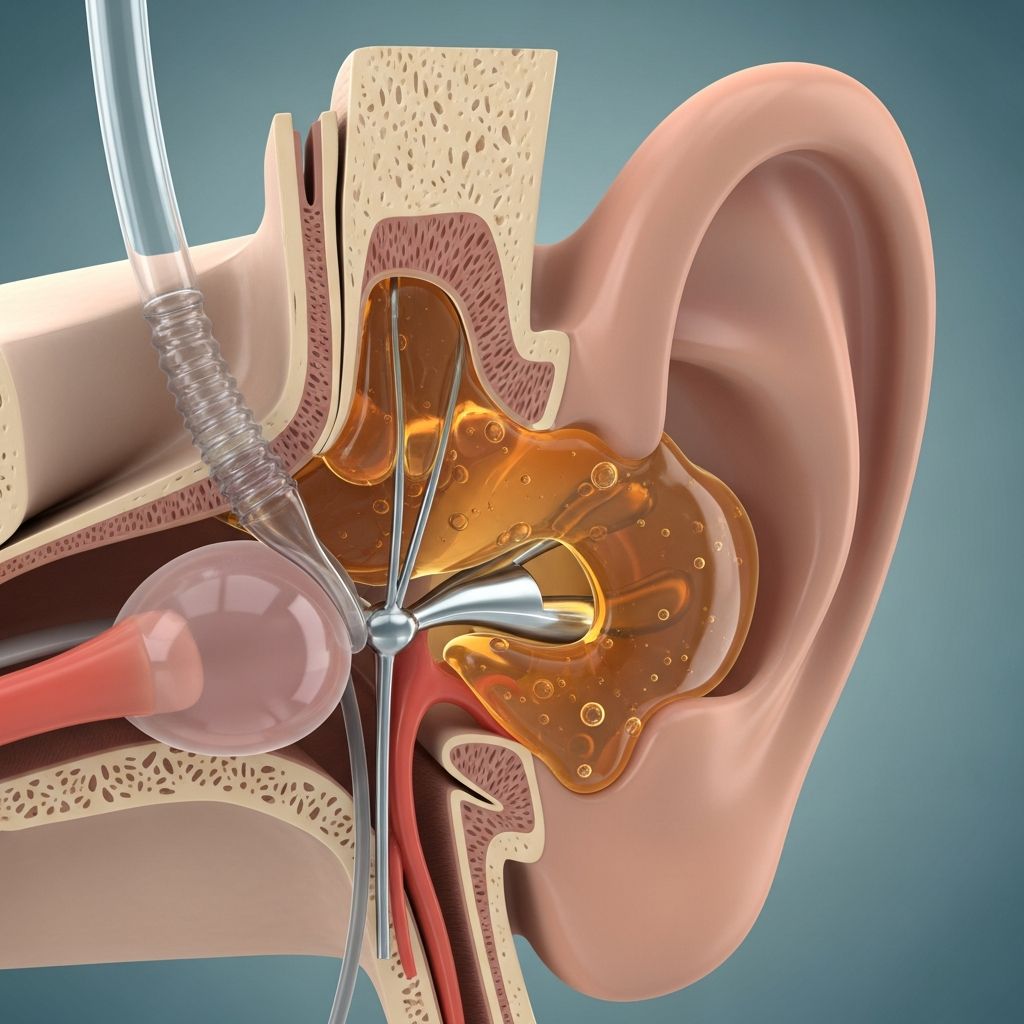
Glue ear, medically known as otitis media with effusion (OME), is a common condition where thick, sticky fluid accumulates in the middle ear space behind the eardrum. Unlike acute ear infections, glue ear develops without active infection and often follows a previous ear infection or respiratory illness. This condition can significantly impact hearing and, if prolonged, may affect speech development and academic performance in children.
What Happens Inside the Ear During Glue Ear
The middle ear is an air-filled cavity located directly behind the eardrum, containing three tiny bones responsible for transmitting sound vibrations to the inner ear. During normal hearing, the eustachian tube—a narrow passageway connecting the middle ear to the back of the throat—maintains proper air pressure and drains excess fluid. When glue ear develops, thick fluid accumulates in this space, preventing the bones from vibrating freely and muffling sound transmission.
As the condition persists over extended periods, the air in the middle ear becomes gradually absorbed, creating negative pressure that pulls the eardrum inward. This prolonged pressure causes the eardrum to thin and lose elasticity, potentially leading to serious complications if untreated.
Recognizing the Symptoms
Primary Indicators
Hearing loss represents the most prominent symptom of glue ear, affecting one or both ears simultaneously. This hearing loss occurs because the fluid reduces vibration transmission, causing sounds to appear muffled or distant. Children with this condition may demonstrate observable behaviors including:
- Difficulty responding to normal conversation or soft sounds
- Speaking louder than typical for their age
- Repeatedly asking others to repeat themselves
- Turning up volume on electronic devices excessively
- Struggling to follow directions or concentrate in classroom settings
Secondary and Less Common Symptoms
Beyond hearing difficulties, individuals may experience additional symptoms including ear discomfort, pressure sensations, or mild pain—particularly noticeable during nighttime rest. Some patients report tinnitus, described as internal ringing or buzzing sounds audible only to themselves. Less frequently, glue ear manifests as balance problems, clumsiness, ear discharge, or a sensation of fluid movement within the ear canal.
In young children, prolonged glue ear can interfere with natural speech and language development, resulting in delayed communication skills and difficulties keeping pace academically with peers. These developmental impacts underscore the importance of prompt evaluation and management when symptoms persist.
Understanding the Underlying Causes
Primary Causative Factors
While glue ear’s exact trigger remains incompletely understood, research indicates that over half of all cases follow an acute middle ear infection. Inflammation accompanying infection can narrow or block the eustachian tube, preventing fluid drainage and creating conditions favorable for thick fluid accumulation. This explains why glue ear commonly develops in the weeks following a cold, flu, or bacterial ear infection.
The eustachian tube plays a critical role in preventing glue ear. When this tube loses its ability to effectively drain mucus and maintain proper ear pressure, conditions develop that allow glue ear to establish itself. In children, the eustachian tube is naturally narrower and more angled than in adults, making children more susceptible to blockage and fluid accumulation.
Related Stories



Contributing Risk Factors
Multiple factors can increase the likelihood of developing glue ear or prolonging its duration:
- Allergic reactions triggering inflammation and eustachian tube congestion
- Nasal obstruction from deviated septum, enlarged adenoids, or swollen tonsils
- Environmental smoke exposure irritating nasal passages and eustachian tube tissues
- Gastroesophageal reflux disease (GERD) causing fluid irritation in the middle ear area
- Pressure changes during air travel or deep diving
- Structural abnormalities in the nasopharynx that obstruct the eustachian tube opening
Important clarifications: ear wax buildup and water exposure from swimming or showering do not cause glue ear, despite these being common misconceptions. Additionally, glue ear is not an infection itself, though it frequently develops in the aftermath of infectious ear conditions.
Who Is Most Affected
While glue ear predominantly affects children under six years old, anyone can develop this condition at any age. In adults, particularly when glue ear affects only one ear, underlying structural issues warrant investigation—including potential nasopharyngeal growth or, in some populations, nasopharyngeal malignancy. This distinction makes proper medical evaluation essential for all age groups experiencing persistent ear symptoms.
Diagnostic Approaches and Medical Evaluation
Healthcare providers diagnose glue ear through a combination of clinical assessment and specialized testing. During examination, medical professionals use an otoscope to visualize the eardrum, which appears retracted and straw-colored when fluid is present, contrasting with the normal translucent shiny appearance of a healthy eardrum. Audiological testing measures hearing sensitivity and identifies the degree of hearing loss, while tympanometry—measuring eardrum movement in response to pressure changes—confirms middle ear fluid presence.
Treatment Approaches and Management Strategies
Watchful Waiting and Natural Resolution
Many cases of glue ear resolve naturally within three months without medical intervention. Healthcare providers often recommend a period of observation, as spontaneous fluid drainage occurs when the eustachian tube function normalizes. During this observation period, families should monitor for symptom progression and maintain regular follow-up appointments.
Medical and Surgical Interventions
When symptoms persist beyond three months or worsen significantly, additional treatment options become appropriate. Healthcare providers may recommend hearing aids to amplify sound and compensate for hearing loss while awaiting spontaneous resolution or pursuing other interventions. In limited cases where conservative measures prove inadequate, surgical options exist—most notably the insertion of small tubes (grommets) into the eardrum to facilitate fluid drainage and restore normal ear pressure. Such surgical interventions remain relatively uncommon and are typically reserved for situations where prolonged glue ear significantly impacts quality of life or developmental outcomes.
Distinguishing Glue Ear from Other Ear Conditions
Glue ear shares several symptoms with other middle ear conditions, which can create diagnostic confusion. The most frequently confused condition is excessive ear wax accumulation, which creates similar sensations of ear fullness and can reduce hearing acuity. However, ear wax buildup and glue ear are entirely unrelated conditions requiring different management approaches. Other conditions affecting the middle ear include acute otitis media (active infection), barotrauma from pressure changes, and eustachian tube dysfunction from various causes. Proper medical evaluation distinguishes between these conditions and guides appropriate management.
Impact on Quality of Life and Development
Beyond the immediate physical symptoms, glue ear can significantly affect daily functioning, particularly in children. Educational performance may suffer as hearing difficulties interfere with classroom instruction and social interaction with peers. Speech and language development may lag if glue ear persists during critical developmental years. Sleep disturbances from ear discomfort can affect daytime functioning and cognitive performance. Adults experiencing glue ear may face workplace challenges and communication difficulties that impact professional relationships and job performance.
When to Seek Medical Attention
Parents and individuals should schedule medical evaluation if hearing difficulties persist, ear discomfort continues despite home care measures, or if symptoms last beyond three weeks following an ear infection. Any adult experiencing unilateral (one-sided) glue ear should receive prompt evaluation to rule out underlying structural abnormalities. Early intervention can prevent complications and optimize outcomes, particularly in children whose development depends on adequate hearing during critical learning periods.
Frequently Asked Questions
How long does glue ear typically last?
Most cases resolve naturally within three months. However, some individuals experience prolonged duration, requiring medical intervention if symptoms significantly impact quality of life or development.
Is glue ear contagious?
No, glue ear itself is not contagious, though it often develops following contagious ear infections.
Can glue ear cause permanent hearing loss?
Glue ear typically causes temporary hearing loss that resolves when the condition clears. However, untreated cases lasting extended periods may result in permanent eardrum damage or structural changes that affect long-term hearing ability.
What home care measures help during glue ear?
Managing nasal congestion through saline irrigation, avoiding smoke exposure, maintaining healthy humidity levels, and treating underlying allergies can support natural healing. However, medical evaluation remains essential for proper diagnosis and monitoring.
References
- What Are The Symptoms of Glue Ear in Adults and What Causes It — North London Ear Wax Clinic. Accessed February 2026. https://northlondonearwaxclinic.com/symptoms-of-glue-ear-in-adults/
- Glue ear — NHS (National Health Service). Accessed February 2026. https://www.nhs.uk/conditions/glue-ear/
- Fluid in Ear (Otitis Media With Effusion, Glue Ear) — Cleveland Clinic. Accessed February 2026. https://my.clevelandclinic.org/health/diseases/23523-glue-ear
- Glue ear — nidirect (Northern Ireland Direct). Accessed February 2026. https://www.nidirect.gov.uk/conditions/glue-ear
- Causes and Symptoms of Glue Ear — Bay Area Audiology. Accessed February 2026. https://bayareaaudiology.com/causes-and-symptoms-of-glue-ear/
- Glue Ear — Dr Dharambir S Sethi. Accessed February 2026. https://drsethi.com.sg/glue-ear/
- Glue Ear Discussion — McGovern Medical School, UTHealth Houston. Accessed February 2026. https://med.uth.edu/orl/online-ear-disease-photo-book/chapter-6-glue-ear/glue-ear-discussion/
- Kids Health Info: Ear infections and glue ear — Royal Children’s Hospital Melbourne. Accessed February 2026. https://www.rch.org.au/kidsinfo/fact_sheets/ear_infections_and_otitis_media/
Similar Articles








Read full bio of medha deb