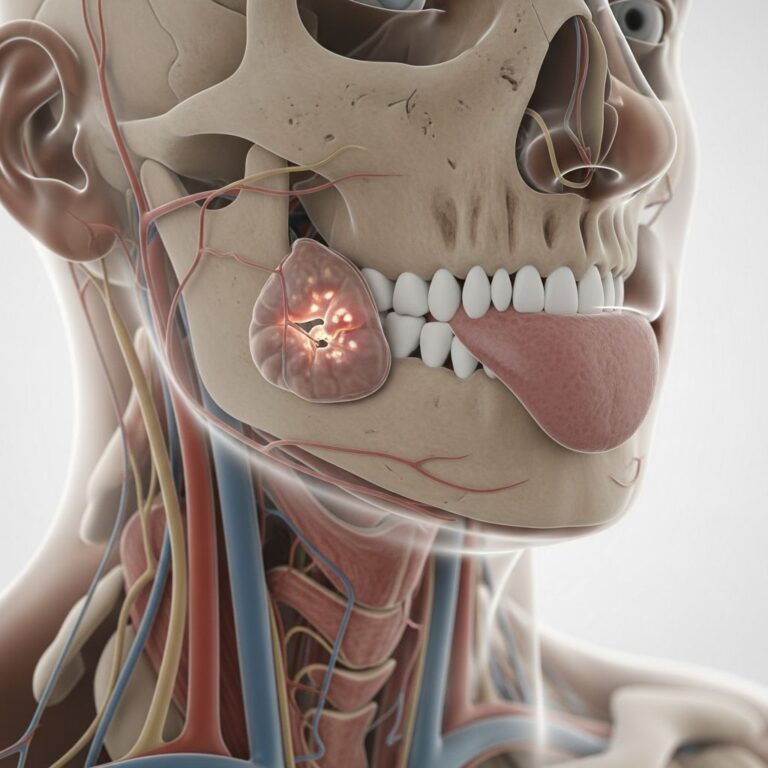
Glutamate: Brain Neurotransmitter Function and Health
Understanding glutamate's role in brain function, from essential neurotransmission to excitotoxicity and disease.
What is Glutamate?
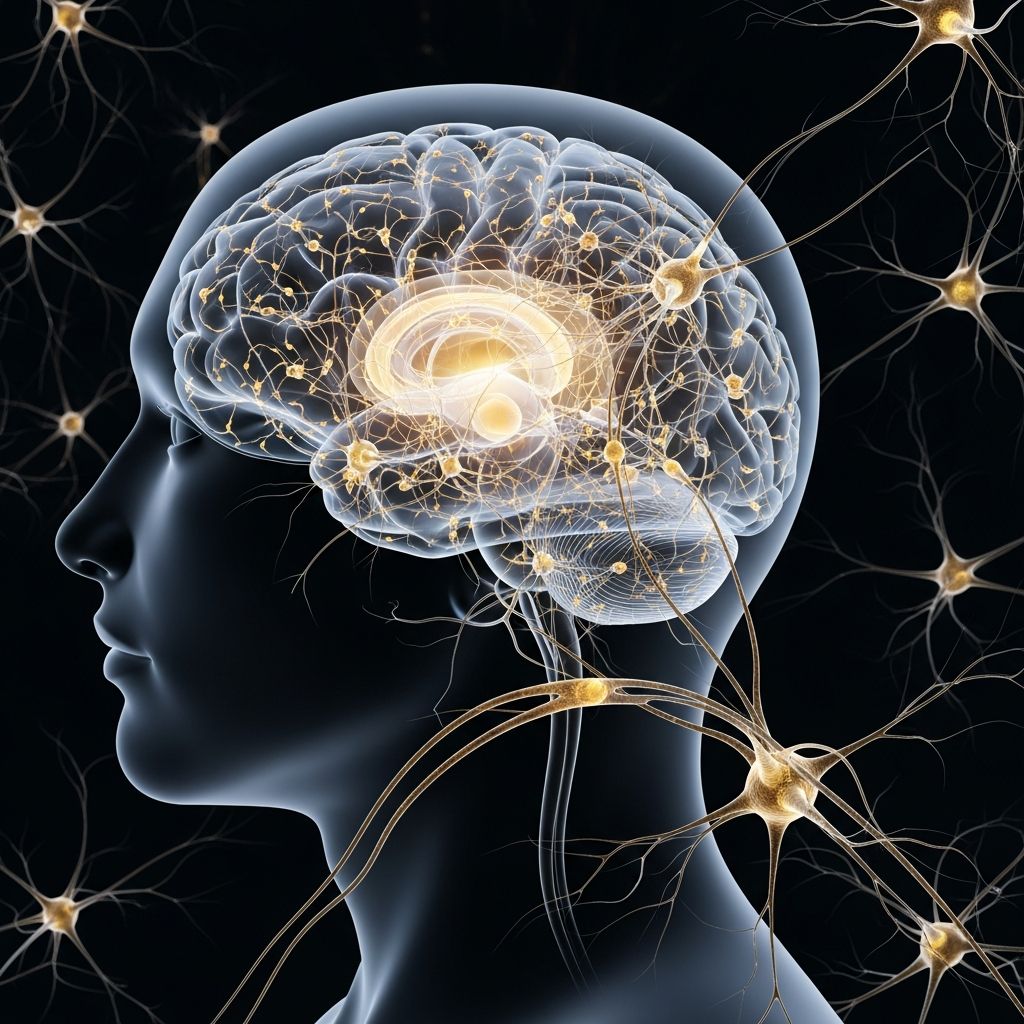
Glutamate is the most abundant excitatory neurotransmitter in the brain and spinal cord, serving as the primary chemical messenger that facilitates communication between nerve cells. As an amino acid, glutamate is one of the most abundant amino acids in the human body and plays a fundamental role in nervous system plasticity—the brain’s ability to adapt and reorganize itself. Unlike some neurotransmitters that are produced exclusively in the brain, glutamate is also a major constituent of various proteins throughout the body, making it essential for multiple biological processes beyond neurological function.
Understanding glutamate requires recognizing its dual nature: it is essential for normal brain function yet potentially harmful in excessive quantities. This paradox has made glutamate a focal point of neuroscience research, particularly in understanding neurological diseases and psychiatric conditions.
How Glutamate Functions in the Brain
Glutamate operates as the principal excitatory neurotransmitter of the central nervous system, meaning it facilitates the transmission of stimulating signals between neurons. When a neuron needs to communicate with another cell, glutamate molecules are released from storage vesicles in the axon terminals through a process called exocytosis, triggered by an influx of calcium ions. Once released, glutamate crosses the synaptic space—the tiny gap between nerve cells—and binds to receptors on the receiving neuron.
Glutamate Receptor Activation
Glutamate acts on multiple types of receptors, including NMDA, AMPA, kainite, and G protein-linked receptors located on both neurons and glial cells. These different receptor types allow glutamate to modulate various aspects of neuronal communication and plasticity. The activation of these receptors enables learning, memory formation, and the brain’s ability to adapt to new experiences and information.
Glutamate Regulation and Uptake
A critical aspect of glutamate function involves its removal from the extracellular space—the fluid surrounding neurons. Since no enzymes exist in the extracellular fluid to break down glutamate, the brain relies on specialized transport proteins called glutamate transporters located on the surface of both astrocytes (a type of glial cell) and neurons to remove excess glutamate through cellular uptake. This regulation is essential because glutamate concentration must be precisely controlled: it needs to be present at the right levels, in the right locations, and at the right times for optimal brain function.
Connection to Other Neurotransmitters
Glutamate serves as a metabolic precursor for gamma-aminobutyric acid (GABA), the primary inhibitory neurotransmitter in the brain. This conversion is facilitated by the enzyme glutamic acid decarboxylase (GAD), which requires cofactors including vitamin B6 and the amino acid taurine. This relationship underscores how glutamate metabolism is deeply integrated into the brain’s overall neurochemical balance.
Glutamate and Nervous System Plasticity
Beyond basic neurotransmission, glutamate is the major mediator of nervous system plasticity, a process that allows the brain to reorganize itself and form new neural connections throughout life. This capability is fundamental to learning, memory consolidation, and the brain’s recovery from injury. During learning experiences, glutamate signaling strengthens connections between neurons through a mechanism called long-term potentiation, effectively encoding new memories at the cellular level.
The Problem of Excitotoxicity
While glutamate is essential for normal brain function, excessive amounts can become toxic in a phenomenon called excitotoxicity. Excitotoxicity is a complex pathological process triggered by excessive glutamate receptor activation that results in the degeneration of dendrites—the branching extensions of neurons—and ultimately cell death. Think of glutamate as a stimulant: just as consuming too much caffeine produces adverse effects, excessive glutamate overstimulates neurons beyond their capacity to function healthily.
The Cascade of Neuronal Damage
When glutamate levels become dangerously high, a cascading effect occurs. Overexcited neurons become damaged or die, and as they perish, they release their stored glutamate into the extracellular space. This released glutamate triggers the death of surrounding nerve cells, creating a self-perpetuating cycle of neuronal damage. This cascade can leave the brain increasingly susceptible to aberrant glutamate cycling and contribute to various neurological conditions.
Related Stories



Conditions Associated with Excitotoxicity
Excitotoxicity-induced glial injury can mediate neurodegeneration, affecting both neurons and glial cells and contributing to diseases such as:
- Dementia and Alzheimer’s disease
- Multiple sclerosis
- Stroke and traumatic brain injury
- Epilepsy
- Parkinson’s disease
- Huntington’s disease
Glutamate and Neurodegenerative Diseases
Research has established a clear link between glutamate excitotoxicity and major neurodegenerative conditions affecting the aging population. Researchers agree that glutamate excitotoxicity plays a definitive role in the pathogenesis of Alzheimer’s disease, the most common neurodegenerative disorder affecting elderly individuals. Evidence suggests that glutamate excitotoxicity actually accelerates the progression of Alzheimer’s disease, making it a potentially modifiable therapeutic target.
Glutamate is also implicated in the pathogenesis of Parkinson’s disease, another age-related neurodegenerative condition characterized by progressive loss of dopamine-producing neurons. In multiple sclerosis, excess glutamate associated with brain lesions has emerged as a critical factor in neurodegeneration, with research showing that glutamate levels rise in the brain even before lesions become visible on imaging.
Glutamate and Mental Health Disorders
Beyond neurodegenerative diseases, problems in making or using glutamate have been linked to various mental health conditions. These associations suggest that glutamate dysregulation plays a role in psychiatric pathology:
- Depression: Glutamate imbalance has been associated with depressive symptoms and may contribute to treatment-resistant depression
- Schizophrenia: Dysregulation of glutamatergic neurotransmission is implicated in the positive and negative symptoms of schizophrenia
- Autism: Alterations in glutamate signaling have been identified in autism spectrum disorder
- Anxiety disorders and OCD: Excessive glutamate signaling may contribute to these conditions
These findings have led researchers to identify glutamate as a pharmacologic target in many areas of disease research, opening new therapeutic possibilities.
Glutamate in Acute Brain Injuries
Glutamate plays a significant role in acute brain injuries including stroke and traumatic brain injury (TBI). Following these events, massive amounts of glutamate are released into the extracellular space, triggering excitotoxic cascades that expand the area of brain damage beyond the initial injury. Scientists are exploring therapeutic strategies to enhance the brain’s natural cellular processes that pump excess glutamate out of the brain and into the bloodstream, with the goal of preventing or limiting further brain damage after these acute events.
Glutamate and Epilepsy
A similar excitotoxic process is thought to occur in epilepsy, a neurological disorder characterized by recurrent seizures. Seizure activity causes trauma to the brain and central nervous system, leading to the release of excess glutamate. This elevated glutamate can lower seizure thresholds, making additional seizures more likely and potentially contributing to the progressive nature of some forms of epilepsy.
Glutamate and Chronic Pain
Chronic pain conditions represent another area where glutamate dysfunction plays a significant role. Diseases and disorders that cause chronic pain result in continuous releases of glutamate, leading to accumulation of this neurotransmitter around the pain site. This excess glutamate can render pain receptors increasingly sensitized, causing patients to experience heightened pain sensitivity compared to their baseline. Researchers believe that removing excess glutamate might reduce this pain hypersensitivity, offering a novel therapeutic approach to chronic pain management.
Glutamate Balance and Brain Health
The concept of glutamate balance is paramount in neuroscience. Both too much glutamate and too little glutamate are harmful to the brain. Excessive activation of glutamate receptors can excite nerve cells to death through excitotoxicity, while insufficient glutamate impairs normal synaptic transmission and neural plasticity.
Glutamate metabolism is complex and highly compartmentalized within the brain. For optimal brain function, several conditions must be met: glutamate must be present at appropriate concentrations in the correct locations at precise times; cells must maintain proper sensitivity to glutamate; neurons must have sufficient energy to withstand normal stimulation; and glutamate must be removed from appropriate locations at suitable rates. Any disruption in these finely-tuned processes can contribute to neurological or psychiatric pathology.
Therapeutic Approaches Targeting Glutamate
The recognition of glutamate’s role in disease has spurred development of therapeutic interventions targeting glutamatergic neurotransmission. For Alzheimer’s disease, NMDA antagonists have been developed that block or occupy the N-methyl-D-aspartate (NMDA) receptors to which glutamate binds, potentially slowing disease progression.
Current research is advancing multiple therapeutic strategies. Cleveland Clinic researchers are investigating how blocking excess glutamate can prevent neurodegeneration in multiple sclerosis, with work backed by a $1 million grant from the U.S. Department of Defense. These efforts are exploring both small molecule drugs and nanobody-based therapeutic approaches, with multiple target and drug modality options allowing faster progress in translating discoveries to clinical treatments.
Additionally, researchers are exploring ways to enhance cellular processes that remove excess glutamate from the brain. By supporting the natural mechanisms that clear glutamate from the extracellular space, scientists hope to develop preventive and therapeutic strategies for conditions ranging from acute brain injuries to chronic neurodegenerative diseases.
Factors Contributing to Glutamate Imbalance
Several factors can contribute to dysregulation of glutamate levels in the brain. Nutritional deficiencies play a role: vitamin B6 is an essential cofactor for converting glutamate into GABA, and lower levels of B6 or the amino acid taurine could contribute to glutamate imbalance. Additionally, in certain pathological conditions, glial cells directly release glutamate, adding to the total amount in the brain. Furthermore, if glutamate transporters fail to remove excess glutamate efficiently from the synapse, glutamate can accumulate and cause continuous activation of glutamate receptors. In some cases, nerve cell receptors become oversensitized to glutamate, meaning fewer glutamate molecules are needed to trigger excitation, creating a situation where normal glutamate levels produce excessive neuronal stimulation.
Frequently Asked Questions
Q: What is the difference between glutamate and GABA?
A: Glutamate is the main excitatory neurotransmitter in the brain, permitting chemical messages to be carried from nerve cell to nerve cell. GABA, derived from glutamate through enzymatic conversion, is the primary inhibitory neurotransmitter. While glutamate stimulates neurons, GABA calms them, and both are essential for proper brain function.
Q: Can diet affect glutamate levels?
A: While dietary glutamate intake may have minimal direct effect on brain glutamate levels due to the blood-brain barrier, nutritional factors like vitamin B6 and taurine support the conversion of glutamate to GABA and thus influence glutamate balance in the brain.
Q: How is glutamate removed from the brain?
A: Glutamate is removed from the extracellular space through specialized glutamate transporter proteins located on the surface of astrocytes and neurons, which actively pump excess glutamate back into cells for either reuse or conversion to other compounds like GABA.
Q: Can glutamate excitotoxicity be reversed?
A: While severe neuronal death from excitotoxicity cannot be reversed, therapeutic approaches aim to prevent or limit excitotoxicity by reducing excess glutamate, blocking glutamate receptors, or enhancing natural removal mechanisms before irreversible damage occurs.
Q: Is glutamate found only in the brain?
A: No, glutamate is the most abundant free amino acid in the brain but also exists throughout the body as a major constituent of proteins, serving various metabolic functions beyond its role as a neurotransmitter.
References
- Glutamate — Physiopedia. Accessed December 2025. https://www.physio-pedia.com/Glutamate
- Glutamate as a neurotransmitter in the healthy brain — National Center for Biotechnology Information (NCBI). https://pmc.ncbi.nlm.nih.gov/articles/PMC4133642/
- Researchers explore protecting the brain in relapsing remitting MS by blocking excess glutamate — Cleveland Clinic Lerner Research Institute. Accessed December 2025. https://www.lerner.ccf.org/news/article/?title=Researchers+explore+protecting+the+brain+in+relapsing+remitting+MS+by+blocking+excess+glutamate
- What is Glutamate? — Mental Health America. Accessed December 2025. https://mhanational.org/resources/what-is-glutamate/
- 11 Medical Conditions Associated With Glutamate Imbalance — Rupa Health. Accessed December 2025. https://www.rupahealth.com/post/11-medical-conditions-associated-with-glutamate-imbalance
- Neurotransmitters: What They Are, Functions & Types — Cleveland Clinic. Accessed December 2025. https://my.clevelandclinic.org/health/articles/22513-neurotransmitters
- Gamma-Aminobutyric Acid (GABA): What It Is, Function & Benefits — Cleveland Clinic. Accessed December 2025. https://my.clevelandclinic.org/health/articles/22857-gamma-aminobutyric-acid-gaba
Similar Articles








Read full bio of medha deb