Glutamine Benefits: Immune, Digestive, and Athletic Health
Discover how glutamine supports immune function, gut health, recovery, and overall wellness.
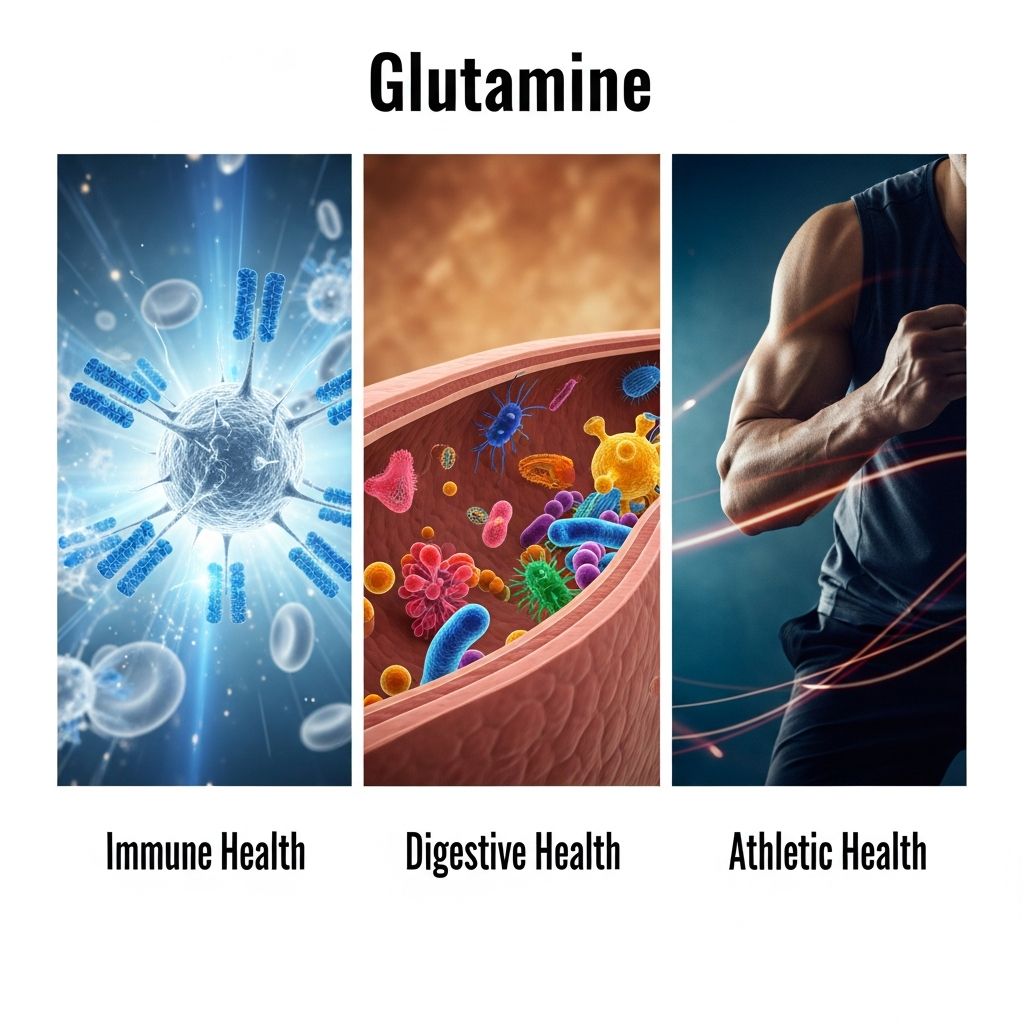
Understanding Glutamine: What It Is and Why It Matters
Glutamine is a non-essential amino acid produced naturally by your body and found in protein-rich foods. As a building block of protein, glutamine plays critical roles in immune function, digestive health, and muscle metabolism. Your body produces glutamine from other amino acids, but during periods of stress, illness, intense exercise, or injury, your body may not produce enough to meet its demands.
Skeletal muscle contains approximately 60% of the body’s glutamine stores, making it the most abundant free amino acid in your body. This distribution highlights glutamine’s importance for maintaining muscle function and supporting overall metabolic health, particularly during times of physical or physiological stress.
Glutamine and Immune System Support
One of the most important functions of glutamine is its role in supporting your immune system. Glutamine serves as a critical fuel source for immune cells, including white blood cells, lymphocytes, and macrophages. These immune cells rely heavily on glutamine for energy to grow, proliferate, and function efficiently in defending your body against infections and pathogens.
Research demonstrates that glutamine supplementation can provide significant immune benefits, particularly during times of physiological stress. In critically ill patients, glutamine supplementation has been shown to reduce the rate of infection and improve cell-mediated immunity. This effect appears to work through multiple mechanisms:
- Preventing depletion of glutathione, a critical antioxidant that protects against oxidative stress
- Decreasing production of pro-inflammatory cytokines in surgical and cancer patients
- Protecting against septic shock by maintaining cellular integrity
- Reducing stress hormone levels (cortisol) during periods of intense physical stress
During periods of intense physical activity or illness, your immune function may become compromised. Glutamine supplementation appears to help maintain immune cell energy and function during these demanding periods, supporting your body’s natural defense mechanisms.
Glutamine’s Role in Digestive and Gut Health
Glutamine is essential for maintaining a healthy digestive system and strong intestinal barrier. Your intestines represent a major component of your immune system, and glutamine plays a vital role in supporting this critical function.
Glutamine provides energy for intestinal cells known as enterocytes, which line your gastrointestinal tract. Beyond providing fuel, glutamine helps maintain the integrity of the intestinal barrier—the protective lining that prevents harmful bacteria and toxins from entering your bloodstream. This barrier function is crucial for preventing “leaky gut,” a condition where intestinal permeability allows unwanted substances to cross into circulation.
The intestinal barrier is your body’s first line of defense against pathogens and toxins. When this barrier is compromised, harmful substances can enter the bloodstream, potentially contributing to various disease processes. Glutamine supplementation helps strengthen these intestinal connections and supports normal growth and maintenance of intestinal cells.
Clinical research supports glutamine’s effectiveness for digestive health. A recent clinical trial showed that glutamine supplementation at 15 g/day combined with a low FODMAP diet significantly improved irritable bowel syndrome (IBS) symptoms and enhanced intestinal integrity. This finding suggests that glutamine may be particularly beneficial for individuals struggling with digestive disorders characterized by intestinal permeability issues.
Related Stories



Glutamine for Athletic Performance and Muscle Recovery
Glutamine supplementation can be particularly beneficial for athletes, as it helps reduce muscle damage and accelerate recovery from intense physical training. The high concentration of glutamine in skeletal muscle—approximately 60% of total body glutamine—underscores its importance for athletes and physically active individuals.
Research published in sports nutrition journals demonstrates measurable benefits for athletic recovery. One study found that basketball players taking 6 g/day of glutamine for 40 days showed significantly lower levels of muscle damage markers compared to placebo groups. This suggests that glutamine supplementation may help minimize muscle breakdown and support faster recovery between training sessions.
The mechanisms behind glutamine’s athletic benefits include:
- Reducing muscle protein breakdown during and after intense exercise
- Providing energy for muscle cells during demanding physical activity
- Supporting immune function during periods of intense training stress
- Protecting against elevated cortisol levels that can compromise recovery
- Enhancing intestinal integrity, which can be compromised during intense exercise
For elite athletes and those engaged in intense training programs, glutamine’s role in maintaining immune function during periods of physical stress is particularly relevant. Intense exercise can temporarily suppress immune function, potentially increasing infection risk. Glutamine supplementation appears to help mitigate this effect.
Glutamine and Long-Term Health Outcomes
Beyond immediate immune and digestive benefits, research suggests that adequate glutamine intake may influence long-term mortality risk. A large prospective study of US men and women found that higher dietary glutamine intake and higher glutamine-to-glutamate ratios were associated with decreased risk of total mortality, cardiovascular mortality, and cancer mortality.
This association remained significant even after accounting for traditional risk factors and other dietary factors. The study findings suggest that glutamine’s protective effects may extend beyond acute illness and recovery, potentially playing a role in chronic disease prevention and longevity.
In vitro and animal studies have documented multiple protective effects of glutamine, including protection of heart tissue from ischemic/reperfusion injury, improved glucose tolerance, reduced blood pressure, and attenuated inflammatory responses. Small clinical trials have further confirmed that glutamine supplementation could enhance myocardial repair and improve cardiovascular risk factors in patients with coronary heart disease or type 2 diabetes.
Clinical Applications in Hospital and Recovery Settings
Glutamine supplementation is routinely provided as part of clinical nutrition support for pre- and post-operative patients. Research demonstrates that glutamine supplementation reduces the rate of infection, inflammation, length of hospital stay, and mortality in critically ill patients.
The mechanisms supporting these clinical outcomes include:
- Improved gut barrier function, reducing translocation of harmful bacteria
- Enhanced immune cell function and proliferation
- Reduced production of pro-inflammatory molecules
- Protection against heat shock-induced cell death through increased heat shock protein (HSP 70) expression
Clinical research displays a strong association between glutamine supplementation and decreased mortality in trauma and seriously ill individuals. Additionally, glutamine has shown promise in assisting the immune system, lowering infection risks, and preventing or treating multiple organ dysfunction after injuries. This evidence has led to its incorporation into standard clinical nutrition protocols for post-operative and critically ill patients.
Glutamine Supplementation: Dosage and Safety
The recommended dose of glutamine varies depending on individual needs and the specific health condition being addressed. Consult with a healthcare professional before starting a glutamine supplement, as they can recommend an appropriate dosage based on your circumstances.
For athletic recovery, research has examined doses ranging from 6 g/day to higher amounts, with benefits observed in clinical studies. For digestive health applications, clinical trials have used doses of 15 g/day in combination with dietary modifications. For critically ill patients, glutamine is typically supplied as part of comprehensive nutritional support, with dosing determined by healthcare providers.
Current evidence suggests that glutamine supplementation appears to be safe in the short term. However, more research is needed on its long-term effects. Before taking a glutamine supplement, consider whether the reason for taking it is supported by current evidence.
Sources of Glutamine: Food vs. Supplementation
Your body naturally produces glutamine, and it is also found in many protein-rich foods. Dietary sources of glutamine include:
- Meat and poultry
- Fish and seafood
- Eggs
- Dairy products
- Legumes and beans
- Vegetables including cabbage, beets, and spinach
- Whole grains
Most people obtain adequate glutamine through a balanced diet containing sufficient protein. However, during periods of illness, injury, intense training, or significant physiological stress, dietary intake alone may not meet elevated demands, making supplementation potentially beneficial.
Key Considerations for Supplementation
While glutamine supplementation is frequently used as a sports supplement, most research does not support its effectiveness for enhancing athletic performance in all populations. However, evidence does support its use for specific applications including post-exercise recovery, immune support during intense training, and intestinal health maintenance.
The effectiveness of glutamine supplementation may depend on several factors:
- Timing: Glutamine may be most effective when taken around training sessions or during periods of physiological stress
- Dosage: Different conditions may require different doses; clinical trials have examined ranges from 6 g/day to 15 g/day
- Duration: Short-term safety is established, but long-term effects require further research
- Individual factors: Your baseline health status, stress level, and training intensity influence whether supplementation may be beneficial
Frequently Asked Questions About Glutamine
Q: Is glutamine essential or non-essential?
A: Glutamine is classified as a non-essential amino acid because your body can produce it from other amino acids. However, it becomes conditionally essential during periods of illness, injury, or intense physical stress when demand exceeds your body’s production capacity.
Q: Can I get enough glutamine from food alone?
A: Most people obtain adequate glutamine through a balanced diet containing sufficient protein from sources like meat, fish, eggs, dairy, and legumes. However, during periods of stress, illness, or intense training, supplementation may help meet elevated demands.
Q: What are the side effects of glutamine supplementation?
A: Short-term glutamine supplementation appears to be safe with minimal reported side effects in clinical trials. Long-term safety requires further research. As with any supplement, consult your healthcare provider before beginning supplementation.
Q: Is glutamine beneficial for athletes?
A: Yes, glutamine supplementation may be beneficial for athletes, particularly for reducing muscle damage markers and supporting recovery. However, research does not support benefits for all athletic populations or all performance outcomes.
Q: How much glutamine should I take?
A: Recommended doses vary by application and individual needs. Clinical studies have examined doses from 6 g/day for athletic recovery to 15 g/day for digestive health. Consult a healthcare professional for personalized dosage recommendations.
Q: Can glutamine help with IBS symptoms?
A: Research suggests that glutamine supplementation (15 g/day) combined with a low FODMAP diet significantly improved IBS symptoms and intestinal integrity in a clinical trial.
Q: Why is glutamine important for immune function?
A: Glutamine serves as a primary fuel source for immune cells including white blood cells, lymphocytes, and macrophages. Without adequate glutamine, these cells cannot produce energy to proliferate and function effectively in fighting infections.
References
- Glutamine as an Immunonutrient — PubMed Central, National Institutes of Health. 2012. https://pmc.ncbi.nlm.nih.gov/articles/PMC3220259/
- Dietary glutamine, glutamate and mortality: two large prospective cohorts — International Journal of Epidemiology, Oxford Academic Press. 2018. https://academic.oup.com/ije/article/47/1/311/4621367
- Glutamine: Benefits, Uses and Side Effects — Healthline. 2024. https://www.healthline.com/nutrition/glutamine
- Glutamine for athletes: improve performance and recovery — NDL Pro Health. 2024. https://ndlprohealth.com/en-us/blogs/tips/glutamine-for-athletes
- Glutamine for Digestive Health — Canadian Digestive Health Foundation. 2024. https://cdhf.ca/en/glutamine-for-digestive-health/
- Glutamine: Metabolism and Immune Function, Supplementation and Clinical Translational Applications — PubMed Central, National Institutes of Health. 2019. https://pmc.ncbi.nlm.nih.gov/articles/PMC6266414/
Similar Articles








Read full bio of Sneha Tete