Gluten-Free Grocery List: 9 Grains And Starches To Stock
Master your gluten-free shopping with this comprehensive guide to naturally gluten-free foods and pantry essentials.
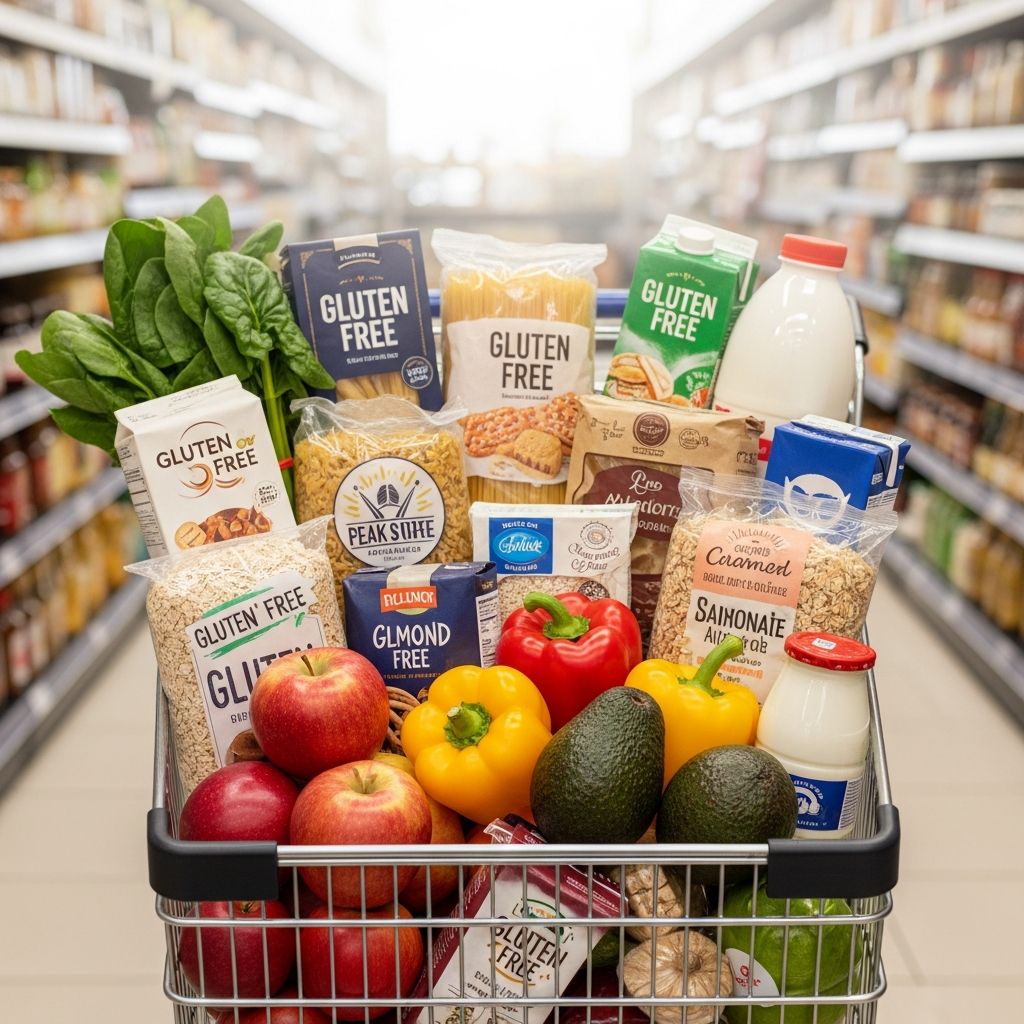
Building Your Gluten-Free Grocery List: A Comprehensive Guide
Transitioning to a gluten-free diet may initially seem overwhelming, but with proper planning and knowledge of naturally gluten-free foods, you can create a nutritious and satisfying grocery list that supports your health goals. Whether you have celiac disease, gluten sensitivity, or have simply chosen to reduce gluten intake, understanding which foods are safe and how to organize your shopping can make a significant difference in your success and enjoyment of this dietary approach.
Understanding Naturally Gluten-Free Foods
The foundation of any healthy gluten-free diet begins with naturally gluten-free whole foods. These are foods that contain no gluten in their natural state and require no special processing or certification. By focusing on these foods, you can enjoy a cost-effective and nutritious diet while minimizing the need for expensive specialty products.
Many single-ingredient foods are inherently gluten-free and should form the basis of your diet. These include:
- Fresh fruits and vegetables
- Milk, butter, and eggs
- Lentils and legumes
- Nuts and seeds
- Fresh fish and poultry
- Honey and water
These whole foods provide essential nutrients, vitamins, and minerals while being naturally free from gluten contamination when properly handled and prepared.
Gluten-Free Grains and Starches
One of the most important components of your gluten-free grocery list involves selecting appropriate grains and starchy foods. Many grains are naturally gluten-free and can serve as excellent alternatives to wheat, barley, and rye. These grains may be purchased intact or ground into flour for baking and cooking purposes.
Essential Gluten-Free Grains to Add to Your List:
- Rice – White, brown, and wild rice varieties are all naturally gluten-free and versatile for various dishes
- Corn – Available as whole corn, polenta, grits, or corn flour
- Quinoa – A complete protein grain that offers all essential amino acids
- Buckwheat – Despite its name, buckwheat groats (kasha) contain no gluten and are highly nutritious
- Millet – A mild-flavored grain suitable for various preparations
- Amaranth – An ancient grain with impressive nutritional value
- Sorghum – A hearty grain option for diverse meal preparations
- Teff – A tiny grain from Ethiopia with a nutty flavor
- Gluten-Free Oats – Certified gluten-free oats are safe for most individuals with celiac disease, though consultation with your physician or dietitian is recommended
Gluten-Free Flours and Flour Alternatives
Baking and cooking with gluten-free ingredients requires understanding the various flour options available. Unlike wheat flour, gluten-free flours have different properties and often require adjustments to recipes. Having several flour varieties on hand allows you to create diverse meals and baked goods.
Common Gluten-Free Flours:
- Soy flour
- Potato starch (not potato flour)
- Tapioca starch or flour
- Garbanzo bean flour
- Arrowroot flour
- Nut flours – almond flour and other nut-based options
Many individuals find success using a commercially prepared gluten-free flour blend, which combines multiple flour types to approximate the baking properties of wheat flour. If you prefer to create your own blend, a basic recipe includes one cup potato starch, one cup soya flour, half cup tapioca flour, and half teaspoon xanthan gum, which equals one cup of regular flour in most recipes.
Related Stories



Proteins and Legumes
Protein is essential for maintaining muscle mass, supporting immune function, and keeping you satisfied between meals. Fortunately, numerous naturally gluten-free protein sources are available for your grocery list.
Quality Protein Options:
- Fresh meats and poultry – beef, chicken, turkey, and lamb
- Fresh fish and seafood – all varieties are naturally gluten-free
- Eggs – versatile and nutrient-dense
- Legumes – beans, lentils, chickpeas, and split peas
- Nuts – walnuts, cashews, almonds, and others
- Seeds – sunflower, flax, and chia seeds
- Tofu – a plant-based protein option
Avoid processed meats that may contain gluten-containing binders or fillers. Focus instead on fresh, unprocessed protein sources whenever possible.
Fruits and Vegetables
All fruits and vegetables in their natural, unprocessed state are naturally gluten-free. These should comprise a significant portion of your grocery list, as they provide essential vitamins, minerals, fiber, and phytonutrients.
Fresh Produce to Include:
- Root vegetables and tubers: potatoes, sweet potatoes, carrots, and beets
- Citrus fruits: oranges, lemons, limes, and grapefruits
- Melons: cantaloupe, honeydew, and watermelon
- Berries: strawberries, raspberries, and blueberries
- Tropical fruits: pineapple, mango, and kiwi
- Stone fruits: peaches, plums, and apricots
- Apples and pears
- Leafy greens and vegetables: spinach, lettuce, broccoli, bell peppers, and mushrooms
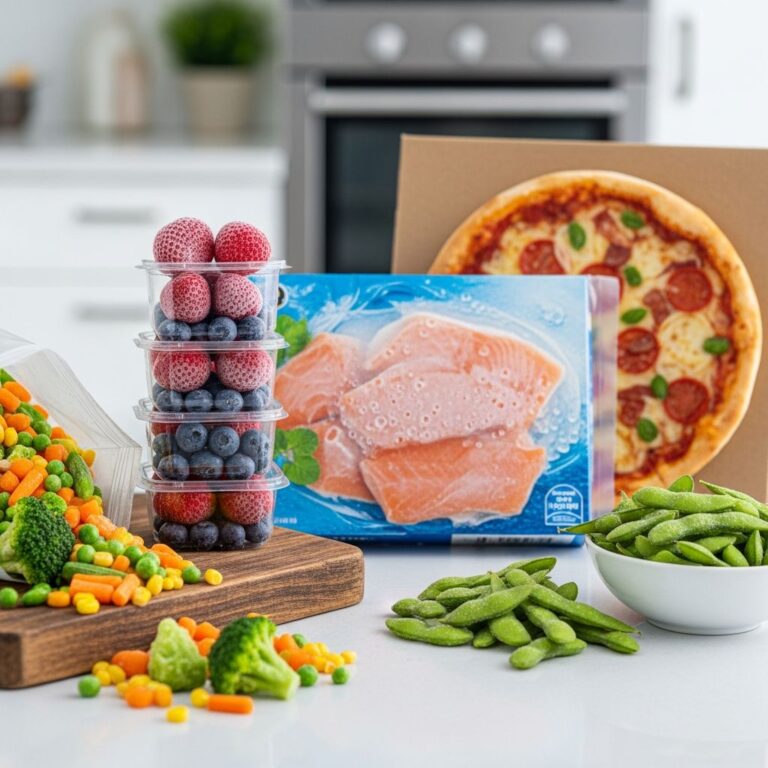
When shopping for produce, select items that are fresh and unprocessed. Frozen vegetables without added ingredients are also excellent gluten-free options and can be more economical.
Dairy and Eggs
Dairy products and eggs are naturally gluten-free and provide important nutrients including calcium, protein, and vitamins. Most plain dairy products without added ingredients are safe for a gluten-free diet.
Dairy and Egg Staples:
- Milk – various types (cow, almond, oat, etc.)
- Butter
- Yogurt – plain varieties without added gluten-containing ingredients
- Cheese
- Eggs – one of nature’s most versatile foods
When selecting yogurt and other flavored dairy products, check labels carefully as some may contain gluten-containing thickeners or additives.
Pantry Staples and Essentials
Building a well-stocked gluten-free pantry ensures you have the ingredients on hand to prepare quick, nutritious meals without relying on processed convenience foods. These staple items form the backbone of your gluten-free kitchen.
Core Pantry Items:
- Various rice types – brown, white, sushi, and arborio
- Dried beans in multiple varieties – pinto, kidney, black, and chickpeas
- Lentils – red, yellow, brown, and French varieties
- Gluten-free pasta made from brown rice or other gluten-free grains
- Gluten-free bread – many grocery stores offer fresh or frozen options
- Dried fruits – raisins, cranberries, and others
- Gluten-free broth – chicken, vegetable, and beef varieties
- Cooking oils – olive, coconut, and vegetable oils
- Vinegars – white vinegar and apple cider vinegar (avoid malt vinegar)
- Honey and natural sweeteners
Foods to Avoid When Building Your Gluten-Free Grocery List
While many foods are naturally gluten-free, others contain gluten from wheat, barley, rye, or related grains and must be avoided. Understanding what to exclude from your list is as important as knowing what to include.
Foods Containing Gluten to Avoid:
- Bread, cereals, pasta, and pastries made with wheat flour
- Products containing barley, including malt and brewer’s yeast
- Foods with rye, spelt, kamut, triticale, or bulgur
- Many processed foods with hydrolyzed vegetable protein (HVP) or modified food starch from gluten-containing sources
- Malt vinegar
- Many processed and packaged foods without specific gluten-free certification
Understanding Labels and Certifications
When shopping for packaged foods, reading labels carefully is essential. Look for products specifically labeled as gluten-free, and check ingredient lists for any gluten-containing items. Be aware that some foods processed in facilities that also handle gluten may pose contamination risks.
When selecting oats, ensure they are certified gluten-free, as conventional oats are often contaminated with wheat during harvesting and processing. Before including oats in your diet, consult with your physician or dietitian to ensure they are appropriate for your individual health situation.
Smart Shopping Strategies for Budget-Conscious Shoppers
Following a gluten-free diet does not have to be expensive. By focusing on naturally gluten-free whole foods rather than specialty products, you can maintain excellent nutrition while managing costs effectively. Rice, corn, and potatoes serve as affordable, naturally gluten-free bases for any meal.
Purchase grains and legumes in bulk when possible, as they are more economical than specialty gluten-free products. Fresh fruits and vegetables are often less expensive than processed alternatives and provide superior nutritional value.
Frequently Asked Questions
Q: Are all oats gluten-free?
A: Pure oats are naturally gluten-free; however, they are often contaminated during harvesting and processing. Choose certified gluten-free oats, and consult with your healthcare provider before including them in your diet.
Q: What is xanthan gum and why is it important in gluten-free baking?
A: Xanthan gum is a natural thickener that helps replace the binding properties that gluten provides in traditional baking. It helps gluten-free baked goods hold together properly and achieve better texture.
Q: Can I eat all fruits and vegetables on a gluten-free diet?
A: Yes, all fresh, unprocessed fruits and vegetables are naturally gluten-free. However, be cautious with packaged vegetable products that may contain gluten-containing sauces or additives.
Q: What are the most affordable gluten-free staples?
A: Rice, corn, potatoes, beans, lentils, and eggs are all naturally gluten-free and economical options that should form the foundation of your gluten-free grocery list.
Q: How can I prevent cross-contamination in my kitchen?
A: Designate separate cooking utensils, storage containers, and preparation surfaces for gluten-free foods. Be mindful of shared condiments and spreads that may have come into contact with gluten-containing products.
Q: Are specialty gluten-free products necessary for a healthy diet?
A: No. While convenient, specialty gluten-free products are not necessary. A diet based on naturally gluten-free whole foods like fruits, vegetables, lean proteins, and gluten-free grains provides excellent nutrition and is more cost-effective.
Q: What should I look for on food labels when shopping gluten-free?
A: Look for the gluten-free certification label, check ingredient lists for wheat, barley, or rye, and be aware of potential cross-contamination warnings. Avoid products containing modified food starch or hydrolyzed plant protein from gluten-containing sources.
Conclusion: Creating Your Perfect Gluten-Free Grocery List
Building a gluten-free grocery list is a manageable task when you focus on naturally gluten-free whole foods rather than relying solely on specialty products. By including a variety of fresh fruits, vegetables, lean proteins, gluten-free grains, legumes, dairy products, and eggs, you can create nutritious, delicious meals that support your health goals.
The key to success is educating yourself about which foods are naturally gluten-free, reading labels carefully, and planning your meals ahead of time. With this comprehensive guide to building your gluten-free grocery list, you are well-equipped to navigate the grocery store with confidence and create meals that nourish your body and delight your taste buds.
References
- Gluten-Free Foods — Celiac Disease Foundation. Accessed January 2026. https://celiac.org/gluten-free-living/gluten-free-foods/
- Gluten-Free Diet for Celiac Disease — UMass Memorial Health. Accessed January 2026. https://www.ummhealth.org/health-library/gluten-free-diet-for-celiac-disease
- Celiac Awareness Month: What to Eat with Celiac Disease — United Digestive. Accessed January 2026. https://www.uniteddigestive.com/celiac-awareness-month-what-to-eat-with-celiac-disease/
- Gluten-Free Diet: Building the Grocery List — Academy of Nutrition and Dietetics. Accessed January 2026. https://www.eatright.org/health/health-conditions/celiac-disease/the-gluten-free-diet-building-the-grocery-list
- Gluten-Free Diet for Celiac Patients — Cleveland Clinic. Accessed January 2026. https://my.clevelandclinic.org/health/diseases/21841-celiac-disease
- Gluten-Free Pantry Essentials — Gluten Intolerant Group. Accessed January 2026. https://gluten.org/resources/
- How to Build a Gluten-Free Grocery List — Whole Foods Market. Accessed January 2026. https://www.wholefoodsmarket.com/special-diets/gluten-free/gluten-free-grocery-list
Similar Articles








Read full bio of Sneha Tete