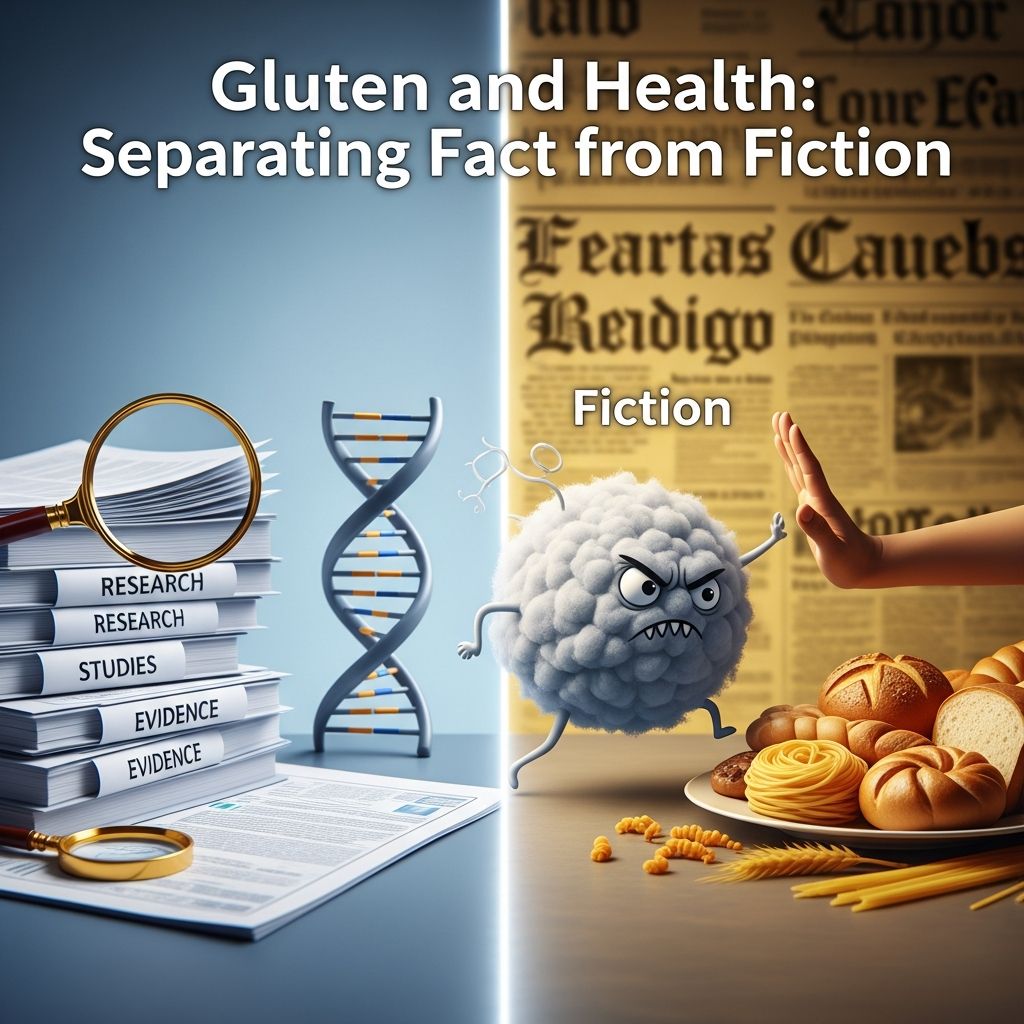
Gluten and Health: Separating Fact from Fiction
Discover the real health effects of gluten and whether ditching it benefits your wellness journey.
Understanding Gluten: What You Need to Know
Gluten is a protein found naturally in wheat, rye, barley, and related grains. For the vast majority of people, gluten poses no health concerns and serves as a valuable source of nutrients. However, the rise of gluten-free products and the popularization of gluten-free diets have led many to believe that eliminating gluten is universally beneficial for health. The reality is more nuanced than the marketing suggests.
A small percentage of the population—approximately 1-2% of Americans—have celiac disease, a serious autoimmune condition where consuming gluten triggers an immune response that damages the small intestine. Additionally, up to 6% of people experience non-celiac gluten sensitivity, which causes gastrointestinal discomfort but without the intestinal damage characteristic of celiac disease. For these individuals, a gluten-free diet is medically necessary. However, for the remaining 92-97% of the population without these conditions, current research does not support eliminating gluten for general health improvement.
The Gluten-Free Food Industry: A Booming Market
Despite being necessary for only a small percentage of the population, gluten-free products have become a multi-billion dollar industry. Market research indicates that sales of gluten-free products have topped $12 billion, driven largely by consumers without celiac disease or gluten sensitivity. This expansion reflects aggressive marketing that often conflates the medical necessity for those with gluten disorders with supposed general health benefits for the wider population.
The problem with this marketing narrative is that it oversimplifies complex nutritional science. Many gluten-free processed foods are not inherently healthier than their gluten-containing counterparts. In fact, they often contain higher amounts of sugar, refined starches, and unhealthy fats to compensate for texture and palatability issues created by the absence of gluten.
Gluten and Type 2 Diabetes Risk
Research has revealed surprising findings about gluten consumption and diabetes risk. A comprehensive 30-year observational study examining nearly 200,000 participants found that those who consumed the most gluten had a 13% lower risk of developing type 2 diabetes compared to those with the lowest gluten consumption. This finding challenges the assumption that reducing gluten provides health benefits for disease prevention.
The protective effect observed was largely attributable to the fiber content in whole grains containing gluten. When researchers accounted for cereal fiber intake—a known protective factor for diabetes—the relationship remained significant. Study participants who ate less gluten tended to eat less dietary fiber overall, which contributed to their higher diabetes risk. This highlights an important principle: eliminating gluten-containing foods without ensuring adequate fiber intake from alternative sources can actually increase chronic disease risk.
Gluten-Free Diets and Nutrient Deficiencies
One significant concern with gluten-free diets for people without celiac disease is the potential for nutrient deficiencies. Research examining people with celiac disease on strict gluten-free diets found inadequate intakes of several essential nutrients:
- Fiber
- Iron
- Calcium
- B vitamins (thiamin, riboflavin, niacin, and folate)
Gluten-free cereal products are particularly problematic, as they often lack the nutrient density of whole grain products containing gluten. Without careful planning and supplementation, individuals on gluten-free diets may develop nutritional gaps that compromise overall health. For people without celiac disease who choose to avoid gluten, ensuring adequate nutrient intake requires deliberate food selection and potentially professional nutritional guidance.
Related Stories



Heart Disease Risk and Whole Grain Consumption
A landmark 2017 study examining over 100,000 participants without celiac disease found a significant association between avoiding gluten and increased heart disease risk. The mechanism behind this relationship appears to be reduced consumption of whole grains, which contain gluten and provide substantial cardiovascular protection.
Numerous studies have consistently demonstrated that individuals consuming 2-3 servings of whole grains daily, compared with those eating fewer than 2 servings, experience significantly lower rates of:
- Heart disease and stroke
- Type 2 diabetes development
- All-cause mortality
By eliminating gluten-containing whole grains without adequate replacement with other whole grain sources, people risk losing these documented cardiovascular benefits. For individuals without gluten disorders, whole wheat, regular oats, and other gluten-containing whole grains remain among the healthiest food options available.
Weight Management and Gluten-Free Diets
Contrary to popular belief, gluten-free diets are not effective for weight loss in people without celiac disease. Research examining the relationship between gluten consumption and body weight found no evidence supporting weight loss benefits from gluten elimination. In fact, some studies suggest the opposite pattern.
People with celiac disease who begin a gluten-free diet sometimes experience weight gain or increased BMI, potentially due to several factors:
- Improved nutrient absorption once intestinal damage begins to heal
- Reduced gastrointestinal discomfort leading to increased appetite
- Increased consumption of processed gluten-free foods high in calories, sugar, and unhealthy fats
For weight management, the key factor is total calorie intake and the nutritional quality of foods consumed, not whether those foods contain gluten. Many commercially available gluten-free products are calorie-dense and nutrient-poor, making them poor choices for weight-conscious consumers.
When Gluten Is Problematic
While gluten is safe and beneficial for most people, it does cause serious problems for those with gluten-related disorders. In celiac disease, consuming gluten triggers an autoimmune response where the body’s immune cells attack the protein, creating inflammation in the small intestine. This inflammatory response can cause damage ranging from mild symptoms to severe intestinal damage and malnutrition.
The good news is that removing gluten from the diet can reverse much of this damage. A gluten-free diet is the primary medical treatment for celiac disease, and adherence to this diet typically leads to healing of the intestinal lining and resolution of symptoms. For the small population with celiac disease or gluten sensitivity, gluten elimination is not optional—it is medically essential.
Navigating a Gluten-Free Diet: Best Practices
For individuals who do require a gluten-free diet due to celiac disease or gluten sensitivity, successful management requires understanding which foods contain gluten and how to ensure adequate nutrient intake. Gluten is found not only in obvious sources like bread and pasta but also in hidden sources such as:
- Sauces (soy sauce, malt vinegar)
- Processed foods (maltodextrin, wheat starch additives)
- Cross-contaminated oats
Naturally gluten-free whole foods that can form the foundation of a nutritious gluten-free diet include fruits, vegetables, legumes, nuts, seeds, fish, eggs, and poultry. Several whole grains are also inherently gluten-free, including rice, quinoa, corn, and certified gluten-free oats. A registered dietitian can provide valuable guidance for those newly diagnosed with celiac disease or gluten sensitivity, helping them navigate food selection and ensure nutritional completeness.
The Role of Whole Grains in Health
For individuals without gluten disorders, maintaining adequate whole grain consumption remains one of the most evidence-based recommendations for chronic disease prevention. Whole grains containing gluten provide not only calories and carbohydrates but also fiber, B vitamins, minerals, and phytochemicals that contribute to optimal health.
A balanced approach to gluten and grain consumption involves:
- Choosing whole grains over refined grains whenever possible
- Including gluten-containing whole grains as part of a diverse grain intake
- Limiting added sugars and processed foods
- Consuming adequate fiber from multiple sources
This approach is supported by decades of nutrition research and represents the dietary pattern associated with the lowest risk of chronic disease and optimal longevity.
Debunking Brain Health and Inflammation Claims
Claims that gluten negatively affects brain health or increases inflammation in people without gluten disorders are not supported by scientific evidence. While gluten-related inflammation is a real concern for individuals with celiac disease, there is no evidence that gluten consumption causes inflammation or cognitive problems in people without diagnosed gluten disorders.
These claims often appear in marketing materials for gluten-free products but do not reflect current scientific understanding. Individuals concerned about brain health and cognitive function would be better served by focusing on established protective factors such as regular physical activity, cognitive engagement, adequate sleep, and consumption of antioxidant-rich foods.
Key Takeaways About Gluten and Health
Current evidence leads to several clear conclusions about gluten consumption and health:
- For people without celiac disease or gluten sensitivity, there is no evidence that gluten elimination provides health benefits
- Gluten-free diets may increase the risk of nutrient deficiencies and chronic disease if whole grains are not replaced with nutritious alternatives
- Whole grains containing gluten provide documented cardiovascular and metabolic protection
- Gluten-free processed foods often contain high amounts of sugar, refined starch, and unhealthy fats
- For the small percentage with celiac disease or gluten sensitivity, strict gluten avoidance is medically necessary and effective
Frequently Asked Questions About Gluten
Q: Is gluten bad for everyone?
A: No. Gluten poses no health problems for approximately 92-97% of the population. Only those with celiac disease, wheat allergy, or gluten sensitivity need to avoid it. For others, whole grains containing gluten provide significant health benefits.
Q: Will eliminating gluten help me lose weight?
A: There is no evidence that gluten-free diets are effective for weight loss in people without celiac disease. Weight management depends on overall calorie intake and food quality, not gluten content. In fact, many gluten-free processed foods are higher in calories and sugar than their regular counterparts.
Q: Can gluten-free diets cause nutrient deficiencies?
A: Yes, poorly planned gluten-free diets can lead to deficiencies in fiber, iron, calcium, and B vitamins. Those requiring gluten-free diets should work with a registered dietitian to ensure adequate nutrient intake from alternative whole foods and fortified products.
Q: Do whole grains containing gluten increase inflammation?
A: No, not for people without celiac disease. Current evidence does not support that eating gluten increases inflammation in the brain or affects brain health in those without diagnosed gluten disorders. Whole grains actually have anti-inflammatory properties.
Q: What should I eat if I need to avoid gluten?
A: Focus on naturally gluten-free whole foods: fruits, vegetables, legumes, nuts, seeds, fish, eggs, and poultry. Include gluten-free whole grains like rice, quinoa, and certified gluten-free oats. Minimize processed gluten-free products, which are often high in sugar and unhealthy fats.
Q: Can a gluten-free diet reverse celiac disease damage?
A: Yes. For those with celiac disease, adhering to a strict gluten-free diet allows the intestinal lining to heal and symptoms to resolve. Gluten-free diets are the primary medical treatment for celiac disease.
References
- Low gluten diets linked to higher risk of type 2 diabetes — American Heart Association. 2017-03-09. https://www.sciencedaily.com/releases/2017/03/170309120626.htm
- Diet Review: Gluten-Free for Weight Loss — Harvard T.H. Chan School of Public Health, The Nutrition Source. 2024. https://nutritionsource.hsph.harvard.edu/healthy-weight/diet-reviews/gluten-free-diet-weight-loss/
- Gluten: A Benefit or Harm to the Body? — Harvard T.H. Chan School of Public Health, The Nutrition Source. 2024. https://nutritionsource.hsph.harvard.edu/gluten/
Similar Articles








Read full bio of medha deb