Gluten Sensitivity Explained: Symptoms, Diagnosis, Management
Discover symptoms, diagnosis methods, and practical strategies for managing gluten sensitivity effectively in daily life.
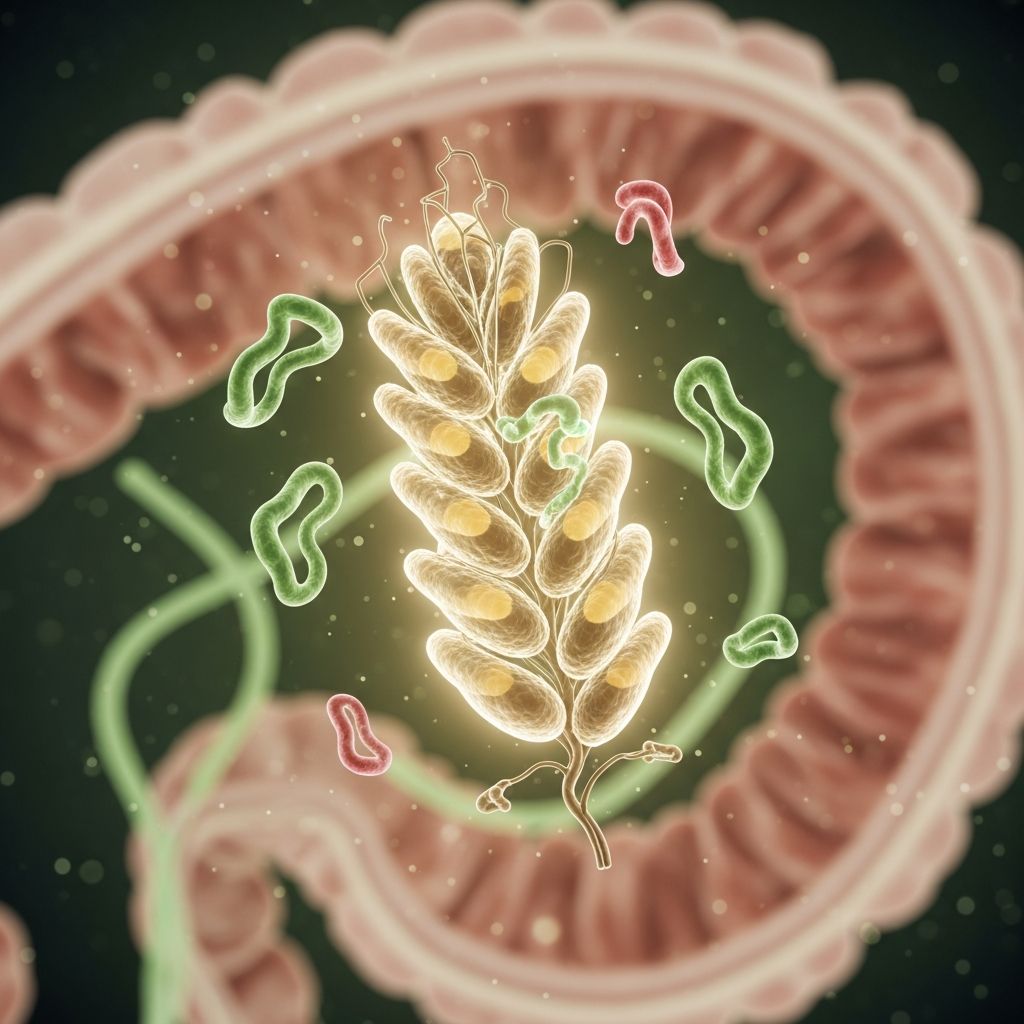
Gluten sensitivity, also known as non-celiac gluten sensitivity (NCGS), affects many individuals who experience discomfort after consuming gluten-containing foods. Unlike celiac disease or wheat allergy, it involves adverse reactions without autoimmune damage or immediate allergic responses. This condition prompts a range of digestive and systemic symptoms, necessitating careful dietary adjustments for relief.
Understanding What Gluten Sensitivity Means
Gluten is a protein composite found in wheat, barley, rye, and their derivatives, providing elasticity to dough. In sensitive individuals, ingestion triggers symptoms without the intestinal villi damage seen in celiac disease. Research suggests possible culprits include fermentable carbohydrates like FODMAPs or alterations in gut permeability, allowing bacterial byproducts to provoke inflammation.
The prevalence remains unclear due to diagnostic challenges, but estimates indicate it impacts a notable portion of the population seeking gastrointestinal relief. Unlike allergies, which involve IgE-mediated responses, or celiac’s T-cell driven autoimmunity, NCGS diagnosis relies on symptom exclusion after ruling out other disorders.
Recognizing the Signs of Gluten Sensitivity
Symptoms typically emerge hours to days post-ingestion and vary widely in intensity. Common manifestations include:
- Digestive distress: Bloating, gas, abdominal pain, diarrhea, or constipation often dominate, mimicking irritable bowel syndrome (IBS).
- Systemic effects: Chronic fatigue, headaches, joint or bone pain, and muscle aches disrupt daily functioning.
- Neurological symptoms: Brain fog, mood swings, anxiety, depression, or neuropathy like tingling in extremities.[10]
- Skin and other issues: Rashes, anemia, or unexplained weight changes may occur.
These overlap with celiac disease, where gluten provokes immune-mediated small intestine damage, leading to nutrient malabsorption, diarrhea, fatigue, and growth issues in children. Wheat allergy, conversely, causes rapid-onset hives, swelling, or anaphylaxis via IgE pathways.
| Condition | Key Symptoms | Mechanism | Onset |
|---|---|---|---|
| Gluten Sensitivity (NCGS) | Bloating, fatigue, brain fog, joint pain | Unknown; possibly gut fermentation or permeability | Hours to days |
| Celiac Disease | Diarrhea, weight loss, anemia, villi damage | Autoimmune intestinal destruction | Days to weeks |
| Wheat Allergy | Hives, swelling, anaphylaxis | IgE-mediated allergy | Minutes to hours |
This table highlights distinctions aiding initial self-assessment, though professional evaluation is essential.
How Gluten Sensitivity Develops
Exact causes elude full comprehension. Theories posit innate low-grade inflammation, impaired gut barrier function, or reactions to wheat components beyond gluten, such as amylase-trypsin inhibitors. Genetic factors may predispose some, akin to celiac’s HLA-DQ2/DQ8 associations, yet NCGS lacks specific markers.
Stress, infections, or microbiome dysbiosis might trigger onset, with higher risks in those with IBS, fibromyalgia, or migraines. Unlike celiac, no definitive biomarkers exist, complicating research.
Steps to Accurate Diagnosis
Diagnosis commences with thorough medical history and symptom review. Providers exclude celiac via serology (anti-tissue transglutaminase IgA) and, if positive, biopsy; wheat allergy through skin prick or IgE tests.
For suspected NCGS, an elimination diet removes gluten for 4-6 weeks, followed by monitored reintroduction. Symptom recurrence confirms sensitivity. Additional tests rule out IBS, lactose intolerance, or small intestinal bacterial overgrowth (SIBO). Consult dietitians for nutritional monitoring during trials.
Challenges arise from symptom overlap and placebo effects; thus, structured challenges under supervision yield reliability.
Related Stories



Managing Life with Gluten Sensitivity
No pharmacological cure exists; a strict gluten-free diet (GFD) is the cornerstone, eliminating wheat, barley, rye, and hybrids like triticale. Naturally gluten-free foods—fruits, vegetables, meats, dairy, rice, quinoa—form the base.
Practical adoption strategies:
- Scrutinize labels for hidden gluten in sauces, soups, and processed items.
- Avoid cross-contamination via dedicated utensils and toasters.
- Incorporate gluten-free grains: oats (certified), corn, millet.
- Work with dietitians to avert deficiencies in fiber, B vitamins, iron.
Probiotics may alleviate bloating by bolstering gut flora; digestive enzymes show preliminary promise but require further validation.
Navigating a Gluten-Free Diet Successfully
Transitioning demands vigilance. Stock pantries with safe staples: almond flour, coconut products, certified gluten-free breads.
Meal ideas:
- Breakfast: Smoothie with berries, spinach, yogurt; gluten-free oats with nuts.
- Lunch: Quinoa salad with veggies, chickpeas, olive oil dressing.
- Dinner: Grilled salmon, sweet potatoes, steamed broccoli.
- Snacks: Popcorn, fruit, nut butter on rice cakes.
Dining out? Request gluten-free menus, inquire about preparation. Apps track safe options.
Nutritional pitfalls include low fiber and micronutrients; supplement judiciously under guidance. Recent advancements yield palatable gluten-free products under 20 ppm gluten, per FDA standards.
Distinguishing from Related Conditions
Celiac demands lifelong GFD to heal intestines and avert complications like osteoporosis, lymphoma. Undiagnosed, it risks malnutrition. Wheat allergy may resolve, treated acutely with epinephrine.
NCGS lacks long-term sequelae but impairs quality of life; GFD suffices without biopsy confirmation.
Potential Complications and Monitoring
Untreated sensitivity fosters chronic inflammation, nutrient gaps, or worsened comorbidities. Regular check-ins track symptom resolution, weight, and labs (e.g., ferritin, vitamin D).
Psychological impacts—frustration from social eating—warrant support groups.
Frequently Asked Questions (FAQs)
Can gluten sensitivity develop later in life?
Yes, triggers like illness or stress may onset anytime.
Is a gluten-free diet healthy for everyone?
Not necessarily; without medical need, it risks deficiencies. Confirm diagnosis first.
How strict must the diet be for NCGS?
Strict as celiac to fully resolve symptoms; trace amounts provoke reactions.
Do probiotics help gluten sensitivity?
They may ease digestive symptoms by supporting microbiota.
Can I eat oats on a GFD?
Certified gluten-free oats only, to avoid contamination.
Long-Term Outlook and Lifestyle Integration
Most achieve symptom relief on GFD, enhancing vitality. Education empowers label reading, recipe adaptation. Family involvement eases adherence. Periodic dietitian reviews ensure balance.
Research evolves; future therapies might include enzyme supplements or microbiome modulators, but GFD remains gold standard.
References
- Gluten Intolerance: Symptoms, Treatments, and Tips to Manage — HealthXchange.sg. 2023. https://www.healthxchange.sg/how-to-manage/food-tips/eight-dietary-tips-gluten-intolerance
- What Are the Symptoms of Gluten Intolerance? — GoodRx. 2024-01-15. https://www.goodrx.com/well-being/diet-nutrition/gluten-intolerance-causes-diagnosis-treatment
- Gluten Intolerance: Symptoms and Treatment — Cleveland Clinic. 2024-05-20. https://my.clevelandclinic.org/health/diseases/21622-gluten-intolerance
- Coeliac disease and gluten sensitivity — Better Health Channel (Vic.gov.au). 2023-11-10. https://www.betterhealth.vic.gov.au/health/conditionsandtreatments/coeliac-disease-and-gluten-sensitivity
- Gluten-related disorders and celiac disease — Health Canada (Canada.ca). 2023-06-01. https://www.canada.ca/en/health-canada/services/food-allergies-intolerances/gluten-related-disorders-celiac-disease.html
- Celiac disease – Symptoms and causes — Mayo Clinic. 2024-09-12. https://www.mayoclinic.org/diseases-conditions/celiac-disease/symptoms-causes/syc-20352220
Similar Articles








Read full bio of Sneha Tete