Glyburide For Diabetes: Dosage, Side Effects, Safety
Comprehensive guide to glyburide (Glynase) for managing type 2 diabetes: dosage, side effects, precautions, and more.
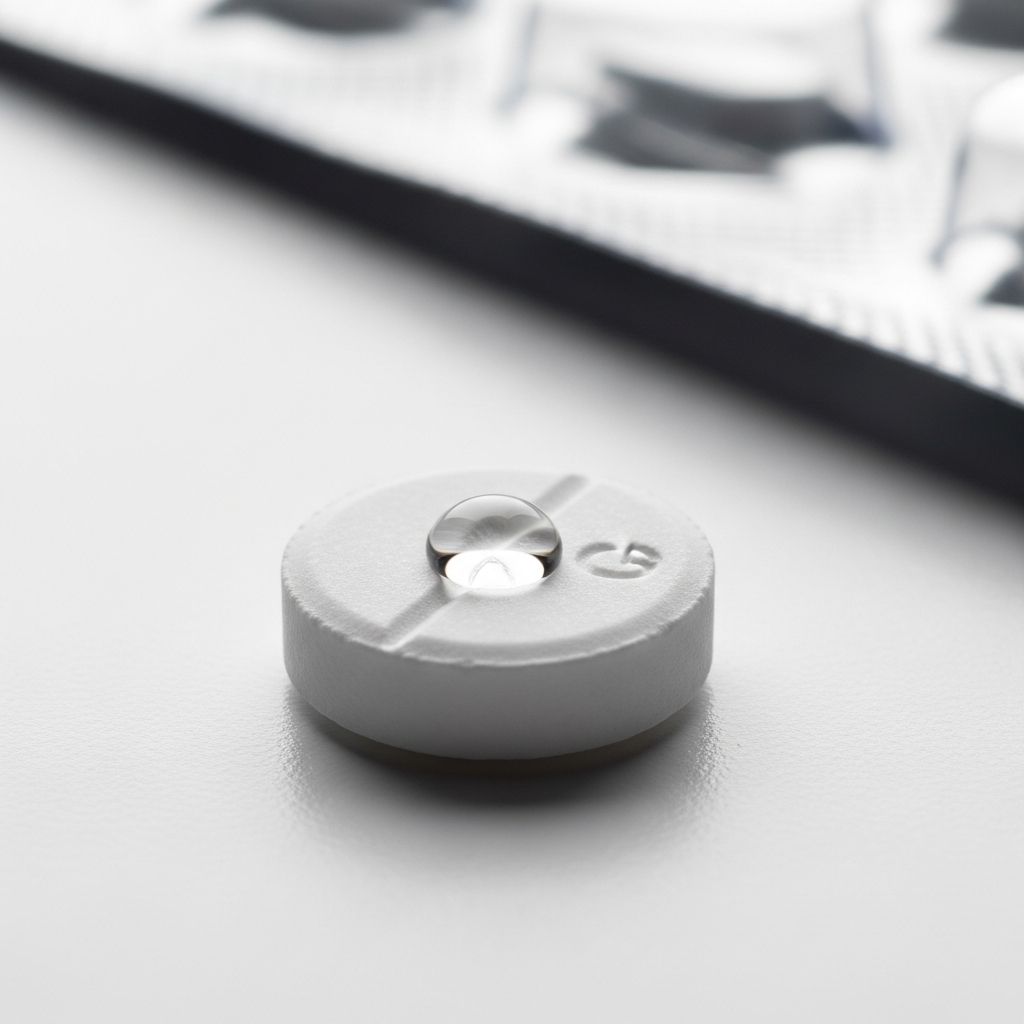
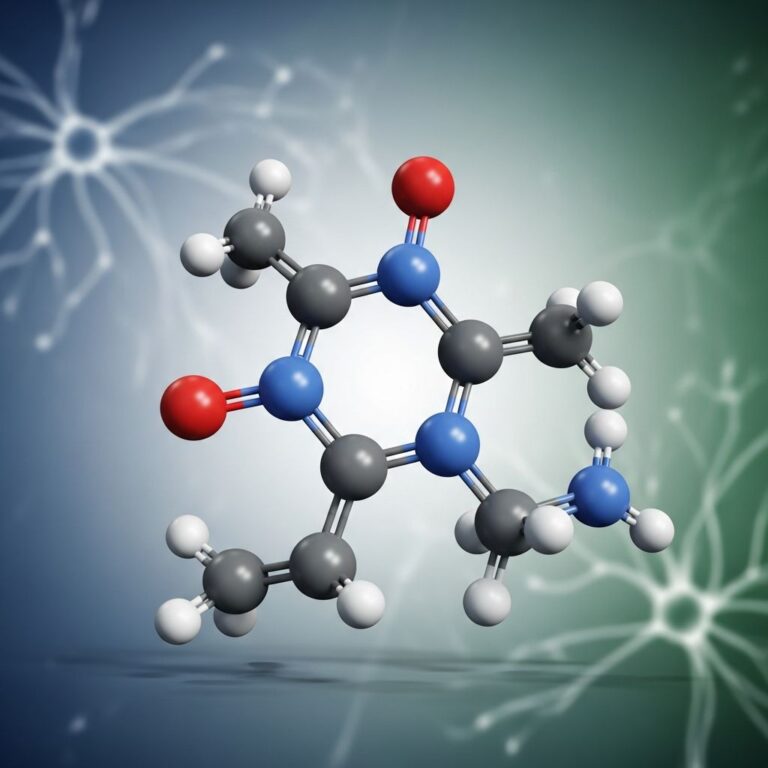
Glyburide, also known as Glynase or glibenclamide, is a second-generation sulfonylurea medication specifically used to treat type 2 diabetes mellitus. It helps lower high blood sugar levels by stimulating the pancreas to release more insulin, making it an essential adjunct to diet and exercise for many patients.
| Type of medicine | A sulfonylurea antidiabetic medicine |
|---|---|
| Used for | Type 2 diabetes mellitus |
| Also called | Glynase®; Glucovance® (glyburide with metformin) |
| Available as | Tablets (1.25 mg, 2.5 mg, 5 mg) |
About glyburide
Insulin is a vital hormone produced by the pancreas that regulates blood sugar (glucose) levels. In type 2 diabetes, the body either does not produce enough insulin or fails to use it effectively, leading to elevated glucose levels. Chronic high blood sugar can cause serious complications, including heart disease, kidney damage, nerve issues, and vision problems.
Good blood sugar control is crucial to minimize these risks. While lifestyle changes like diet and exercise form the foundation of management, medications such as glyburide are often necessary. Glyburide belongs to the sulfonylurea class, which works by binding to receptors on pancreatic beta cells, blocking potassium channels, and triggering insulin release. This action lowers blood glucose effectively, particularly after meals.
Glyburide is FDA-approved for type 2 diabetes as an adjunct to diet and exercise. It is not suitable for type 1 diabetes, where no insulin is produced, or diabetic ketoacidosis. According to the 2023 American Diabetes Association (ADA) Standards of Care, sulfonylureas like glyburide are recommended for patients not achieving HbA1c targets with first-line therapies, especially those without cardiovascular disease or chronic kidney issues.
It is available as generic tablets and in combination with metformin (e.g., Glucovance), reducing pill burden. Typical dosing starts low to avoid hypoglycemia, with effects noticeable beyond 10-15 mg daily being minimal.
How to take glyburide tablets
Always follow your doctor’s instructions and read the patient information leaflet provided with the medication. The usual starting dose is 5 mg once daily, taken with or immediately after breakfast to minimize stomach upset and align with meals for better glucose control.
Your doctor will monitor blood sugar levels and may adjust the dose gradually, typically increasing by 2.5 mg weekly if needed. Maximum daily dose is 20-40 mg, often divided into twice-daily doses with meals if exceeding 10 mg. Space doses evenly, e.g., breakfast and evening meal.
- Swallow tablets whole with water.
- Take with food to reduce gastrointestinal side effects.
- Do not crush or chew unless specified.
- Miss a dose? Take it as soon as remembered unless near next dose; do not double up.
- Regular blood tests (e.g., HbA1c, fasting glucose) guide adjustments every 2-4 weeks.
Important: Non-micronized and micronized formulations are not bioequivalent; retitrate dose when switching. Elderly patients or those with renal impairment may need lower starting doses (e.g., 1.25-2.5 mg) due to higher hypoglycemia risk.
Combine with a balanced diet low in refined sugars and regular exercise (at least 150 minutes weekly moderate activity) for optimal results. Weight monitoring is advised, as sulfonylureas can cause gain.
Related Stories



Getting the most from your treatment
To maximize glyburide’s benefits:
- Diet: Follow a diabetes-friendly meal plan emphasizing whole grains, vegetables, lean proteins, and healthy fats. Limit sugars and carbs; use portion control.
- Exercise: Aim for daily activity like walking, swimming, or cycling to improve insulin sensitivity.
- Monitoring: Check blood glucose regularly, especially when starting or adjusting doses. Target fasting levels 80-130 mg/dL and post-meal <180 mg/dL per ADA guidelines.
- Lifestyle: Maintain healthy weight, avoid alcohol excess (increases hypoglycemia risk), and manage stress.
- Follow-up: Attend regular check-ups for HbA1c (every 3-6 months), kidney/liver function, and cardiovascular risk assessment.
If targets aren’t met, your doctor may add metformin, GLP-1 agonists, or insulin. Never stop abruptly without advice, as rebound hyperglycemia can occur.
Common questions about glyburide
Glyburide effectively controls type 2 diabetes but requires vigilance against side effects.
How long does it take to work?
Effects begin within hours, peaking in 2-3 hours, with full glycemic control in 1-2 weeks. Steady-state HbA1c reduction (1-2%) occurs over months.
Can I drive while taking it?
Yes, but hypoglycemia can impair alertness. Recognize symptoms early and carry glucose sources.
Does it interact with other drugs?
Yes; beta-blockers mask symptoms, NSAIDs prolong effects, alcohol heightens risks. Inform your doctor of all medications.
Side-effects of glyburide tablets
Most side effects are mild, but hypoglycemia (low blood sugar) is the most serious, affecting up to 20% of users, especially elderly or renally impaired. Symptoms include shakiness, sweating, hunger, dizziness, confusion, palpitations, and pale skin. Severe cases lead to seizures or coma—treat immediately with 15g fast carbs (glucose tabs, juice), recheck in 15 min.
| Common (1-10%) | Serious (rare) |
|---|---|
| Stomach upset, nausea, heartburn | Hypoglycemia |
| Weight gain (2-3 kg average) | Allergic rash, jaundice |
| Headache, dizziness | Hematologic (anemia, thrombocytopenia) |
| Low blood sugar symptoms | SIADH (hyponatremia) |
Other effects: GI intolerance (5-10%), rash (1.6%). Long-term: possible cardiovascular risks, though debated. Report persistent issues to your doctor.
How to cope with side effects of glyburide
- Hypoglycemia: Keep glucose sources handy; eat regular meals. Adjust dose if recurrent.
- Stomach upset: Take with food; avoid spicy/fatty meals.
- Weight gain: Monitor diet/exercise; consider metformin combo.
- Skin rash: Antihistamines; seek medical help if severe.
- Always: Contact doctor if symptoms worsen or new ones appear.
Cautions of glyburide tablets
Glyburide has contraindications and risks:
- Do not use if: Type 1 diabetes, ketoacidosis, allergy to sulfonylureas, severe kidney/liver/thyroid disease.
- Caution in: Elderly, G6PD deficiency (hemolysis risk), heart failure, pregnancy (category C; avoid in 1st trimester).
- Pregnancy: Switch to insulin near term. Breastfeeding: Enters milk; monitor infant glucose.
- Alcohol: Increases hypoglycemia; limit intake.
Other medicines, food and glyburide
Glyburide interacts widely:
- Increase effects: Beta-blockers, salicylates, MAOIs, fibrates, fluconazole.
- Decrease effects: Rifampin, thiazides, corticosteroids.
- Food: No major issues; consistent carbs aid control.
- OTC: Avoid aspirin excess; check with pharmacist.
Discuss all drugs/supplements with your healthcare team.
Alternatives to glyburide
| Medication Class | Examples | Pros/Cons vs Glyburide |
|---|---|---|
| Biguanides | Metformin | Weight neutral, CV benefits; GI side effects. |
| DPP-4 Inhibitors | Sitagliptin | Low hypo risk; less potent. |
| SGLT2 Inhibitors | Empagliflozin | CV/renal protection; UTI risk. |
| GLP-1 Agonists | Semaglutide | Weight loss; injectable/expensive. |
| Other Sulfonylureas | Glipizide, Gliclazide | Similar; shorter half-life. |
Choice depends on patient profile per ADA guidelines.
Frequently Asked Questions (FAQs)
What if I forget a dose?
Take as soon as possible unless near next dose. Never double. Consistent timing aids control.
Can glyburide cause weight gain?
Yes, average 2-3 kg due to insulin-driven appetite. Counter with diet/exercise.
Is glyburide safe in kidney disease?
No; contraindicated in severe cases. Use alternatives; monitor creatinine.
How does glyburide differ from insulin?
Oral stimulant vs injectable replacement. Glyburide relies on endogenous insulin.
What are signs of overdose?
Severe hypoglycemia: confusion, seizures. Seek emergency care; glucagon may be needed.
References
- Glyburide – StatPearls — M.D. Hardin et al. NCBI Bookshelf. 2023-04-10. https://www.ncbi.nlm.nih.gov/books/NBK545313/
- Glyburide for diabetes (Glynase PresTab) — Patient.info. 2023. https://patient.info/medicine/glyburide-for-diabetes-glynase
- Glyburide (oral route) — Mayo Clinic. 2023-11-01. https://www.mayoclinic.org/drugs-supplements/glyburide-oral-route/description/drg-20072094
- Glyburide: MedlinePlus Drug Information — MedlinePlus. 2023-05-15. https://medlineplus.gov/druginfo/meds/a684058.html
- Pr pms-GLYBURIDE Product Monograph — Health Canada. 2023. https://pdf.hres.ca/dpd_pm/00016940.PDF
- DiaBeta (glyburide) FDA Label — U.S. FDA. 2009-08-14. https://www.accessdata.fda.gov/drugsatfda_docs/label/2009/017532s030lbl.pdf
Similar Articles








Read full bio of Sneha Tete