Glycemic Index and Glycemic Load: The Lowdown
Master blood sugar control: Understanding glycemic index and load for better health.
The Lowdown on Glycemic Index and Glycemic Load
When it comes to managing your health and weight, understanding how different foods affect your blood sugar is essential. Two important tools for evaluating carbohydrates are glycemic index (GI) and glycemic load (GL). While many people focus solely on calories or fat content, the quality and type of carbohydrates you consume play a crucial role in determining how your body responds. Whether you’re managing diabetes, trying to lose weight, or simply seeking better overall health, learning about these concepts can help you make smarter food choices that support sustained energy levels and reduce disease risk.
Understanding Carbohydrates and Blood Sugar
How Carbohydrates Affect Your Body
All carbohydrates break down into glucose (sugar) during digestion, which then enters your bloodstream. This process raises your blood sugar level, providing energy for your cells and brain. However, not all carbohydrates affect your blood sugar in the same way. The speed and magnitude of this blood sugar rise differ significantly depending on the carbohydrate source.
When you consume carbohydrates alone, your blood sugar can rise quickly. In contrast, when you eat carbohydrates with protein and fat, the rise in blood sugar occurs more gradually over 6 to 8 hours. This difference matters greatly for your health. Rapid blood sugar spikes trigger your body to release hormones like insulin, adrenaline, and cortisol, which can lead to several negative effects including increased fatigue, stress, weight gain, and inflammation. Over time, these responses contribute to chronic diseases such as type 2 diabetes and heart disease.
The Blood Sugar Rollercoaster
When blood sugar rises too quickly, it tends to drop just as rapidly. These dramatic fluctuations create what experts call a “blood sugar rollercoaster.” This cycle has profound effects on your body and mind: your energy crashes, cravings intensify, and inflammation increases. Perhaps most problematically, the hunger that follows these crashes often leads to consuming more carbohydrates, perpetuating a vicious cycle of poor food choices and continued hunger.
What is Glycemic Index?
Glycemic index (GI) measures how quickly a carbohydrate-containing food raises blood sugar levels compared to pure glucose. Specifically, it indicates how much a carbohydrate increases blood sugar within 2 hours of eating. Foods that cause a higher rise in blood sugar have a higher glycemic index, while foods that cause a slower, more gradual rise have a lower glycemic index.
The GI scale typically ranges from 0 to 100, with glucose itself assigned a value of 100. Foods are generally categorized as follows:
| GI Category | GI Value | Examples |
|---|---|---|
| Low GI | 0-55 | Most fruits, vegetables, legumes, whole grains |
| Medium GI | 56-69 | Whole wheat bread, brown rice, sweet potato |
| High GI | 70-100 | White bread, processed cereals, sugary drinks |
The Limitation of Glycemic Index
While glycemic index provides valuable information, it has a significant limitation: it doesn’t account for serving size. For example, watermelon has a relatively high glycemic index, but you would need to eat a very large portion to significantly impact your blood sugar. This is where glycemic load becomes essential.
Related Stories



What is Glycemic Load?
Glycemic load (GL) combines both the quality and quantity of carbohydrates in a food. It adjusts the glycemic index by accounting for the actual amount of carbohydrates in a typical serving size. This measurement provides a more practical and realistic view of how a food will actually affect your blood sugar.
To calculate glycemic load, multiply a food’s glycemic index by the grams of carbohydrates in one serving, then divide by 100. The result indicates the true impact of eating that food in normal portions.
Interpreting Glycemic Load Values
Similar to glycemic index, glycemic load is categorized into ranges:
| GL Category | GL Value | Recommendation |
|---|---|---|
| Low GL | Less than 10 | Green light – eat freely |
| Moderate GL | 10-19 | Yellow light – limit portions |
| High GL | 20 or more | Red light – avoid or minimize |
Fiber: The Key to Lower Glycemic Response
One critical factor that explains why some carbohydrates have lower glycemic values than others is dietary fiber. Low glycemic foods tend to be high in soluble fiber, which slows down digestion and glucose absorption, preventing sharp blood sugar spikes. In contrast, high glycemic foods are typically low in fiber, making them less healthy choices.
A practical example illustrates this difference perfectly. A whole orange has a low glycemic load because it provides an excellent balance of natural sugar (fructose) and fiber. The fiber content slows down how quickly the sugar enters your bloodstream. Orange juice, however, removes the fiber and concentrates the sugar, resulting in a much higher glycemic load. The same principle applies to whole grains versus refined grains: the processing that removes fiber dramatically increases the glycemic impact.
Practical Guidelines for Managing Glycemic Load
Making Smarter Carbohydrate Choices
Understanding glycemic index and load empowers you to make better food decisions. Here’s how to apply this knowledge:
Replace high glycemic load foods with low glycemic load alternatives. For instance, swap white bread for whole grain bread, white rice for brown rice or quinoa, and sugary cereals for steel-cut oatmeal. These substitutions maintain the carbohydrate content your body needs for energy while dramatically reducing the blood sugar impact.
Combine carbohydrates with protein and healthy fats. This strategy significantly moderates blood sugar response. Adding peanut butter to whole grain toast, eating beans with brown rice, or combining fruit with nuts all slow glucose absorption and provide sustained energy.
Focus on whole foods rather than processed options. Processing typically removes fiber and increases glycemic response. Whole fruits and vegetables, legumes, and intact whole grains should form the foundation of your carbohydrate intake.
Using Online Resources and Apps
Many online tools and mobile applications now provide glycemic index and glycemic load information for thousands of foods. These resources can be invaluable for learning which foods fit your dietary goals, though looking up individual items can become tedious. Many people find it helpful to focus on general principles rather than obsessing over specific numbers for every food choice.
Health Benefits and Disease Prevention
Weight Management
Low glycemic load foods foster weight loss through several mechanisms. They provide more stable energy levels, reducing cravings and overeating. They also tend to be more filling and satisfying, helping you feel full with fewer calories. The absence of dramatic blood sugar swings means your body isn’t converting excess energy to fat storage.
Type 2 Diabetes Prevention and Management
Diets with high glycemic load and low fiber content significantly increase the risk of type 2 diabetes. People with diabetes must concentrate on low glycemic index foods because their bodies either cannot produce sufficient insulin or have become resistant to it. Faster glucose release from high glycemic index foods leads to dangerous spikes in blood sugar levels. In contrast, the slow and steady glucose release from low glycemic foods helps maintain good glucose control.
Cardiovascular Health
Beyond diabetes prevention, managing glycemic load contributes to heart health. High blood sugar spikes trigger inflammation throughout the body, a key driver of cardiovascular disease. By maintaining stable blood sugar through low glycemic load foods, you reduce systemic inflammation and associated heart disease risk.
Athletic Performance Considerations
Interestingly, high glycemic index foods have appropriate uses in specific contexts. Long-distance runners and endurance athletes may favor high glycemic index foods after intense exercise to rapidly replenish depleted muscle glycogen stores and support recovery. This represents one situation where rapid glucose delivery is beneficial rather than problematic.
Real-World Food Examples
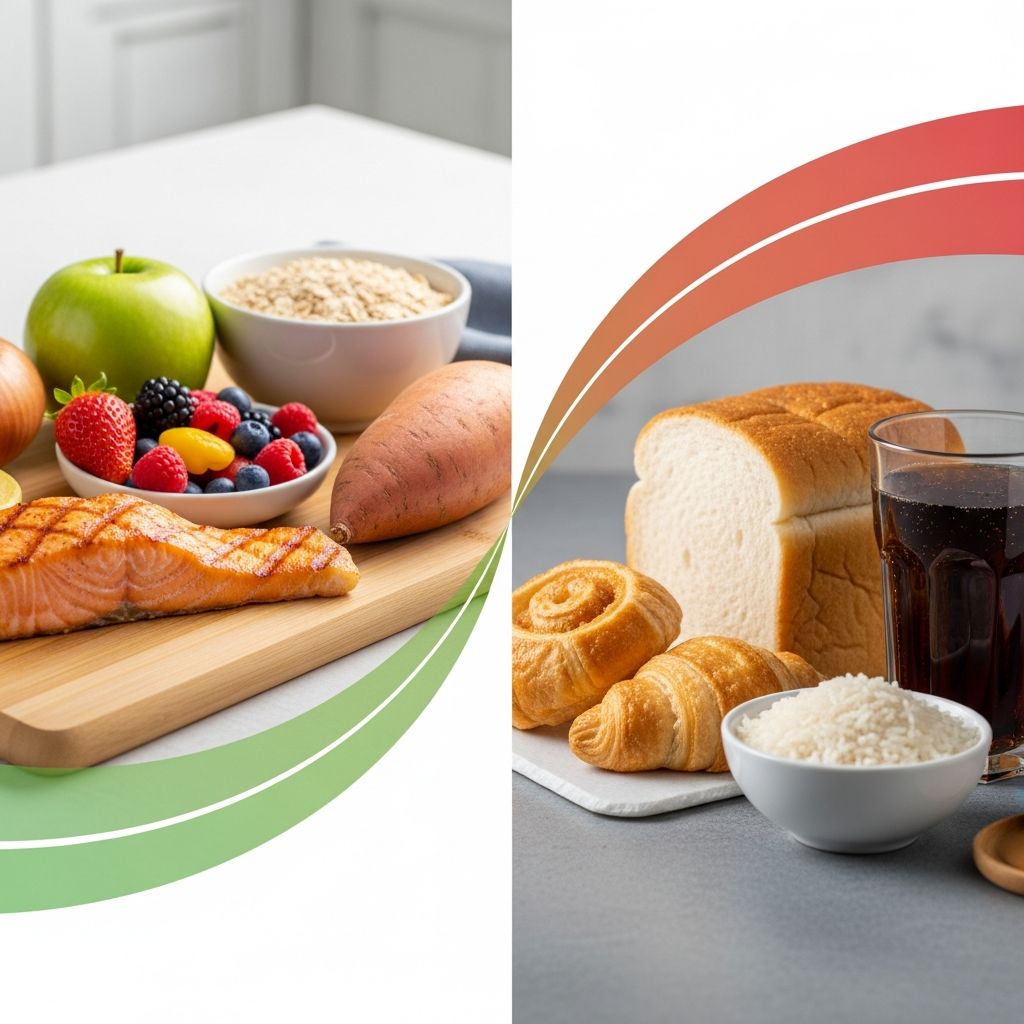
High Glycemic Load Foods (Red Light)
These foods should be avoided or minimized in your regular diet:
White wheat bread (GI: 75), cornflakes cereal (GI: 81), white rice, processed snack foods, sugary beverages, and candy. These items lack the fiber that slows glucose absorption, leading to rapid blood sugar spikes.
Moderate Glycemic Load Foods (Yellow Light)
These can be consumed in controlled portions as part of a balanced diet:
Whole wheat bread (GI: 74), specialty grain bread (GI: 53), brown rice, sweet potatoes, and regular pasta. While better than refined options, portion control remains important.
Low Glycemic Load Foods (Green Light)
These foods should form the foundation of your carbohydrate intake:
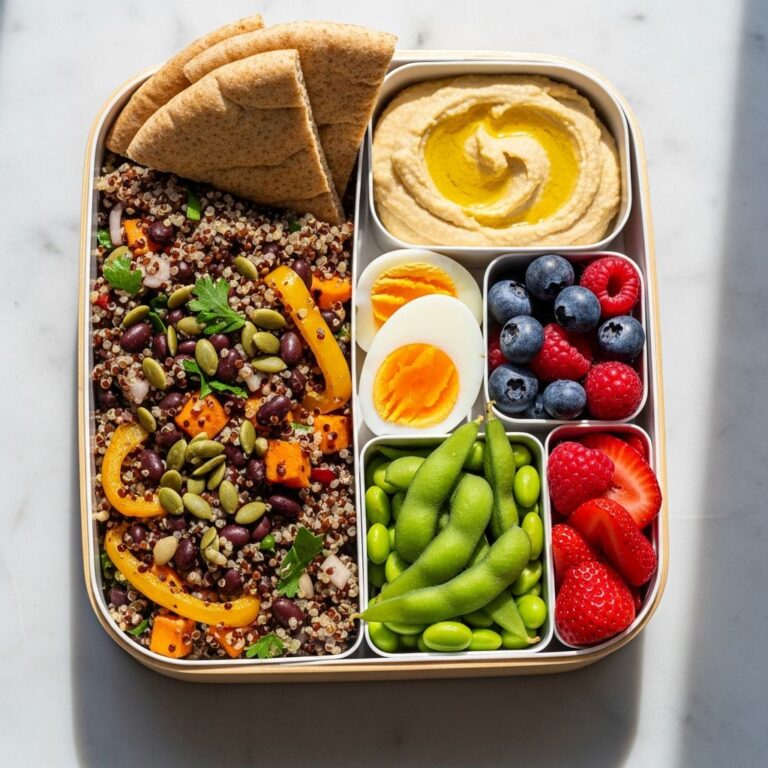
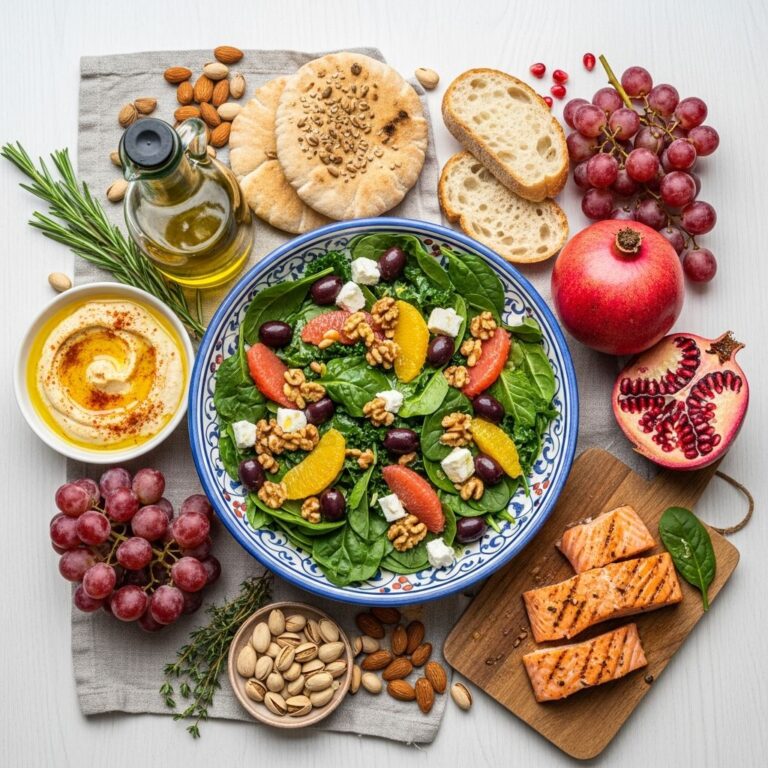
Most vegetables (carrots, leafy greens, broccoli), most fruits (apples, berries, oranges), legumes (beans, lentils), steel-cut oats, nuts, and seeds. These provide sustained energy, excellent nutrition, and minimal blood sugar disruption.
The Science Behind the Recommendations
Recent peer-reviewed research confirms that glycemic index and glycemic load represent important determinants of chronic disease risk. While some health organizations have emphasized fiber and whole grains, the evidence demonstrates that GI and GL should be considered alongside these factors when assessing the health value of carbohydrate-rich foods. A comprehensive approach utilizing all these measurements provides the most complete picture of dietary quality.
Frequently Asked Questions
Q: Is it better to follow glycemic index or glycemic load?
A: Glycemic load is generally more useful for practical food choices because it accounts for serving size. However, both metrics provide valuable information. Using them together offers the most complete picture of how foods affect your blood sugar.
Q: Can I eat fruit if I’m trying to manage blood sugar?
A: Yes, whole fruits are excellent choices despite containing natural sugars. The fiber content moderates blood sugar response. Avoid fruit juices, which remove fiber and concentrate the sugar.
Q: Do I need to track glycemic load for every food I eat?
A: No. Once you understand general principles—choosing whole grains, including fiber, combining carbs with protein and fat, and limiting processed foods—you can make healthy choices without constant calculation.
Q: How quickly will I see health benefits from managing glycemic load?
A: Many people notice improvements in energy levels and appetite within days to weeks. More significant health markers like weight loss and blood sugar control typically show measurable improvement within 4-8 weeks of consistent dietary changes.
Q: Are there any downsides to eating low glycemic load foods?
A: Low glycemic load foods are consistently nutrient-dense and beneficial. The primary adjustment is simply learning which foods fit this category and restructuring meal planning accordingly.
Conclusion
Understanding glycemic index and glycemic load provides powerful tools for optimizing your nutrition and health. By choosing carbohydrates that release glucose slowly and steadily, you maintain stable energy levels, reduce disease risk, support weight management, and improve overall well-being. The concept is straightforward: think of it like traffic lights. Green light low glycemic load foods you can eat freely. Yellow light moderate glycemic load foods require portion awareness. Red light high glycemic load foods should be minimized or avoided.
The shift toward lower glycemic load eating doesn’t require perfection or constant monitoring. Small consistent changes—choosing whole grains over refined, adding fiber-rich vegetables to meals, combining carbohydrates with protein and healthy fats—accumulate into significant health improvements. Whether your goal is preventing diabetes, losing weight, boosting energy, or simply living healthier, managing glycemic load represents one of the most evidence-based and effective dietary strategies available.
References
- Dietary Fiber, Glycemic Load, and Risk of NIDDM in Men — Diabetes Care, American Diabetes Association. 1997-04. https://diabetesjournals.org/care/article/20/4/545/22262/Dietary-Fiber-Glycemic-Load-and-Risk-of-NIDDM-in
- Perspective on the health value of carbohydrate-rich foods: glycemic index and load; fiber and whole grains — American Journal of Clinical Nutrition, Oxford University Press. 2024-09-01. https://pubmed.ncbi.nlm.nih.gov/39232600/
- Carbohydrates and Your Health: Glycemic Index, Glycemic Load, and Blood Sugars — U.S. Department of Veterans Affairs Whole Health Program. 2018-07-12. https://www.va.gov/WHOLEHEALTH/veteran-handouts/docs/CarbsandYourHealthWtLoss-Final508-07-12-2018.pdf
Similar Articles








Read full bio of medha deb