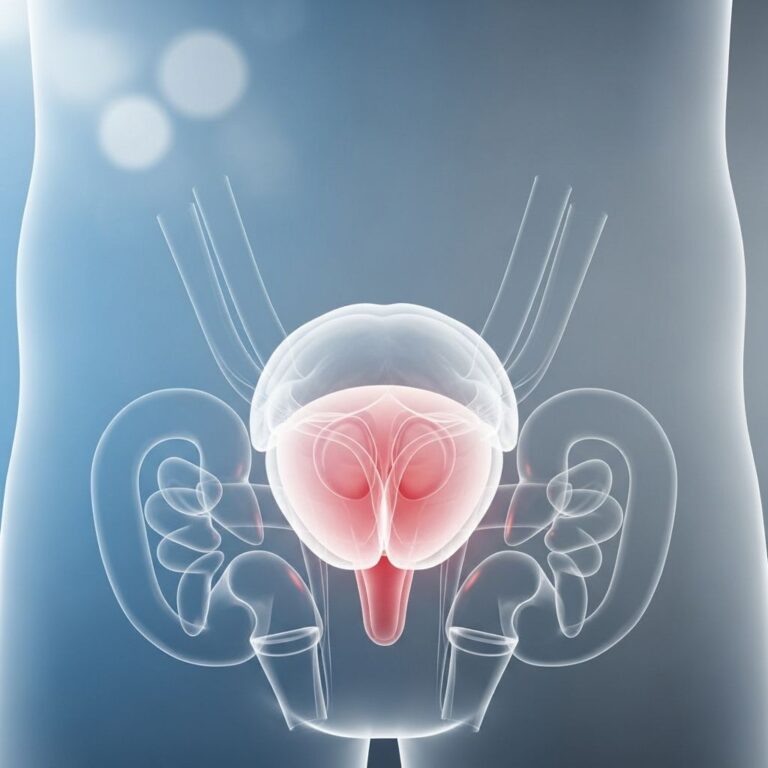
Glyceryl Trinitrate Rectal Ointment (Rectogesic)
Effective relief for chronic anal fissure pain through targeted muscle relaxation and improved blood flow.
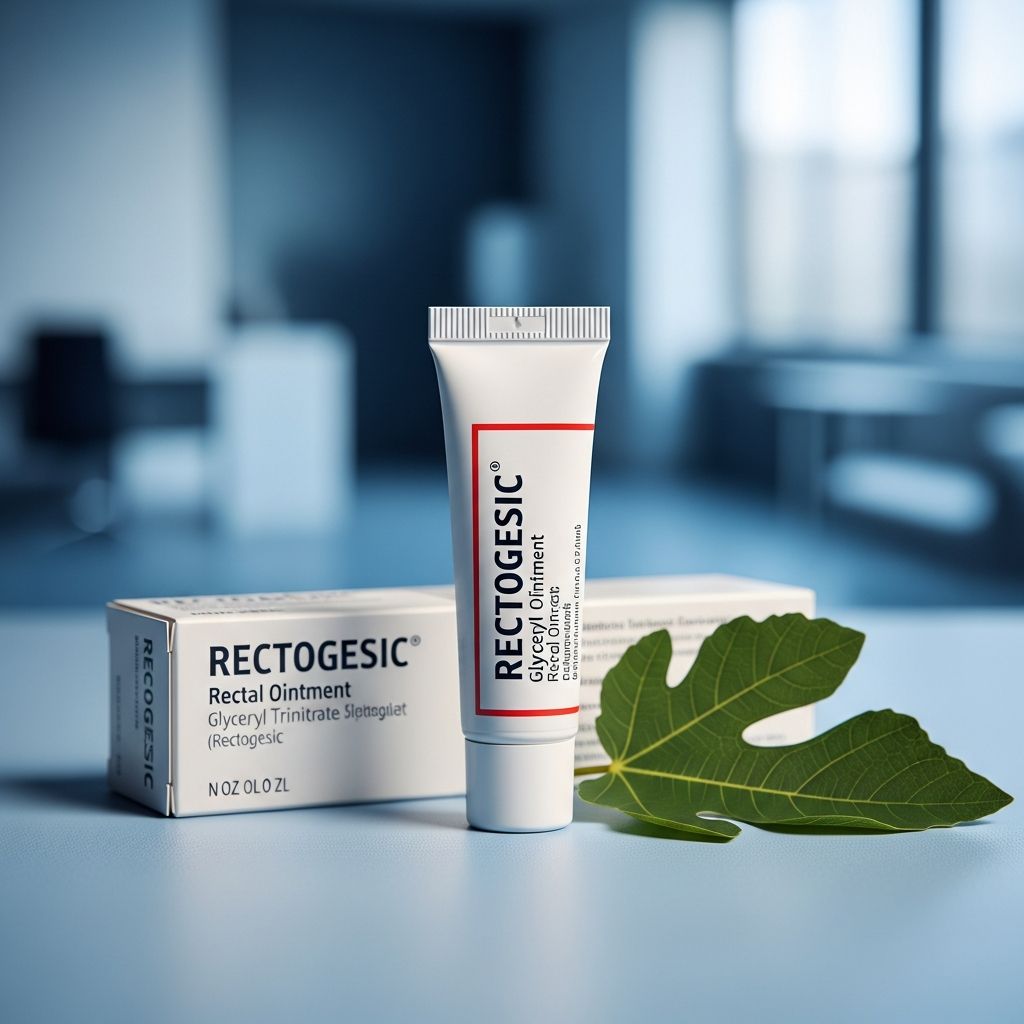
About Glyceryl Trinitrate Rectal Ointment
Glyceryl trinitrate rectal ointment, commonly known as
Rectogesic 4 mg/g
, is a topical medication specifically designed to treatchronic anal fissures
in adults. An anal fissure is a painful tear in the lining of the anal canal, often caused by passing hard stools or straining during bowel movements. This condition can lead to severe pain, bleeding, and discomfort during defecation, significantly impacting quality of life.The active ingredient,
glyceryl trinitrate (GTN)
, belongs to a class of medicines called organic nitrates. When applied rectally, it works by relaxing the internal anal sphincter muscle, which reduces pressure in the anal canal and promotes increased blood flow to the affected area. This dual action not only alleviates pain but also facilitates healing of the fissure by improving oxygen and nutrient delivery to the damaged tissue.Rectogesic is available as a 4 mg/g strength ointment, meaning each gram contains 4 mg of GTN. The standard dose delivers approximately 1.5 mg of GTN per application, making it a targeted therapy for this condition. Unlike oral nitrates used for angina, this rectal formulation is exclusively for local anal use and should not be confused with other GTN products. Clinical evidence shows that about 7 in 10 people experience fissure healing with GTN ointment over 8 weeks, outperforming traditional treatments like warm baths alone.
Key Facts
- Strength: 4 mg/g (0.4% GTN)
- Indication: Pain relief and healing in chronic anal fissures (adults only)
- Dosage: ~375 mg ointment (2.5 cm line) twice daily
- Duration: Typically 8 weeks, as directed by a doctor
- Mechanism: Relaxes anal sphincter, boosts blood flow
Before Using Rectogesic
Consult your doctor before starting
Rectogesic
to ensure it is suitable for your condition. This ointment is prescribed for chronic anal fissures that have persisted beyond 6-8 weeks and have not responded to conservative measures like dietary changes or stool softeners.Do Not Use If:
- You are allergic to GTN or other nitrates
- You have low blood pressure or are taking PDE-5 inhibitors (e.g., sildenafil for erectile dysfunction)
- You have severe anemia, glaucoma, or recent heart attack
- It is for a child or young person (unlicensed in pediatrics)
Precautions:
- Pregnancy/Breastfeeding: Limited data; use only if benefits outweigh risks. Inform your doctor if pregnant or planning pregnancy.
- Driving/Operating Machinery: Headaches may impair alertness; avoid until effects are known.
- Interactions: Avoid with Viagra/Cialis, other vasodilators, or alcohol, as they can cause severe hypotension.
Inform your doctor of any medical history, including hypotension, thyroid disorders, or recent use of erectile dysfunction medications. GTN can cause a drop in blood pressure, leading to dizziness.
How to Use Rectogesic
Always follow your doctor’s instructions and the patient information leaflet.
Rectogesic is for rectal use only
—do not swallow or apply to other skin areas.Standard Dosage
Related Stories



The usual dose is
375 mg of ointment
(about 1.5 mg GTN), measured using the2.5 cm dosing line
on the carton, appliedevery 12 hours
(twice daily). Treatment typically lasts 8 weeks, but your doctor may adjust based on response.Step-by-Step Application
- Wash the anal area gently with water and pat dry. Avoid talcum powder or soaps that may irritate.
- Wear a disposable finger cot or use plastic wrap/glove on your index finger.
- Squeeze ointment onto the finger up to the 2.5 cm mark.
- Gently insert finger to the first joint (about 1 cm) into the anal canal and spread ointment evenly.
- Remove finger, dispose of cot/wrap safely (not in toilet), and wash hands thoroughly.
Apply after bowel movements or as scheduled. If you miss a dose, apply as soon as remembered unless near the next dose—never double up.
Tips for Best Results
- Combine with a high-fiber diet, plenty of fluids, and stool softeners to prevent straining.
- Sit in warm water baths (sitz baths) 2-3 times daily for 10-15 minutes to relax the sphincter.
- Monitor for headache; paracetamol may help manage it.
Side Effects
**Headache** is the most common side effect, affecting up to 20 in 100 users due to GTN’s vasodilatory action. It often diminishes after a few days but can be severe enough to cause discontinuation. Other effects include:
| Common (>1/10) | Less Common | Rare |
|---|---|---|
| Headache | Dizziness, nausea | Allergic reactions (rash, itching) |
| Rectal irritation/burning | Flushing, weakness | Low blood pressure, fainting |
Report severe headaches, chest pain, vision changes, or persistent irritation to your doctor immediately. By reporting side effects, you contribute to pharmacovigilance. Lower strengths (0.2% GTN, unlicensed) may reduce headaches while maintaining efficacy.
How It Works
GTN is metabolized to nitric oxide, which relaxes smooth muscle in the internal anal sphincter. This lowers resting anal pressure (often elevated in fissures) and enhances perfusion, promoting epithelial healing. Pain relief occurs rapidly, often within hours, while full healing takes 4-8 weeks. Studies indicate superior healing rates (50-70%) compared to placebo or conservative care.
Anal Fissures: Background
Anal fissures affect 1 in 10 people at some point, with chronic cases (>8 weeks) often due to hypertonicity of the internal sphincter. Symptoms include sharp pain during/after defecation, bright red bleeding on toilet paper, and sphincter spasm. Risk factors: constipation, childbirth, IBD. Diagnosis is clinical; fissures <8 weeks are acute and often self-resolve with diet.
- Conservative Rx: Fiber (25-30g/day), laxatives, sitz baths (90% acute heal).
- 2nd Line: GTN ointment (current topic).
- Advanced: Calcium channel blockers, botox, surgery (sphincterotomy).
When to See a Doctor
- No improvement after 2 weeks of treatment.
- Increasing pain, heavy bleeding, or pus (infection/abscess risk).
- Symptoms persist post-8 weeks (may need alternatives).
- Severe side effects or interactions suspected.
Regular follow-up ensures optimal management; surgery is last resort (risks incontinence).
Frequently Asked Questions (FAQs)
Q: How long does Rectogesic take to work?
Pain relief often starts within hours to days; healing may take 4-8 weeks.
Q: Does GTN ointment cure anal fissures?
It promotes healing in ~70% of chronic cases, better than traditional methods.
Q: Can I use Rectogesic during pregnancy?
Only if prescribed; discuss risks with your doctor.
Q: What if I get headaches from the ointment?
Common; try paracetamol. Your doctor may switch to 0.2% strength or alternative.
Q: Is Rectogesic available over-the-counter?
No, prescription only.
Q: Can children use GTN ointment?
Not licensed; 0.2% sometimes used off-label under specialist care.
Storage and Disposal
Store below 25°C, away from children. Do not use after expiry date. Dispose of unused ointment via pharmacy take-back; do not flush.
References
- How and when to take glyceryl trinitrate (GTN) — NHS. 2023. https://www.nhs.uk/medicines/glyceryl-trinitrate-gtn/how-and-when-to-take-glyceryl-trinitrate-gtn/
- Rectogesic 4 mg/g Rectal Ointment – Patient Information Leaflet — medicines.org.uk (EMC). 2023-10-01. https://www.medicines.org.uk/emc/product/3933/pil
- Anal Fissure: Symptoms, Causes, and Treatment — Patient.info. 2024. https://patient.info/digestive-health/rectal-bleeding-blood-in-faeces/anal-fissure
- Chronic anal fissure: 0.2% topical glyceryl trinitrate ointment — NICE. 2022-06-22. https://www.nice.org.uk/advice/esuom7/ifp/chapter/about-topical-glyceryl-trinitrate
- Anal Fissure Patient Information Leaflet — Milton Keynes University Hospital (NHS). 2023. https://www.mkuh.nhs.uk/patient-information-leaflet/anal-fissure
- Glyceryl Trinitrate for Angina — Patient.info. 2024. https://patient.info/medicine/glyceryl-trinitrate-for-angina-gtn-glytrin-nitrolingual
Similar Articles








Read full bio of Sneha Tete