Glycine Benefits: 7 Science-Backed Health Advantages
This amino acid supports sleep, heart health, diabetes prevention, and more—here's what to know about glycine.
Glycine is the simplest amino acid, a building block of proteins essential for numerous bodily functions. Beyond its role in protein synthesis, glycine offers promising health benefits, including enhanced sleep quality, antioxidant protection, and support for metabolic health. This article explores what glycine is, its key benefits, dietary sources, and safety considerations, drawing from recent scientific insights.
What Is Glycine?
Glycine is a non-essential amino acid, meaning the body can synthesize it from other amino acids like serine. It plays a critical role in building proteins for tissues, hormones, and enzymes. Glycine is also a key component in producing vital compounds such as glutathione (a master antioxidant), creatine (for muscle energy), and collagen (for skin and joint health).
Structurally, glycine is unique as the smallest amino acid with a hydrogen atom as its side chain, allowing flexibility in protein structures. The body produces about 3 grams daily, but dietary intake and supplements can boost levels, especially as needs increase with age or stress.
Research highlights glycine’s role beyond proteins: it acts as a neurotransmitter in the central nervous system, calming nerve activity via glycine receptors, and modulates inflammation through immune cell regulation.
Top Glycine Benefits
1. A Potent Antioxidant Booster
Glycine is one of three amino acids (with cysteine and glutamate) used to synthesize glutathione, the body’s primary antioxidant. Glutathione neutralizes free radicals—unstable molecules linked to aging, cancer, heart disease, and neurodegeneration. Low glycine limits glutathione production, impairing oxidative stress defense.
Studies show glutathione levels decline with age, and glycine supplementation may counteract this. In animal models, glycine enhances detoxification and cellular protection. Human trials suggest it supports liver health by mitigating alcohol-induced damage via boosted glutathione.
2. Essential for Creatine Production
Glycine combines with arginine and methionine to form creatine, which fuels ATP regeneration in muscles during high-intensity exercise like weightlifting or sprinting. Creatine supplementation (often with glycine as a precursor) increases muscle mass, strength, and power when paired with resistance training.
Beyond athletics, creatine benefits brain function, bone density, and conditions like Parkinson’s. Glycine ensures adequate creatine synthesis, particularly in vegetarians with lower dietary intake.
3. Improves Sleep Quality
Glycine promotes better sleep by lowering core body temperature, signaling the brain for rest. A study of sleep-deprived participants taking 3 grams of glycine before bed reported faster sleep onset, improved sleep efficiency, and less daytime fatigue. They felt more lively and clear-headed the next day.
- Reduced time to fall asleep
- Enhanced deep sleep stages
- Decreased next-day sleepiness
Unlike melatonin, glycine doesn’t cause grogginess. It acts on NMDA receptors in the brain to regulate circadian rhythms. Recent reviews confirm 3–5 grams nightly supports subjective and objective sleep metrics without tolerance buildup.
Related Stories



4. Supports Heart Health
Glycine protects the cardiovascular system by reducing inflammation, improving blood vessel function, and preventing plaque buildup. In metabolic syndrome models, it lowers blood pressure and triglycerides. Animal studies show glycine shields heart tissue during ischemia-reperfusion injury, enhancing recovery.
Population studies link higher glycine levels to lower heart disease risk, independent of other factors. It may inhibit platelet aggregation and endothelial dysfunction.
5. Aids Diabetes Prevention and Management
People with type 2 diabetes often have low glycine levels. Supplementing glycine improves insulin sensitivity, glucose tolerance, and lowers HbA1c. A small trial in at-risk individuals found glycine boosted insulin secretion and mitochondrial function for better energy metabolism.
In obese patients, 5 grams daily with N-acetylcysteine enhanced glycemic control. Glycine inhibits advanced glycation end-products (AGEs), which damage tissues in diabetes.
| Study Population | Glycine Dose | Key Outcome |
|---|---|---|
| Obese adults | 5 g/day | Improved insulin response |
| Pre-diabetics | Variable | Enhanced glucose uptake |
| Type 2 diabetics | 5–10 g/day | Reduced HbA1c |
6. Protects the Liver
Glycine safeguards the liver from toxins, alcohol, and drugs by boosting glutathione and inhibiting inflammatory cytokines like TNF-α. In alcoholic liver disease models, it prevents fat accumulation and fibrosis. Glycine receptors on Kupffer cells (liver macrophages) block endotoxin-induced inflammation.
Clinical evidence supports glycine for non-alcoholic fatty liver disease (NAFLD), reducing oxidative stress and enzyme levels.
7. Reduces Muscle Wasting and Supports Joints
As a collagen component (one-third of its structure), glycine strengthens tendons, ligaments, and cartilage. It combats sarcopenia (age-related muscle loss) by preserving lean mass. In cancer cachexia models, glycine attenuated inflammation and muscle breakdown.
Glycine also aids wound healing and scar formation via fibroblast modulation.
Additional Benefits: Anti-Inflammatory Powerhouse
Glycine is dubbed the “smallest anti-inflammatory micronutrient.” It suppresses pro-inflammatory cytokines (IL-6, TNF-α) and boosts anti-inflammatory ones (IL-10) via NF-κB inhibition. Benefits span arthritis, sepsis, obesity, and allergies.
- Reduces adiposity and free fatty acids in obesity
- Protects against pancreatitis and joint inflammation
- Modulates immune responses in shock models
Food Sources of Glycine
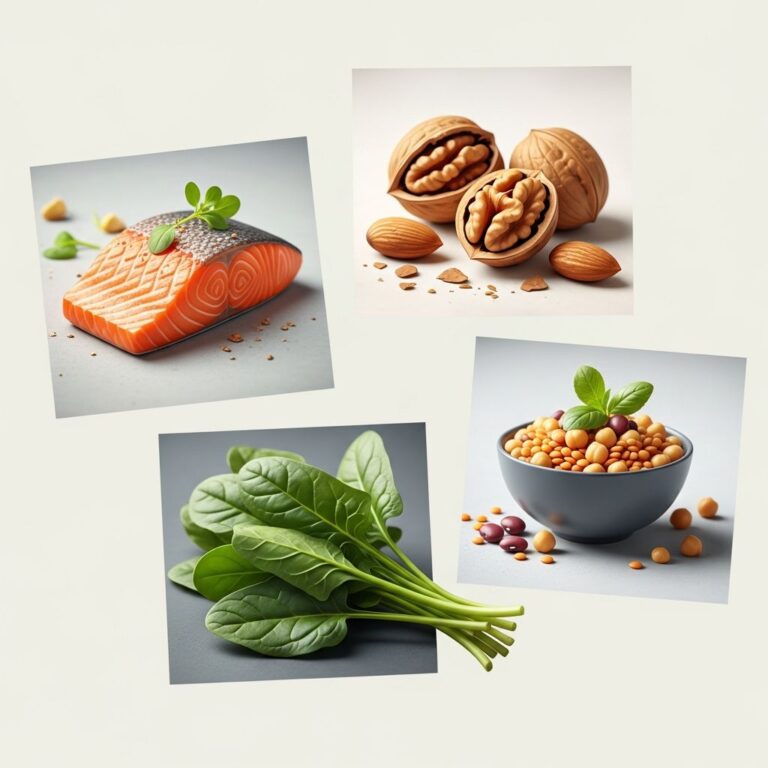
Glycine abounds in protein-rich foods, especially collagenous ones:
- Bone broth: 5–10 g per cup
- Gelatin: 20 g per 100 g
- Chicken skin/pork rinds: High concentrations
- Meat/fish: 1–4 g per 100 g
- Legumes, spinach, cabbage: Plant sources (lower amounts)
A varied diet provides 2–5 grams daily. Vegans may need supplements due to limited collagen sources.
Glycine Dosage and Supplements
Typical doses: 3–5 g for sleep, 5–10 g for metabolic benefits, up to 0.8 g/kg body weight for anti-inflammatory effects. Powder form mixes easily in water; capsules available. Start low to assess tolerance.
Combine with NAC for glutathione synergy. Consult a doctor for chronic use, especially with medications.
Is Glycine Safe?
Glycine is generally recognized as safe (GRAS) by the FDA at doses up to 90 grams/day short-term. Side effects are rare but include mild GI upset at high doses (>10 g). Safe in pregnancy at food levels; limited data on high-dose supplements.
No known interactions, but monitor with schizophrenia meds (glycine enhances NMDA activity). Long-term studies ongoing.
Frequently Asked Questions (FAQs)
What is the best time to take glycine for sleep?
Take 3 grams 30–60 minutes before bed to lower body temperature and promote relaxation.
Can glycine help with anxiety?
Yes, as an inhibitory neurotransmitter, it calms brain activity similar to GABA.
Is glycine vegan?
Synthetic supplements are vegan; food sources like gelatin are not.
How much glycine is in collagen peptides?
About 20–25% glycine by weight.
Does glycine increase lifespan?
Mice studies show 4–6% extension; human data pending.
References
- Top 7 Benefits and Uses of Glycine — Healthline. 2025-08-01. https://www.healthline.com/nutrition/glycine
- Glycine: The Smallest Anti-Inflammatory Micronutrient — PMC (Nutrients). 2023-07-19. https://pmc.ncbi.nlm.nih.gov/articles/PMC10379184/
- Doctor Reveals Why He Takes Glycine Every Day — YouTube (Dr. Rhonda Patrick). 2024. https://www.youtube.com/watch?v=elK5Nq8oT3c
Similar Articles








Read full bio of Sneha Tete