Glycogen Storage Disease: Types, Symptoms & Treatment
Understanding glycogen storage disease: causes, symptoms, types, and management options for patients.
What is Glycogen Storage Disease?
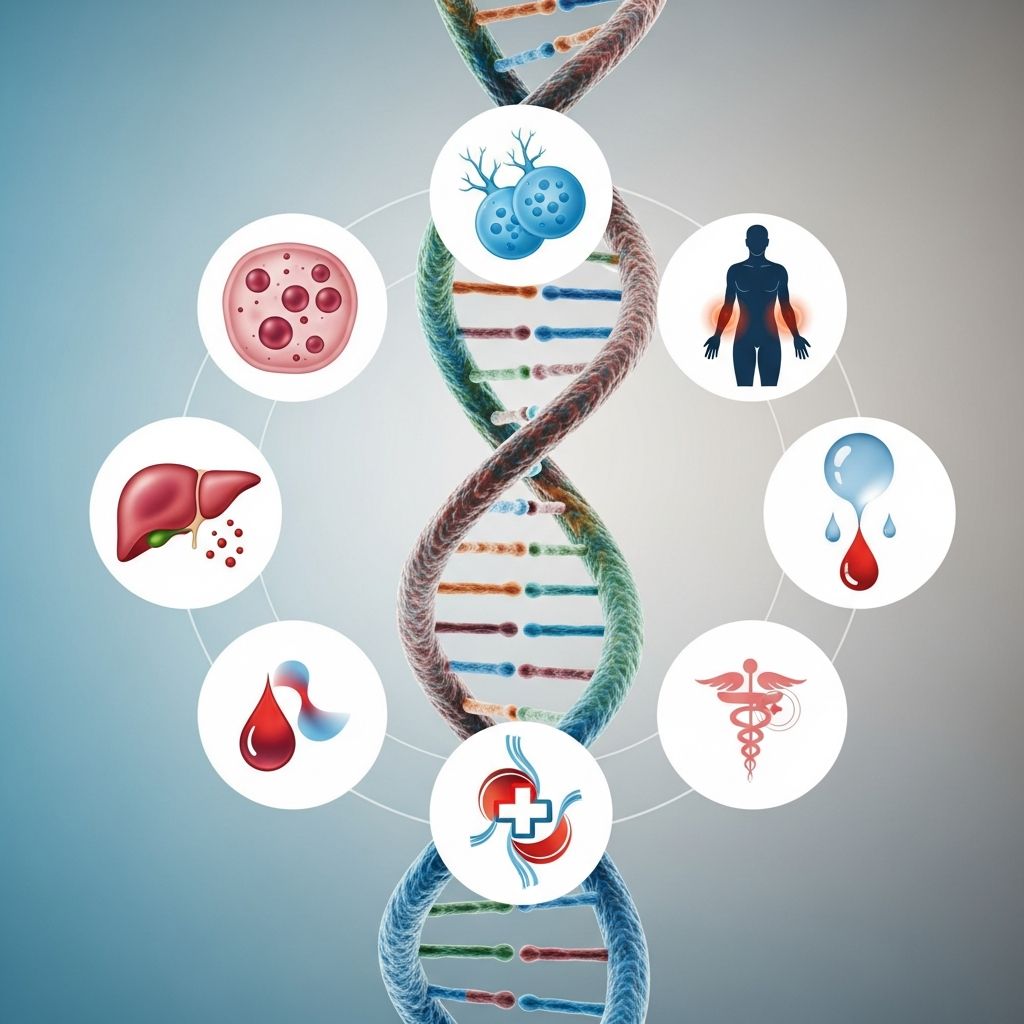
Glycogen storage disease (GSD) is a rare inherited metabolic disorder in which the body cannot properly store or break down glycogen, a form of glucose that serves as the primary energy reserve in cells. This genetic condition affects the enzymes responsible for managing glycogen metabolism, leading to abnormal accumulation of glycogen in various tissues throughout the body. When these critical enzymes malfunction, glucose cannot be released into the bloodstream efficiently, resulting in dangerously low blood sugar levels and organ damage over time.
GSD represents a group of inborn errors of carbohydrate metabolism that can affect virtually any organ system, though the liver and skeletal muscles are most commonly involved. The severity and presentation of GSD vary significantly depending on the specific type, with some individuals experiencing mild symptoms while others face life-threatening complications requiring intensive medical management.
Types of Glycogen Storage Disease
Glycogen storage disease encompasses multiple distinct types, each caused by deficiency of a specific enzyme involved in glycogen metabolism. Healthcare providers have identified at least eleven different types of GSD, though new variants continue to be discovered as genetic research advances.
Major Types of GSD
The most commonly encountered types of GSD account for approximately 90% of all diagnosed cases. Type I disease affects glucose-6-phosphatase function, making it the most prevalent form, accounting for roughly 25% of all GSD cases. Type II (Pompe disease) affects the enzyme acid alpha-glucosidase. Type III (Forbes-Cori disease) results from debrancher enzyme deficiency, while Type IV (Andersen’s disease) involves branching enzyme dysfunction.
| GSD Type | Enzyme Deficiency | Primary Tissues Affected | Prevalence |
|---|---|---|---|
| Type I (Von Gierke) | Glucose-6-phosphatase | Liver, kidneys | ~25% of GSD cases |
| Type II (Pompe) | Acid alpha-glucosidase | Muscles, heart, nervous system | Common |
| Type III (Forbes-Cori) | Debrancher enzyme | Liver, heart, skeletal muscles | Common |
| Type IV (Andersen) | Branching enzyme | Liver, brain, heart, muscles | Common |
| Type V (McArdle) | Muscle phosphorylase | Skeletal muscles | Less common |
| Type VI (Hers) | Liver phosphorylase | Liver, blood cells | Mild presentation |
| Type IX (Phosphorylase kinase) | Phosphorylase kinase | Liver | Often mild |
| Type XI (Fanconi-Bickel) | GLUT2 transporter | Liver, kidneys, intestines | Rare |
Types VI and IX frequently present with very mild symptoms and may go undiagnosed until adulthood, making awareness of these milder variants especially important for healthcare providers. Other less common types include Type VII (Tarui’s disease), which affects skeletal muscles and blood cells, and Type XI (Fanconi-Bickel syndrome), which impacts hepatic, renal, and intestinal function.
Signs and Symptoms of Glycogen Storage Disease
The manifestations of GSD vary depending on the specific type and severity of enzyme deficiency, but several common symptoms emerge across most variants. Early detection of these warning signs is crucial for initiating appropriate medical management and preventing serious complications.
Common Symptoms
The two most prevalent symptoms across GSD types are low blood sugar (hypoglycemia) and exercise intolerance. Hypoglycemic episodes occur when blood glucose falls below 70 mg/dL, potentially causing confusion, irritability, seizures, and loss of consciousness if severe. Exercise intolerance manifests as rapid fatigue during physical activity, reflecting the body’s inability to mobilize glycogen efficiently for energy production.
Related Stories



Additional manifestations frequently observed in GSD patients include:
- Poor growth and short stature
- Hepatomegaly (enlarged liver) with characteristic protuberant abdomen
- Nephromegaly (enlarged kidneys)
- Low muscle tone (hypotonia)
- Muscle pain and cramping
- Abnormal blood test results showing elevated lactate, uric acid, and lipids
- Excessive acid in blood (lactic acidosis)
- Persistent fatigue and weakness
- Delayed puberty and impaired growth
- Recurrent infections
Type-Specific Manifestations
Glycogen Storage Disease Type I patients often present with “apple cheeks,” cognitive impairment, hyperuricemia (elevated uric acid), and hyperlipidemia (elevated blood lipids). These individuals face elevated risk for seizures caused by severe hypoglycemia and may develop kidney stones, osteoporosis, and pancreatitis as long-term complications. Approximately 80-99% of Type I patients experience the constellation of symptoms including hypoglycemia, short stature, muscular hypotonia, and recurrent respiratory infections.
Type III (Forbes-Cori disease) causes excessive glycogen deposition in liver and muscles, resulting in hepatomegaly, muscle weakness, and in some cases, hypertrophic cardiomyopathy. Type IV (Andersen’s disease) leads to accumulation of abnormally formed polyglucosan bodies in liver and muscle, manifesting as failure to thrive, hepatosplenomegaly, and progressive liver failure with cirrhosis in many cases.
Type II (Pompe disease) presents with cardiomyopathy and limb-girdle dystrophy as characteristic complications. Muscle-specific GSDs (Types V and VII) primarily cause muscle cramps, exercise intolerance, and potential rhabdomyolysis with myoglobinuria during intense physical activity.
Causes and Genetic Inheritance
Glycogen storage diseases result from inherited genetic mutations affecting enzymes necessary for glycogen storage and breakdown. A child inherits these mutations from both biological parents, making GSD an autosomal recessive genetic condition.
GSD Type Ia stems from mutations in the G6PC gene, while Type Ib results from mutations in the SLC37A4 gene. The proteins produced by these genes work together to break down glucose-6-phosphate, a sugar molecule, into glucose for cellular energy. When mutations disrupt this process, glucose-6-phosphate accumulates and converts into excessive glycogen and fat stored within cells. This toxic buildup damages organs and tissues, particularly the liver and kidneys, causing the characteristic symptoms of GSD Type Ia.
Different GSD types involve mutations in distinct genes controlling specific enzymes. For instance, GSD Type III involves mutations in the AGL gene affecting debrancher enzyme function, while Type IV involves GBE1 gene mutations that impair branching enzyme activity. These genetic variations explain the clinical heterogeneity observed across GSD subtypes.
Diagnosis of Glycogen Storage Disease
Diagnosing GSD requires a combination of clinical evaluation, biochemical testing, and genetic analysis. Initial suspicion often arises when patients present with unexplained hypoglycemia, hepatomegaly, or exercise intolerance in childhood.
Diagnostic Tests and Procedures
Blood tests reveal characteristic abnormalities in GSD patients, including elevated lactate, uric acid, triglycerides, and cholesterol levels. Liver and kidney enlargement can be confirmed through ultrasound or imaging studies. Enzyme activity testing of liver or muscle tissue may be performed to identify specific enzyme deficiencies, though genetic testing has become increasingly available and definitive.
DNA sequencing and genetic testing directly identify mutations in genes associated with specific GSD types, providing definitive diagnosis and enabling family counseling. Specialized metabolic testing and urinary organic acid analysis may be performed to assess the severity of metabolic derangement. Muscle biopsy occasionally becomes necessary in certain cases to assess glycogen accumulation patterns.
Management and Treatment Options
While no cure currently exists for glycogen storage diseases, comprehensive medical management can significantly improve outcomes and quality of life. Treatment strategies are individualized based on GSD type, severity, and organ involvement.
Dietary Management
Frequent small meals with complex carbohydrates form the cornerstone of GSD management, helping maintain stable blood glucose levels. Uncooked cornstarch supplementation provides slow glucose absorption and prevents hypoglycemic episodes between meals. Some patients require continuous nasogastric feeding during nighttime hours to maintain glucose homeostasis during prolonged fasting.
Monitoring and Surveillance
Regular clinical monitoring includes frequent blood glucose checks, periodic assessment of organ function through imaging and laboratory tests, and screening for complications such as liver tumors, kidney disease, and cardiac abnormalities. Annual or biannual evaluations help detect progressive organ damage requiring intervention.
Enzyme Replacement Therapy
For Type II (Pompe disease), enzyme replacement therapy with alglucosidase alfa has proven effective in slowing disease progression and improving muscle function when initiated early. This therapy, administered intravenously, provides the deficient enzyme to affected tissues.
Supportive Care
Management of hypoglycemia, acidosis correction, and treatment of infections form essential components of comprehensive care. Allopurinol may reduce uric acid levels and prevent gout and kidney stone formation. Physical therapy and exercise programs, tailored to individual tolerance, help maintain muscle strength and function.
Hepatic Transplantation
Liver transplantation may be considered for patients developing end-stage liver disease or hepatic malignancies, though transplantation does not address systemic manifestations of certain GSD types.
Long-Term Outcomes and Prognosis
The prognosis for GSD patients varies considerably depending on disease type and severity. Type VI and IX, characterized by milder presentations, often allow patients to lead relatively normal lifespans with appropriate management. Type I patients historically faced significant morbidity and early mortality, though modern treatment approaches have substantially improved long-term survival and quality of life.
Complications such as liver cirrhosis, renal failure, cardiac dysfunction, and malignancy may develop in patients with more severe forms of GSD. Early diagnosis, aggressive management of metabolic abnormalities, and multidisciplinary medical care optimize long-term outcomes and reduce preventable complications.
Frequently Asked Questions
Q: Is glycogen storage disease curable?
A: Currently, no cure exists for glycogen storage disease. However, comprehensive medical management including dietary modifications, enzyme replacement therapy for certain types, careful monitoring, and symptomatic treatment can significantly improve quality of life and extend survival.
Q: Can adults develop glycogen storage disease?
A: While most GSD types present in infancy or early childhood, Types VI and IX often remain undiagnosed until adulthood due to their milder presentations. Adults may also develop complications from previously diagnosed GSD.
Q: What is the inheritance pattern of GSD?
A: Glycogen storage diseases follow an autosomal recessive inheritance pattern, meaning an individual must inherit mutated genes from both parents to develop the disease.
Q: Can people with GSD exercise?
A: Exercise tolerance varies by GSD type. Those with muscle-type GSD experience rapid fatigue, while liver-type GSD patients may tolerate moderate activity better. Exercise programs should be individualized with medical guidance.
Q: What complications can develop from untreated GSD?
A: Untreated or poorly managed GSD can lead to severe hypoglycemia with seizures, liver cirrhosis, kidney failure, cardiac dysfunction, increased infection risk, and malignancy.
References
- Glycogen Storage Disease (GSD) — Children’s Hospital of Philadelphia. 2024. https://www.chop.edu/conditions-diseases/glycogen-storage-disease-gsd
- Glycogen Storage Disease Type I – Symptoms, Causes, Treatment — National Organization for Rare Disorders. 2024. https://rarediseases.org/rare-diseases/glycogen-storage-disease-type-i/
- Glycogen Storage Disease (GSD): Symptoms, Treatment & Types — Cleveland Clinic. 2024. https://my.clevelandclinic.org/health/diseases/15553-glycogen-storage-disease-gsd
- Glycogen Storage Disease Type Ia — Metabolic Support UK. 2024. https://metabolicsupportuk.org/condition/glycogen-storage-disease-type-ia/
- Glycogen Storage Disease — StatPearls, National Center for Biotechnology Information. 2024. https://www.ncbi.nlm.nih.gov/books/NBK459277/
Similar Articles








Read full bio of medha deb