Glycogen Storage Disease: Types, Symptoms & Treatment
Learn about rare inherited glycogen storage diseases, their symptoms, types, and management strategies.
Understanding Glycogen Storage Disease
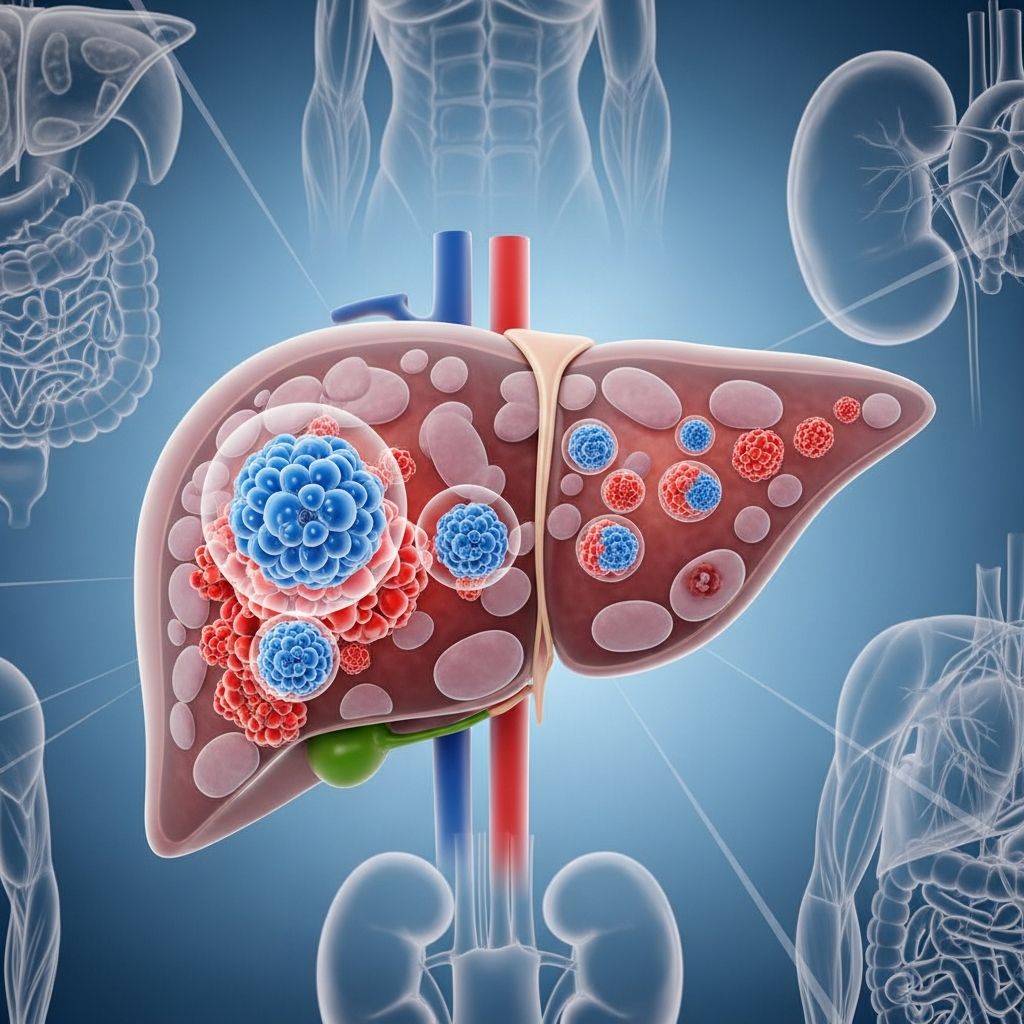
Glycogen storage diseases (GSD) represent a group of rare inherited conditions that significantly impact how your body processes and stores glucose. These metabolic disorders occur when your body lacks one or more enzymes necessary for proper glycogen metabolism, leading to a cascade of health complications including frequent low blood sugar, muscle weakness, and liver damage. While these conditions are serious, most types are manageable with appropriate medical treatment and lifestyle modifications.
The prevalence of GSD varies depending on the specific type, with the most severe form affecting approximately 1 in 50,000 to 100,000 births, while GSD overall affects roughly 1 in 25,000 births per year. Understanding the nature of these diseases is crucial for families and healthcare providers to ensure early diagnosis and effective management.
What Is Glycogen and How Does It Function?
Glycogen is a complex carbohydrate that serves as your body’s primary energy storage mechanism. When you consume carbohydrates, your body converts glucose into glycogen through a metabolic process called glycogenesis, primarily storing it in the liver and muscles. This stored glycogen acts as a reserve fuel source that your body can quickly mobilize when energy is needed.
When your body requires additional fuel, it breaks down glycogen back into glucose through a process called glycogenolysis. This glucose is then released into the bloodstream to maintain steady blood glucose levels, particularly during periods of fasting or physical activity. Multiple enzymes work together to regulate both the creation and breakdown of glycogen, ensuring that your body maintains optimal energy levels and blood sugar stability.
How Glycogen Storage Disease Develops
Glycogen storage diseases result from inherited genetic mutations that affect enzymes responsible for glycogen storage and breakdown. When you have GSD, your body cannot properly metabolize glycogen, leading to its accumulation in organs and tissues. This enzymatic deficiency prevents your body from using stored glycogen for energy or maintaining steady blood glucose levels during fasting periods.
The condition is inherited in an autosomal recessive pattern, meaning a child must inherit mutated genes from both biological parents to develop GSD. Parents who carry a single copy of the mutation are typically unaffected carriers but can pass the condition to their offspring. Genetic testing, which can be performed through blood tests or buccal swabs, is essential for confirming the specific type of GSD and identifying the exact enzymatic deficiency.
Types and Variations of GSD
At least 19 different types of glycogen storage disease have been identified, each caused by a deficiency in a specific enzyme involved in glycogen metabolism. Healthcare providers classify each type based on the missing enzyme or the scientist who discovered that particular variant. The most common and severe types include:
Type I (Von Gierke Disease)
Type I is the most severe form of GSD and the most common hepatic type. It occurs in two subtypes: Type IA, caused by a deficiency in the enzyme glucose-6-phosphatase, and Type IB, caused by a defect in the glucose-6-phosphate transporter protein. In Type I, multiple metabolic checkpoints are affected, including glycogenolysis, gluconeogenesis, and ketone body production. This means patients experience severe hypoglycemia very quickly after fasting for just three to four hours. Infants with Type I typically present with hepatomegaly (enlarged liver), severely elevated lipid levels, growth retardation, and characteristic facial features. Type IB patients additionally develop neutropenia and may experience gastrointestinal inflammation similar to inflammatory bowel disease.
Related Stories



Type II (Pompe Disease)
Type II GSD primarily affects muscle tissue and presents differently from hepatic forms. While patients may experience some hypoglycemia during fasting, the primary manifestation involves muscle weakness and progressive deterioration. The enzyme deficiency in Type II particularly impacts skeletal and cardiac muscle function, potentially leading to serious cardiovascular complications if left untreated.
Type III (Cori Disease)
Type III results from a deficiency in the debranching enzyme. During glycogen breakdown, the branches of glycogen molecules cannot be properly removed, leading to glycogen accumulation in the liver and sometimes in muscles. Patients with Type III typically present with low blood sugar, hepatomegaly, and occasionally muscle disease. In rare cases, cardiomyopathy may also develop, making comprehensive cardiac monitoring important.
Types VI and IX
Types VI and IX represent milder forms of hepatic GSD. Patients experience hypoglycemia during prolonged fasting periods and develop hepatomegaly with elevated liver enzymes. Type IX was traditionally considered benign, though recent evidence suggests that long-term complications including fibrosis and cirrhosis can develop if metabolic control is inadequate.
Common Symptoms and Clinical Presentations
The two most prevalent symptoms of GSD are hypoglycemia (low blood sugar) and exercise intolerance, though the severity and onset vary depending on the specific type. Low blood sugar occurs when blood glucose falls below 70 mg/dL and can cause serious complications if left untreated.
Hypoglycemia Symptoms
When blood sugar levels drop dangerously low, patients may experience:
- Shakiness and trembling
- Sweating and clamminess
- Rapid or irregular heartbeat
- Anxiety and nervousness
- Irritability and mood changes
- Difficulty concentrating
- Blurred vision
- Headaches
- In severe cases, seizures or loss of consciousness
Additional GSD Symptoms
Beyond hypoglycemia, patients may experience:
- Hepatomegaly (enlarged liver)
- Muscle weakness and exercise intolerance
- Growth delays and short stature
- Developmental delays in some cases
- Elevated triglyceride and uric acid levels
- Metabolic acidosis
- Lactic acidosis in severe cases
- Characteristic facial features (in Type I)
- Doll-like appearance with full cheeks and prominent abdomen
Diagnosis and Evaluation
Early diagnosis is critical for preventing serious complications and implementing appropriate management strategies. Typically, children are diagnosed around six months of age when they begin experiencing symptoms related to fasting, such as hypoglycemia when skipping meals or sleeping through the night.
The diagnostic process begins with clinical suspicion based on symptoms and physical examination findings. Healthcare providers assess for hepatomegaly and unexplained hypoglycemia, particularly in infants who seem to eat constantly. A liver biopsy may reveal excess glycogen accumulation, triggering genetic testing to identify the specific enzyme deficiency.
To establish a comprehensive metabolic profile, patients typically undergo a 24-hour inpatient admission during which glucose is monitored hourly. For ketotic forms of GSD, ketone bodies are measured every two hours. Additional metabolic testing includes assessment of ion levels, triglyceride levels, and uric acid levels, as patients with GSD often develop deficiencies in iron and vitamin D due to dietary restrictions.
Long-Term Complications
Without proper management, GSD can lead to serious long-term complications affecting multiple organ systems. Patients face increased risk of cirrhosis and progressive liver failure, particularly if metabolic control is suboptimal. Over time, patients may develop kidney disease that mimics Type II diabetes-related renal complications, including hyperfiltration injury, proteinuria, progressive renal failure, and proximal renal tubular acidosis. Additionally, patients have a high propensity for developing renal stones when metabolic control is inadequate.
The elevated lipid levels characteristic of GSD significantly increase cardiovascular risk, and these complications can begin at a young age in affected children. Some forms of GSD also carry risk for cardiac involvement, making regular cardiac monitoring essential.
Management and Treatment Approaches
While glycogen storage diseases cannot be cured, most types are effectively managed through dietary modifications, frequent monitoring, and in some cases, medication. The primary goal of treatment is to maintain stable blood glucose levels and prevent hypoglycemic episodes.
Dietary Management
Dietary modifications form the cornerstone of GSD management. Because excess glucose is stored as glycogen and cannot be released during fasting periods, carbohydrate intake must be carefully controlled. Complex carbohydrates are often limited or avoided entirely, as they contribute to excessive glycogen accumulation in the liver. Instead, patients follow specialized meal plans that prevent prolonged fasting and maintain stable blood sugar levels.
Frequent, small meals and snacks are essential to prevent hypoglycemic episodes. Some patients require nocturnal feeding through a gastric tube to maintain glucose levels during sleep. Patients may also require supplementation with specific nutrients, including vitamin D and iron, to address deficiencies caused by dietary restrictions.
Medical Monitoring and Follow-Up
Regular metabolic monitoring is crucial for optimizing treatment and detecting complications early. This includes periodic assessment of blood glucose patterns, lipid profiles, uric acid levels, liver function, kidney function, and cardiac status. Patients benefit from coordination with a multidisciplinary team including metabolic specialists, hepatologists, cardiologists, and geneticists.
Frequently Asked Questions
Q: At what age are children typically diagnosed with GSD?
A: Most children are diagnosed around six months of age when they begin experiencing symptoms related to fasting periods, such as hypoglycemia when skipping meals or sleeping through the night.
Q: How many types of glycogen storage disease exist?
A: At least 19 different types of GSD have been identified, each caused by deficiency in a specific enzyme. The most common and severe is Type I, while Types III, VI, and IX are less severe hepatic forms.
Q: Is GSD inherited?
A: Yes, GSD is inherited in an autosomal recessive pattern, meaning a person must inherit mutated genes from both parents to develop the condition. Parents who carry a single copy of the mutation are typically unaffected carriers.
Q: Can GSD be cured?
A: Currently, there is no cure for GSD, but most types can be effectively managed through dietary modifications, regular monitoring, and appropriate medical care to prevent complications and maintain quality of life.
Q: What complications can develop from untreated GSD?
A: Long-term complications include liver cirrhosis, kidney disease, renal stones, elevated cholesterol and triglycerides, cardiovascular disease, and in some forms, muscle weakness and cardiac complications.
Q: How is GSD diagnosed?
A: GSD is diagnosed through clinical evaluation, liver biopsy showing glycogen accumulation, and genetic testing that identifies the specific enzyme deficiency. A 24-hour inpatient metabolic evaluation helps establish comprehensive baseline measurements.
Q: What dietary restrictions are necessary for GSD management?
A: Patients require strict limitation of carbohydrates to prevent excess glycogen accumulation. Frequent small meals and snacks are essential to prevent fasting and maintain stable blood glucose. Some patients require nocturnal feeding through gastric tubes.
References
- Glycogen Storage Disease (GSD): Symptoms, Treatment & Types — Cleveland Clinic. Accessed December 1, 2025. https://my.clevelandclinic.org/health/diseases/15553-glycogen-storage-disease-gsd
- Improving Quality of Life for Children with Glycogen Storage Disease — Cleveland Clinic. Accessed December 1, 2025. https://consultqd.clevelandclinic.org/improving-quality-of-life-for-children-with-glycogen-storage-disease
- Management of Glycogen Storage Disease Type 1 in the Emergency Department — Cleveland Clinic. Accessed December 1, 2025. https://consultqd.clevelandclinic.org/management-of-glycogen-storage-disease-type-1-in-the-emergency-department
- Case Study: Late Diagnosis of Glycogen Storage Disease — Cleveland Clinic. Accessed December 1, 2025. https://consultqd.clevelandclinic.org/case-study-late-diagnosis-of-glycogen-storage-disease
- Aggressive therapy improves cirrhosis in glycogen storage disease — PubMed/NCBI. 2012. https://pubmed.ncbi.nlm.nih.gov/23578772/
Similar Articles








Read full bio of Sneha Tete