Glycolic Acid: Benefits, Uses, and Safety Guide
Complete guide to glycolic acid: How this AHA exfoliates, rejuvenates, and transforms your skin.
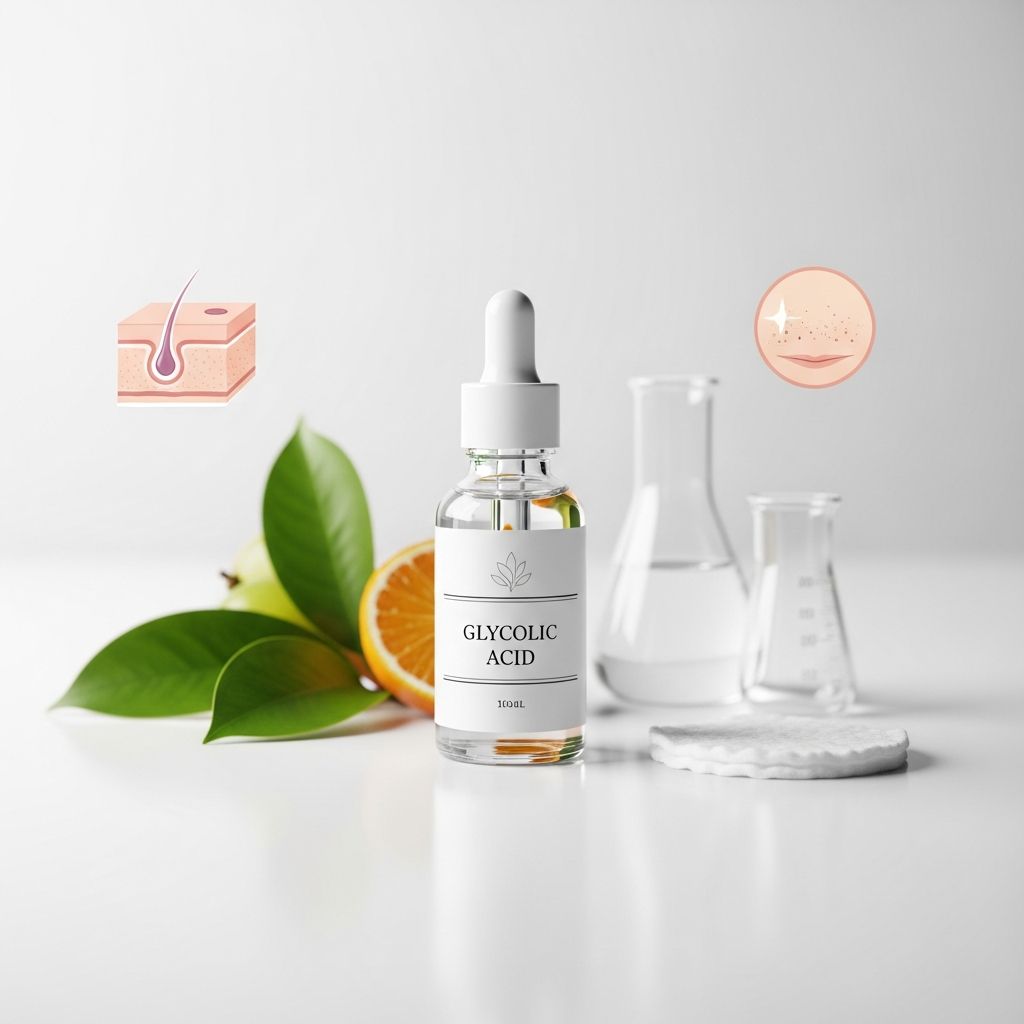
What Is Glycolic Acid?
Glycolic acid is an alpha-hydroxy acid (AHA) derived from sugarcane that has become one of the most popular chemical exfoliants in skincare. Unlike physical scrubs that manually remove dead skin cells, glycolic acid works chemically by weakening the bonds between cells on the skin’s surface, allowing dead skin to be swept away easily. What makes glycolic acid particularly effective is its molecular structure—it is the smallest molecule in the AHA family, which enables it to penetrate the skin more deeply than larger AHAs and reach the deeper layers where it can stimulate cellular turnover.
Beyond its topical skincare applications, glycolic acid also plays an important role in human metabolism. It is produced as a byproduct of the oxalate pathway and participates in various metabolic processes including ketone body synthesis and degradation, the citrate cycle, and amino acid metabolism. From a dermatological perspective, however, glycolic acid is best known for its exfoliating and rejuvenating properties.
How Does Glycolic Acid Work?
Glycolic acid functions through a straightforward chemical mechanism that makes it exceptionally effective for skin renewal. When applied topically, it works by dissolving the desmosomes—the cellular bonds that hold dead skin cells together on the surface of the epidermis. This process is known as exfoliation, and it encourages the natural shedding of the outermost layer of dead skin cells, revealing fresher, more youthful-looking skin beneath.
The penetration ability of glycolic acid sets it apart from other exfoliants. Because of its small molecular size, it can penetrate deeply into the skin where it:
- Stimulates the synthesis of glycosaminoglycans, molecules that draw water into the skin for improved hydration
- Promotes collagen production, which gives skin structure and firmness
- Increases hyaluronic acid levels in the outer layers of skin, enhancing moisture retention
- Increases fibroblast and keratinocyte proliferation rates, supporting skin repair and regeneration
- Improves the quality of elastin, which maintains skin elasticity and suppleness
These combined effects result in visibly smoother, brighter, and more youthful-appearing skin with regular use.
Key Benefits of Glycolic Acid for Skin
Research and clinical studies have demonstrated numerous benefits of glycolic acid for various skin concerns. Here are the primary advantages:
Reduces Fine Lines and Wrinkles
Over time, the skin naturally loses its plumpness and elasticity due to decreased collagen production and sun exposure, resulting in fine lines and wrinkles. Glycolic acid addresses this by stimulating collagen synthesis and improving skin thickness. Studies have shown that consistent application of glycolic acid can significantly improve the appearance of fine lines and wrinkles, making the skin look more youthful and supple.
Improves Skin Brightness and Reduces Discoloration
One of glycolic acid’s most notable benefits is its ability to even out skin tone and reduce hyperpigmentation. A 2013 research review found that 8% glycolic acid improved skin brightness and lessened discoloration after 22 weeks of use. Other clinical trials showed that a 5% glycolic acid product effectively evened texture and reduced discoloration when compared to control groups. This makes glycolic acid particularly useful for addressing age spots, sun damage, and post-inflammatory hyperpigmentation from acne.
Related Stories



Unclogs Pores and Prevents Acne
By removing dead skin cells and reducing sebum buildup, glycolic acid helps prevent the formation of comedones (blackheads and whiteheads). The exfoliating action also reduces pore size and improves overall skin clarity. Additionally, research indicates that at certain concentrations, glycolic acid possesses antibacterial properties, which can help inhibit the growth of acne-causing bacteria.
Enhances Skin Texture and Tone
Regular use of glycolic acid products leads to noticeable improvements in overall skin texture and tone. With consistent application, the cumulative effect of cellular turnover results in smoother, more refined skin that feels softer and looks more polished.
Hydration and Moisture Retention
While exfoliants are often thought to be drying, glycolic acid actually promotes hydration by increasing hyaluronic acid levels in the skin. This creates a paradoxical benefit where the skin becomes more exfoliated yet more moisturized, leading to a healthier, more radiant complexion.
Safety Considerations and Potential Side Effects
While glycolic acid is a well-studied and generally safe ingredient, it is important to understand potential side effects and precautions:
Increased Sun Sensitivity
One of the most significant considerations when using glycolic acid is that it increases skin sensitivity to ultraviolet (UV) radiation, a condition known as photosensitivity. Clinical studies have demonstrated that topical glycolic acid treatment increases erythema (redness), DNA damage, and sunburn cell formation when skin is exposed to UV radiation. This increased sensitivity means that protecting your skin with broad-spectrum sunscreen (SPF 30 or higher) is absolutely essential when using glycolic acid products, particularly when used during daytime hours.
Initial Irritation and Adjustment Period
When first introducing glycolic acid to a skincare routine, some individuals may experience mild irritation, redness, or peeling as the skin adjusts to the exfoliation. This is typically temporary and subsides within a few days to weeks as the skin builds tolerance. Starting with a lower concentration (such as 5%) and gradually increasing frequency of use can minimize this adjustment period.
Not Recommended for All Skin Types
While glycolic acid is suitable for most skin types, it may not be appropriate for those with highly sensitive skin, active dermatitis, or open wounds. Individuals with conditions such as eczema or rosacea should consult with a dermatologist before using glycolic acid products. Additionally, glycolic acid should not be used immediately after other chemical exfoliants or treatments that compromise the skin barrier.
How to Use Glycolic Acid Safely
Proper application and usage guidelines are crucial for maximizing benefits while minimizing potential side effects:
- Start Low and Go Slow: Begin with products containing 5% glycolic acid, used 2-3 times per week. Gradually increase frequency and concentration as your skin adapts.
- Patch Test First: Always perform a patch test on a small area of skin 24-48 hours before full application to ensure you do not have a sensitivity reaction.
- Use at Night: Apply glycolic acid products in your evening skincare routine to minimize sun exposure during the treatment period.
- Follow with Moisturizer: Always apply a hydrating moisturizer immediately after using glycolic acid to maintain the skin barrier and prevent excessive dryness.
- Apply Sunscreen Daily: Use a broad-spectrum sunscreen with SPF 30 or higher every day, particularly when using glycolic acid products.
- Avoid Mixing with Other Active Ingredients: Do not combine glycolic acid with other chemical exfoliants (such as salicylic acid or retinoids) on the same day, as this can cause excessive irritation.
- Limit Frequency Initially: Most dermatologists recommend starting with 1-2 applications per week and gradually increasing to 3-4 times per week as tolerated.
Glycolic Acid vs. Other Exfoliants
| Exfoliant Type | Mechanism of Action | Best For | Strength Level |
|---|---|---|---|
| Glycolic Acid (AHA) | Chemical exfoliation; dissolves bonds between dead skin cells | Fine lines, discoloration, dull skin, all skin types | Medium |
| Salicylic Acid (BHA) | Oil-soluble; penetrates pores | Oily, acne-prone skin; blackheads | Medium |
| Physical Scrubs | Mechanical abrasion removes dead skin | Rough texture; suitable for resilient skin | Mild to Medium |
| Enzymes | Protein-based breakdown of dead skin cells | Sensitive skin; gentle exfoliation | Mild |
Glycolic Acid Products and Concentrations
Glycolic acid products are available in various concentrations, each serving different purposes:
- Low Concentration (5-7%): Suitable for beginners and sensitive skin; provides gentle exfoliation with minimal irritation
- Medium Concentration (8-10%): Effective for most skin types; balances efficacy with tolerability; recommended for regular maintenance
- High Concentration (12%+): Professional-grade products requiring more careful use; typically reserved for experienced users or professional treatments
- Professional Peels (20-70%): Clinical-strength treatments administered by dermatologists; provide more dramatic results with intense exfoliation
The concentration you choose should depend on your skin type, experience with chemical exfoliants, and specific skin concerns.
Frequently Asked Questions About Glycolic Acid
Q: How long does it take to see results from glycolic acid?
A: Most people notice visible improvements in skin brightness and texture within 2-4 weeks of consistent use. However, more significant changes such as reduction in fine lines and fading of discoloration typically take 8-12 weeks of regular application. Results vary based on concentration, frequency of use, and individual skin characteristics.
Q: Can I use glycolic acid if I have sensitive skin?
A: While glycolic acid can be used on sensitive skin, it requires extra caution. Start with the lowest concentration (5% or less), use it only 1-2 times per week, and always follow with a soothing moisturizer. If you have conditions like rosacea or eczema, consult with a dermatologist before use.
Q: Is glycolic acid safe to use during pregnancy?
A: Topical glycolic acid is generally considered safe during pregnancy, as minimal systemic absorption occurs. However, it is advisable to consult with your obstetrician before introducing any new skincare ingredients during pregnancy.
Q: Can glycolic acid cause skin cancer?
A: No, glycolic acid itself does not increase the risk of skin cancer. However, the increased photosensitivity it causes means rigorous sun protection is essential. Ironically, some studies suggest that glycolic acid may help reduce UV-induced skin damage when proper sun protection is maintained.
Q: Can I use glycolic acid with retinol or vitamin C?
A: It is best to avoid using glycolic acid on the same night as retinol or high-concentration vitamin C, as combining multiple active ingredients can cause excessive irritation and compromise the skin barrier. Instead, use glycolic acid on alternate nights or different days of the week.
Q: How often should I use glycolic acid?
A: For most people, starting with 1-2 applications per week is recommended, gradually increasing to 3-4 times per week as tolerance develops. Professional-grade glycolic acid peels are typically administered monthly, while over-the-counter products can be used more frequently based on concentration and individual tolerance.
Q: Will glycolic acid make my skin thinner?
A: No, glycolic acid does not make skin thinner. While it removes dead skin cells from the surface, it simultaneously stimulates collagen production and increases cell turnover, leading to stronger, thicker, and healthier skin over time.
Conclusion
Glycolic acid stands as one of the most well-researched and effective chemical exfoliants available, offering demonstrable benefits for addressing fine lines, discoloration, acne, and overall skin texture. Its small molecular size provides superior penetration compared to other alpha-hydroxy acids, making it an excellent choice for those seeking visible skin improvement. However, success with glycolic acid depends on proper usage, realistic expectations, and unwavering commitment to sun protection. By following evidence-based guidelines and starting with lower concentrations, most individuals can safely incorporate glycolic acid into their skincare routine and enjoy the transformative benefits this powerful ingredient provides.
References
- What Is Glycolic Acid? How the Chemical Exfoliant Transforms Skin — Prevention. Accessed January 2026. https://www.prevention.com/beauty/skin-care/a30577360/what-is-glycolic-acid/
- Glycolic Acid – Rupa Health — Rupa Health. Accessed January 2026. https://www.rupahealth.com/biomarkers/glycolic-acid
- Glycolic acid for the skin: Benefits and how to use it — Medical News Today. Accessed January 2026. https://www.medicalnewstoday.com/articles/glycolic-acid-for-skin
- Glycolic Acid Benefits: What it Does for Skin — L’Oréal Paris USA. Accessed January 2026. https://www.lorealparisusa.com/beauty-magazine/skin-care/skin-care-concerns/glycolic-acid-benefits
- The Effects of Topically Applied Glycolic Acid and Salicylic Acid on Human Skin — National Center for Biotechnology Information. 2010. https://pmc.ncbi.nlm.nih.gov/articles/PMC2791365/
- Glycolic acid: Benefits, uses and side effects — CVS. Accessed January 2026. https://www.cvs.com/learn/beauty/skin-care/glycolic-acid-benefits
- Glycolic Acid Peel for Acne Scars, Stretch Marks, Hyperpigmentation — Healthline. Accessed January 2026. https://www.healthline.com/health/glycolic-acid-peel
Similar Articles








Read full bio of Sneha Tete