Glycopyrronium Inhaler (Seebri Breezhaler)
Comprehensive guide to Seebri Breezhaler for COPD symptom relief, usage, side effects, and patient advice.
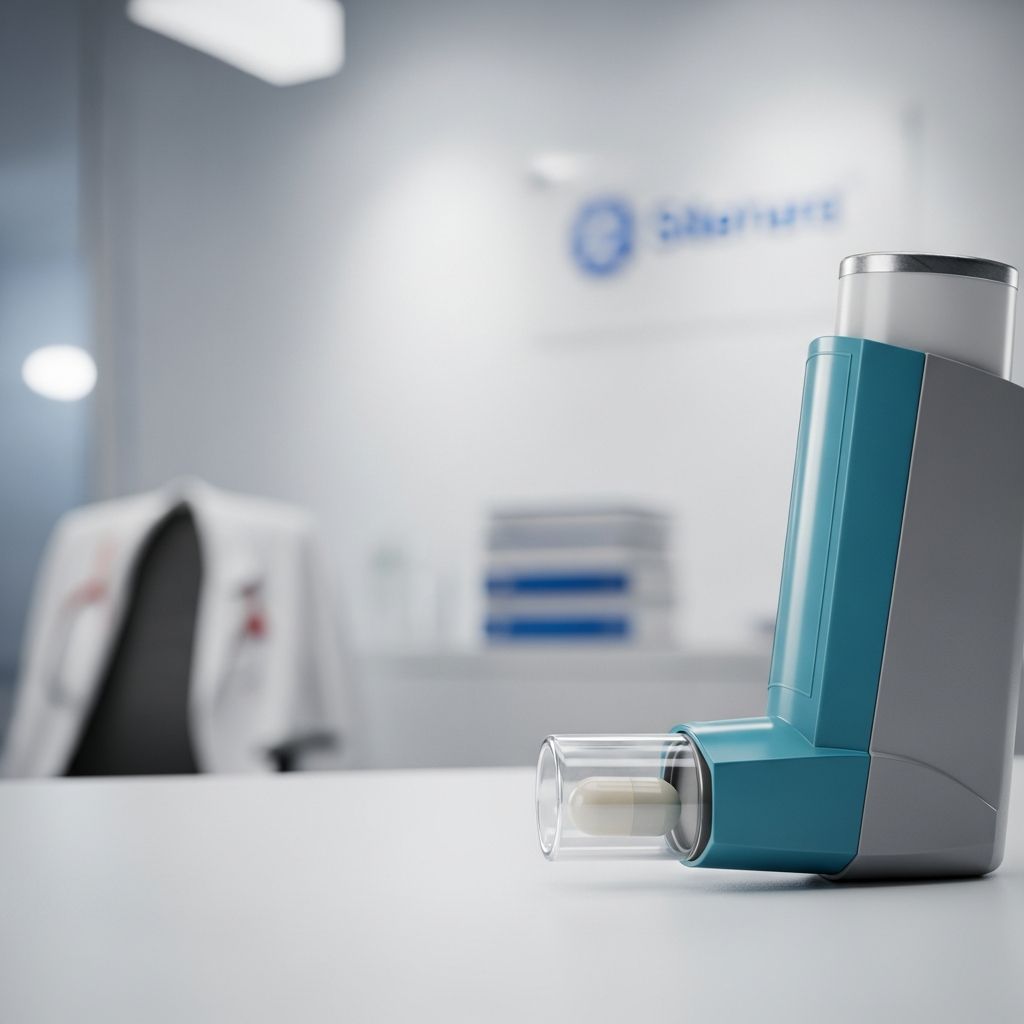
Glycopyrronium inhaler (Seebri Breezhaler) is a once-daily maintenance bronchodilator used to relieve symptoms in adult patients with chronic obstructive pulmonary disease (COPD).
About glycopyrronium inhalers
Glycopyrronium inhaler, branded as Seebri Breezhaler, belongs to a group of medications known as anticholinergics or long-acting muscarinic receptor antagonists (LAMAs). It works by blocking the action of acetylcholine, a chemical that causes tightening of the muscles around the airways in the lungs. By relaxing these muscles, it opens the airways, making breathing easier for people with COPD, which includes conditions like chronic bronchitis and emphysema.
This medication is specifically indicated for maintenance treatment to control symptoms such as shortness of breath and wheezing, but it is not a rescue inhaler for sudden attacks.
Before using glycopyrronium inhalers
Who can and cannot use them
Seebri Breezhaler is suitable for adults with COPD. It is not recommended for children, as studies in pediatric populations for COPD have been waived by regulatory authorities.
- Do not use if: you are allergic to glycopyrronium bromide or any ingredients in the capsules.
- Use with caution if: you have glaucoma, prostate problems, bladder issues, kidney impairment (especially severe), or heart conditions, as anticholinergics can worsen these.
Other medicines, food and drink, and pregnancy
Interactions: Inform your doctor if you take other anticholinergics, beta-agonists, or medications affecting the QT interval, as glycopyrronium may interact.
Pregnancy and breastfeeding: Limited data exists; use only if benefits outweigh risks. Consult your doctor.
Food and drink: No specific restrictions, but swallow capsules whole via inhaler—do not eat them.
Dosage and strength
The recommended dose is one 44 micrograms delivered dose (from 55 micrograms glycopyrronium bromide capsule) once daily via the Breezhaler device. Each capsule contains 63 micrograms glycopyrronium bromide (equivalent to 50 micrograms glycopyrronium).
| Strength | Delivered Dose | Frequency |
|---|---|---|
| 44 micrograms glycopyrronium | Once daily | Inhaled via Breezhaler |
How and when to use glycopyrronium inhalers
How to use it
- Do not swallow capsules; inhale contents only using the Breezhaler device.
- Open the Breezhaler, insert a capsule into the base.
- Pierce the capsule by pressing both side buttons firmly.
- Inhale deeply and steadily through the mouthpiece.
- Check for empty capsule and repeat if powder remains.
- Store capsules in blister packs; discard used ones.
Your healthcare provider should demonstrate proper technique. Peak effects occur rapidly, with bronchodilation lasting 24 hours.
When to use it
Use once daily, at the same time each day. It provides sustained relief; do not exceed the dose.
If you forget a dose
Take it as soon as remembered unless near next dose. Do not double up.
Changes to treatment
Do not stop abruptly; consult your doctor if symptoms worsen or for dose adjustments, especially in renal impairment.
Side effects of glycopyrronium inhalers
Common side effects include dry mouth, nasopharyngitis, upper respiratory infections, and cough. Serious effects are rare but include glaucoma, urinary retention, and paradoxical bronchospasm.
Related Stories



| Frequency | Side Effects |
|---|---|
| Common (≥1/100) | Dry mouth, pharyngitis, cough |
| Uncommon | Dysgeusia, dizziness, urinary tract infection |
| Rare | Glaucoma, urinary retention |
High doses may cause anticholinergic symptoms like blurred vision; seek medical help if severe.
Cautions of glycopyrronium inhalers
- Anticholinergic risks: Worsens narrow-angle glaucoma, urinary retention, or gastrointestinal obstruction.
- Renal impairment: Use cautiously in severe cases; exposure may increase.
- Cardiac: No significant QT prolongation or tachycardia at recommended doses.
- Monitor for worsening COPD symptoms; not for acute relief.
Interactions
Avoid other anticholinergics to prevent additive effects. No major food interactions.
Living with COPD
Combine Seebri Breezhaler with smoking cessation, pulmonary rehabilitation, vaccinations, and oxygen therapy if needed. Regular monitoring improves outcomes.
Pharmacology and mechanism
Glycopyrronium is rapidly absorbed post-inhalation (Tmax 5 min), with steady-state in one week. Terminal half-life 33-57 hours supports once-daily dosing due to sustained lung retention.
It blocks muscarinic receptors, reducing bronchoconstriction without cardiac effects at therapeutic doses.
Frequently Asked Questions (FAQs)
Q: What is Seebri Breezhaler used for?
A: It treats COPD symptoms in adults as a once-daily maintenance bronchodilator.
Q: How do you use the Breezhaler?
A: Pierce and inhale capsule contents once daily; do not swallow.
Q: Can it be used in kidney problems?
A: Yes in mild-moderate; caution in severe renal impairment.
Q: Does it cause heart problems?
A: No QT prolongation or tachycardia at recommended doses.
Q: Is it safe for long-term use?
A: Yes, for maintenance in COPD; monitor side effects.
Patient Tips
- Rinse mouth after use to reduce dry mouth.
- Keep inhaler dry and store at room temperature.
- Report new/worsening symptoms promptly.
This guide expands on clinical data: Seebri Breezhaler provides rapid onset (5 min peak plasma) and 24-hour bronchodilation, with dose-proportional exposure up to 176 micrograms. In special populations, adjustments are minimal due to low systemic exposure. Steady-state AUC is 1.4-1.7 fold higher than single dose, ensuring consistent efficacy.
For COPD management, it reduces cholinergic tone, the key reversible airflow obstruction component. Lung retention explains prolonged half-life vs. IV route. No pediatric data; adult-focused.
Safety profile: Thorough QT studies show no prolongation even at 8x dose; slight HR reduction in healthy volunteers. Population PK shows body weight/age variability, but standard dose suits all.
References
- Seebri Breezhaler 44 micrograms inhalation powder (hard capsules) – Summary of Product Characteristics — electronic Medicines Compendium (emc). 2023. https://www.medicines.org.uk/emc/product/2840/smpc
- Seebri Breezhaler EPAR – Risk Management Plan Summary — European Medicines Agency (EMA). 2013. https://www.ema.europa.eu/en/documents/rmp-summary/seebri-breezhaler-epar-risk-management-plan-summary_en.pdf
- Seebri Breezhaler Product Information — Novartis. 2020-02. https://www.novartis.com/sg-en/sites/novartis_sg/files/Seebri-Feb2020.SINv1-app260422.pdf
- Seebri Breezhaler – Uses, Side Effects, Interactions — MedBroadcast. Accessed 2026. https://medbroadcast.com/drug/getdrug/seebri-breezhaler
- Glycopyrrolate (inhalation route) – Description — Mayo Clinic. Accessed 2026. https://www.mayoclinic.org/drugs-supplements/glycopyrrolate-inhalation-route/description/drg-20165175
Similar Articles








Read full bio of Sneha Tete