Glycopyrronium: 5 Key Uses, Dosage, And Side Effects
Comprehensive guide to glycopyrronium uses, dosage, side effects, and precautions for safe treatment.
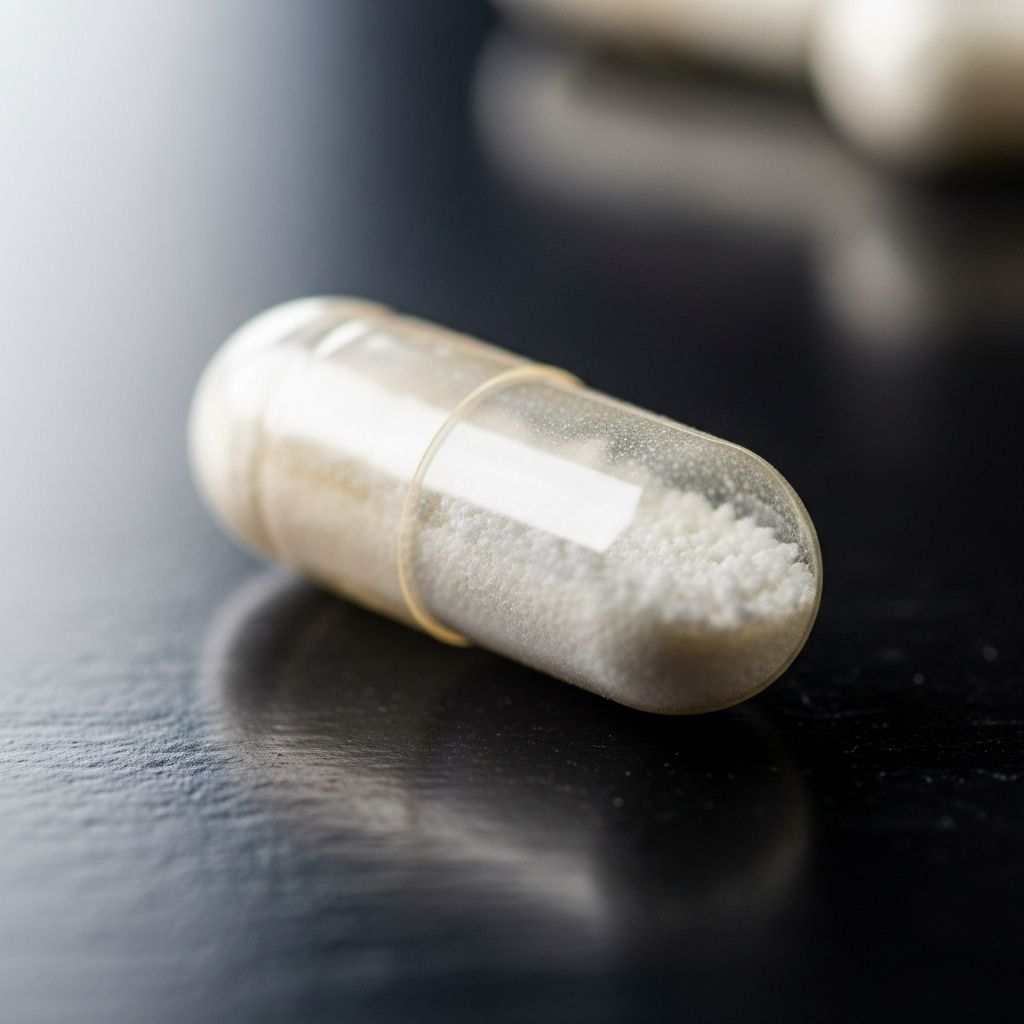
Glycopyrronium, also known as glycopyrrolate, is a synthetic anticholinergic medication that blocks muscarinic receptors to reduce secretions and control certain bodily functions. It plays a vital role in perioperative care, managing excessive sweating, drooling, and chronic respiratory conditions.
Understanding Glycopyrronium’s Role in Modern Medicine
This quaternary ammonium compound differs from other anticholinergics like atropine due to its limited ability to cross the blood-brain barrier, minimizing central nervous system effects. Approved by regulatory bodies such as the FDA in 2018 for specific uses, it appears on the World Health Organization’s List of Essential Medicines, underscoring its global importance.
Clinicians value glycopyrronium for its targeted action on peripheral muscarinic receptors in smooth muscles, secretory glands, and the central nervous system periphery. This makes it suitable for scenarios requiring precise control over saliva, sweat, and respiratory secretions without significant cognitive impairment.
Primary Therapeutic Applications
Glycopyrronium addresses a range of conditions through various administration routes, including oral, intravenous, topical, and inhaled forms.
- Perioperative Support: Administered intravenously before surgery to dry secretions in salivary, tracheobronchial, and pharyngeal areas, it prevents complications and counters bradycardia from agents like neostigmine.
- Hyperhidrosis Management: Topical formulations treat primary axillary hyperhidrosis in patients aged 9 and older, marking the first drug specifically developed for excessive underarm sweating.
- Sialorrhea Control: Oral solutions reduce chronic drooling in children aged 3-16 with neurologic disorders such as cerebral palsy.
- Respiratory Conditions: Inhaled versions alleviate symptoms in chronic obstructive pulmonary disease (COPD) at lower doses that avoid systemic absorption via swallowing.
- Other Uses: Historically for peptic ulcers, it also manages M e9ni e8re’s disease and gustatory hyperhidrosis.
How Glycopyrronium Works
The drug competitively antagonizes acetylcholine at muscarinic receptors, inhibiting parasympathetic activity. This leads to reduced glandular secretions, decreased gastrointestinal motility, and bronchodilation. Unlike tertiary amines, its quaternary structure ensures poor penetration of the blood-brain barrier and placenta, enhancing safety profiles.
Pharmacokinetics reveal rapid blood clearance post-intravenous administration, with primary urinary excretion as unchanged drug. Inhalation delivers low systemic doses, focusing effects on the lungs for COPD therapy.
Available Forms and Dosage Guidelines
Glycopyrronium comes in multiple formulations tailored to indications:
| Form | Common Uses | Typical Dosage |
|---|---|---|
| Intravenous Injection | Surgical premedication, reversal of neuromuscular blockade | 0.1-0.2 mg IV, often with neostigmine |
| Oral Solution/Tablets | Drooling in children, peptic ulcers | 0.02-0.1 mg/kg up to 3 times daily for pediatrics |
| Topical Wipe/Cloth | Axillary hyperhidrosis | One cloth to each underarm once daily |
| Inhaled Powder/Nebulizer | COPD | 50-100 mcg twice daily |
Dosages must be individualized, with adjustments for renal impairment since excretion is urine-dependent. Always consult prescribing information.
Recognizing and Managing Side Effects
Anticholinergic effects dominate the adverse event profile, though many are dose-dependent and transient.
Common Side Effects:
- Dry mouth, throat, nose, eyes, or skin
- Constipation and urinary retention
- Flushing, blurred vision, headache
- Nasal congestion, reduced sweating
Serious Risks: Tachycardia, hyperthermia (due to impaired sweating), angle-closure glaucoma exacerbation, and heat stroke in hot environments. Patients should cease use if sweating stops in high heat and seek immediate care for symptoms like fever or altered mental status.
Monitoring includes heart rate, hydration status, and temperature, especially in pediatrics or hot climates.
Related Stories



Critical Precautions and Contraindications
Avoid in patients with glaucoma, myasthenia gravis, obstructive uropathy, ulcerative colitis, or Sj f6gren’s syndrome. Use cautiously in hyperthyroidism, autonomic neuropathy, or those on solid oral potassium chloride.
Impaired vision from mydriasis or cycloplegia warrants halting activities like driving. Alcohol exacerbates drowsiness and blurred vision.
Special Considerations Across Patient Groups
Pediatric Use
Effective for sialorrhea in neurologic conditions, but monitor for constipation and overheating. Not for children under 3 for oral forms.
Pregnancy and Breastfeeding
Limited placental transfer reduces fetal risk, but data is insufficient; use only if benefits outweigh risks.
Elderly Patients
Increased sensitivity to anticholinergic effects like confusion or urinary issues necessitates lower starting doses.
Drug Interactions to Watch For
Glycopyrronium potentiates other anticholinergics and may alter absorption of sustained-release drugs. It counters bradycardia from cholinergic agents but requires monitoring with beta-blockers or digoxin.
Frequently Asked Questions (FAQs)
What is glycopyrronium used for primarily?
It primarily reduces excessive secretions preoperatively, treats hyperhidrosis topically, and manages drooling in children with neurologic issues.
Does glycopyrronium cause dry mouth?
Yes, dry mouth is a frequent side effect due to salivary gland inhibition.
Can I use topical glycopyrronium in hot weather?
Monitor sweating; stop if absent and seek medical help to prevent heat-related illness.
Is glycopyrronium safe for children?
Approved for drooling in ages 3-16 and hyperhidrosis from 9 years, under medical supervision.
How quickly does inhaled glycopyrronium work for COPD?
Onset is rapid for bronchodilation, with maintenance dosing twice daily.
Patient Tips for Optimal Use
- Apply topical forms to clean, dry skin; wash hands after.
- Store oral solutions properly and measure doses accurately.
- Report persistent side effects like vision changes or urinary difficulties promptly.
- Maintain hydration and avoid overheating environments.
Glycopyrronium’s versatility makes it indispensable, but adherence to guidelines ensures safety. Consult healthcare providers for personalized advice.
References
- Glycopyrronium bromide — Wikipedia. 2023-10-01. https://en.wikipedia.org/wiki/Glycopyrronium_bromide
- Glycopyrrolate — StatPearls – NCBI Bookshelf – NIH. 2023-08-14. https://www.ncbi.nlm.nih.gov/books/NBK526035/
- Glycopyrronium Topical: MedlinePlus Drug Information — MedlinePlus. 2023. https://medlineplus.gov/druginfo/meds/a618046.html
- Glycopyrrolate (oral route) — Mayo Clinic. 2023-11-01. https://www.mayoclinic.org/drugs-supplements/glycopyrrolate-oral-route/description/drg-20074451
- Glycopyrrolate Solution — Cleveland Clinic. 2023. https://my.clevelandclinic.org/health/drugs/20071-glycopyrrolate-solution
Similar Articles








Read full bio of Sneha Tete