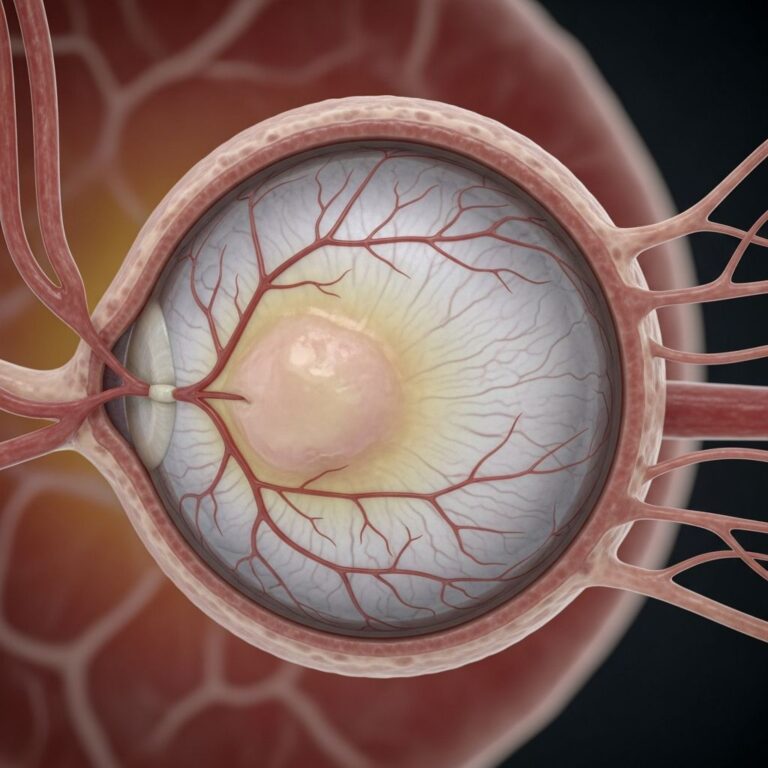
Glycosuria: Causes, Symptoms, and Treatment
Understanding glycosuria: excessive glucose in urine and effective management strategies.
What is Glycosuria?
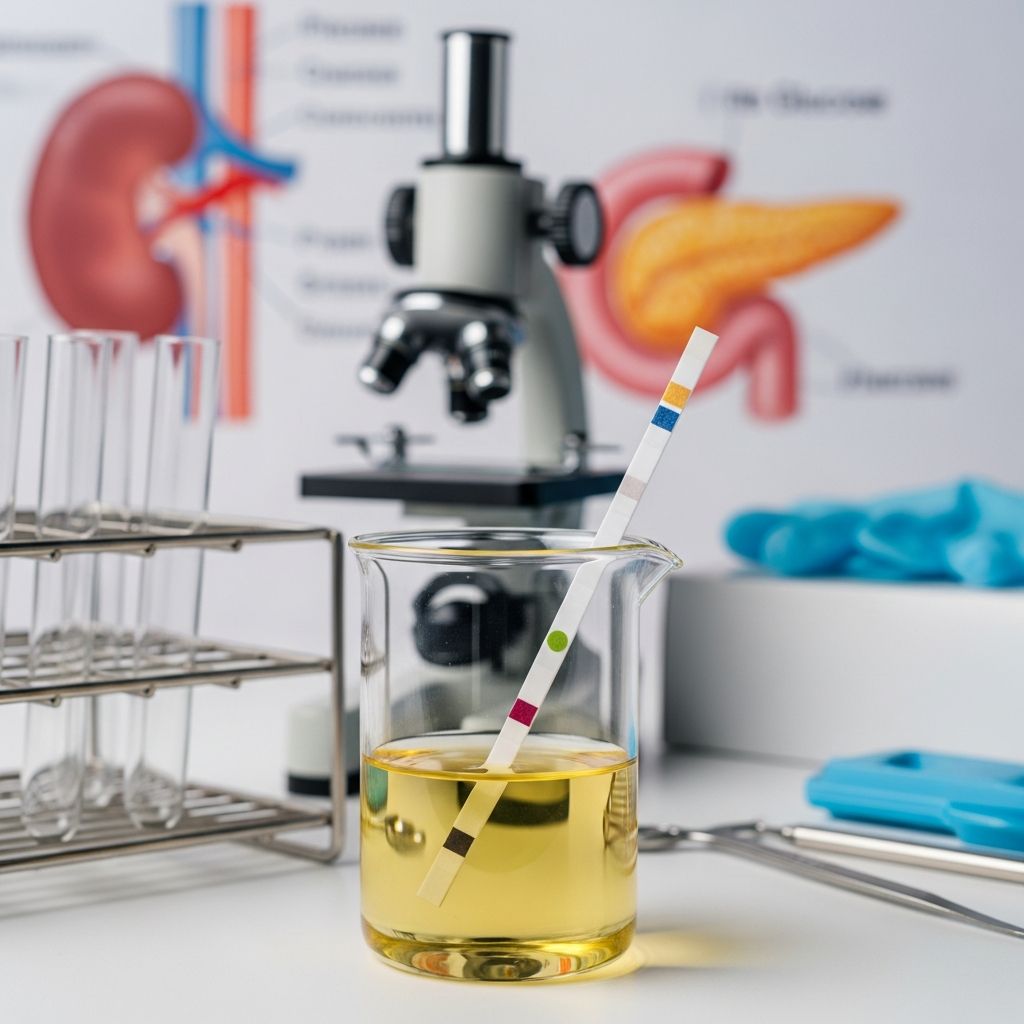
Glycosuria is a medical condition characterized by the presence of excessive glucose (sugar) in your urine. While it is normal to have a small amount of sugar in your urine, when urine test results show more than 0.25 mg/ml of glucose, this is considered glycosuria. Your kidneys filter waste products from your blood daily, and glucose is typically reabsorbed by the proximal tubule and returned to your bloodstream. When this process fails or when blood glucose levels become too high, glucose spills into your urine.
This condition can be a symptom of various underlying health issues, ranging from diabetes to kidney disorders. Sometimes, glycosuria is a symptom of hyperglycemia (high blood sugar), but it can also occur in people with normal or low blood sugar levels. For instance, you may develop glycosuria if your kidneys do not filter waste properly. The good news is that once you treat the underlying cause, glycosuria usually resolves on its own.
Understanding the Physiology of Glucose Filtration
To understand glycosuria, it helps to know how your kidneys normally handle glucose. Your renal system filters approximately 180 grams of glucose daily in healthy individuals. This glucose enters the tubular system and is reabsorbed along the proximal convoluted tubule (PCT) segments. The process involves specialized membrane proteins called SGLT1, SGLT2, and GLUT2 transporters that work together to move glucose from the urine back into the bloodstream.
Under normal circumstances, more than 99.9% of filtered glucose is reabsorbed, with less than 0.1% remaining in the urine. However, when the kidneys cannot reabsorb glucose efficiently or when blood glucose levels exceed the kidneys’ reabsorption capacity, glucose accumulates in the urine, resulting in glycosuria.
Main Causes of Glycosuria
Glycosuria can develop through three main pathways, each involving different physiological mechanisms:
1. Elevated Blood Glucose Levels
The most common cause of glycosuria is hyperglycemia, or elevated blood glucose. When your blood sugar rises above normal levels, the kidneys filter more glucose than the proximal tubule can reabsorb. This is particularly common in individuals with diabetes mellitus. In diabetic patients, as the plasma glucose increases, the filtered glucose exceeds the capacity of the tubular system and results in glucosuria. Over time, chronic hyperglycemia can damage the glomeruli, resulting in albuminuria and decreased glomerular filtration rate.
2. Impaired Kidney Function
Defects in the proximal convoluted tubule, either primary or secondary, can result in glycosuria even when blood glucose levels are normal. Examples include pregnancy-related changes, Fanconi syndrome (a generalized defect of the PCT), and acute tubular necrosis. In these cases, the kidneys’ inability to reabsorb glucose properly leads to its presence in the urine.
3. Genetic Mutations
Certain genetic conditions cause glycosuria through mutations in the membrane proteins responsible for glucose reabsorption. Mutations in SGLT1 are associated with glucose-galactose malabsorption, mutations in SGLT2 cause familial renal glucosuria, and mutations in GLUT2 are linked to Fanconi-Bickel syndrome. These conditions represent inherited forms of glycosuria.
Related Stories



Alimentary Glycosuria
There is also a temporary form of glycosuria called alimentary glycosuria, which occurs when you consume an excessive amount of carbohydrates at once. In these situations, it takes longer than usual for your blood and urine glucose levels to stabilize. Unless you have a condition that affects your blood sugar levels, symptoms should disappear within several hours.
Specific Health Conditions Associated with Glycosuria
Glycosuria can occur in people with various health conditions, including:
Diabetes Mellitus: Both Type 1 and Type 2 diabetes can cause glycosuria due to elevated blood glucose levels. When blood sugar cannot be adequately controlled, glucose spills into the urine.
Pregnancy: Pregnant individuals may experience glycosuria due to changes in kidney function during pregnancy, even without diabetes.
Kidney Disorders: Conditions affecting kidney filtration capacity, such as glomerulonephritis or Fanconi syndrome, can lead to glycosuria regardless of blood glucose levels.
Hyperthyroidism: Overactive thyroid function can increase metabolic rate and blood glucose levels, potentially leading to glycosuria.
Cushing’s Syndrome: Excessive cortisol production can increase blood glucose and result in glycosuria.
Symptoms and Complications
Many people with glycosuria do not experience obvious symptoms. In fact, you might have glycosuria for years without knowing it. This silent nature makes regular screening important, especially for individuals at risk of diabetes.
However, over time, untreated glycosuria can lead to serious complications. When glycosuria is a symptom of Type 2 diabetes, you might develop complications including kidney damage, vision problems, nerve damage, and cardiovascular disease. The longer glycosuria remains unaddressed, the greater the risk of these long-term health consequences.
Diagnostic Methods
Healthcare providers use several methods to check for glycosuria:
Urinalysis: A standard urine test can detect the presence of glucose. Results showing more than 0.25 mg/ml of glucose in random fresh urine indicate glycosuria.
Fasting Plasma Glucose Test: This measures your blood glucose level after fasting for at least 8 hours and helps determine if diabetes is present.
Random Plasma Glucose Test: This measures blood glucose at any time of day, without fasting requirements.
Glycated Hemoglobin (HbA1c): This test shows your average blood glucose levels over the past 2-3 months, providing insight into long-term glucose control.
In patients with glycosuria suspected to have Fanconi syndrome, additional testing may reveal hypophosphatemia with metabolic acidosis due to bicarbonate wasting, along with phosphaturia, aminoaciduria, and glucosuria.
Treatment Approaches
Glycosuria treatment depends on the underlying cause. Once you treat the underlying condition, the level of glucose in your urine should return to normal. Depending on your situation, your healthcare provider may recommend one or more of the following treatments:
Managing Diabetes
If glycosuria results from diabetes, your treatment plan will focus on controlling blood glucose levels. This may involve:
Insulin Therapy: For Type 1 diabetes or advanced Type 2 diabetes, insulin injections or insulin pumps help regulate blood sugar.
Oral Medications: Various classes of diabetes medications, such as metformin, sulfonylureas, and DPP-4 inhibitors, help lower blood glucose.
Lifestyle Modifications: Diet changes, regular physical activity, and weight management are fundamental components of diabetes management.
Kidney-Specific Treatments
If glycosuria results from kidney dysfunction, treatment focuses on preserving kidney function and may include:
Blood Pressure Management: Controlling blood pressure helps protect kidney function.
Medications: ACE inhibitors or ARBs may be prescribed to reduce protein loss and protect the kidneys.
Dietary Modifications: Reducing sodium and adjusting protein intake supports kidney health.
Addressing Other Underlying Conditions
If glycosuria is associated with conditions like hyperthyroidism or Cushing’s syndrome, treating these underlying conditions often resolves glycosuria.
Alimentary Glycosuria Management
For temporary alimentary glycosuria caused by excessive carbohydrate consumption, no specific treatment is necessary as the condition typically resolves within several hours.
Prognosis and Outlook
The outlook is positive for people who follow a treatment plan to manage their symptoms. In fact, addressing the underlying condition can cure glycosuria in most cases. The key to success is early detection and consistent management of the underlying cause, whether that is diabetes, kidney disease, or another health condition.
Working closely with your healthcare provider to develop a personalized treatment approach improves your chances of successfully managing glycosuria and preventing complications. Regular monitoring through urinalysis and blood tests helps ensure your treatment plan is working effectively.
Frequently Asked Questions
Q: Is glycosuria always a sign of diabetes?
A: No, while glycosuria is common in diabetes, it can also result from kidney disorders, genetic conditions, or even temporary situations like consuming excessive carbohydrates. Your healthcare provider will need to run additional tests to determine the underlying cause.
Q: Can glycosuria go away on its own?
A: Glycosuria can resolve once the underlying condition is treated. For example, alimentary glycosuria from eating too many carbohydrates typically disappears within hours. However, glycosuria from chronic conditions like diabetes requires ongoing management.
Q: How often should I be tested for glycosuria?
A: If you have risk factors for diabetes or kidney disease, your healthcare provider may recommend regular screening. For those already diagnosed with these conditions, testing frequency depends on your individual health needs and treatment plan.
Q: What is the normal amount of glucose in urine?
A: In healthy individuals, glucose levels in urine should be less than 0.25 mg/ml. Amounts exceeding this threshold indicate glycosuria and warrant further investigation.
Q: Can pregnancy cause glycosuria?
A: Yes, pregnancy can cause temporary glycosuria due to changes in kidney function during pregnancy. This is generally benign but should be monitored by your healthcare provider.
Q: What lifestyle changes can help manage glycosuria?
A: Depending on the cause, lifestyle modifications may include maintaining a healthy diet, exercising regularly, managing weight, reducing sodium intake, and controlling stress. Your healthcare provider can recommend specific changes tailored to your situation.
References
- Physiology, Glycosuria — National Center for Biotechnology Information, StatPearls. 2024. https://www.ncbi.nlm.nih.gov/books/NBK557441/
- Glycosuria: What It Is, Causes, Symptoms & Treatment — Cleveland Clinic. 2024. https://my.clevelandclinic.org/health/diseases/glycosuria
Similar Articles








Read full bio of medha deb