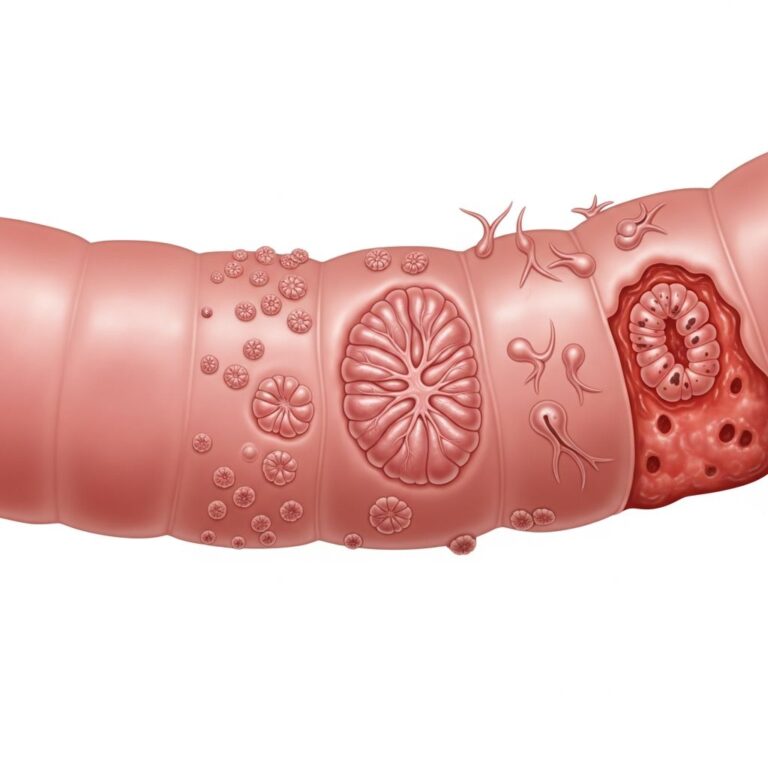
Glycosuria: 7 Essential Facts On Causes, Symptoms & Treatment
Understanding glycosuria: causes, symptoms, diagnosis, and management of glucose in urine.
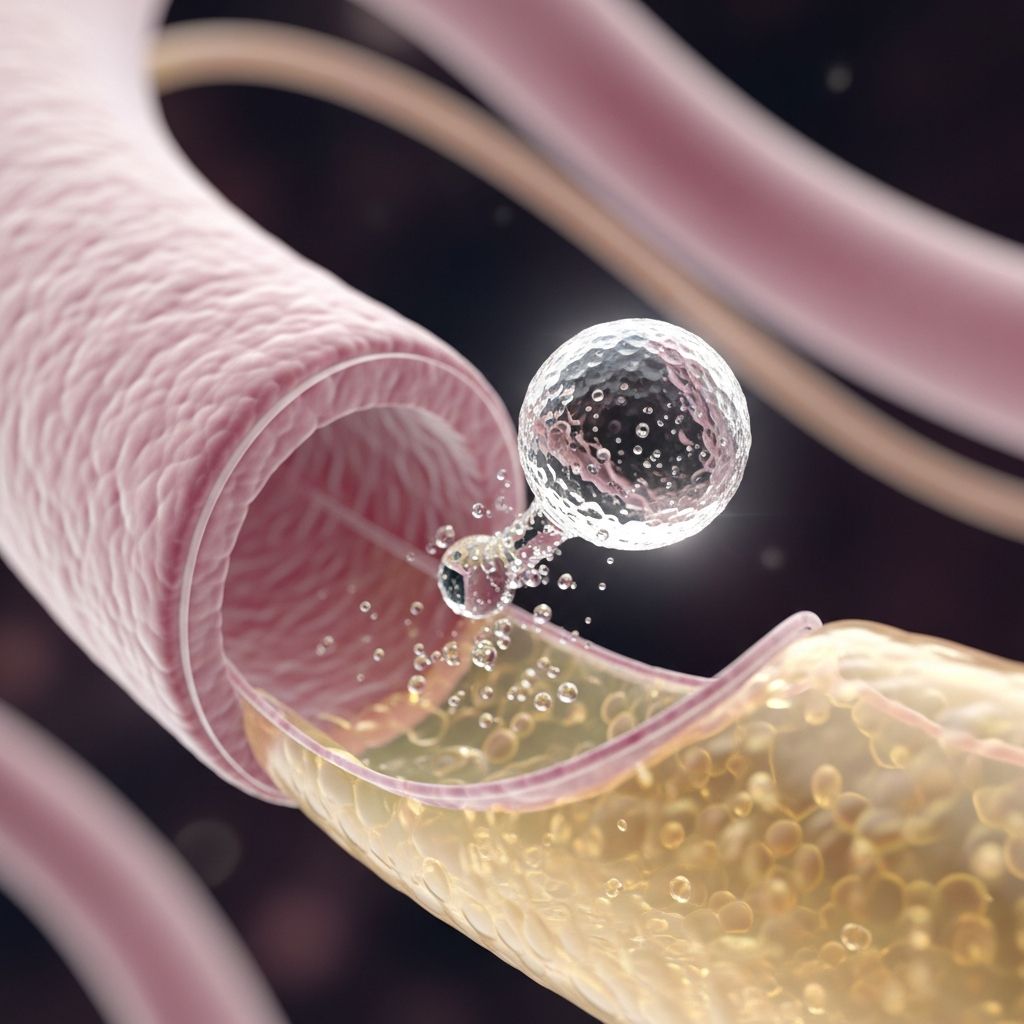
Glycosuria, also known as glucosuria, occurs when there is an abnormal amount of glucose (sugar) in the urine. Normally, the kidneys filter glucose from the blood and reabsorb nearly all of it back into the bloodstream, leaving little to no glucose in the urine. When blood glucose levels exceed the kidneys’ reabsorption capacity—typically around 180 mg/dL (10 mmol/L)—or when the kidneys themselves are impaired, glucose spills into the urine. This condition is often a sign of underlying issues like diabetes but can also stem from rare kidney disorders or temporary factors.
Understanding glycosuria is crucial because it can signal uncontrolled blood sugar or renal dysfunction. While it may be asymptomatic in early stages, persistent glycosuria can lead to dehydration, urinary tract infections, and long-term complications if the root cause is untreated. This article covers everything from its physiology and types to diagnosis, treatment, and prevention.
What Is Glycosuria?
In healthy individuals, the kidneys process about 180 liters of blood daily, filtering glucose through the glomeruli (tiny blood vessels in the kidneys). The proximal convoluted tubules then reabsorb over 99% of this glucose using sodium-glucose cotransporters (SGLT2 and SGLT1) and glucose transporters (GLUT2), ensuring urine glucose levels remain below 0.25 mg/mL. Glycosuria happens when this balance is disrupted, resulting in detectable glucose in urine via standard dipstick tests.
There are two primary mechanisms: overflow glycosuria, where high blood glucose overwhelms reabsorption (common in diabetes), and renal glycosuria, where normal blood glucose levels coincide with defective kidney reabsorption. A temporary form, alimentary glycosuria, occurs after consuming large amounts of carbohydrates, causing transient hyperglycemia.
Symptoms of Glycosuria
Glycosuria itself is often asymptomatic, but associated high blood sugar (hyperglycemia) produces noticeable signs. Common symptoms include:
- Frequent urination (polyuria): Excess glucose draws water into urine, increasing volume.
- Excessive thirst (polydipsia): Dehydration from fluid loss prompts increased drinking.
- Extreme hunger (polyphagia): Cells starved of glucose signal the brain for more food.
- Fatigue and weakness: Inefficient energy use due to poor glucose uptake.
- Unexplained weight loss: Calories lost in urine despite eating more.
- Blurry vision and frequent infections: High sugar affects eyes and promotes bacterial growth.
Nighttime urination (nocturia) and accidental leaks may also occur. In renal glycosuria, symptoms are rare since blood sugar remains normal, but pregnant individuals might notice it during routine checks. Untreated, it risks ketoacidosis in diabetes or kidney damage over time.
Causes of Glycosuria
Glycosuria arises from elevated blood glucose, impaired kidney function, or both. Here’s a breakdown:
Diabetes Mellitus
The leading cause, affecting both type 1 (autoimmune insulin deficiency) and type 2 (insulin resistance) diabetes. In type 1, insufficient insulin prevents glucose entry into cells, spiking blood levels. Type 2, more common, involves ineffective insulin, leading to post-meal glucose surges that exceed the renal threshold. Prolonged diabetes damages glomeruli, worsening glycosuria.
Renal Glycosuria
A rare, inherited condition (1 in 10,000–30,000) due to mutations in the SLC5A2 gene, impairing SGLT2 function. Glucose appears in urine despite normal blood sugar, often benign but sometimes linked to Fanconi syndrome or pregnancy.
Related Stories



Other Causes
- Pregnancy: Hormonal changes raise renal threshold temporarily.
- Medications: SGLT2 inhibitors (e.g., for diabetes) intentionally cause glycosuria to lower blood sugar.
- Kidney damage: From acute tubular necrosis or Fanconi syndrome.
- Alimentary glycosuria: After high-carb meals in healthy people.
| Type | Main Cause | Blood Glucose | Example |
|---|---|---|---|
| Overflow | High blood sugar | Elevated | Diabetes |
| Renal | Kidney defect | Normal | SLC5A2 mutation |
| Temporary | Diet/transient | Temporarily high | High-carb meal |
Diagnosis of Glycosuria
Diagnosis starts with a urine dipstick test, turning color if glucose exceeds 0.25 mg/mL. Confirmation involves:
- Urine glucose quantification: Lab measures exact levels.
- Blood tests: Fasting glucose, HbA1c, or oral glucose tolerance test to check for diabetes.
- Renal function tests: Creatinine, eGFR to assess kidney health.
- Genetic testing: For suspected renal glycosuria.
Urine microscopy rules out infections. In ambiguous cases, a 24-hour urine collection tracks total glucose excretion. Early detection prevents complications.
Treatment for Glycosuria
Treatment targets the underlying cause:
Managing Diabetes-Related Glycosuria
Lifestyle changes: Low-glycemic diet, 150 minutes weekly exercise, weight management. Medications: Insulin for type 1; metformin, GLP-1 agonists, or SGLT2 inhibitors for type 2 (which promote glycosuria therapeutically). Regular monitoring keeps HbA1c below 7%.
Renal Glycosuria
Often no treatment needed if asymptomatic. Monitor for dehydration or low blood sugar; high-carb diets may help.
Supportive Care
- Hydration to counter polyuria.
- Treat infections promptly.
- Kidney-protective drugs like ACE inhibitors if damage present.
Prognosis is excellent with management; untreated diabetes-linked glycosuria risks neuropathy, retinopathy, and nephropathy.
Prevention of Glycosuria
Prevent by controlling risk factors:
- Maintain healthy weight and balanced diet.
- Exercise regularly to improve insulin sensitivity.
- Screen for diabetes if family history or obesity present.
- Avoid excessive carbs to prevent transient spikes.
- Routine urinalysis in pregnancy or high-risk groups.
Annual check-ups for diabetics ensure early intervention.
Frequently Asked Questions (FAQs)
What does glucose in urine mean?
It indicates glycosuria, often from high blood sugar or kidney issues. See a doctor for blood tests.
Is glycosuria always diabetes?
No, renal glycosuria or temporary causes exist, but diabetes is most common.
How is glucose in urine tested?
Via dipstick or lab analysis; paired with blood glucose for diagnosis.
Can glycosuria be cured?
Not cured, but managed effectively by treating the cause, like diabetes control.
Does pregnancy cause glycosuria?
Yes, temporarily due to physiological changes; usually resolves post-delivery.
(Word count: 1678, excluding metadata and citations)
References
- Glycosuria: Symptoms, causes, treatments, and diabetes — Medical News Today. 2023-10-01. https://www.medicalnewstoday.com/articles/326197
- Glycosuria: Causes, Symptoms, & Treatments — Healthline. 2025-04-01. https://www.healthline.com/health/glycosuria
- Glycosuria: What It Is, Causes, Symptoms & Treatment — Cleveland Clinic. 2024-01-15. https://my.clevelandclinic.org/health/diseases/glycosuria
- Physiology, Glycosuria — NCBI StatPearls. 2023-07-24. https://www.ncbi.nlm.nih.gov/books/NBK557441/
- Glycosuria — Patient.info. 2024-05-12. https://patient.info/doctor/investigations/glycosuria
- Glucose in Urine: Symptoms, Test, Causes & Treatment — Solv Health. 2024-08-20. https://www.solvhealth.com/health/glucose-in-urine-symptoms-test-causes-treatment
- Renal Glycosuria — NORD (Rare Diseases). 2023-11-10. https://rarediseases.org/rare-diseases/renal-glycosuria/
Similar Articles








Read full bio of medha deb