Gnat Bites: Identification, Treatment, and Prevention
Discover how to identify gnat bites, effective treatments for relief, prevention strategies, and when to seek medical help.
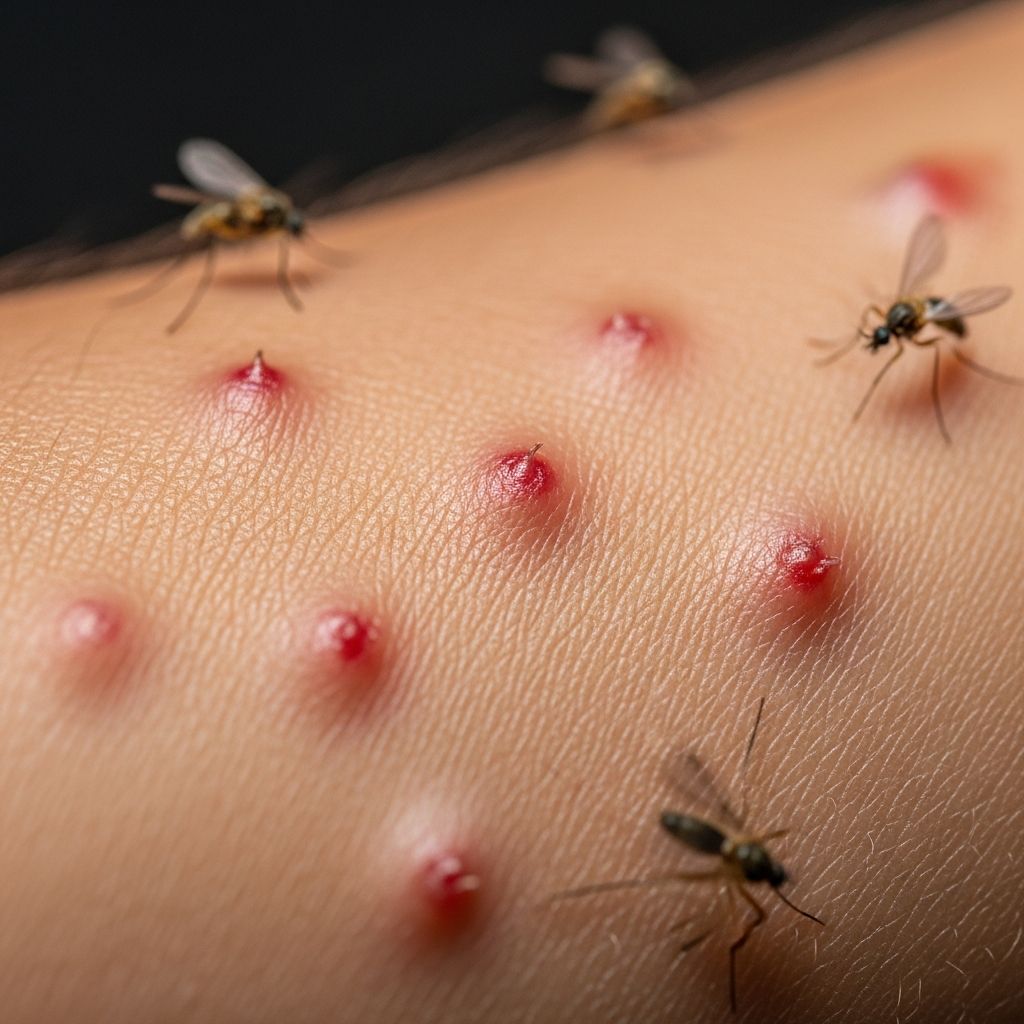
Small flying insects known as gnats can deliver bites that trigger itchy, red skin reactions, frequently confused with mosquito bites. These bites stem from an allergic response to gnat saliva, affecting outdoor enthusiasts near water or damp areas.
What Are Gnat Bites?
Gnats belong to families like Ceratopogonidae, including biting midges or no-see-ums, which are tiny—often too small to see easily. While many gnats feed on nectar, plant matter, or decaying organics, female biting species require blood meals for egg production, targeting humans, animals, and livestock.
During a bite, the gnat’s scissor-like mouthparts slice shallow cuts into the skin, injecting saliva with anticoagulants to facilitate blood flow. This saliva provokes the hallmark itchy reaction in most people.
Why Do Gnats Bite?
Females of biting gnat species need protein-rich blood to develop viable eggs, supplementing their nectar-based diet. They seek hosts near breeding sites like standing water, marshes, or humid vegetation, biting exposed skin, especially around the face, neck, and ankles.
Post-feeding, females lay eggs in water bodies, completing their cycle before populations decline after breeding season.
Symptoms of Gnat Bites
Gnat bites manifest as small, red, itchy bumps, often in clusters, mirroring mosquito bites. Common symptoms include:
- Intense itching
- Redness and swelling
- Pain or tenderness
- Possible minor bleeding at the site
- Blisters in sensitive individuals
Symptoms arise from a mild allergic reaction to saliva proteins, peaking within hours and typically resolving in days.
What Do Gnat Bites Look Like?
Visually, gnat bites appear as pinpoint red welts, 1-2 mm in diameter, potentially grouping on exposed areas. Unlike larger mosquito bites, they may show subtle central punctures. In allergic cases, expect raised, warm, fluid-filled blisters or hives.
| Bite Feature | Description | Comparison to Mosquito |
|---|---|---|
| Size | Small (1-2mm), pinpoint | Smaller than mosquito (3-6mm) |
| Appearance | Red bump, possibly clustered | Similar but tinier, clustered |
| Itch Level | Very high | Comparable |
| Swelling | Mild to moderate | Often less pronounced |
Severe reactions involve widespread swelling or hives beyond the bite site.
Treatment for Gnat Bites
Most gnat bites self-resolve in 3-7 days with home care focused on cleaning, soothing itch, and preventing secondary infection from scratching.
Immediate Steps
- Clean the area: Wash with mild soap and cool water to remove saliva and bacteria. Pat dry gently.
- Cold compress: Apply ice wrapped in cloth for 10-15 minutes to reduce swelling and numb itch.
Over-the-Counter Remedies
- Hydrocortisone cream (1%): Reduces inflammation and itch; apply 2-3 times daily.
- Antihistamines: Oral options like diphenhydramine or cetirizine alleviate systemic itching and hives.
- Calamine lotion: Soothes and dries blisters.
- Pain relievers: Ibuprofen or acetaminophen for discomfort.
Avoid scratching to prevent bacterial entry. For children, use age-appropriate anti-itch products.
Advanced Home Remedies
Some apply diluted tea tree oil or aloe vera for natural relief, though evidence is anecdotal. Heat therapy, per research, may neutralize venom-like proteins in bites via concentrated warmth (49-50°C for 30 seconds).
Related Stories



When to See a Doctor
Seek medical care if:
- Bites near eyes/mouth persist or worsen.
- Symptoms last over 2 weeks or show pus, fever (infection signs).
- Swelling spreads significantly.
Prescription steroids or antibiotics may be needed.
Severe Allergic Reactions and Anaphylaxis
Rarely, sensitive individuals face anaphylaxis 20 minutes to 2 hours post-bite, with symptoms like:
- Wheezing, breathing difficulty
- Throat/tongue swelling
- Dizziness, rapid heartbeat
- Nausea, hives
Call emergency services immediately; epinephrine auto-injectors save lives for known allergy sufferers.
Can Gnat Bites Transmit Diseases?
Unlike mosquitoes, gnats rarely transmit diseases to humans, though possible vectors include:
- Biting midges: Bluetongue virus (mainly livestock).
- Sand flies (gnat-like): Leishmaniasis, sandfly fever (rare in humans).
- Black flies: Onchocerciasis (river blindness, tropical regions).
- Eye gnats: Bacterial conjunctivitis (pink eye).
Secondary infections from scratching pose greater risk than vector-borne illness.
Prevention Tips for Gnat Bites
Minimize exposure with these strategies:
- Wear protective clothing: Long sleeves, pants, tuck shirts; light colors deter gnats.
- Use repellents: DEET (20-30%), picaridin, or oil of lemon eucalyptus on skin/clothes.
- Avoid peak times/locations: Dawn/dusk near water, marshes; use fans outdoors as gnats are weak fliers.
- Yard maintenance: Eliminate standing water, mow grass, use screens.
- Permethrin-treated gear: For clothing/tents in high-risk areas.
Indoor traps or citronella can help.
Frequently Asked Questions (FAQs)
Do all gnats bite?
No, only females of certain species like midges bite for blood; others feed on plants.
How long do gnat bites last?
Typically 3-7 days with proper care; severe cases up to 2 weeks.
Are gnat bites dangerous for kids?
Usually not, but monitor for infection or allergy; use child-safe remedies.
Can I pop gnat bite blisters?
No—risks infection; let them drain naturally.
What repels gnats best?
DEET-based repellents and fans are most effective.
References
- Gnat Bites: How to Tell If You Got Bit and Treatment Options — A-Z Animals. 2023. https://a-z-animals.com/blog/gnat-bites-how-to-tell-if-you-got-bit-and-treatment-options/
- Gnat Bites: Treatment Options and Prevention Tips — Healthline. 2023-10-12. https://www.healthline.com/health/gnat-bites
- Hey! A Gnat Bit Me! (for Kids) — Nemours KidsHealth. 2023. https://kidshealth.org/en/kids/gnat.html
- The use of concentrated heat after insect bites/stings — National Center for Biotechnology Information (PMC). 2012-01-19. https://pmc.ncbi.nlm.nih.gov/articles/PMC3257884/
- Everything You Need to Know About Bug Bites — Cedars-Sinai. 2023. https://www.cedars-sinai.org/stories-and-insights/expert-advice/bug-bites
Similar Articles








Read full bio of Sneha Tete