Goat Milk Health Benefits: Nutrition & Wellness Guide
Discover the complete health benefits of goat milk, from superior digestibility to immune support and skin health.
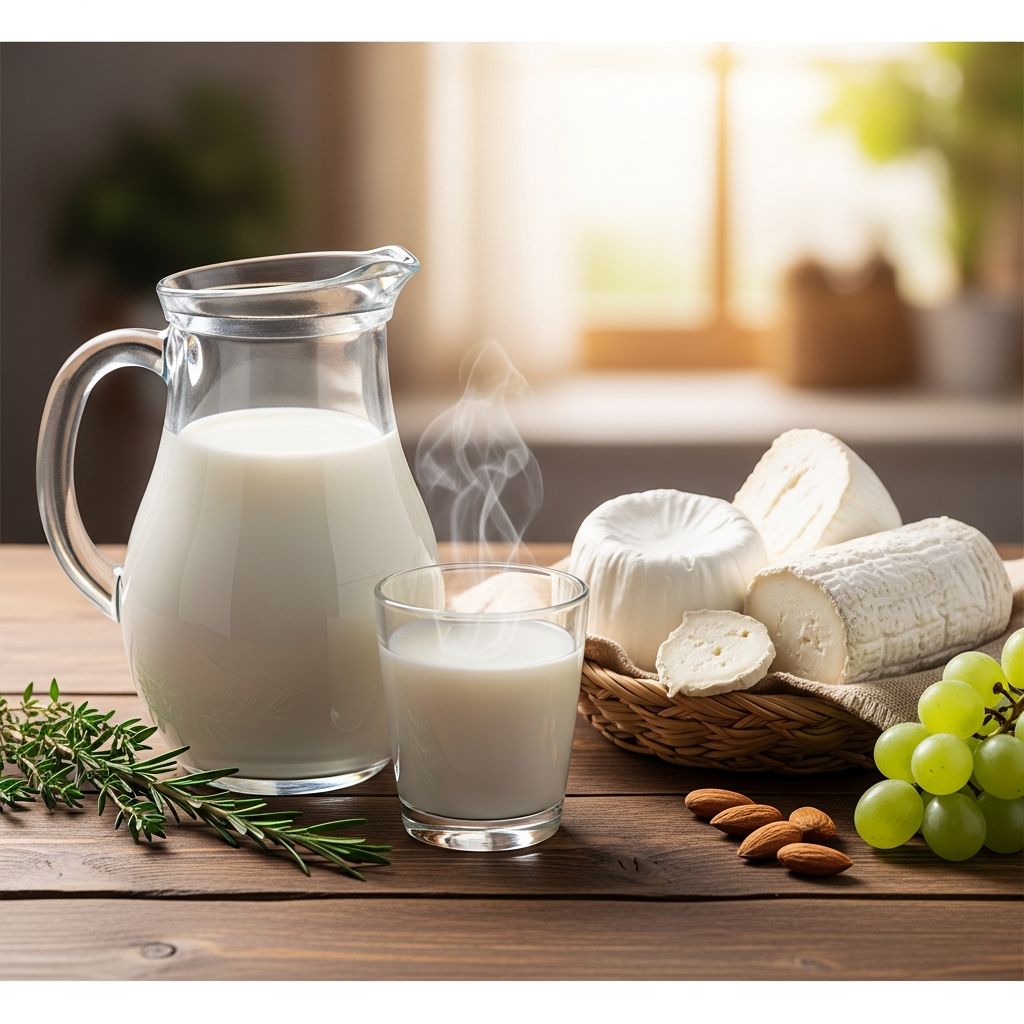
Goat Milk Health Benefits: A Complete Nutritional Guide
Goat milk has emerged as a nutritious and versatile dairy alternative, gaining recognition worldwide for its unique composition and exceptional health benefits. Ranking as the third most produced milk globally after cow and buffalo milk, goat milk offers a distinctive nutritional profile enriched with bioactive components that support overall wellness. Unlike conventional dairy options, goat milk provides enhanced digestibility, reduced allergenicity, and a comprehensive array of vitamins and minerals that make it an intelligent choice for health-conscious consumers seeking sustainable dietary alternatives.
Nutritional Profile of Goat Milk
Understanding the nutritional composition of goat milk is fundamental to appreciating its health advantages. A one-cup serving of whole goat milk provides a well-balanced mix of macronutrients and micronutrients that support various bodily functions.
| Nutrient | Amount per Cup |
|---|---|
| Calories | 168 |
| Protein | 9 grams |
| Fat | 10 grams |
| Carbohydrates | 11 grams |
| Sugar | 11 grams |
| Fiber | 0 grams |
Goat milk stands out as an excellent source of essential nutrients including protein, calcium, potassium, phosphorus, magnesium, and vitamin A. Notably, goat milk contains almost twice the vitamin A content as cow milk, as goats convert all β-carotene from foods to vitamin A in the milk itself. Additionally, goat milk has approximately 1% less lactose than cow milk, making it gentler on the digestive system for those with mild lactose sensitivity.
Superior Digestibility and Protein Quality
One of the most significant advantages of goat milk is its exceptional digestibility compared to other dairy and plant-based alternatives. Goat milk contains more protein per serving than standard cow milk, soy milk, almond milk, or rice milk, and the protein is remarkably bioavailable, meaning your body can absorb and utilize it more efficiently.
The superior digestibility of goat milk stems from its unique fat and protein composition. Goat milk fat globules are significantly smaller than those in cow milk, making them easier on the digestive system. The milk is naturally homogenized, which means it is uniform and the fat molecules are less likely to separate. Furthermore, goat milk contains lower levels of α-s1-casein and higher concentrations of β-casein, along with higher amounts of medium-chain triglycerides, contributing to enhanced digestibility and nutrient absorption.
Hypoallergenic Properties and Lactose Tolerance
For individuals with sensitivities to conventional cow milk, goat milk presents a valuable alternative. Cow milk contains higher amounts of alpha-S1-casein, which is a primary source of dairy allergies. Goat milk, by contrast, offers improved tolerability for people with mild allergic reactions to dairy products.
The hypoallergenic nature of goat milk is attributed to its distinct protein composition and lower allergenic potential compared to cow milk. Research indicates that goat milk is considered superior in terms of lower risk of allergy when compared to the milk of other species. However, individuals with severe dairy allergies should consult with healthcare providers before introducing goat milk into their diet, as some individuals may still experience sensitivity.
Related Stories



Immune System Support and Disease Prevention
Goat milk contains zinc and antioxidants that work synergistically to strengthen the immune system in men, women, and children. These bioactive compounds help protect the body from various infectious diseases and support the immune response during recovery from illness.
Research demonstrates that goat milk possesses immunomodulatory, antioxidant, and antipathogenic effects that collectively support immune function. The presence of selenium and antioxidants in goat milk may help stabilize certain physiological parameters during illness. Additionally, goat milk provides natural salts and energy-providing nutrients that maintain fluid levels in the body, which is particularly important during recovery from infections or other health challenges.
Digestive Health and Gut Support
Goat milk demonstrates remarkable benefits for digestive wellness. Unlike cow milk with its large fat globules, goat milk contains more short-chain fatty acids in a form that is easier to swallow and digest. This characteristic is particularly significant for individuals recovering from digestive disturbances who may experience appetite loss or stomach discomfort.
The milk’s unique composition supports beneficial gut bacteria and promotes overall digestive function. Raw goat milk enthusiasts note that it is rich in natural enzymes and probiotics that may support digestion, though research on raw versus pasteurized goat milk specifically remains limited. Regardless of processing method, goat milk’s inherent digestibility advantages make it an excellent choice for those seeking to optimize gastrointestinal health.
Cardiovascular and Cholesterol Management
Emerging research suggests that goat milk may play a beneficial role in cardiovascular health. Studies have demonstrated that goat milk can help reduce cholesterol levels in the arteries and gallbladder, supporting those with elevated blood cholesterol. This cardiovascular benefit makes goat milk a promising dietary choice for individuals seeking to naturally manage cholesterol through nutritional intervention.
The anti-inflammatory and antioxidant properties of goat milk contribute to its cardiovascular benefits. The presence of medium-chain triglycerides and other bioactive compounds supports healthy lipid profiles and vascular function, making it a heart-healthy dairy alternative for conscious consumers.
Bone Health and Mineral Absorption
Goat milk excels in supporting skeletal health through its rich mineral content. It is an excellent source of calcium, phosphorus, and magnesium—all essential minerals for maintaining strong, healthy bones. Beyond merely providing these minerals, goat milk enhances the body’s ability to absorb and assimilate calcium, magnesium, iron, and phosphorus.
This superior mineral bioavailability is particularly valuable for individuals recovering from illness who need to rebuild depleted mineral stores and restore physiological strength. The combination of high mineral content and enhanced absorption capacity makes goat milk an intelligent choice for those prioritizing bone health and metabolic recovery.
Skin and Hair Health Benefits
The nutritional composition of goat milk makes it an excellent choice for supporting skin and hair wellness. Goat milk contains abundant vitamin A and fatty acids that naturally support skin hydration and elasticity. Beyond these benefits, nutrients such as protein and vitamin E strengthen hair and promote a healthier scalp.
When applied topically or consumed as part of a regular diet, goat milk provides deep hydration and promotes a softer, smoother appearance. The bioactive components work to nourish skin cells and support natural healing processes, making goat milk an attractive ingredient in both cosmetic products and wellness protocols. Many beauty and skincare formulations now incorporate goat milk components to harness these natural benefits.
Liver Function and Metabolic Health
Goat milk supports hepatic wellness through its nutrient composition. The presence of selenium and riboflavin—essential nutrients for efficient liver functioning—makes goat milk beneficial for those concerned with liver health. These nutrients support the liver’s detoxification processes and metabolic functions, contributing to overall physiological wellness.
Specialized Health Applications
Men’s Health and Vitality
For men, goat milk offers superior protein quality and essential minerals that nourish muscles and enhance overall vitality. The high-quality protein supports muscle development and recovery, while the mineral content contributes to testosterone metabolism and reproductive health.
Infant Nutrition Considerations
Parents of infants should approach goat milk cautiously. While goat milk may be easier to digest than cow milk for some babies over one year old, it is not a perfect replacement for infant formula. Any introduction of goat milk for infants requires explicit medical guidance and professional consultation to ensure proper nutritional support during this critical developmental stage.
Goat Milk Versus Cow Milk: A Nutritional Comparison
Comparing goat milk to cow milk reveals several important nutritional distinctions. Goat milk is higher in fat and calories but also contains more protein, vitamins, and minerals. The smaller fat globules in goat milk contribute to improved digestibility, while its lower lactose content makes it more suitable for those with lactose sensitivities.
Goat milk contains more calcium and potassium than cow milk, though cow milk provides higher levels of vitamin B12. The choice between these dairy options depends on individual nutritional needs, digestive capabilities, and health objectives. For those seeking enhanced digestibility and lower allergenicity, goat milk offers compelling advantages.
Raw Goat Milk: Separating Fact from Fiction
Proponents of raw goat milk claim it is easier to digest than pasteurized milk and promotes superior gut and immune health. However, scientific evidence does not support these distinctions. Research indicates that vitamin and mineral content remains stable with minimal changes after pasteurization, and pasteurization does not alter the composition of milk fat and protein or affect digestibility.
While goat milk may indeed be easier to digest than cow milk, this advantage does not depend on whether the milk is raw or pasteurized. Most research comparing raw and pasteurized milk has focused on cow milk rather than goat milk, making it an important distinction for those considering raw goat milk. Health-conscious consumers should prioritize safety protocols and consult with healthcare providers before consuming raw milk products.
Incorporating Goat Milk Into Your Diet
Goat milk’s versatility extends beyond simple consumption as a beverage. Its unique emulsifying and foaming properties unlock new avenues in product development, making it an intelligent ingredient in health-conscious products created by innovative food technologists. Consumers can incorporate goat milk through various formats including plain milk, yogurt, cheese, and specialty beverages.
When adding goat milk to your diet, moderation is key, and sourcing from safe, reputable suppliers ensures product quality and safety. The naturally thicker and creamier consistency compared to cow milk provides superior satisfaction and nutritional density per serving.
Frequently Asked Questions About Goat Milk
Q: Is goat milk good for health?
Yes, goat milk is highly nutritious and supports multiple aspects of health. It helps improve digestion, boosts immune system function, and helps keep bones strong through its calcium and mineral content. Additionally, it offers hypoallergenic properties that make it suitable for those with sensitivities to cow milk.
Q: What are the benefits of goat milk for skin and hair?
Goat milk provides deep hydration, increases skin elasticity, and promotes a softer, smoother appearance. For hair, it strengthens strands and promotes a healthier scalp through its protein and vitamin E content, making it valuable for both internal consumption and topical skincare applications.
Q: How does goat milk compare to cow milk nutritionally?
Goat milk contains more protein, calcium, potassium, and magnesium than cow milk, while also having smaller fat globules that improve digestibility. Cow milk contains higher vitamin B12 levels. Goat milk has approximately 1% less lactose, making it gentler for those with lactose sensitivity.
Q: Can goat milk help with allergies?
Goat milk may be better tolerated by people with mild dairy allergies because it contains lower levels of alpha-S1-casein, the primary allergenic protein in cow milk. However, individuals with severe dairy allergies should consult healthcare providers before consuming goat milk.
Q: Are there any special considerations for raw goat milk?
While raw goat milk contains natural enzymes and probiotics, research does not support that it offers superior digestibility or immune benefits compared to pasteurized goat milk. The nutrient content remains essentially the same regardless of pasteurization status. Always consult a healthcare provider before consuming raw milk.
Q: Is goat milk suitable for infants?
While goat milk may be easier to digest than cow milk for some babies over one year old, it is not a proper replacement for infant formula. Any introduction of goat milk for infants requires explicit medical guidance and professional consultation to ensure adequate nutrition during development.
Conclusion: Making Goat Milk Part of Your Wellness Strategy
Goat milk represents a nutritionally superior dairy option backed by scientific research and centuries of traditional use. Its unique composition—featuring smaller fat globules, higher digestibility, enhanced mineral bioavailability, and hypoallergenic properties—positions it as an intelligent choice for health-conscious consumers seeking optimal nutrition. From supporting digestive wellness and immune function to promoting cardiovascular health and enhancing skin vitality, goat milk offers comprehensive health benefits that extend beyond conventional dairy options. When sourced safely and consumed in moderation, goat milk can be a valuable addition to a balanced, nutritious diet designed to support long-term health and wellness.
References
- The Buzz Around Goat Milk Benefits- Here’s Why You Should Care — Health Kart. 2024. https://www.healthkart.com/connect/goat-milk-benefits/
- Goat Milk: A Versatile Dairy Alternative with Unique Health Benefits — Taylor & Francis Online. 2025. https://www.tandfonline.com/doi/full/10.1080/87559129.2025.2479122
- Goat Milk: Are There Health Benefits? — WebMD. 2024. https://www.webmd.com/diet/goat-milk-are-there-health-benefits
- Goat milk versus cow milk: A comparison — Michigan State University College of Agriculture and Natural Resources. 2024. https://www.canr.msu.edu/news/goat-milk-versus-cow-milk-a-comparison
- Raw Goat Milk: Dangers, Benefits, Nutrition — Healthline. 2024. https://www.healthline.com/nutrition/raw-goat-milk
- Recent Insights Into Processing Approaches and Potential Health Benefits of Goat Milk — Frontiers in Nutrition. 2021. https://www.frontiersin.org/journals/nutrition/articles/10.3389/fnut.2021.789117/full
- Exploring the health benefits and functional properties of goat milk — National Center for Biotechnology Information. 2023. https://pmc.ncbi.nlm.nih.gov/articles/PMC10563692/
Similar Articles








Read full bio of medha deb