Gonioscopy: Complete Guide To Procedure, Results, And Risks
Discover how gonioscopy helps eye specialists examine the eye's drainage system to prevent glaucoma and safeguard vision.
Gonioscopy serves as a vital diagnostic tool in ophthalmology, enabling clinicians to directly observe the eye’s drainage angle. This examination is indispensable for assessing conditions like glaucoma, where proper fluid outflow is critical to maintaining intraocular pressure.
The Fundamentals of Eye Drainage and Why It Matters
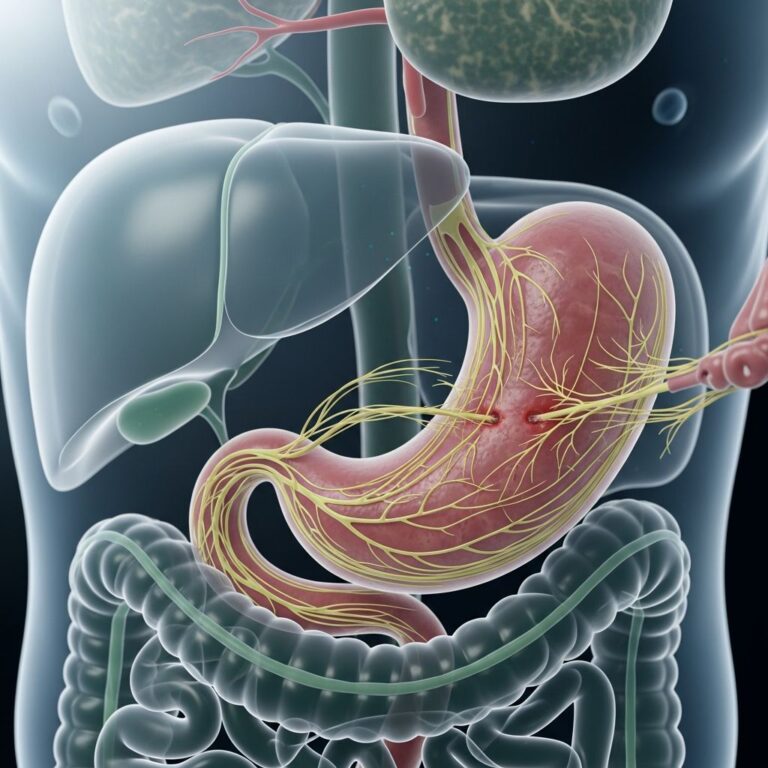
The eye maintains its shape and nourishes internal tissues through a clear fluid known as aqueous humor. Produced by the ciliary body, this fluid circulates within the anterior chamber—the space between the cornea and iris—before draining via a specialized structure called the trabecular meshwork located at the iridocorneal angle.
When drainage is impeded, intraocular pressure rises, potentially damaging the optic nerve and leading to vision loss. Gonioscopy provides a clear view of this angle, revealing narrowness, blockages, or abnormalities that routine exams might miss.
Understanding the Anterior Chamber Angle Anatomy
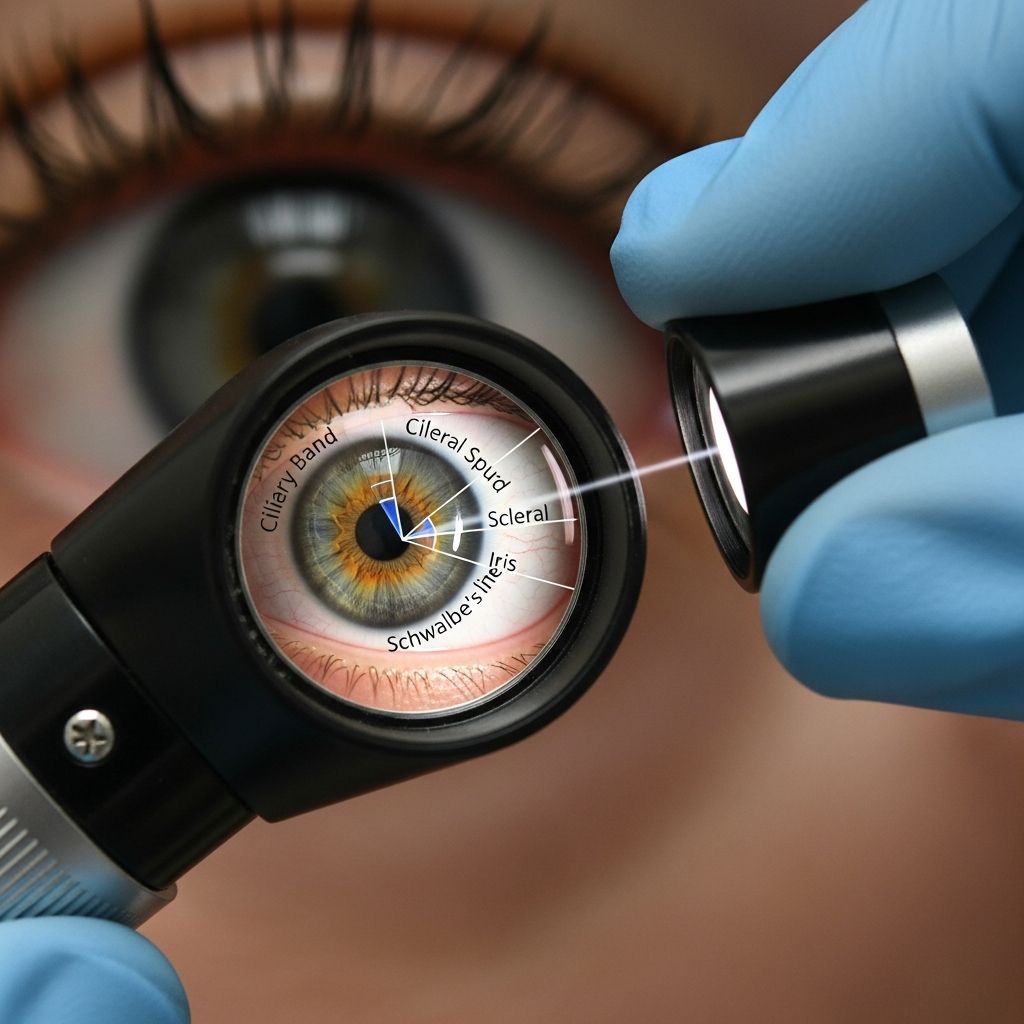
The drainage angle comprises several key landmarks identifiable during gonioscopy:
- Schwalbe’s line: Marks the boundary between the cornea’s end and the trabecular meshwork’s start.
- Trabecular meshwork: The sponge-like tissue responsible for fluid filtration.
- Scleral spur: A ridge anchoring eye muscles and supporting drainage pathways.
- Ciliary body band: Visible tissue extending from the iris root.
Recognizing these structures helps differentiate normal variations from pathological changes, such as synechiae or neovascularization.
Primary Techniques in Gonioscopy
Gonioscopy employs specialized lenses to overcome total internal reflection, allowing visualization of the angle obscured by the cornea-air interface. Two broad categories exist: indirect and direct methods.
Indirect Gonioscopy: The Standard Office Procedure
This approach, performed at a slit-lamp biomicroscope, uses lenses with mirrored surfaces to redirect light. Common lenses include Goldmann (three mirrors), Zeiss (four mirrors), Posner (four small mirrors), and Sussman (two mirrors for easier handling).
Procedure steps include:
- Numbing the eye with topical anesthetic drops.
- Applying a viscous agent like methylcellulose to the lens to eliminate air bubbles and ensure contact.
- Positioning the patient at the slit lamp, instructing them to gaze upward initially.
- Gently placing the lens on the cornea, then directing the gaze forward for sealing.
- Examining all four quadrants (superior, nasal, inferior, temporal) starting often with the inferior angle for its prominence.
Dynamic or compression gonioscopy enhances this by applying mild lens pressure, displacing aqueous humor to distinguish appositional closure (reversible iris-trabecular contact) from permanent peripheral anterior synechiae (PAS).
Direct Gonioscopy: Specialized Applications
Direct lenses, such as Koeppe or Swan-Jacob, provide an upright, unmirrored view of the angle. Best suited for supine patients, this method is common in operating rooms during pediatric exams under anesthesia or angle surgeries like goniotomy and minimally invasive glaucoma surgery (MIGS).
It requires coupling agents like saline or viscoelastic and is viewed via handheld slit lamp or surgical microscope.
Preparing for Your Gonioscopy Appointment
Gonioscopy is quick, typically lasting 5-10 minutes per eye, and painless due to anesthesia. Patients should:
Related Stories



- Remove contact lenses beforehand if advised, as they can interfere.
- Inform providers of allergies or sensitivities.
- Expect mild pressure sensation but no sharp pain.
- Attend with dilated pupils if combined with other tests, bringing sunglasses for light sensitivity.
No fasting or special diet is needed, making it accessible during routine visits.
Interpreting Gonioscopy Findings
Results classify the angle as open, narrow, or closed, using systems like Shaffer (grading 0-IV based on angle width) or Spaeth (considering structures visible).
| Grade | Angle Width | Clinical Implication |
|---|---|---|
| IV | 35-45° | Wide open; normal drainage |
| III | 20-35° | Moderately open; low risk |
| II | 5-20° | Narrow; monitor closely |
| I | 0-5° | Very narrow; high occlusion risk |
| 0 | Closed | Appositional or synechial; intervention needed |
Abnormalities include neovascularization (new blood vessels), pigment dispersion, or tumors obstructing flow.
Gonioscopy’s Critical Role in Glaucoma Care
Glaucoma affects millions worldwide, often silently until advanced. Gonioscopy classifies types:
- Open-angle glaucoma: Gradual trabecular resistance.
- Angle-closure glaucoma: Iris blocks access, acute or chronic.
- Secondary glaucomas: From trauma, inflammation, or surgery.
It guides treatments: laser iridotomy for closure risk, trabeculoplasty for open angles, or surgery for synechiae. Regular gonioscopy in at-risk patients (family history, high pressure, narrow angles) enables early intervention.
Benefits, Limitations, and Safety Profile
Advantages:
- Non-invasive with high diagnostic yield.
- Immediate results informing same-day management.
- Essential for surgical planning.
Potential Drawbacks:
- Temporary blurred vision from gel.
- Rare corneal abrasion if mishandled.
- Operator-dependent; requires skilled practitioners.
Complications are minimal; ophthalmologists and optometrists perform it safely routinely.
Who Should Consider Gonioscopy?
Recommended for:
- Adults over 40 during comprehensive exams.
- Glaucoma suspects with elevated pressure.
- Family history of angle-closure.
- Symptoms like halos, pain, or blurred vision.
- Post-trauma or surgery follow-ups.
Pregnant individuals or those with hyperopia (farsightedness) may benefit due to anatomical predispositions.
Advances and Future Directions in Angle Imaging
While traditional gonioscopy remains gold standard, technologies like anterior segment OCT and ultrasound biomicroscopy offer non-contact alternatives, though less comprehensive for dynamic assessment. Hybrid approaches may evolve standards.
Frequently Asked Questions (FAQs)
Does gonioscopy hurt?
No, numbing drops ensure comfort; you may feel slight pressure.
How long does the exam take?
About 5-10 minutes total.
Can I drive after gonioscopy?
Yes, unless pupils are dilated; vision may blur briefly from gel.
Is gonioscopy safe for children?
Yes, often under anesthesia for infants.
How often should I get gonioscopy?
As recommended, typically yearly for glaucoma patients.
Empowering Your Eye Health Journey
Understanding gonioscopy equips you to advocate for proactive care. Discuss with your eye doctor if angle assessment fits your profile, preserving sight through informed vigilance.
References
- Gonioscopy – EyeWiki — American Academy of Ophthalmology EyeWiki. 2023. https://eyewiki.org/Gonioscopy
- Gonioscopy skills and techniques — PMC – NIH. 2021-02-01. https://pmc.ncbi.nlm.nih.gov/articles/PMC8862628/
- Gonioscopy: What It Is, Procedure Details & Results — Cleveland Clinic. 2023. https://my.clevelandclinic.org/health/diagnostics/22421-gonioscopy
- What is Gonioscopy? — New England College of Optometry. 2023. https://www.neco.edu/gonioscopy/
- Gonioscopy Tips: Understanding Anatomical Landmarks — Eyes On Eyecare. 2023. https://eyesoneyecare.com/resources/gonioscopy-tips-understanding-anatomical-landmarks-and-their-significance/
- What Is Gonioscopy? A Comprehensive Guide — All About Vision. 2023. https://www.allaboutvision.com/ru/ukhod-za-glazami/testy-zreniya/gonioscopy/
Similar Articles








Read full bio of medha deb