Gonorrhoea: Symptoms, Diagnosis, Treatment In 2025
Comprehensive guide to gonorrhoea: causes, symptoms, diagnosis, treatment, and prevention of this common STI.

Gonorrhoea is a sexually transmitted infection (STI) caused by the bacterium Neisseria gonorrhoeae. It commonly infects the mucous membranes of the urethra, endocervix, rectum, pharynx, and conjunctiva. Although primarily a mucosal infection, it can disseminate to cause skin lesions, arthritis, and rarely more severe complications. Globally, the World Health Organization estimates millions of cases annually, with increasing antimicrobial resistance posing challenges. This article details clinical features, diagnosis, management, and prevention, drawing from high-authority sources like CDC and WHO.
What is gonorrhoea?
Gonorrhoea, also known as ‘the clap’, results from infection with Neisseria gonorrhoeae, a gram-negative diplococcus. Transmission occurs via sexual contact (vaginal, anal, oral) or vertically from mother to newborn, causing ophthalmia neonatorum. Asymptomatic carriage is common, especially in women (up to 80%), facilitating silent spread. The bacterium adheres to epithelial cells using pili, evading host immunity via phase variation.
Who gets gonorrhoea?
Anyone engaging in unprotected sex is at risk, but incidence peaks in adolescents and young adults aged 15–24 years. Men who have sex with men (MSM), sex workers, and individuals with multiple partners face higher risks. In 2023, CDC reported over 600,000 U.S. cases, with global figures exceeding 82 million annually per WHO. Co-infection with chlamydia or HIV is frequent, amplifying transmission.
What causes gonorrhoea?
N. gonorrhoeae is the sole causative agent, a fastidious aerobe requiring enriched media like chocolate agar for culture. Strains vary in antimicrobial susceptibility; multidrug-resistant lineages (e.g., ceftriaxone-resistant) are rising, particularly in the Asia-Pacific region. Vertical transmission risks neonatal blindness if untreated.
What are the clinical features of gonorrhoea?
Incubation averages 2–5 days (range 1–14). Many cases (10–15% men, 80% women) are asymptomatic.
Urethral gonorrhoea (most common in men)
Symptoms: purulent discharge (white/yellow/green), dysuria, frequency. Discharge may be copious (‘dripping tap’) or scant. Untreated, it resolves spontaneously in 50% but risks prostatitis or epididymitis.
Cervical gonorrhoea (most common in women)
Often silent; when symptomatic: mucopurulent discharge, dysuria, intermenstrual/postcoital bleeding, dyspareunia. Complications include pelvic inflammatory disease (PID), infertility, ectopic pregnancy.
Rectal gonorrhoea
Symptoms: discharge, bleeding, pain, tenesmus, pruritus. Common in MSM and women with anal sex. Asymptomatic in 50%.
Pharyngeal gonorrhoea
Usually asymptomatic; rare sore throat, exudative tonsillitis. Prevalent in MSM (up to 10% positivity).
Disseminated gonococcal infection (DGI)
Rare (0.5–3% untreated cases), via bacteremia. Two forms:
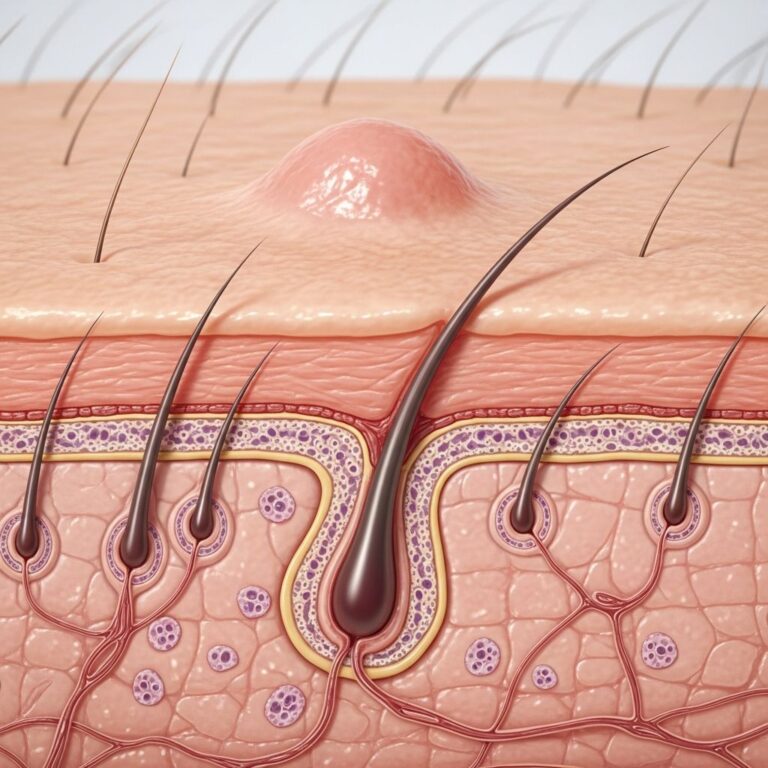
- Arthritis-dermatitis syndrome (70%): fever, polyarthralgia (wrists, ankles), tenosynovitis, sparse acral pustular/petechial rash (trunk, limbs, palms/soles spared face). Lesions evolve: macule → papule → vesicle → pustule/necrosis.
- Purulent arthritis (30%): mono/oligoarthritis (knees, wrists), no rash.
Rash in majority of DGI; Gram-negative diplococci on smears from lesions.
Other manifestations
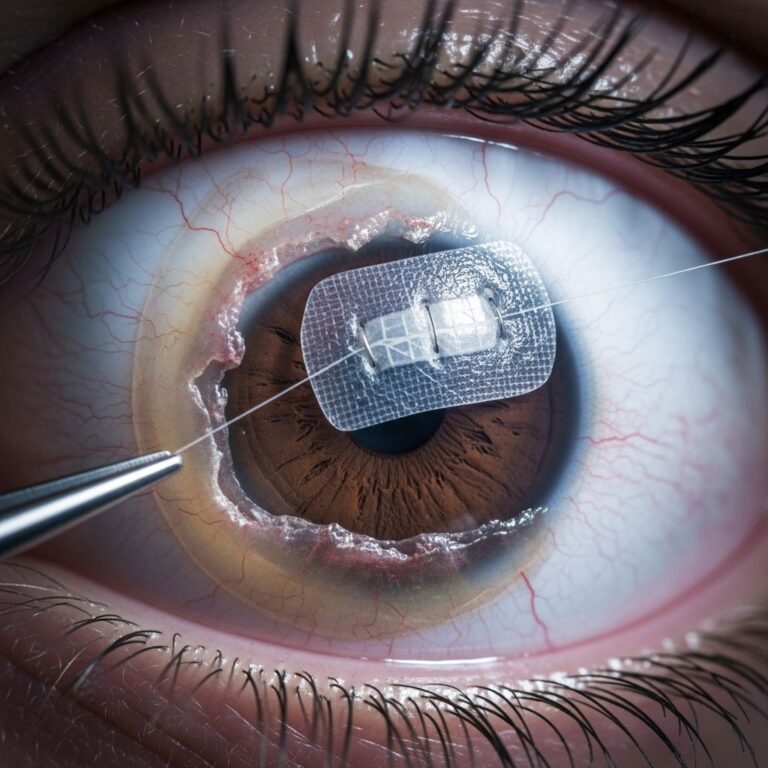
- Conjunctivitis: hyperacute (adults via autoinoculation), purulent discharge, chemosis, lid edema.
- Neonatal: ophthalmia neonatorum (prophylaxis with erythromycin ointment).
- Rare: endocarditis, meningitis, osteomyelitis, perihepatitis (Fitz-Hugh-Curtis), bartholinitis.
How is gonorrhoea diagnosed?
Diagnosis combines clinical suspicion, microscopy, and molecular tests. Screen high-risk groups annually.
Microscopy
Gram stain: intracellular gram-negative diplococci. Sensitivity: 90–95% symptomatic urethral (men), 20–50% cervical/pharyngeal.
Related Stories



Culture
Gold standard for susceptibility; Thayer-Martin media. Recommended for treatment failure, DGI, neonates.
Nucleic acid amplification tests (NAATs)
First-line: detects N. gonorrhoeae DNA/RNA (urine, swabs). Sensitivity >95%, suitable for extragenital sites. Self-collected samples feasible.
Other tests
Screen for chlamydia, syphilis, HIV, trichomoniasis. Test-of-cure (TOC) 7–14 days post-treatment for pharyngeal/DGI.
| Site | Preferred Test | Sensitivity |
|---|---|---|
| Urethra (symptomatic men) | Gram stain + NAAT | 90–95% |
| Cervix/Rectum/Pharynx | NAAT | >95% |
| DGI (skin/joint) | Culture | Variable |
What is the treatment for gonorrhoea?
Prompt dual therapy due to resistance. Treat partners; abstain 7 days post-treatment.
Uncomplicated genital/anorectal/pharyngeal
Ceftriaxone 500 mg IM (single dose) + azithromycin 1 g oral (covers chlamydia). Alternatives: cefixime 800 mg oral if IM unavailable, but TOC required.
DGI (arthritis-dermatitis/meningitis)
Ceftriaxone 1 g IM/IV q24h (7–14 days); switch to oral (ciprofloxacin/cefuroxime) after improvement if susceptible. Add doxycycline if chlamydia not excluded.
Purulent arthritis: ceftriaxone 1 g q24h; aspirate joints.
Neonatal
Ceftriaxone 25–50 mg/kg IV/IM (1–2 doses).
Resistance note: Monitor; gentamicin + azithromycin for cephalosporin allergy.
What is the outcome for gonorrhoea?
Curable with antibiotics; reinfection common without prevention. Complications if untreated: women – PID (10–20%), infertility; men – epididymitis; both – DGI, increased HIV risk. TOC ensures clearance, especially pharyngeal (10–20% failure).
How can gonorrhoea be prevented?
- Consistent condom use (male/female).
- Regular STI screening (high-risk: q3–6 months).
- Partner notification/treatment.
- Neonatal prophylaxis (povidone-iodine/erythromycin).
- Vaccination research ongoing (meningococcal vaccines partial cross-protection).
Patient information leaflet
Gonorrhoea factsheet: Symptoms, tests, treatment, notify partners, avoid sex until cleared. Complications rare with prompt care.
Frequently Asked Questions
Q: Is gonorrhoea curable?
A: Yes, with antibiotics like ceftriaxone + azithromycin. Complete course and TOC essential.
Q: Can gonorrhoea be asymptomatic?
A: Yes, especially women (80%); still transmissible.
Q: Does gonorrhoea cause skin rash?
A: In DGI, yes: acral petechiae/pustules on trunk/limbs/palms/soles.
Q: How soon after exposure do symptoms appear?
A: 1–14 days, average 2–5.
Q: Can I get gonorrhoea from oral sex?
A: Yes, pharyngeal infection common.
References
- Gonorrhoea – DermNet — DermNet NZ. 2023. https://dermnetnz.org/topics/gonorrhoea
- Gonococcal Infections Among Adolescents and Adults – CDC — Centers for Disease Control and Prevention. 2021-06-01. https://www.cdc.gov/std/treatment-guidelines/gonorrhea-adults.htm
- Gonorrhoea (Neisseria gonorrhoeae infection) — World Health Organization. 2024-07-18. https://www.who.int/news-room/fact-sheets/detail/gonorrhoea-(neisseria-gonorrhoeae-infection)
- Chlamydia, Gonorrhea, and Syphilis – ACOG — American College of Obstetricians and Gynecologists. 2023. https://www.acog.org/womens-health/faqs/chlamydia-gonorrhea-and-syphilis
- Gonorrhea – Symptoms and causes – Mayo Clinic — Mayo Clinic. 2024. https://www.mayoclinic.org/diseases-conditions/gonorrhea/symptoms-causes/syc-20351774
Similar Articles








Read full bio of Sneha Tete