Good Carbs, Bad Carbs: Your Complete Guide
Discover the difference between good carbs and bad carbs to boost energy, manage weight, and improve your health with expert-backed choices.
Carbohydrates often get a bad reputation in diet trends, but not all carbs are equal. Understanding the difference between good carbs and bad carbs is key to fueling your body properly, stabilizing blood sugar levels, and supporting long-term health. Good carbs provide sustained energy, essential nutrients, and fiber, while bad carbs can lead to energy crashes, weight gain, and increased disease risk.
What Are Good Carbs?
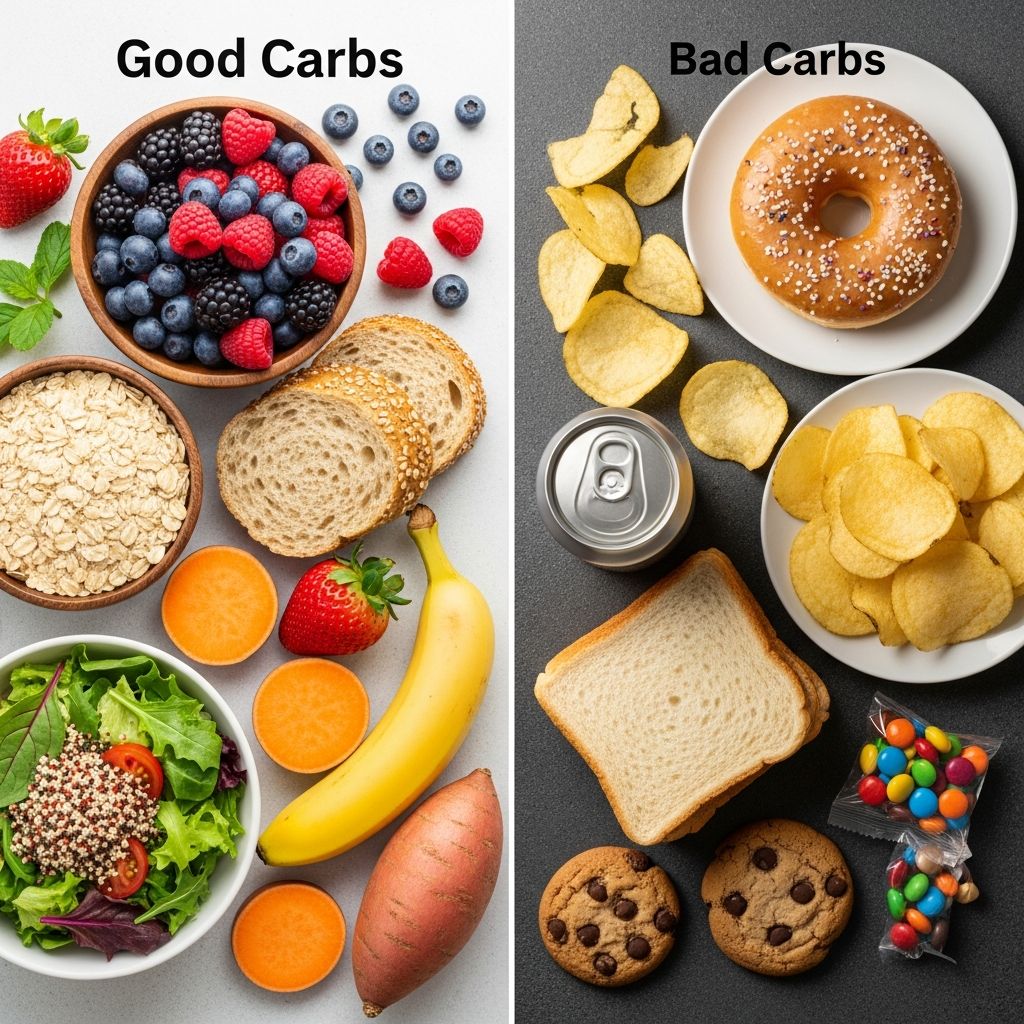
Good carbs, also known as complex or whole carbohydrates, are minimally processed foods rich in fiber, vitamins, minerals, and antioxidants. They digest slowly, providing steady energy release and promoting satiety. Examples include whole grains like brown rice and quinoa, legumes such as beans and lentils, fruits, vegetables, and low-fat dairy products.
Fiber in good carbs slows sugar absorption, preventing blood sugar spikes. Research shows high-fiber carb sources like vegetables, fruits, and whole grains improve metabolic health and reduce disease risk.
- Whole grains: Brown rice, oats, quinoa, barley
- Legumes: Beans, lentils, chickpeas
- Fruits: Berries, apples, bananas, oranges
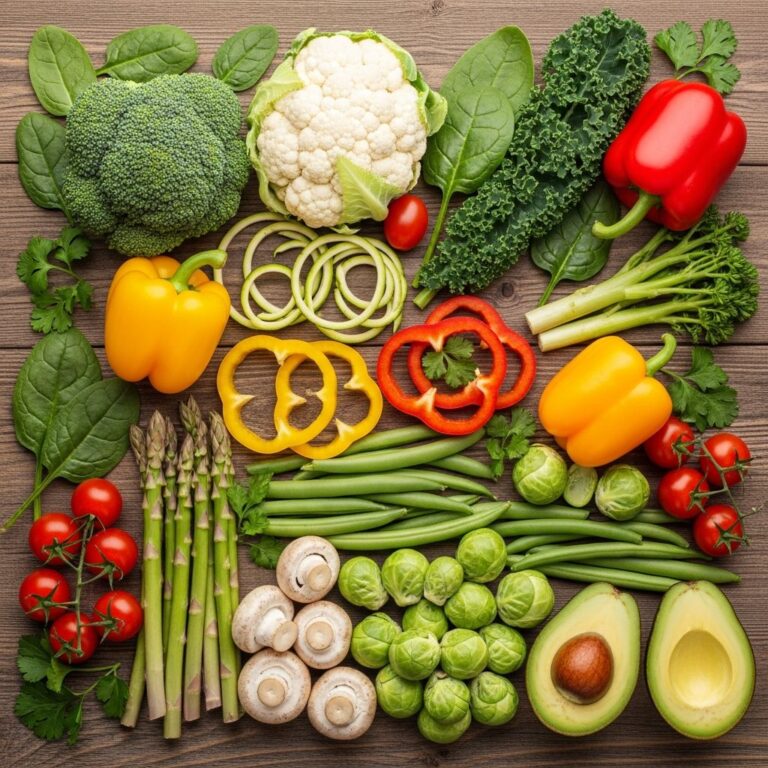
- Vegetables: Leafy greens, broccoli, sweet potatoes
- Dairy: Low-fat yogurt, milk
What Are Bad Carbs?
Bad carbs are refined or simple carbohydrates that are stripped of fiber and nutrients during processing. They include white bread, sugary cereals, sodas, candies, and processed snacks. These cause rapid blood sugar rises followed by crashes, leading to fatigue, hunger, and potential weight gain.
Refined carbs are calorie-dense but nutrient-poor, often called “empty calories.” Diets high in these are linked to obesity, type 2 diabetes, and heart disease.
- Refined grains: White bread, white rice, white pasta
- Sugary foods: Cookies, cakes, candies
- Beverages: Soda, fruit juice, energy drinks
- Processed snacks: Potato chips, French fries, crackers
Good Carbs vs. Bad Carbs: Key Differences
The main distinction lies in processing, fiber content, and glycemic impact. Here’s a comparison:
| Aspect | Good Carbs | Bad Carbs |
|---|---|---|
| Processing | Minimally processed, whole foods | Highly refined, stripped of bran and germ |
| Fiber Content | High (slows digestion) | Low (quick digestion) |
| Glycemic Index | Low to medium (steady energy) | High (spikes and crashes) |
| Nutrients | Rich in vitamins, minerals, antioxidants | Mostly empty calories |
| Health Impact | Supports weight management, heart health | Linked to obesity, diabetes risk |
How Carbs Affect Your Blood Sugar
Carbohydrates break down into glucose, the body’s primary energy source. Good carbs release glucose gradually due to fiber, maintaining stable blood sugar. Bad carbs flood the bloodstream quickly, prompting insulin surges that can lead to fat storage and hunger soon after.
Studies confirm refined carbs contribute to higher obesity rates, not total carb intake. Overweight individuals often consume more refined carbs like white bread, while leaner people favor unrefined sources.
Health Benefits of Good Carbs
Incorporating good carbs offers multiple benefits:
- Weight Control: Fiber promotes fullness, reducing overeating. Low-carb diets aid short-term loss, but whole-carb diets sustain health long-term.
- Heart Health: Omega-3 rich good carbs like salmon pair well, but whole grains lower cholesterol.
- Stable Energy: Prevents crashes, ideal for workouts.
- Disease Prevention: Reduces risks of diabetes, stroke, and more via metabolic improvements.
- Brain Function: Carbs fuel the brain; quality sources support cognition.
Related Stories



Health Risks of Bad Carbs
Excess bad carbs contribute to:
- Obesity from calorie density and insulin response.
- Type 2 diabetes via chronic blood sugar dysregulation.
- Heart disease from inflammation and poor lipid profiles.
- Fatigue and mood swings from energy fluctuations.
Populations with high refined carb intake show poorer health outcomes, debunking myths that all carbs cause obesity.
Incorporating Good Carbs into Your Diet
Switching to good carbs is straightforward:
- Aim for 5+ servings of fruits/veggies daily: Add to eggs, oatmeal, salads.
- Choose whole grains: Swap white rice for brown.
- Timing matters: Eat before/after workouts (e.g., banana), across meals for stability.
- Pair with proteins/veggies: Enhances nutrient absorption.
Sample daily intake: Breakfast oatmeal with berries; lunch quinoa salad; snack apple; dinner sweet potato with beans.
Good Carbs vs. Bad Carbs Food Swap Guide
| Bad Carb | Good Carb Swap | Benefits |
|---|---|---|
| White bread | Whole-wheat bread | More fiber, sustained energy |
| White rice | Brown rice or quinoa | Nutrient-rich, lower GI |
| Soda | Sparkling water with fruit | No added sugar |
| Potato chips | Popcorn or nuts | High fiber, low fat |
| Cookies | Fresh fruit or yogurt | Antioxidants, protein |
Common Myths About Carbs
Myth 1: All carbs cause weight gain. False—refined carbs do, not whole ones. Humans thrived on high-carb diets historically.
Myth 2: Carbs aren’t essential. Brain needs ~130g daily; whole carb foods are nutrient powerhouses.
Myth 3: Glycemic index is the best guide. It’s variable; focus on whole foods. USDA doesn’t endorse it.
Meal Ideas with Good Carbs
- Breakfast: Oatmeal topped with banana, blueberries, walnuts.
- Lunch: Chickpea salad with greens, tomatoes, olive oil.
- Dinner: Grilled salmon, quinoa, broccoli.
- Snack: Apple slices with yogurt or air-popped popcorn.
Frequently Asked Questions (FAQs)
What counts as a good carb?
Whole, fiber-rich foods like fruits, vegetables, legumes, and whole grains that digest slowly and provide nutrients.
Can I eat bad carbs occasionally?
Moderation is key; limit to avoid health risks, but focus on 80/20 rule with mostly good carbs.
How many carbs should I eat daily?
About 45-65% of calories from carbs, prioritizing whole sources per dietary guidelines.
Do low-carb diets work long-term?
Short-term yes, but long-term, whole-carb diets better for heart health and sustainability.
Are potatoes good or bad?
Whole potatoes are good; processed like fries are bad due to lost nutrients.
Final Tips for Carb Success
Read labels for whole ingredients, prioritize fiber >10g/serving, and listen to your body. Consult a doctor for personalized advice.
References
- Carbs: A Guide to the Good and the Bad — CCS Medical, Amanda Tovar RDN. 2023. https://ccsmed.com/education/carbs-a-guide-to-the-good-and-the-bad/
- Good Carbs vs Bad Carbs: New Science — Pritikin Longevity Center. 2023. https://www.pritikin.com/your-health/health-benefits/healthy-weight-loss/554-its-the-type-of-carbohydrate-not-the-quantity-that-puts-on-pounds.html
- Carbohydrates: Whole vs. Refined — Here’s the Difference — Healthline. 2023-10-12. https://www.healthline.com/nutrition/good-carbs-bad-carbs
- Role of Dietary Carbohydrates in Cognitive Function: A Review — PMC (NIH). 2024. https://pmc.ncbi.nlm.nih.gov/articles/PMC12209867/
Similar Articles








Read full bio of medha deb