A Good Guide to Good Carbs: The Glycemic Index
Master carbohydrate choices using the glycemic index for better health and sustained energy.

Understanding Carbohydrates and Blood Sugar Control
Not all carbohydrates are created equal. The quality of the carbohydrates you consume has a significant impact on your overall health, weight management, and blood sugar stability. For decades, nutritionists and health professionals have sought a way to distinguish between carbohydrates that provide sustained energy and those that cause rapid spikes in blood glucose levels. The glycemic index provides a practical framework for making these distinctions and choosing foods that support long-term health objectives.
Understanding how different foods affect your blood sugar is essential in today’s health landscape. Many chronic diseases, including type 2 diabetes, heart disease, and obesity, are linked to poor blood sugar control and rapid fluctuations in glucose levels. By learning to identify and choose lower glycemic index foods, you can take control of your nutritional intake and reduce your risk of developing these conditions.
What Is the Glycemic Index?
The glycemic index is a numerical scale ranging from 1 to 100 that ranks carbohydrate-containing foods based on how quickly they raise blood glucose levels after consumption. This measurement system compares the effect of a food on blood sugar to the effect of pure glucose, which serves as the reference standard with a value of 100.
The concept of the glycemic index emerged from decades of nutritional research aimed at helping people with diabetes manage their condition more effectively. Scientists recognized that carbohydrates have vastly different effects on blood sugar levels, and this led to the development of a standardized measurement system. Today, the glycemic index is widely used by nutritionists, dietitians, and health professionals as a tool for dietary planning and disease prevention.
The scale categorizes foods as follows:
- Low GI foods: Glycemic index of 55 or less
- Medium GI foods: Glycemic index between 56 and 69
- High GI foods: Glycemic index of 70 or higher
Low GI Foods Versus High GI Foods
Understanding the difference between low and high glycemic index foods is fundamental to making better nutritional choices. These two categories have distinctly different effects on your body’s metabolism and energy levels.
Low Glycemic Index Foods
Low GI foods are digested slowly and have a gradual, steady impact on blood sugar levels. When you consume these foods, glucose enters your bloodstream gradually over an extended period, providing consistent energy without dramatic fluctuations. This steady release of glucose offers several important health benefits:
- Sustained energy throughout the day without crashes
- Improved satiety and fullness after meals
- Better appetite control and reduced cravings
- More stable mood and concentration
- Support for weight loss and weight management
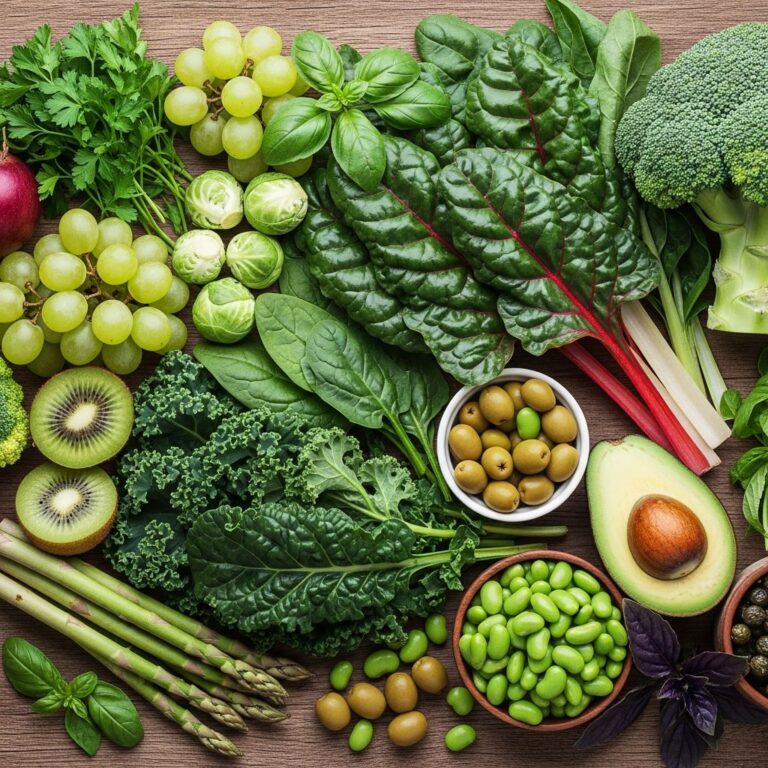
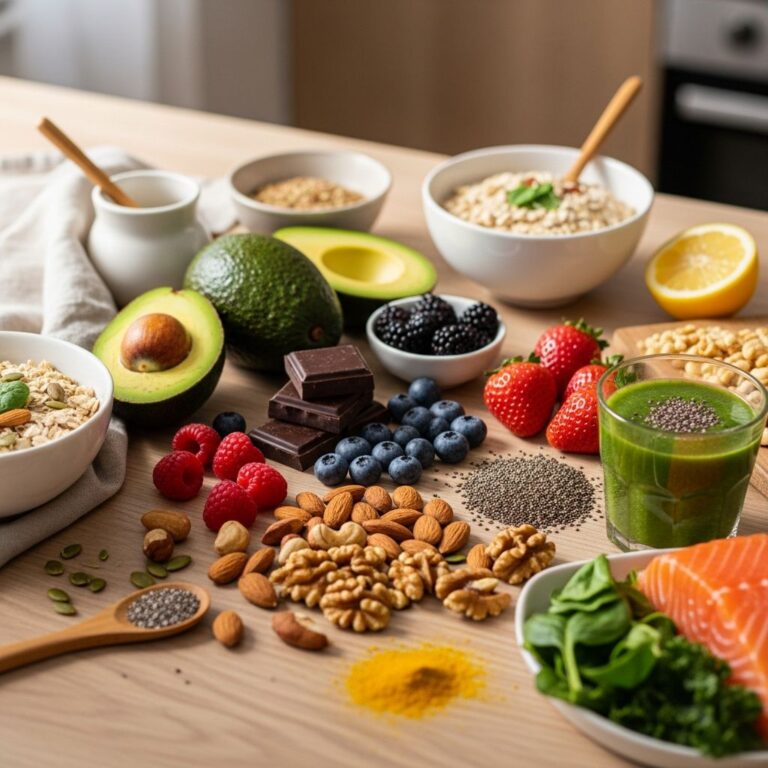
Examples of low GI foods include whole grain breads, legumes, most vegetables, and certain fruits like berries and apples. These foods typically contain higher fiber content, which slows digestion and glucose absorption.
High Glycemic Index Foods
High GI foods are digested quickly and cause a rapid spike in blood sugar levels. After consuming these foods, glucose enters the bloodstream quickly, providing a burst of energy that is typically followed by a sharp decline or crash. This pattern can lead to several negative effects:
Related Stories



- Rapid energy surges followed by significant crashes
- Increased hunger and cravings shortly after eating
- Difficulty maintaining consistent energy levels
- Greater stress on the pancreas to produce insulin
- Potential weight gain and metabolic challenges
High GI foods include white bread, sugary cereals, refined pasta, and processed snacks. While these foods have limited nutritional benefits for most people, they can be useful in specific contexts, such as for athletes recovering from intense exercise who need rapid glucose replenishment.
The Limitations of Glycemic Index Alone
While the glycemic index provides valuable information about how quickly foods affect blood glucose levels, it tells only part of the story. The GI does not account for portion sizes or the actual amount of carbohydrate present in a typical serving of food. This limitation can lead to incomplete dietary decisions.
Consider the example of watermelon: this fruit has a high glycemic index of 80, which might suggest it should be avoided. However, a typical serving of watermelon contains only 6 grams of carbohydrates. Because of this low carbohydrate content, the actual impact on blood sugar is minimal. If you relied solely on the glycemic index without considering portion size, you might unnecessarily eliminate a nutritious fruit from your diet.
This gap in the measurement system led nutritional scientists to develop a more comprehensive metric that would provide a complete picture of how foods actually affect blood glucose levels in real-world eating situations.
Introducing Glycemic Load
Glycemic load is a more complete measurement that addresses the limitations of the glycemic index by factoring in both the quality and quantity of carbohydrates in a food. The glycemic load calculation multiplies the grams of carbohydrate in a serving by the food’s glycemic index, then divides by 100. The formula is:
(Grams of carbohydrate × Glycemic index) ÷ 100 = Glycemic load
This calculation provides a more accurate picture of a food’s real-life impact on blood sugar levels because it incorporates both how quickly the carbohydrates are absorbed and how much carbohydrate is actually present in a serving. The glycemic load is categorized as follows:
- Low GL: 10 or less
- Medium GL: 11 to 19
- High GL: 20 or more
Low Glycemic Load Foods Versus High Glycemic Load Foods
Just as the glycemic index distinguishes between how quickly foods affect blood sugar, glycemic load helps you understand the actual magnitude of that effect based on realistic serving sizes.
Low Glycemic Load Foods
Foods with a low glycemic load have a minimal impact on blood sugar levels and are excellent choices for everyday eating. These foods support stable energy, improved weight management, and better overall health. They include most vegetables, legumes, whole grains, and fruits that are lower in natural sugars.
High Glycemic Load Foods
Foods with a high glycemic load cause significant increases in blood glucose and should be consumed less frequently or in smaller portions. These typically include refined grains, sugary beverages, desserts, and highly processed foods.
Practical Application: Making Better Food Choices
Understanding both glycemic index and glycemic load empowers you to make informed dietary decisions that support your health goals. Here are practical strategies for incorporating this knowledge into your daily eating patterns:
- Choose whole grain products instead of refined grain products
- Combine high GI foods with protein or healthy fats to lower overall glycemic load
- Prioritize vegetables, legumes, and whole fruits over processed alternatives
- Read nutrition labels to understand serving sizes and carbohydrate content
- Use the glycemic index as a guide rather than an absolute rule
- Consider your individual health status and nutritional needs
Health Benefits of Following a Low Glycemic Index Diet
Following a diet rich in low glycemic index foods has been associated with numerous health benefits supported by scientific research. These benefits extend beyond simple weight management to include disease prevention and improved quality of life.
Weight Management and Metabolic Health
Low GI foods promote weight loss and weight maintenance by improving satiety and reducing overall calorie intake. The sustained energy from these foods reduces cravings and helps prevent overeating.
Blood Sugar and Diabetes Management
For people with diabetes or prediabetes, consuming predominantly low GI foods helps maintain stable blood glucose levels and reduces the burden on the pancreas to produce excessive amounts of insulin.
Cardiovascular Health
Low glycemic index diets are associated with improved cholesterol levels, reduced inflammation, and better overall cardiovascular health.
Energy and Cognitive Function
Stable blood sugar levels support consistent energy throughout the day and improve concentration, mood, and cognitive performance.
Glycemic Index Reference Guide: Common Foods
Understanding where common foods fall on the glycemic index scale helps you make quick dietary decisions. Below is a reference guide for frequently consumed foods:
| Food Category | Examples | Glycemic Index |
|---|---|---|
| Breakfast Cereals | Oatmeal (average), Instant oatmeal | 55, 79 |
| Grains | Pearled barley, White rice | 25, 72 |
| Pasta | Whole-grain spaghetti, White spaghetti | 42, 58 |
| Bakery Products | Banana cake (sugar), Banana cake (no sugar) | 47, 55 |
| Snacks | Corn chips, Plain pizza | 42, 80 |
Special Considerations: Context Matters
While low glycemic index foods are generally superior for most people, context and individual circumstances do matter. Athletes engaged in intense endurance activities may benefit from high GI foods immediately after exercise to rapidly replenish depleted muscle glycogen stores. People with hypoglycemia or insufficient blood sugar may occasionally need higher GI foods to quickly raise their glucose levels.
The key is understanding your individual health status, activity level, and dietary needs, then making informed choices based on this personalized information.
Building a Sustainable Low Glycemic Index Lifestyle
Transitioning to a lower glycemic index diet does not require drastic changes or the elimination of entire food groups. Instead, consider making gradual substitutions that improve your overall dietary pattern:
- Replace white bread with whole grain or sprouted grain bread
- Choose steel-cut oats instead of instant oatmeal
- Substitute white rice with brown rice or quinoa
- Select whole fruits over fruit juices
- Add legumes and beans to meals for sustained energy
- Combine carbohydrates with protein and healthy fats
Frequently Asked Questions
Q: Is the glycemic index the only factor I should consider when choosing carbohydrates?
A: No, the glycemic index is one important tool among many. You should also consider the overall nutritional value of foods, including fiber, vitamins, minerals, and the presence of added sugars. A holistic approach to nutrition is most effective.
Q: Can I eat high glycemic index foods if I combine them with protein or fat?
A: Yes, combining high GI carbohydrates with protein or healthy fats slows digestion and reduces the overall glycemic load of the meal. This is an effective strategy for managing blood sugar impact.
Q: Are all low glycemic index foods equally nutritious?
A: No, while low GI foods are generally healthier choices, you should still prioritize nutrient-dense options. For example, legumes and whole grains are superior choices compared to processed foods with added artificial sweeteners.
Q: How long does it take to see health benefits from switching to a low GI diet?
A: Many people notice improved energy levels and reduced cravings within days to weeks. However, significant changes in weight, blood sugar control, and metabolic health typically take several weeks to months of consistent dietary adherence.
Q: Should everyone follow a low glycemic index diet?
A: While low GI foods are beneficial for most people, individual nutritional needs vary. People with certain medical conditions, athletes, or those with specific dietary requirements should consult healthcare professionals for personalized guidance.
Q: How do I know the glycemic index of foods not listed in reference guides?
A: The International Glycemic Index Database provides comprehensive listings of thousands of foods. You can also use food tracking apps that include glycemic index information, or consult with a registered dietitian for specific foods.
References
- Glycemic Index Reference Guide — Charleston Sports Medicine. Accessed December 2025. https://www.charlestonsportsmed.com/glycemic-index-reference-guide/
- Glycemic Index and Glycemic Load for 100+ Foods — Harvard Health Publishing. Published February 2015. Updated August 27, 2015. https://www.health.harvard.edu/
- International Tables of Glycemic Index and Glycemic Load Values — Diabetes Care, Vol. 31, No. 12, pages 2281-2283. December 2008. Published by American Diabetes Association.
Similar Articles








Read full bio of medha deb