The Good Side of Bacteria: Health Benefits Explained
Discover how beneficial bacteria support immune function, digestion, and overall wellness.
The Good Side of Bacteria: Understanding Your Microbiome’s Role in Health
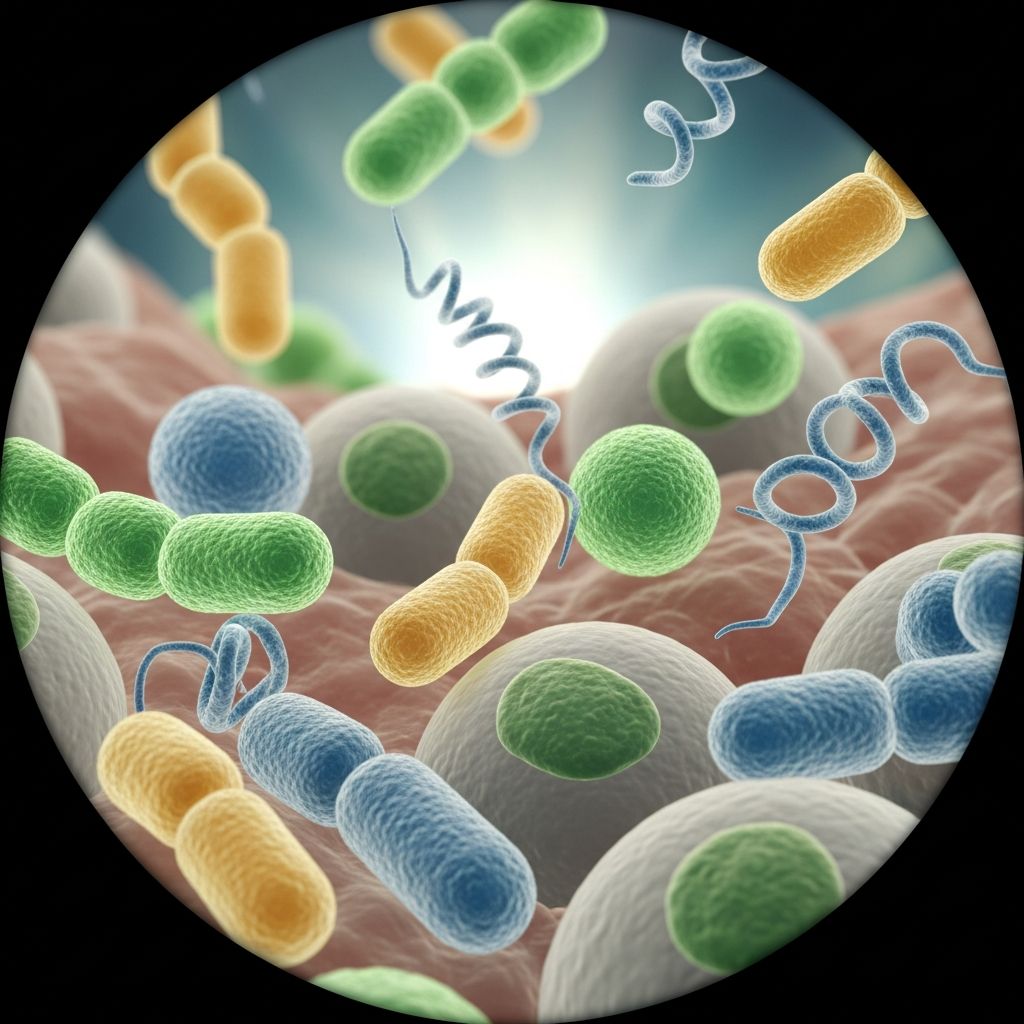
When we hear the word “bacteria,” many people immediately think of infection, illness, and disease. However, this perception overlooks a fundamental truth: trillions of bacteria living in and on our bodies are essential for health, survival, and optimal functioning. These microorganisms, collectively known as the microbiome, form a complex ecosystem that influences everything from digestion to immune function to mental well-being. Understanding the positive roles these bacteria play is crucial for making informed decisions about health and wellness.
The human microbiome consists of microbes that are both helpful and potentially harmful, with most relationships being symbiotic—meaning both the human body and the microbiota benefit from their coexistence. Far from being invaders, beneficial bacteria are partners in maintaining health, and recent scientific research continues to uncover the remarkable ways they support our bodies.
The Essential Functions of Beneficial Bacteria
Beneficial bacteria perform numerous critical functions that keep our bodies running smoothly. These microorganisms have evolved alongside humans for millennia, developing intricate relationships that support multiple biological systems.
Supporting Immune Function
One of the most important roles of beneficial bacteria is stimulating and regulating the immune system. The bacteria in our gut interact with immune cells, helping train them to distinguish between harmful invaders and beneficial organisms. This training process is essential for developing appropriate immune responses. When the balance of beneficial bacteria is disrupted, immune function can suffer, potentially leading to increased susceptibility to infections and inflammatory conditions.
Recent research from Harvard Medical School has revealed how specific bacterial metabolites can influence immune responses, demonstrating that the relationship between gut bacteria and immunity is far more sophisticated than previously understood. These findings suggest that nurturing a diverse and balanced microbiome may be one of the most fundamental ways to support overall immune health.
Synthesizing Vitamins and Amino Acids
Beneficial bacteria serve as internal vitamin factories, synthesizing essential nutrients that our bodies cannot produce independently. This is particularly true for B vitamins and vitamin K, which are crucial for energy metabolism, bone health, and blood clotting. Remarkably, the key enzymes needed to form vitamin B12 are found only in bacteria, not in plants or animals, making our relationship with these microorganisms literally vital.
Without these bacterial partners, we would be unable to meet our vitamin requirements through diet alone, no matter how nutritionally complete our meals might be. This dependency highlights how deeply integrated beneficial bacteria are with our fundamental biological processes.
Breaking Down Complex Food Compounds
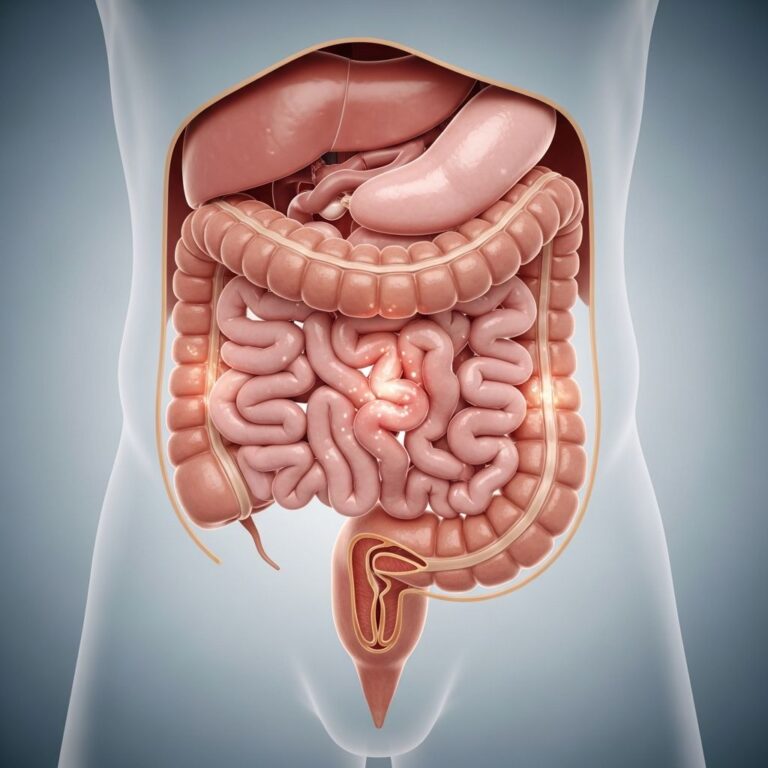
Beneficial bacteria break down potentially toxic food compounds and complex carbohydrates that our digestive enzymes cannot process. Dietary fiber, for example, can only be broken down and fermented by enzymes from microbiota living in the colon. This fermentation process produces short-chain fatty acids (SCFA), which have profound effects on health.
Short-chain fatty acids lower the pH of the colon, determining which types of microbiota survive in this acidic environment and limiting the growth of harmful bacteria like Clostridium difficile. Growing research on SCFA explores their wide-ranging effects on health, including stimulating immune cell activity and maintaining normal blood levels of glucose and cholesterol.
Related Stories



Protecting Against Harmful Pathogens
Beneficial bacteria act as a protective barrier against pathogenic organisms that may enter the body through contaminated food or water. By establishing themselves throughout the digestive tract and competing with harmful microorganisms for space and nutrients, beneficial bacteria create an inhospitable environment for pathogens.
This protective function is so effective that when antibiotics wipe out beneficial bacteria along with harmful ones, the body becomes vulnerable to infection from organisms that normally cannot establish themselves—a phenomenon illustrated by antibiotic-associated diarrhea and more serious infections like those caused by Clostridium difficile.
The Microbiome and Mental Health
Emerging research reveals that the gut-brain connection is more than just a metaphor—it’s a biological reality. Scientists are uncovering evidence that the gut microbiome plays a crucial role in mental well-being and mood regulation. Specific bacteria and the molecules they produce can influence brain chemistry and immune function in ways that affect emotional and psychological health.
Research from Harvard Medical School has identified inflammatory mechanisms triggered by specific bacterial metabolites that may influence conditions like depression. This groundbreaking work suggests that depression, or a subset of cases, could be considered an autoinflammatory or autoimmune disease potentially amenable to treatment through microbiome-targeted interventions.
Fermented Foods and Microbiome Diversity
One of the most practical ways to support beneficial bacteria is through diet, particularly by consuming fermented foods. A landmark clinical trial conducted at Stanford School of Medicine demonstrated that a diet rich in fermented foods enhances the diversity of gut microbes and decreases molecular signs of inflammation.
In this study, 36 healthy adults were randomly assigned to a 10-week diet including either fermented or high-fiber foods. Those consuming fermented foods such as yogurt, kefir, fermented cottage cheese, kimchi, fermented vegetables, vegetable brine drinks, and kombucha tea experienced an increase in overall microbial diversity, with stronger effects from larger servings.
Notably, participants in the fermented-food group showed less activation in four types of immune cells, and the levels of 19 inflammatory proteins measured in blood samples decreased. One of these proteins, interleukin 6, has been linked to conditions such as rheumatoid arthritis, Type 2 diabetes, and chronic stress. These findings demonstrate that even short-term dietary changes can reproducibly remodel the microbiota and improve immune function.
Fiber’s Complex Relationship with the Microbiome
While dietary fiber is undoubtedly beneficial and has been associated with lower rates of mortality, the Stanford research revealed a more nuanced picture than previously expected. Participants assigned to a high-fiber diet rich in legumes, seeds, whole grains, nuts, vegetables, and fruits did not show the same improvements in microbiota diversity or inflammatory markers as those consuming fermented foods.
On average, the diversity of gut microbes in the high-fiber group remained stable, and none of the 19 inflammatory proteins decreased. Researchers found that greater fiber intake led to more carbohydrates in stool samples, pointing to incomplete fiber degradation by gut microbes—suggesting that the microbiome of people living in the industrialized world may be depleted of fiber-degrading microbes.
This finding suggests that longer interventions or the deliberate introduction of fiber-consuming microbes may be required to increase the microbiota’s capacity to break down carbohydrates effectively. The implications are significant: simply increasing fiber intake alone over short periods may be insufficient to enhance microbiota diversity in those whose microbiomes are depleted of the necessary bacteria.
Health Conditions Influenced by Microbiome Balance
Low microbiome diversity has been linked to numerous modern health challenges, including obesity and diabetes. This connection reveals why nurturing beneficial bacteria isn’t merely about preventing infection—it’s fundamental to metabolic health and disease prevention.
Clinical studies have shown that short-chain fatty acids produced by beneficial bacteria may be useful in treating ulcerative colitis, Crohn’s disease, and antibiotic-associated diarrhea. This therapeutic potential highlights how supporting microbiome health may offer practical benefits for those managing chronic digestive conditions.
Supporting Your Beneficial Bacteria
Dietary Strategies
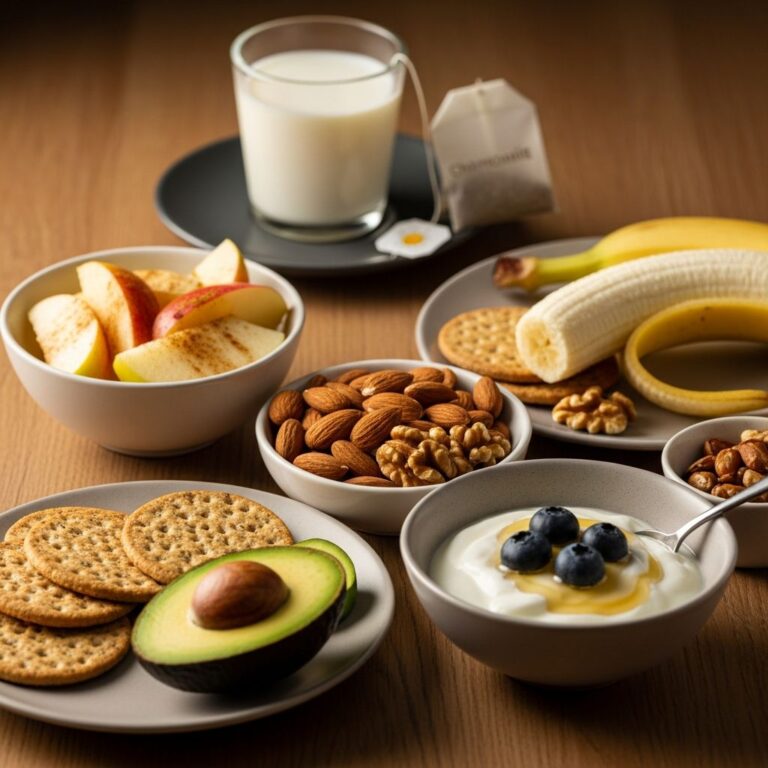
– Consume fermented foods regularly: yogurt, kefir, kimchi, sauerkraut, and kombucha- Include diverse plant foods to feed beneficial bacteria- Consider fermented vegetable drinks and cultured dairy products- Limit processed foods that can disrupt microbial balance
Long-term Microbiome Health
Research shows that while short-term dietary changes can rapidly alter the gut microbiome, the microbiome also displays general resilience over short periods. This means that sustainable, long-term dietary changes are more likely to produce lasting improvements in microbiota diversity and health outcomes.
Scientists are exploring whether combining high-fiber and fermented foods may synergize to influence the microbiome and immune system more effectively than either approach alone. Future research will likely reveal optimal combinations of dietary and microbial strategies for different populations and health conditions.
The Future of Microbiome Research
Our understanding of the beneficial bacteria in our bodies continues to evolve rapidly. Researchers are investigating how different populations—including pregnant women, older individuals, and those with specific health conditions—might benefit from microbiome-targeted interventions.
Scientists are also exploring the molecular mechanisms by which diets alter the microbiome and reduce inflammatory proteins, with studies in animal models providing insights applicable to human health. This research agenda suggests that personalized microbiome interventions tailored to individual needs may become an important component of preventive medicine and disease treatment.
Key Takeaways About Beneficial Bacteria
Beneficial bacteria are not invaders to be feared but essential partners in maintaining health. These microorganisms:
– Stimulate immune system function and regulation- Synthesize vitamins and amino acids our bodies cannot produce independently- Break down complex food compounds and produce beneficial short-chain fatty acids- Protect against harmful pathogens through competitive exclusion- Influence mental health and emotional well-being through the gut-brain axis- Support metabolic health and help prevent chronic diseases
Frequently Asked Questions
Q: Are all bacteria in the human body beneficial?
A: No, the microbiome consists of both helpful and potentially harmful bacteria. Most relationships are symbiotic, but pathogenic bacteria can cause disease when they proliferate or enter inappropriate locations. The key is maintaining a diverse, balanced microbiome where beneficial bacteria predominate.
Q: Can I improve my microbiome diversity quickly?
A: While fermented foods can produce rapid improvements in microbiota diversity and reduce inflammatory markers within weeks, sustained long-term dietary changes are more likely to produce lasting benefits. The microbiome shows both responsiveness to diet changes and resilience over short periods.
Q: Do I need supplements to support beneficial bacteria?
A: Whole foods, particularly fermented foods and diverse plant foods, appear to be more effective at improving microbiota diversity than supplements alone. However, research continues to explore whether specific probiotic supplements provide additional benefits in certain health conditions.
Q: How does the microbiome affect mental health?
A: Specific bacteria produce molecules that can influence immune function and brain chemistry, affecting mood and mental well-being through the gut-brain axis. Research suggests that maintaining a healthy microbiome may be one strategy for supporting mental health, though this field remains in early stages of investigation.
Q: What happens when antibiotics destroy beneficial bacteria?
A: When antibiotics kill beneficial bacteria along with harmful ones, the body loses protection against pathogens and the benefits bacteria provide. This can lead to infections like Clostridium difficile, reduced nutrient synthesis, and altered immune function until beneficial bacteria recover.
References
- Fermented-food diet increases microbiome diversity, decreases inflammation — Stanford School of Medicine. 2021-07-12. https://med.stanford.edu/news/all-news/2021/07/fermented-food-diet-increases-microbiome-diversity-lowers-inflammation.html
- Harvard Scientists Uncover How Gut Bacteria Fuel Inflammation and Depression — Harvard Medical School. 2024-01-16. https://www.hsph.harvard.edu/
- The Microbiome — Harvard T.H. Chan School of Public Health, The Nutrition Source. 2024. https://nutritionsource.hsph.harvard.edu/microbiome/
Similar Articles








Read full bio of Sneha Tete