Goodpasture Syndrome: Causes, Symptoms, and Treatment
Understanding Goodpasture syndrome: A rare autoimmune disease affecting lungs and kidneys.
Goodpasture Syndrome: Understanding a Rare Autoimmune Disease
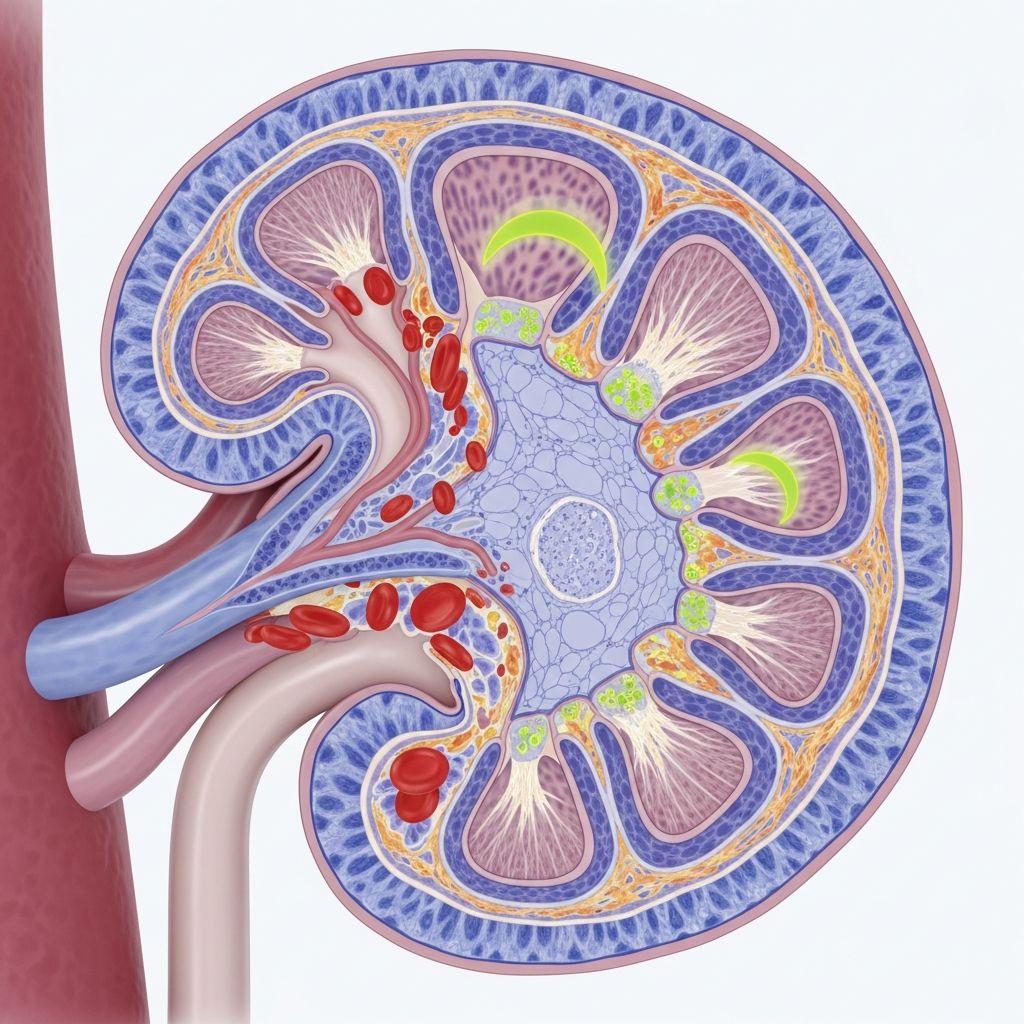
Goodpasture syndrome, also known as anti-glomerular basement membrane (anti-GBM) disease, is a rare autoimmune disorder that occurs when the body’s immune system mistakenly attacks the basement membranes in the lungs and kidneys. This life-threatening condition can rapidly progress to kidney failure and severe pulmonary hemorrhage if not promptly diagnosed and treated. Understanding the disease, its symptoms, and available treatment options is essential for patients and healthcare providers alike.
What is Goodpasture Syndrome?
Goodpasture syndrome is classified as a rare autoimmune disorder that affects the filtering structures of the kidneys and the delicate blood vessels in the lungs. In this condition, abnormal antibodies called anti-glomerular basement membrane antibodies attack the basement membrane—a thin layer of tissue that serves as a crucial barrier in both organs. The basement membrane is composed of type IV collagen, and these antibodies specifically target the alpha-3 subunit of this collagen structure.
The disease was first identified and described by American pathologist Ernest Goodpasture of Vanderbilt University in 1919 and has since been named in his honor. Despite advances in medical science, it remains one of the most challenging autoimmune conditions to manage due to its rapid progression and severe consequences if left untreated.
Symptoms and Clinical Presentation
Goodpasture syndrome presents with a variety of symptoms that can affect multiple organ systems. The condition typically manifests differently in each patient, but common presentations include:
Pulmonary Symptoms
Lung involvement is often the first manifestation of Goodpasture syndrome, occurring before or simultaneously with kidney symptoms in approximately 70% of cases. Patients may experience excessive bleeding into the lungs, known as pulmonary hemorrhaging, which can cause:
- Coughing up blood (hemoptysis), ranging from minor flecks to substantial amounts
- Shortness of breath (dyspnea)
- Persistent cough
- Chest pain
- Fatigue and weakness
- Difficulty breathing with increased respiratory rate
Kidney and Systemic Symptoms
Kidney involvement in Goodpasture syndrome manifests through glomerulonephritis, inflammation of the filtering structures in the kidneys. Affected individuals may experience:
- Blood in the urine (hematuria)
- Protein in the urine (proteinuria)
- Unexplained swelling of limbs or face (edema)
- High blood pressure (hypertension)
- High urea levels in the blood
- Nausea and vomiting
Additionally, patients often report general symptoms including fever, malaise, weight loss, fatigue, and joint aches and pains. The severity of symptoms can vary considerably, with approximately 60–80% of patients experiencing both lung and kidney involvement, 20–40% having kidney involvement alone, and less than 10% presenting with lung involvement only.
Causes and Risk Factors
The exact cause of Goodpasture syndrome remains unknown, making it a particularly challenging condition to prevent. However, medical research has identified several contributing factors:
Genetic Predisposition
Genetic susceptibility plays a significant role in developing Goodpasture syndrome. The condition is associated with specific human leukocyte antigen (HLA) types, particularly HLA-DR15. This genetic component explains why certain individuals develop the disease while others do not, even when exposed to similar environmental triggers.
Related Stories



Environmental Factors
In addition to genetic predisposition, an environmental insult to the pulmonary vasculature appears necessary to trigger the disease. Some studies suggest that upper respiratory tract infections may precede the development of Goodpasture syndrome, though the exact mechanism remains unclear. Other potential environmental triggers may include exposure to certain substances or conditions that compromise the integrity of the lung-blood barrier.
Diagnosis and Testing
Accurate and timely diagnosis of Goodpasture syndrome is crucial for preventing irreversible organ damage. Due to the rapid progression of the disease, healthcare providers must maintain a high index of suspicion when patients present with concurrent pulmonary hemorrhage and glomerulonephritis.
Clinical Evaluation
Diagnosis may be suspected based on characteristic clinical findings, including pulmonary hemorrhaging and glomerulonephritis. Physical examination may reveal signs such as cyanosis, crackles in the lungs, hepatosplenomegaly, and elevated blood pressure.
Laboratory Testing
Confirmation of Goodpasture syndrome diagnosis depends on identifying the presence of anti-glomerular basement membrane antibodies in the blood. Additional diagnostic tests may include:
- Urinalysis showing blood and protein
- Serum creatinine to assess kidney function
- Complete blood count to detect anemia
- Chest X-ray to visualize pulmonary hemorrhage
- Kidney biopsy to confirm GBM involvement
Early detection of these antibodies before extensive organ damage occurs is essential for achieving better treatment outcomes and preventing progression to kidney failure.
Pathophysiology: How the Disease Develops
Goodpasture syndrome results from abnormal production of anti-GBM antibodies by plasma cells. These antibodies bind to specific regions of type IV collagen found in the basement membranes of both glomerular and alveolar capillaries. The binding of antibodies to the basement membrane activates the complement cascade, a series of immune reactions that leads to the death of the targeted cells.
The most pathogenic antibodies are those that bind to a specific epitope region designated EA, which corresponds to residues 17–31 of the alpha-3 subunit of type IV collagen. While antibodies are the primary drivers of tissue damage, T cells are also implicated in the pathophysiology, though Goodpasture syndrome is generally considered a type II hypersensitivity reaction mediated by circulating antibodies.
Treatment Options
Treatment of Goodpasture syndrome requires aggressive and fast-acting interventions to prevent permanent organ damage. The standard treatment protocol combines multiple therapeutic approaches:
Plasmapheresis
Plasmapheresis is the major mainstay of treatment and serves as the first line of therapy. This procedure involves separating blood components based on weight using a centrifuge. The plasma containing anti-GBM antibodies is filtered out and removed, while other blood components—including red blood cells, white blood cells, and platelets—are recycled and reinfused into the patient intravenously. This removes circulating antibodies before they can cause additional damage to the lungs and kidneys.
Immunosuppressive Medications
Most patients require concurrent treatment with immunosuppressant drugs to prevent the formation of new anti-GBM antibodies. First-line immunosuppressants include:
- Cyclophosphamide: A powerful cytotoxic agent that suppresses antibody production
- Prednisone: A corticosteroid that reduces inflammation and immune activity
- Rituximab: A monoclonal antibody targeting B cells
Less toxic immunosuppressants such as azathioprine may be used to maintain remission once the acute phase has been controlled. The dosing of these medications is carefully adjusted based on the patient’s body weight and clinical response.
Supportive Care
Supportive care is essential throughout treatment and recovery. This may include dialysis for patients with advanced kidney failure, oxygen therapy for severe pulmonary involvement, and management of complications such as anemia and hypertension.
Prognosis and Long-Term Outcomes
The prognosis for Goodpasture syndrome has improved significantly with modern treatment approaches. With appropriate and timely treatment, the five-year survival rate exceeds 80%, and fewer than 30% of affected individuals require long-term dialysis. In patients who do require renal replacement therapy, including dialysis, the median survival time is approximately 5.93 years.
Without treatment, the prognosis is grave—virtually every affected person will succumb to either advanced kidney failure or massive lung hemorrhage. This stark difference underscores the critical importance of early diagnosis and aggressive treatment initiation.
Frequently Asked Questions
Q: Is Goodpasture syndrome curable?
A: Goodpasture syndrome can be put into remission with aggressive treatment combining plasmapheresis and immunosuppressive medications. However, the disease requires long-term monitoring and maintenance therapy to prevent relapse, and complete permanent cure is not guaranteed.
Q: Can Goodpasture syndrome run in families?
A: While genetic predisposition plays a role, particularly through HLA-DR15 association, Goodpasture syndrome is not directly inherited. However, individuals with a family history of autoimmune diseases may have increased susceptibility.
Q: How quickly does Goodpasture syndrome progress?
A: Goodpasture syndrome can progress very rapidly, potentially causing irreversible organ damage within weeks if left untreated. Early diagnosis and immediate treatment initiation are crucial for preventing severe complications.
Q: What happens if Goodpasture syndrome is not treated?
A: Without treatment, Goodpasture syndrome typically results in death from either acute kidney failure or massive pulmonary hemorrhage. The disease can be fatal within a short timeframe without intervention.
Q: Are there any preventive measures for Goodpasture syndrome?
A: Since the exact cause remains unknown and genetic factors play a role, there are no established prevention strategies. However, prompt treatment of respiratory infections and maintaining overall health may be beneficial.
References
- Goodpasture syndrome — Wikipedia. Accessed 2025. https://en.wikipedia.org/wiki/Goodpasture_syndrome
- Goodpasture Syndrome – Symptoms, Causes, Treatment — National Organization for Rare Disorders (NORD). Accessed 2025. https://rarediseases.org/rare-diseases/goodpasture-syndrome/
- Goodpasture Syndrome: An Autoimmune Disease Affecting the Kidneys — MyKidneyDiseaseTeam. Accessed 2025. https://www.mykidneydiseaseteam.com/resources/goodpasture-syndrome-an-autoimmune-disease-affecting-the-kidneys
- Goodpasture’s syndrome / anti-GBM / anti-TBM disease — Autoimmune Institute. Accessed 2025. https://www.autoimmuneinstitute.org/autoimmune-resources/autoimmune-diseases-list/goodpastures-syndrome/
- Anti-glomerular basement membrane disease (Goodpasture disease) — Johns Hopkins University. Published Research Database. Accessed 2025. https://pure.johnshopkins.edu/en/publications/anti-glomerular-basement-membrane-disease-goodpasture-disease-fro/
- Anti-glomerular basement membrane disease (Goodpasture disease) — PubMed Central, National Center for Biotechnology Information (NCBI). 2021. https://pubmed.ncbi.nlm.nih.gov/34339589/
Similar Articles








Read full bio of medha deb