Goodpasture Syndrome: Causes, Symptoms & Treatment
Understanding Goodpasture syndrome: A rare autoimmune disorder affecting lungs and kidneys.
What is Goodpasture Syndrome?
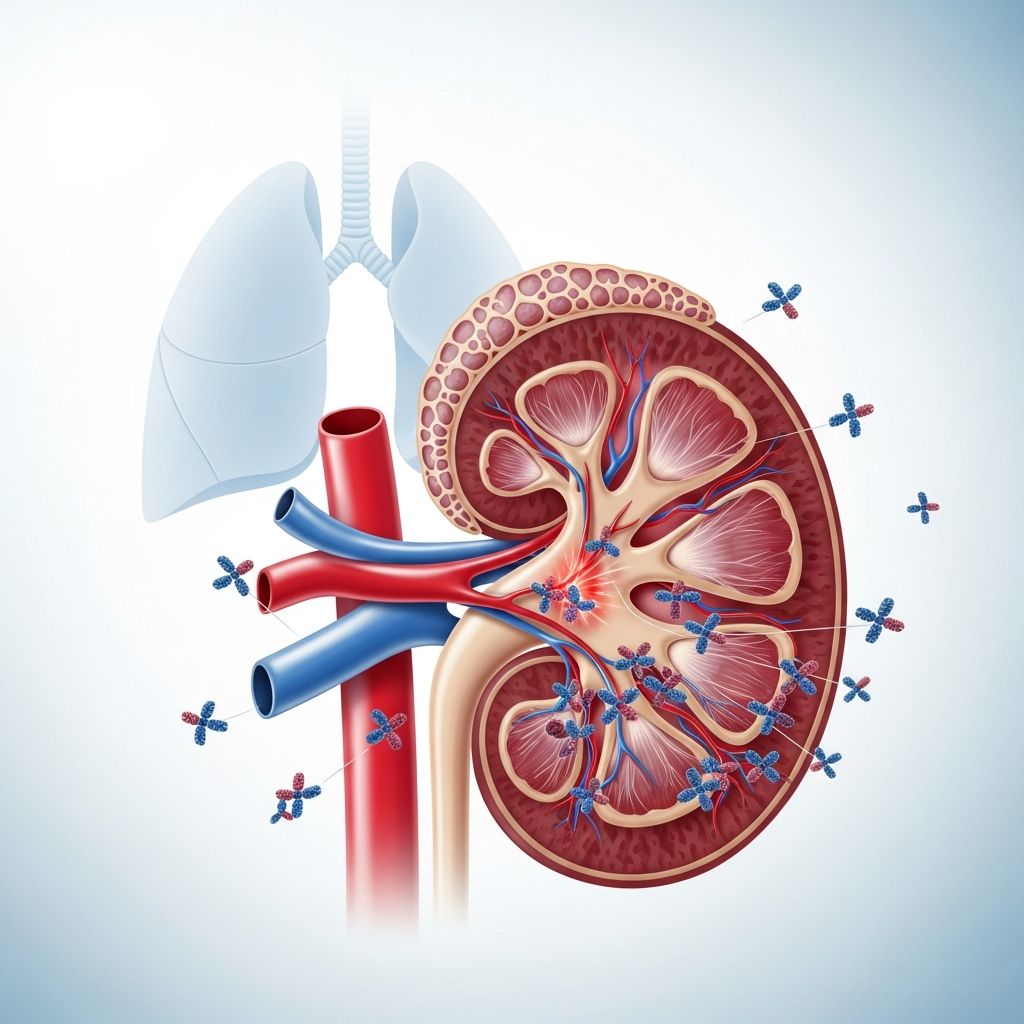
Goodpasture syndrome is a potentially life-threatening autoimmune disorder that causes your immune system to attack tissues in your lungs and kidneys. This rare condition occurs when your body produces proteins called antibodies that attach to collagen in specific parts of your lungs and kidneys, causing inflammation and tissue destruction. If left untreated, Goodpasture syndrome can lead to serious complications including lung damage, kidney failure, and even death.
The condition is also known as anti-GBM disease, referring to the antibodies that attack the glomerular basement membrane (GBM) in your kidneys and similar structures in your lungs. Understanding this condition is crucial for early diagnosis and effective treatment, as rapid medical intervention can significantly improve outcomes and prevent long-term damage to vital organs.
Understanding the Immune System Attack
When you have Goodpasture syndrome, your immune system mistakenly identifies collagen in the glomerular basement membrane of your kidneys as a threat. The glomeruli are tiny blood vessels in your kidneys that help filter your blood and remove waste products. Anti-GBM antibodies also attack collagen in your lungs’ air sacs, destroying lung tissue and leading to bleeding and difficulty breathing.
In the kidneys, this autoimmune response causes inflammation of the filtering structures (glomerulonephritis), while in the lungs, it results in excessive bleeding (pulmonary hemorrhage). The exact reason why your body develops these antibodies remains unknown, though researchers continue to investigate potential triggers and risk factors. This dual-organ involvement makes Goodpasture syndrome particularly challenging and requires coordinated treatment of both systems.
Symptoms of Goodpasture Syndrome
Goodpasture syndrome presents with symptoms affecting both the lungs and kidneys. Understanding these symptoms is essential for recognizing the condition early and seeking prompt medical attention.
Lung-Related Symptoms
The pulmonary symptoms of Goodpasture syndrome can be alarming and often develop rapidly. These include:
- Recurrent coughing up of blood (hemoptysis)
- Difficulty breathing or shortness of breath (dyspnea)
- Chest pain
- Dry cough
- Fatigue and weakness
Kidney-Related Symptoms
Kidney involvement in Goodpasture syndrome produces distinct symptoms related to decreased kidney function:
- Blood in the urine (hematuria)
- Foamy or frothy urine (proteinuria)
- Reduced urine output
- Swelling in the legs, hands, and feet (edema)
- High blood pressure
- Back pain below the ribs
- Nausea and vomiting
- Burning or difficulty when urinating
- Frequent nighttime urination
- Pale appearance and fatigue (anemia)
General Symptoms
Beyond organ-specific symptoms, patients may experience general signs including fever, nausea, and overwhelming fatigue. Many patients report that their symptoms initially seem vague, such as general tiredness, but the condition can rapidly escalate to involve both lungs and kidneys. In some cases, an upper respiratory tract infection may precede the development of Goodpasture syndrome, suggesting a potential environmental or infectious trigger.
Causes and Risk Factors
The exact cause of Goodpasture syndrome remains unknown, which makes prevention difficult. However, researchers have identified several factors that may play a role in its development. Some cases have been associated with preceding upper respiratory tract infections, suggesting that certain infections might trigger the autoimmune response in genetically predisposed individuals.
Related Stories



Environmental exposures, smoking, and certain medications have been hypothesized as potential contributing factors, though definitive causal relationships have not been established. The condition appears to develop when multiple factors align, including genetic susceptibility and environmental triggers, leading your immune system to mistakenly produce antibodies against your own tissue. This autoimmune mechanism distinguishes Goodpasture syndrome from other kidney and lung disorders and requires specific treatment approaches.
Diagnosis of Goodpasture Syndrome
Early and accurate diagnosis is critical for preventing serious complications. Healthcare providers use several diagnostic methods to confirm Goodpasture syndrome:
Initial Assessment
Your healthcare provider will begin with a comprehensive patient history and physical examination. They will ask detailed questions about your symptoms, including when they started, their severity, and how they have affected your daily life. This conversation helps establish the timeline of your condition and guides subsequent testing.
Diagnostic Tests
Several tests help confirm Goodpasture syndrome diagnosis:
- Blood tests: These measure anti-GBM antibodies and assess kidney function through creatinine and blood urea nitrogen (BUN) levels
- Urinalysis: Detects blood and protein in your urine, indicating kidney involvement
- Chest X-ray: Reveals bleeding in the lungs and assesses the extent of pulmonary involvement
- Kidney biopsy: A small tissue sample from your kidney is examined under a microscope to confirm anti-GBM disease and assess kidney damage
- Lung biopsy: In some cases, lung tissue may be examined to confirm pulmonary involvement
- Immunofluorescence testing: Identifies the presence and location of anti-GBM antibodies in tissue samples
Treatment Options for Goodpasture Syndrome
Yes, with proper diagnosis, Goodpasture syndrome is treatable. Treatment approaches vary depending on the severity of your condition and which organs are most affected. Early intervention is crucial for preventing irreversible damage.
Mild Goodpasture Syndrome Treatment
For mild cases, healthcare providers typically use medications to manage symptoms and suppress the autoimmune response:
- Corticosteroids: These powerful anti-inflammatory medications reduce inflammation and suppress immune system activity
- Immunosuppressive agents: Medications like azathioprine or mycophenolate mofetil help prevent the body from producing harmful antibodies
- Blood pressure medications: ACE inhibitors or angiotensin II receptor blockers protect kidney function and control hypertension
Severe Goodpasture Syndrome Treatment
For severe cases that cause life-threatening bleeding in the lungs and acute kidney failure, healthcare providers recommend a more aggressive approach combining medications with a specialized procedure.
Plasmapheresis is a critical treatment for severe Goodpasture syndrome. This procedure uses an intravenous line in your arm to remove blood and separate it from its plasma, which contains harmful antibodies. The harmful plasma is discarded, and healthy plasma from a blood donor is added to your blood before it is returned to your body. Plasmapheresis helps rapidly remove circulating anti-GBM antibodies and can prevent immediate organ damage.
Severe cases typically require combination therapy including:
- High-dose corticosteroids
- Aggressive immunosuppressive therapy
- Plasmapheresis procedures
- Close monitoring of kidney and lung function
Collaborative Care Approach
Managing Goodpasture syndrome effectively requires expertise from multiple medical specialties. Your care team may include:
- Rheumatologists: Specialists in autoimmune diseases who develop and oversee immunosuppressive treatment strategies
- Nephrologists: Kidney specialists who monitor kidney function and manage renal complications
- Pulmonologists: Lung specialists who assess and treat respiratory symptoms and lung involvement
- Primary care physicians: Coordinate overall care and manage general health concerns
These experts work together to design a customized treatment plan tailored to your specific condition and needs. This collaborative approach ensures comprehensive management of both your lung and kidney involvement while minimizing medication side effects and optimizing your overall health.
Long-Term Outcomes and Prognosis
The prognosis for Goodpasture syndrome depends significantly on the severity of your condition at diagnosis and how quickly treatment begins. Mild cases, when treated promptly with medications, can be very effective, and symptoms may resolve substantially. However, careful long-term monitoring of kidney function is essential to ensure your kidneys continue working properly.
Severe cases may result in long-term kidney problems. While Goodpasture syndrome usually does not cause permanent lung damage, it frequently affects kidney function permanently. In some cases, severe kidney involvement may require dialysis, where a machine filters waste from your blood, or even a kidney transplant, where a healthy kidney from a donor replaces your damaged kidneys.
The most serious consequence of Goodpasture syndrome is kidney failure, making early diagnosis and aggressive treatment critical for preserving kidney function. With modern treatment protocols, many patients achieve remission and can live fulfilling lives with appropriate medical management and monitoring.
Living with Goodpasture Syndrome
Receiving a Goodpasture syndrome diagnosis can feel overwhelming, particularly when you’re experiencing distressing symptoms like coughing up blood, shortness of breath, or signs of kidney problems. However, getting an early diagnosis and starting treatment promptly can set you on the path to recovery and help prevent long-term damage to your kidneys and lungs.
Your healthcare team will manage your symptoms and any side effects from treatment. They will work with you throughout your entire journey with Goodpasture syndrome, providing support, guidance, and compassionate care. Regular follow-up appointments, medication compliance, and lifestyle modifications will help you return to living life to the fullest.
Frequently Asked Questions
Q: Is Goodpasture syndrome curable?
A: While Goodpasture syndrome cannot be permanently cured, it is treatable and manageable with proper diagnosis and prompt treatment. Many patients achieve remission with medications and, in severe cases, plasmapheresis. Long-term monitoring remains necessary, particularly for kidney function.
Q: Can Goodpasture syndrome return after remission?
A: Goodpasture syndrome can sometimes recur even after remission, though recurrence is relatively uncommon. Continuous medical supervision helps detect any signs of relapse early, allowing for prompt intervention if symptoms return.
Q: Is Goodpasture syndrome hereditary?
A: Goodpasture syndrome is not directly inherited. However, genetic factors may influence susceptibility to developing autoimmune diseases. Your family history of autoimmune conditions may slightly increase your risk, but the condition itself is not passed directly from parent to child.
Q: What is the relationship between Goodpasture syndrome and pulmonary hemorrhage?
A: Goodpasture syndrome causes pulmonary hemorrhage through anti-GBM antibody attacks on lung air sac collagen. This bleeding into the lungs is the leading cause of death from Goodpasture syndrome if not treated promptly. Severe cases may cause life-threatening bleeding requiring emergency treatment.
Q: How often do I need medical follow-up appointments?
A: Follow-up frequency depends on your condition’s severity and treatment response. Initially, appointments may be weekly or bi-weekly. As your condition stabilizes, intervals typically lengthen to monthly, then less frequent visits. Your healthcare team will establish a schedule appropriate for your specific situation.
Q: Can I work while being treated for Goodpasture syndrome?
A: Many patients continue working while receiving treatment, depending on symptom severity and job demands. Your healthcare team can help you determine appropriate work modifications or temporary leave if needed during the intensive treatment phase.
References
- Goodpasture Syndrome: Causes, Symptoms & Treatment — Cleveland Clinic. 2024. https://my.clevelandclinic.org/health/diseases/5927-goodpasture-syndrome
- Goodpasture Syndrome – Symptoms, Causes, Treatment — National Organization for Rare Disorders (NORD). 2024. https://rarediseases.org/rare-diseases/goodpasture-syndrome/
- Goodpasture Syndrome Overview: Diagnosis, Symptoms, and Treatment — WebMD. 2024. https://www.webmd.com/a-to-z-guides/goodpasture-syndrome
- Goodpasture Syndrome: Symptoms, Causes, and Treatment — National Kidney Foundation. 2024. https://www.kidney.org/kidney-topics/goodpasture-syndrome
- Anti-GBM Disease — Vasculitis Foundation. February 2024. https://vasculitisfoundation.org/
- Glomerulonephritis: Causes, Symptoms, Diagnosis & Treatment — Cleveland Clinic. 2024. https://my.clevelandclinic.org/health/diseases/16167-glomerulonephritis-gn
Similar Articles








Read full bio of medha deb