Goserelin: 4 Primary Uses, Dosage, And Side Effects
Comprehensive overview of goserelin uses, administration, benefits, risks, and patient considerations for cancer and endometriosis management.
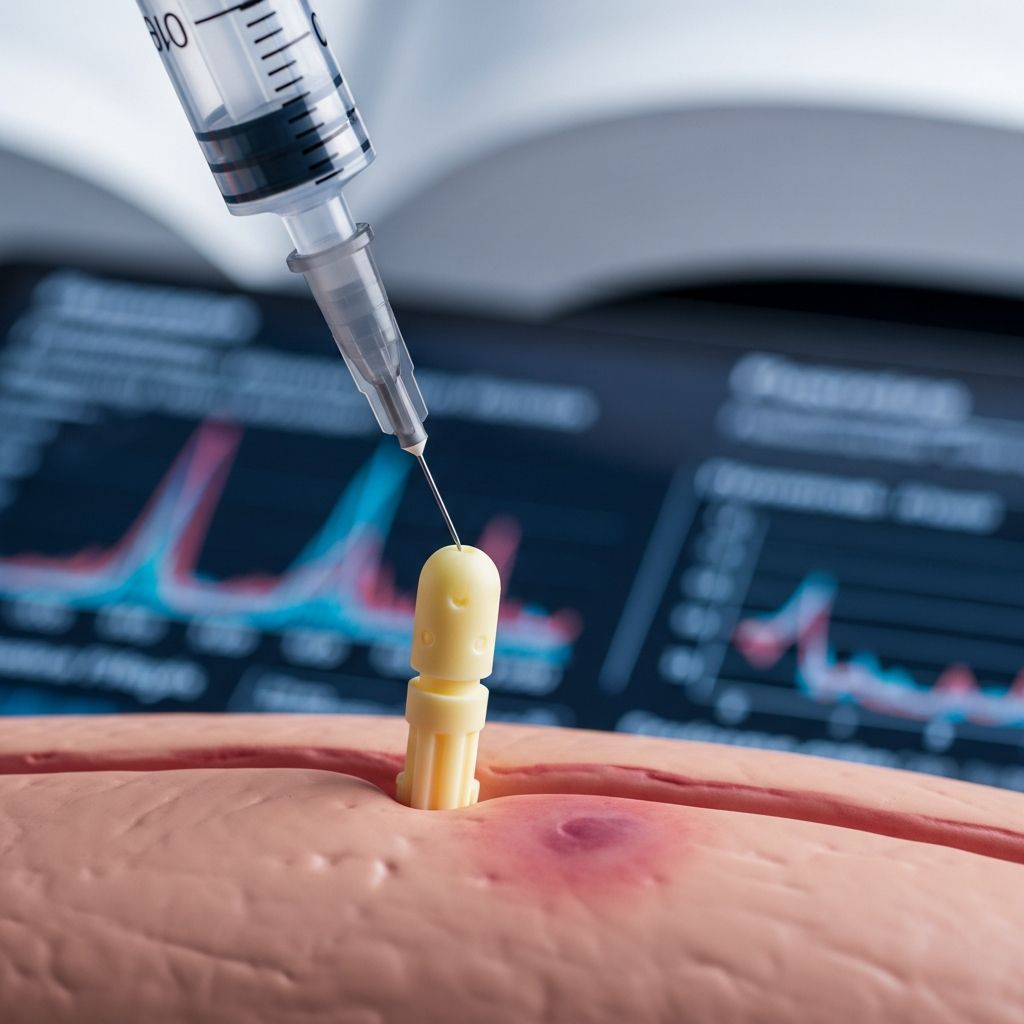
Goserelin is a synthetic hormone implant that mimics the body’s natural gonadotropin-releasing hormone (GnRH), effectively reducing levels of testosterone and estrogen to manage hormone-sensitive conditions. Primarily administered as a subcutaneous implant, it offers targeted treatment for prostate cancer, breast cancer, endometriosis, and uterine thinning prior to surgery.
Understanding Goserelin’s Mechanism of Action
Goserelin belongs to the class of GnRH agonists, which initially stimulate but ultimately suppress the pituitary gland’s release of luteinizing hormone (LH) and follicle-stimulating hormone (FSH). This leads to a significant drop in sex hormones: testosterone in men and estrogen in women. By depriving hormone-dependent tumors or tissues of their growth fuel, goserelin halts progression in conditions like prostate and breast cancers.
In endometriosis, where uterine-like tissue grows outside the uterus, elevated estrogen promotes painful lesions and inflammation. Goserelin’s estrogen suppression shrinks these tissues, alleviating symptoms such as pelvic pain and heavy menstrual bleeding for up to six months post-treatment.
Primary Medical Applications
Prostate Cancer Management
For men with advanced prostate cancer, goserelin reduces testosterone production, starving cancer cells that rely on this androgen for proliferation. It serves as palliative therapy, often combined with other treatments to slow disease spread and improve quality of life.
Breast Cancer Treatment in Premenopausal Women
In estrogen receptor-positive (ER+) breast cancer, goserelin induces ovarian suppression, mimicking menopause to lower estrogen levels. This is particularly beneficial for premenopausal women, reducing recurrence risk when used alongside tamoxifen or aromatase inhibitors for 5-10 years.
Endometriosis and Uterine Conditions
Goserelin effectively controls endometriosis symptoms by inhibiting estrogen-driven tissue growth. It also thins the endometrial lining before hysterectomy or other uterine surgeries, minimizing bleeding risks.
- Prostate cancer: Hormone suppression to palliate advanced stages.
- Breast cancer: Ovarian function suppression in ER+ cases.
- Endometriosis: Pain relief and tissue regression.
- Uterine thinning: Pre-surgical preparation.
Administration and Dosage Protocols
Goserelin is provided as a small implant (e.g., Zoladex brand) inserted under the skin of the abdomen by a healthcare professional. Available in 3.6 mg (every 28 days) or 10.8 mg (every 12 weeks) strengths, the schedule depends on the condition’s severity and patient response.
| Strength | Frequency | Typical Use |
|---|---|---|
| 3.6 mg | Every 4 weeks | Endometriosis, breast cancer |
| 10.8 mg | Every 12 weeks | Prostate cancer, long-term suppression |
Treatment duration varies: short-term (up to 6 months) for endometriosis to avoid bone loss, or extended for cancers under medical supervision. Patients must adhere to follow-up injections to maintain hormone suppression.
Potential Benefits and Efficacy
Clinical evidence supports goserelin’s role in improving outcomes. In prostate cancer, it reduces tumor size and symptoms like bone pain. For breast cancer, it lowers recurrence rates in combination therapies. Endometriosis patients report substantial pain reduction, with effects persisting post-treatment.
Related Stories



Beyond cancer, goserelin preserves fertility in some chemotherapy regimens by temporarily suppressing ovarian function, protecting eggs from damage.
Common and Serious Side Effects
While effective, goserelin induces menopausal-like symptoms due to hormone changes. Monitoring is crucial, especially for bone health.
Frequent Adverse Effects
- Hot flashes and night sweats
- Reduced libido and vaginal dryness (women)
- Erectile dysfunction (men)
- Weight gain and mood changes
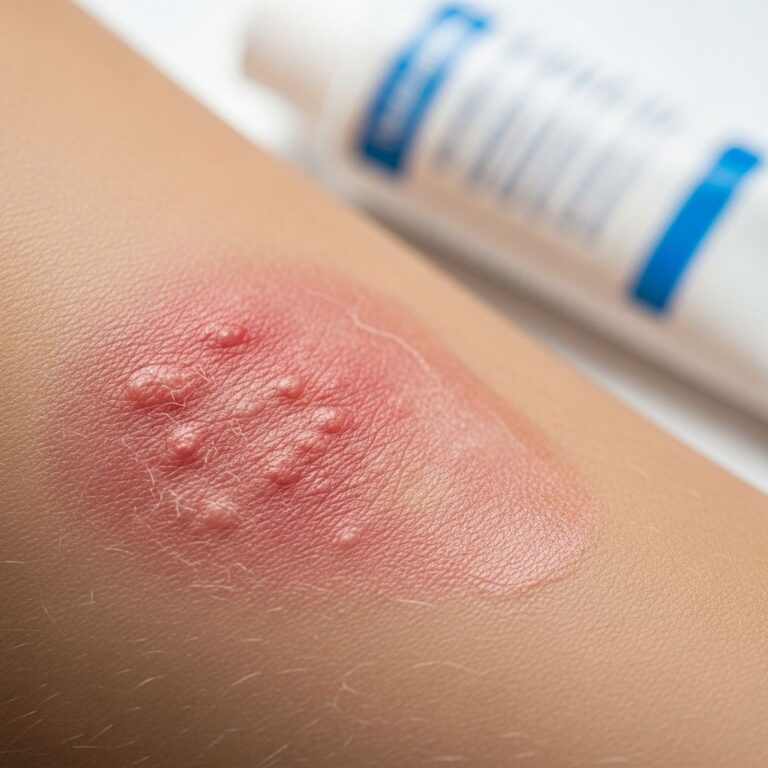
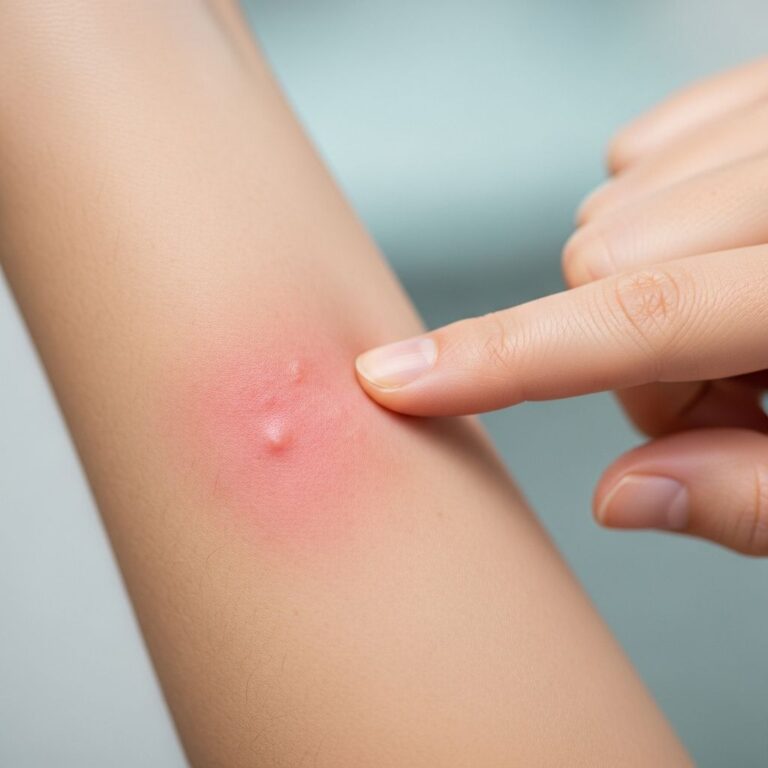
- Injection site reactions
Serious Risks
Long-term use risks osteoporosis; calcium/vitamin D supplements and bone density scans are recommended. Cardiovascular events, hyperglycemia, and tumor flare (initial worsening) may occur, particularly in prostate cancer patients with urinary obstruction.
Rare allergic reactions include rash, swelling, or breathing difficulties—seek immediate care.
Patient Considerations and Precautions
Discuss family history of osteoporosis, heart disease, or diabetes before starting. Avoid in pregnancy due to fetal harm risk; use contraception during treatment.
Regular blood tests monitor hormone levels, glucose, and lipids. Lifestyle adjustments like weight-bearing exercise mitigate bone thinning.
Interactions with Other Medications
Goserelin may amplify effects of antidiabetic drugs due to glucose changes. Caution with QT-prolonging medications in those with heart rhythm issues.
Monitoring and Follow-Up Care
Healthcare providers schedule implants and assessments every 4-12 weeks. PSA levels (prostate), tumor markers (breast), and DEXA scans track progress and side effects.
Frequently Asked Questions (FAQs)
What if I miss an implant dose?
Contact your doctor promptly for rescheduling; hormone levels may rebound, affecting treatment efficacy.
Does goserelin cause permanent infertility?
No, ovarian function typically resumes 3-12 months post-treatment in premenopausal women.
Can men use goserelin for breast cancer?
Yes, though less common, it treats male breast cancer via testosterone suppression.
How does goserelin differ from other GnRH agonists?
Similar to leuprolide, but goserelin’s implant form offers convenient dosing intervals.
Is lifestyle change needed during treatment?
Yes, focus on bone-healthy diet, exercise, and smoking cessation to counter side effects.
Latest Research and Developments
Ongoing studies explore goserelin in fertility preservation and combination therapies. Recent trials confirm its safety in extended breast cancer protocols.
References
- Goserelin Implant: MedlinePlus Drug Information — U.S. National Library of Medicine. 2023-10-01. https://medlineplus.gov/druginfo/meds/a601002.html
- Goserelin injection | Cleveland Clinic — Cleveland Clinic. 2024-05-15. https://my.clevelandclinic.org/health/drugs/18149-goserelin-injection
- Goserelin (subcutaneous route) – Side effects & uses – Mayo Clinic — Mayo Clinic. 2024-02-01. https://www.mayoclinic.org/drugs-supplements/goserelin-subcutaneous-route/description/drg-20067310
- Zoladex (goserelin): Uses, Side Effects, Dosage & Reviews – GoodRx — GoodRx. 2024-01-20. https://www.goodrx.com/zoladex/what-is
- Goserelin (Zoladex) – Breast Cancer Now — Breast Cancer Now. 2023-11-10. https://breastcancernow.org/about-breast-cancer/treatment/hormone-endocrine-therapy/goserelin-zoladex
- Goserelin (Zoladex) for breast cancer – Cancer Research UK — Cancer Research UK. 2024-03-05. https://www.cancerresearchuk.org/about-cancer/treatment/drugs/goserelin-breast-cancer
Similar Articles








Read full bio of medha deb