Goserelin Implant (Zoladex): Uses, Dosage & Side Effects
Complete guide to Goserelin (Zoladex) implants: benefits, administration, side effects, and important safety information.
Goserelin Implant (Zoladex): A Complete Patient Guide
Goserelin is a medication delivered as a subcutaneous implant under the brand name Zoladex. It is a Gonadotropin Releasing Hormone (GnRH) agonist that works by decreasing levels of testosterone and estrogen in the body. This medication is used to treat several serious health conditions, primarily certain types of cancer and gynecological disorders. This comprehensive guide provides essential information about goserelin implants, including their uses, how they are administered, potential side effects, and important safety considerations.
What Is Goserelin Used For?
Goserelin implants are prescribed for a variety of medical conditions in both men and women. Understanding the specific uses of this medication is important for patients beginning treatment with this implant.
Prostate Cancer Treatment
In men, goserelin is primarily used to treat prostate cancer. It is indicated for use in combination with other medications to manage locally confined Stage B2-C prostate carcinoma. Additionally, goserelin is used as a palliative treatment for advanced prostate cancer, helping to slow disease progression and manage symptoms. The medication works by suppressing testosterone production, which slows or stops the growth of prostate cancer cells.
Breast Cancer Treatment
For women, goserelin is used to treat breast cancer, particularly in pre-menopausal women who have not yet gone through menopause. By decreasing estrogen levels, the implant helps prevent breast cancer cells from growing or spreading. This hormone-based therapy is an important option in the comprehensive treatment of breast cancer.
Gynecological Conditions
Beyond cancer treatment, goserelin is prescribed for several gynecological conditions in women. It is used to treat endometriosis, a condition where tissue that normally lines the uterus grows outside the uterus, causing pain and heavy bleeding. The medication reduces estrogen production, which decreases inflammation and pain associated with endometriosis. Goserelin is also used to treat dysfunctional uterine bleeding and can be used to help thin the uterine lining before surgery to prevent or reduce heavy periods.
How Goserelin Works
Understanding the mechanism of action helps patients appreciate why goserelin is effective for their condition. As a GnRH agonist, goserelin works by stimulating and then suppressing the release of gonadotropin-releasing hormone from the pituitary gland. Initially, it causes a transient increase in follicle-stimulating hormone (FSH) levels and a subsequent rise in testosterone or estrogen. However, with continuous administration, the pituitary gland becomes desensitized, leading to sustained suppression of gonadotropins. This results in dramatically decreased testosterone and estrogen levels—within approximately 21 days, testosterone levels fall into the range normally seen in surgically castrated men. For women, sustained estrogen suppression helps control hormone-dependent cancers and reduces symptoms of endometriosis.
How Goserelin Is Administered
Proper administration of goserelin is crucial for treatment effectiveness and patient safety. The implant delivery method is straightforward but requires professional administration.
Implant Insertion Procedure
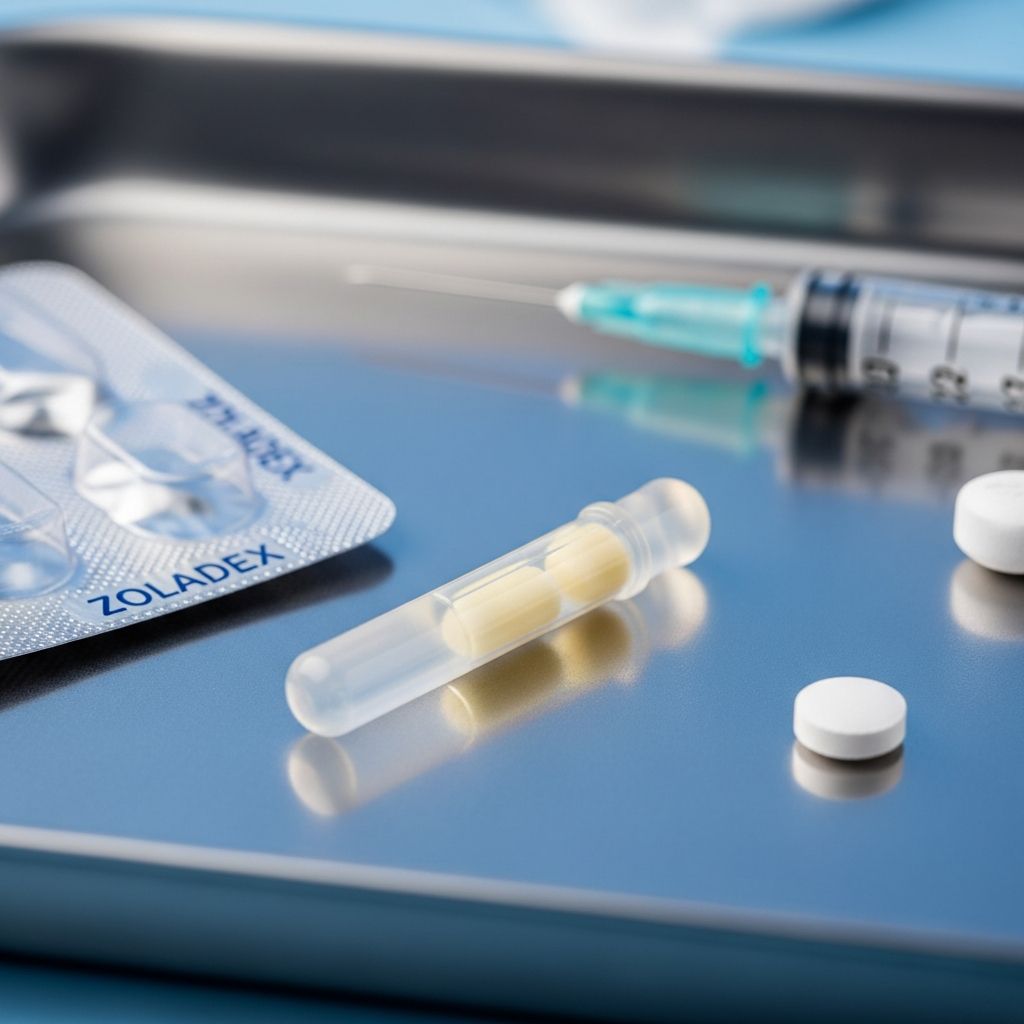
Goserelin is delivered as a small pellet implant that is injected subcutaneously (under the skin) on the abdominal wall, typically below the navel line or on the stomach area. A specially trained healthcare professional, such as a doctor or nurse, performs the insertion in a medical office or clinic setting. Before receiving the implant, patients should ask to read the printed information leaflet from the manufacturer’s pack to understand the medication and its potential side effects. Any questions or concerns should be discussed with the healthcare provider before the procedure begins.
Related Stories



Dosage and Frequency
Goserelin is available in two strengths: Zoladex 3.6 mg and Zoladex LA 10.8 mg (long-acting). The dosage and frequency depend on the condition being treated. For the 3.6 mg formulation, injections are typically given every 4 weeks. The 10.8 mg long-acting formulation is administered every 12 weeks. When collecting a prescription, patients should verify that the implant looks the same as previous doses to ensure consistency.
Treatment Duration and Monitoring
The length of treatment with goserelin varies depending on the specific condition being treated and the patient’s individual response to the medication. Patients must maintain regular appointments with their doctor so that treatment progress can be monitored and further implants can be administered at the appropriate intervals. It is important to book the next appointment in advance to ensure the implant is received when due, as maintaining consistent dosing schedules is essential for treatment effectiveness.
Important Precautions Before Starting Goserelin
Before beginning treatment with goserelin, patients must inform their healthcare provider of several important medical conditions and circumstances that may affect suitability for this medication.
- History of irregular heartbeat or heart rhythm abnormalities
- High blood sugar levels (diabetes mellitus)
- Any unexplained vaginal bleeding not related to normal menstruation
- Current use of other medications, including over-the-counter medicines, herbal supplements, and complementary therapies
- Previous allergic reactions to medications
- Pregnancy or plans to become pregnant, as goserelin is contraindicated during pregnancy unless used for palliative treatment of advanced breast cancer
- Low body mass index (BMI) or current use of blood-thinning medications, which may increase injection site risks
Common Side Effects
Most patients experience some side effects from goserelin treatment, though these are generally manageable. The most common side effects include hot flushes and sweating, which occur in nearly half of treated patients. These vasomotor symptoms can be particularly bothersome but typically decrease over time.
Other frequently reported side effects include:
- Sexual and reproductive effects: Reduced interest in sex, decreased sexual ability, and gynecomastia (breast enlargement in men)
- Dermatological effects: Acne, scaly patches and redness (especially on scalp and face), and skin rash
- Gynecological symptoms in women: Vaginal dryness, discharge, or itching; changes in breast size
- Neurological symptoms: Headache, tingling in fingers or toes
- Musculoskeletal effects: Bone pain and general pain
- Systemic effects: Weight changes, swelling of hands, feet, ankles, or lower legs; mood changes and depressed mood; asthenia (weakness)
- Local site effects: Pain, itching, swelling, or redness at the injection site
Serious Side Effects and When to Seek Medical Attention
While most side effects are manageable, certain symptoms require immediate medical attention. Patients should contact their doctor immediately if they develop a skin rash or experience difficulties with breathing, as these rare but potentially serious symptoms may indicate an allergic reaction. Additional serious adverse reactions that warrant medical consultation include:
- Tumor flare phenomenon, characterized by transient worsening of tumor symptoms during the first few weeks of treatment, which may include ureteral obstruction and spinal cord compression
- Changes in blood pressure (increases or decreases)
- Bone density decreases with long-term use
- QT interval prolongation, which may be clinically significant in some patients
- Injection site injury, including pain, hematoma, hemorrhage, or vascular injury requiring medical intervention
- Increased risk of heart attack in men receiving goserelin therapy
Any unexpected symptoms or side effects should be reported to a pharmacist or doctor for professional advice and evaluation.
Tumor Flare Phenomenon
Patients beginning goserelin treatment should be aware of the tumor flare phenomenon. This occurs in some patients during the first few weeks of treatment when the medication initially causes a temporary increase in hormone levels before achieving sustained suppression. This transient worsening of tumor symptoms may occasionally include bone pain, which can be managed with appropriate pain medication and symptomatic treatment. In rare cases, this initial surge can lead to serious complications such as ureteral obstruction or spinal cord compression, particularly in patients at high risk. Healthcare providers carefully monitor high-risk patients during this initial treatment phase.
QT Interval Effects and Cardiovascular Monitoring
Androgen deprivation therapy with goserelin may prolong the QT interval on electrocardiograms, which is an important consideration for cardiac safety. Patients with a history of cardiac problems or those taking other medications affecting heart rhythm should discuss these risks with their healthcare provider. In some cases, periodic monitoring of electrocardiograms and electrolyte levels may be recommended to ensure cardiac safety during treatment.
Injection Site Injury Precautions
Although uncommon, injection site injuries have been reported with goserelin administration, including pain, hematoma, hemorrhage, and in rare cases, hemorrhagic shock requiring blood transfusions and surgical intervention. Extra care must be taken when administering goserelin to patients with low body mass index (BMI) or those receiving full anticoagulation therapy. The modern ZOLADEX syringe includes an automatic safety feature to help prevent needlestick injuries during administration.
Frequently Asked Questions
Q: How long does it take for goserelin to start working?
A: Testosterone and estrogen suppression begins relatively quickly, with testosterone levels reaching castrate levels (similar to surgical castration) within approximately 21 days of the first injection. However, the full therapeutic benefits for cancer treatment may take several weeks to become apparent.
Q: Can goserelin be used during pregnancy?
A: Goserelin is generally contraindicated during pregnancy due to potential harm to the developing fetus. However, it may be used during pregnancy if prescribed for palliative treatment of advanced breast cancer, and such use should be discussed carefully with the healthcare provider.
Q: What should I do if I miss an appointment for my scheduled implant?
A: It is important to book appointments in advance to ensure you receive your implant when due. Maintaining consistent dosing schedules is crucial for treatment effectiveness. Contact your doctor immediately if you cannot keep a scheduled appointment to reschedule as soon as possible.
Q: How can I manage hot flushes during treatment?
A: Hot flushes are the most common side effect and often decrease over time. Your doctor may recommend lifestyle modifications, such as avoiding triggers like caffeine and spicy foods, or in some cases, medications to manage these symptoms. Discuss symptom management options with your healthcare provider.
Q: Are there alternatives to goserelin for prostate cancer or breast cancer treatment?
A: Yes, several alternative hormonal therapies and other treatment options are available depending on cancer type and stage. Discuss all available treatment options with your oncologist to determine the best approach for your specific situation.
Q: Can goserelin affect bone health?
A: Yes, long-term goserelin therapy may decrease bone density, increasing osteoporosis risk. Your doctor may recommend bone density monitoring and may suggest supplements or medications to help maintain bone health during treatment.
Special Considerations for Patients
Patients receiving goserelin treatment should maintain open communication with their healthcare team. Regular monitoring appointments allow doctors to assess treatment effectiveness and manage any side effects that develop. Women of childbearing age should use effective contraception during treatment, as goserelin is contraindicated in pregnancy except for specific palliative applications. Patients should also be aware that goserelin may interact with other medications, so all current medicines should be reported to the healthcare provider.
Conclusion
Goserelin (Zoladex) is an important medication for managing prostate cancer, breast cancer, and certain gynecological conditions through hormone suppression. While the treatment can produce notable side effects, most are manageable and reversible. Understanding how the medication works, what to expect during treatment, and when to seek medical attention empowers patients to actively participate in their healthcare journey. Always maintain close contact with your healthcare provider throughout treatment, report any concerning symptoms promptly, and keep all scheduled appointments to ensure optimal treatment outcomes.
References
- Goserelin (Zoladex) implant side effects – Patient.info — Patient.info. Accessed 2026-01-13. https://patient.info/medicine/goserelin-implant-zoladex-zoladex-la
- ZOLADEX (goserelin implant) 10.8 mg Full Prescribing Information — FDA. 2025-09. https://www.accessdata.fda.gov/drugsatfda_docs/label/2025/020578s51,020515s11,019726s74lbl.pdf
- Zoladex – Goserelin Implant — Chemocare. https://chemocare.com/druginfo/Zoladex
- Goserelin Implant: MedlinePlus Drug Information — National Library of Medicine. https://medlineplus.gov/druginfo/meds/a601002.html
- ZOLADEX (goserelin implant) Official Product Information — ZOLADEX.com. https://www.zoladex.com
- Goserelin (subcutaneous route) – Side effects & uses — Mayo Clinic. https://www.mayoclinic.org/drugs-supplements/goserelin-subcutaneous-route/description/drg-20067310
- Goserelin (Zoladex) – Breast Cancer Now — Breast Cancer Now. https://breastcancernow.org/about-breast-cancer/treatment/hormone-endocrine-therapy/goserelin-zoladex
Similar Articles








Read full bio of medha deb