Hangnails: 5-Step Home Treatment Guide & Prevention Tips
Learn how to safely treat hangnails at home and prevent them from returning.
Got a Hangnail? Here’s What to Do
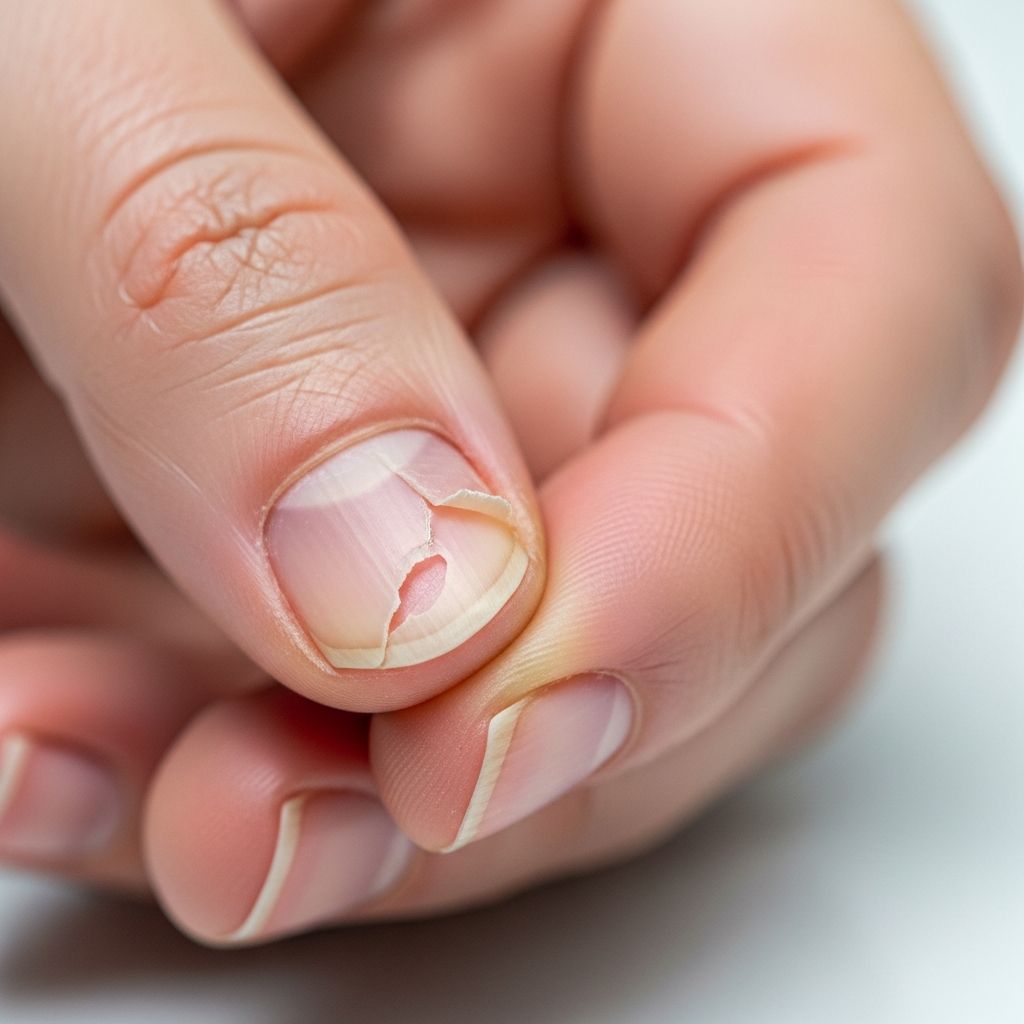
Hangnails are small, painful skin tags that appear near the nail bed and can cause significant discomfort despite their tiny size. These common nail-related issues develop when the protective skin barrier around your nails becomes damaged or compromised. Understanding what causes hangnails, how to treat them properly, and how to prevent their recurrence is essential for maintaining healthy nails and skin. This comprehensive guide will walk you through everything you need to know about managing hangnails effectively.
Understanding Hangnails: What They Are and Why They Hurt
Hangnails are small pieces of skin that separate from the cuticle area and create painful, exposed flaps of tissue. Despite their name, hangnails are not actually part of your nail but rather pieces of skin adjacent to the nail bed. The reason hangnails cause disproportionate pain compared to their size relates to the unique anatomy of this area. The skin near your nails contains a dense network of nerve endings and blood vessels, making this region exceptionally sensitive to trauma, inflammation, and infection. Even the smallest tear or irritation in this area can result in significant discomfort that affects your daily activities.
What Causes Hangnails to Develop
Multiple environmental and behavioral factors can trigger hangnail formation. Understanding these causes helps you identify which habits or conditions might be contributing to your hangnails and take appropriate preventive action.
Environmental Factors
Environmental conditions play a significant role in hangnail development. Dry air, particularly during winter months or in arid climates, strips moisture from the skin around your nails, causing it to become brittle and prone to tearing. Frequent handwashing, while important for hygiene, can remove natural oils from your skin and contribute to dryness. Exposure to harsh soaps and chemicals, such as cleaning products or chlorinated water, further damages the protective skin barrier. Additionally, very hot or very cold temperatures can exacerbate skin dryness and increase hangnail susceptibility.
Personal Habits and Practices
Your daily habits significantly influence hangnail formation. Biting or picking at your nails and cuticles creates small tears in the skin that often lead to hangnails. Soaking your hands in water for extended periods, such as when washing dishes or doing laundry, can soften and weaken the skin around your nails. Using nail polish remover frequently exposes your nails and surrounding skin to harsh solvents. Additionally, cutting your cuticles instead of gently pushing them back is a major trigger for hangnail formation and potential infections.
Health-Related Factors
Certain health conditions can increase your susceptibility to hangnails. Brittle nails resulting from a weakened immune system or nutritional deficiencies can predispose you to hangnail development. The nail bed becomes more vulnerable when nails lack strength and flexibility, making them prone to splitting and creating opportunities for hangnails to form.
Why You Shouldn’t Rip or Bite Your Hangnails
While the urge to tear off a hangnail is strong, resisting this impulse is crucial for several reasons. Ripping or biting your hangnail can cause several problems. First, biting introduces bacteria from your mouth directly into the wound, significantly increasing infection risk. Second, you risk introducing harmful bacteria from your hands into your mouth, potentially causing illness. Third, ripping off a hangnail can tear away live tissue, extending your healing time and increasing pain.
When you remove the protective skin barrier around your nail through ripping or biting, you create an open wound that bacteria can easily penetrate. This can lead to acute paronychia, a painful bacterial infection of the tissue surrounding the nail that requires professional medical treatment in severe cases.
Related Stories



Step-by-Step Guide to Treating a Hangnail at Home
Treating hangnails properly at home is straightforward when you follow the correct procedure. This method ensures your hangnail heals quickly and prevents infection.
Step 1: Soak Your Fingers in Warm, Soapy Water
Begin by soaking your affected fingers in warm, soapy water for approximately 10 minutes. This initial soaking softens the skin around your nails, making the hangnail easier to trim and reducing the risk of tearing live tissue. The warm water also helps cleanse the area and prepares it for treatment. Use gentle, lukewarm water rather than hot water, which can further irritate sensitive skin.
Step 2: Sanitize Your Tools
Before trimming your hangnail, sanitize a pair of small scissors or nail clippers. This step is critical for preventing bacterial contamination. You can sanitize your tools by wiping them with rubbing alcohol or placing them in boiling water for a few minutes. Clean tools prevent introducing bacteria into the already vulnerable area.
Step 3: Trim the Hangnail Carefully
Using your sanitized tool, gently trim the hangnail as close to the skin as possible. Be extremely gentle during this step—your goal is to remove only the excess skin, not to tear away live tissue. Cut slowly and carefully, removing small amounts at a time if necessary. Avoid cutting too far down, which could damage the healthy skin beneath and create a larger wound.
Step 4: Apply a Moisturizer
After trimming, apply a gentle, fragrance-free moisturizer to the affected area. Excellent options include tallow, lanolin, or coconut oil, all of which provide effective moisturization and have natural antibacterial properties. These moisturizers help keep the area hydrated during the healing process and reduce the risk of the hangnail returning.
Step 5: Bandage if Necessary
If your hangnail is sore or bleeding, consider bandaging it to protect it from bacteria and prevent further trauma. A clean bandage keeps the area protected while you go about your daily activities. Change the bandage daily and keep the area clean and dry.
Recognizing Signs of Infection
While most hangnails heal without complications, some can develop into infections. Recognizing infection signs early allows you to seek professional medical care before the condition worsens. When the protective skin barrier becomes damaged, bacteria can freely enter and cause an infection called acute paronychia. Be alert for these warning signs:
- Redness of the skin surrounding the nail
- Swelling and puffiness around the nail bed
- Pain and tenderness that worsens rather than improves
- The affected area feeling warm when touched
- Yellow or white pus forming near the nail (abscess)
- Blisters around your fingernails
- Discoloration of your nail or finger
- Weakness in your fingernails
If you notice any of these symptoms, consult with your healthcare provider promptly. Infections can spread to other parts of your finger and require professional treatment. Your physician can safely drain any abscess that has formed and prescribe appropriate antibiotics if needed. Seek immediate medical attention if you have signs of serious infection, such as spreading redness or systemic symptoms like fever.
Treating Hangnails With Antibiotic Cream and Warm Water Soaks
Beyond the basic treatment steps, additional remedies can help manage hangnails, particularly if they’re painful or showing early signs of infection.
Warm Water Soak Treatment
If your hangnail is painful or has started to show signs of infection, treat the area using warm water soaks. Soak your affected nail in warm water two to four times daily for 15 minutes at a time. According to the Centers for Disease Control and Prevention (CDC), bottled water is the safest choice for all uses because it is free of contaminants. If bottled water isn’t available, boil your tap water and allow it to cool to an acceptable temperature. Boiling water kills bacteria, viruses, and parasites that could cause additional infection through your injured nail bed.
Antibiotic Cream Application
Over-the-counter antibiotic cream provides another effective treatment option for hangnails. Apply the antibiotic cream to the area once daily. After applying the cream, wrap your finger in a clean bandage to help the cream stay in place and prevent bacteria from entering the hangnail while it heals. Additionally, wash your hands thoroughly and clean underneath your fingernails to prevent bacterial accumulation that could lead to reinfection. By cleaning underneath your nails and treating the area with antibiotic ointment, you prevent the area from becoming reinfected and worsening.
Prevention Strategies: The Best Treatment
Preventing hangnails from forming is far easier than treating them. By implementing these prevention strategies, you can significantly reduce how often hangnails develop.
Keep Your Hands and Cuticles Moisturized
The best way to prevent hangnails is to keep your skin moisturized. Dry air and frequent hand washing can make you more likely to get hangnails. Using moisturizer daily, especially during dry seasons and winter months, helps maintain healthy nail beds and flexible cuticles. Recommendation includes using a natural moisturizer or mineral oil, regularly applying it to your hands, particularly after washing. This practice creates a protective barrier that prevents the skin from cracking and developing hangnails.
Adopt Proper Nail Care Practices
How you care for your nails directly impacts hangnail formation. Avoid biting your nails, which leads to tears in the skin and increases infection risk. Instead, use clean tools to trim your nails carefully and regularly. Crucially, avoid cutting your cuticles; instead, use a cuticle pusher to gently push them back. Cutting your cuticles triggers hangnails and infections, making this distinction important for long-term nail health. Trim your nails properly to prevent skin from snagging on rough edges.
Use Safe Skin Products
Switch to gentle, triclosan-free soap or cleanser to wash your hands and feet. Harsh soaps and chemical-based products damage the protective skin barrier. Choose fragrance-free products when possible, as fragrances can irritate sensitive skin around the nails. When cleaning or handling chemicals, wear protective gloves to shield your hands from harsh substances that dry out and damage your skin.
Environmental Protection
Taking precautions against environmental factors helps prevent hangnails. During cold, dry months, use a humidifier in your home to maintain adequate moisture in the air. Limit the time your hands spend in water, and when you do get them wet, apply moisturizer immediately afterward. Avoid frequent use of nail polish remover and harsh chemicals, which strip natural oils from your skin.
Frequently Asked Questions About Hangnails
Q: How do I safely treat a hangnail at home?
A: Soak your fingers in warm, soapy water for 10 minutes to soften the skin. Gently trim the hangnail with sanitized nail scissors as close to the nail bed as possible. Apply a fragrance-free moisturizer, tallow, lanolin, or coconut oil. If the area is sore or bleeding, use a bandage to protect it from infection. Change the bandage daily and keep the area clean and dry.
Q: What’s the best way to prevent hangnails from coming back?
A: Keep your hands moisturized, especially after washing. Avoid biting nails or cutting cuticles—gently push them back instead. Use gloves when cleaning or handling chemicals. Trim your nails properly to prevent skin from snagging. Use gentle, fragrance-free soap and maintain good overall nail hygiene.
Q: When should I see a doctor about a hangnail?
A: Seek medical attention if you notice signs of infection, including redness, swelling, pus, warmth to the touch, or blisters. Also consult a doctor if the condition worsens despite home treatment or if you have diabetes or a weakened immune system, as these conditions increase infection risk.
Q: Can hangnails lead to serious infections?
A: While most hangnails heal without complications, they can develop into acute paronychia, a bacterial infection requiring professional treatment. Severe infections may require drainage of an abscess and antibiotic medications. Early recognition and proper treatment prevent progression to serious infections.
Q: What’s the difference between hangnails and ingrown nails?
A: Hangnails are pieces of skin separating from the cuticle area, while ingrown nails occur when the nail grows into the surrounding skin. Hangnails are relatively easy to treat at home, whereas ingrown nails are more challenging and painful, especially if severely inflamed or swollen.
Q: Is it safe to use nail salons if I’m prone to hangnails?
A: Yes, but ensure your nail salon doesn’t cut your cuticles. Request that they push your cuticles back instead, as cutting cuticles is a major trigger for hangnails and infections. Choose salons that follow strict sanitation practices to minimize infection risk.
Your Nails as Health Indicators
Your nails provide valuable insights about your overall health. Frequent hangnails, brittle nails, or persistent nail problems may indicate nutritional deficiencies, immune system issues, or underlying health conditions. If you experience recurring hangnails despite implementing prevention strategies, consider consulting with a healthcare provider to rule out underlying health concerns. Paying attention to your nails’ appearance and health can help you catch potential health issues early.
Conclusion
Hangnails are common, minor health concerns that are easily treated at home when you follow the proper procedure. By understanding what causes hangnails, how to treat them safely, and how to prevent their recurrence, you can maintain healthy nails and avoid the discomfort these painful skin tags cause. Remember to resist the temptation to bite or rip your hangnails, keep your hands moisturized, practice proper nail care, and seek medical attention if signs of infection develop. With these strategies in place, you can keep your nails healthy and hangnail-free.
References
- How to Treat Hangnails (and Stop Them from Coming Back) — Substack. 2024. https://takecontrol.substack.com/p/how-to-treat-hangnail
- How to Treat a Hangnail — WebMD. 2024. https://www.webmd.com/beauty/how-to-treat-a-hangnail
- Nail Health and Dermatology Resources — American Academy of Dermatology. https://www.aad.org/
- Guidelines for Hand Hygiene and Skin Care — Centers for Disease Control and Prevention (CDC). 2024. https://www.cdc.gov/hygiene/personal-hygiene/index.html
- Paronychia: Acute and Chronic — National Institutes of Health (NIH). https://www.ncbi.nlm.nih.gov/
Similar Articles








Read full bio of Sneha Tete