Gout: Symptoms, Treatment, Diet, And Prevention Guide
Understand gout symptoms, causes, diet tips, and treatments to manage this painful form of arthritis effectively.
Gout
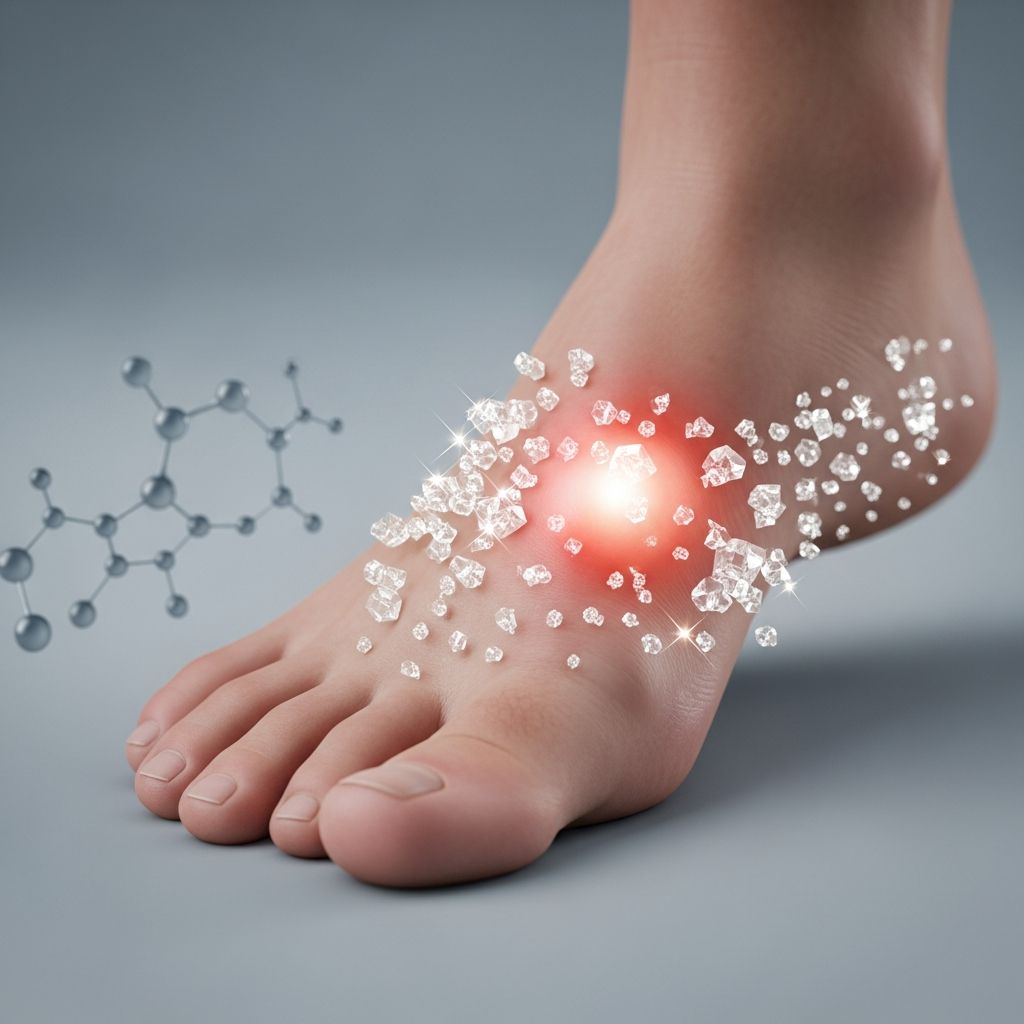
Gout is a painful form of inflammatory arthritis caused by the accumulation of uric acid crystals in the joints, triggering sudden and intense attacks of pain, swelling, and redness. This condition, often affecting the big toe but potentially any joint, can be effectively managed through lifestyle changes, diet, and medications.
What Is Gout?
Gout develops when excess uric acid in the blood, known as hyperuricemia, leads to the formation of sharp urate crystals that deposit in joints, tissues, and sometimes the kidneys. These crystals provoke a strong inflammatory response from the body’s immune system, resulting in acute flares characterized by severe pain that peaks within 4-12 hours. Unlike other arthritis types, gout follows a distinct pattern: asymptomatic periods between flares, making early recognition crucial for prevention.
The stages of gout include hyperuricemia (asymptomatic high uric acid), acute flares with intense joint inflammation, intercritical periods of normalcy, and chronic gouty arthritis with tophi formation if untreated. White blood cells engulf the crystals, releasing cytokines that amplify inflammation, heat, redness, and swelling.
Signs and Symptoms of Gout
Gout attacks often strike suddenly, frequently at night, with symptoms including:
- Intense joint pain: Most severe in the big toe (podagra), but can affect ankles, knees, elbows, wrists, or fingers; peaks within 4-12 hours.
- Swelling, redness, and warmth: The affected joint becomes hot, tender, and visibly inflamed.
- Lingering discomfort: After peak pain subsides, soreness lasts days to weeks; subsequent attacks may involve more joints.
- Limited range of motion: Stiffness reduces joint mobility during and after flares.
- Tophi in advanced cases: Chalky uric acid deposits under the skin on fingers, elbows, feet, or Achilles tendons, which may become tender.
Polyarticular gout affects multiple joints simultaneously in about 25% of cases, and untreated flares become more frequent and severe. Kidney stones from urate crystals are a common complication.
Risk Factors for Gout
Several factors contribute to hyperuricemia and gout risk:
- Dietary purines: High intake from red meats, organ meats, seafood triggers excess uric acid production.
- Alcohol and sugary drinks: Beer, liquor, and fructose-sweetened beverages impair uric acid excretion.
- Obesity and comorbidities: Excess weight, hypertension, diabetes, and metabolic syndrome reduce kidney filtration.
- Medications: Diuretics, low-dose aspirin elevate uric acid levels.
- Genetics and demographics: More common in men, postmenopausal women, and those with family history; age over 40 increases risk.
Kidney dysfunction prevents efficient uric acid removal, exacerbating crystal formation.
Diagnosing Gout
Diagnosis relies on clinical presentation: rapid-onset monoarticular arthritis in the big toe with redness and heat strongly suggests gout. Key indicators include:
- History of similar episodes.
- Single joint involvement, especially first metatarsophalangeal joint.
- Hyperuricemia confirmation via blood tests.
Definitive diagnosis involves joint fluid aspiration to identify needle-shaped urate crystals under polarized microscopy. Imaging like ultrasound or dual-energy CT detects crystals; X-rays show erosions in chronic cases. Differential diagnosis rules out septic arthritis or pseudogout.
Gout Treatment
Treatment targets acute flares and long-term prevention:
Acute Flare Management
- NSAIDs: Ibuprofen or indomethacin reduce pain and inflammation quickly.
- Colchicine: Effective if started early; limits neutrophil response to crystals.
- Corticosteroids: Oral prednisone or joint injections for severe cases.
Rest, ice, elevation, and hydration aid recovery. Avoid starting urate-lowering therapy during flares.
Preventive Therapy
Urate-lowering drugs like allopurinol or febuxostat inhibit uric acid production; probenecid enhances excretion. Target serum uric acid below 6 mg/dL. Lifestyle modifications are foundational.
Preventing Gout Flares
Lifestyle strategies significantly reduce recurrence:
- Weight management: Gradual loss improves uric acid excretion.
- Stay hydrated: 8-16 cups of water daily dilutes uric acid.
- Limit alcohol: Especially beer and spirits.
- Avoid triggers: Sugary drinks, yeast extracts.
Regular monitoring and medication adherence prevent progression to chronic gout.
Gout Diet: What’s Allowed, What’s Not
Diet plays a pivotal role in managing uric acid levels. Focus on low-purine foods while limiting high-purine ones.
| Foods to Limit/Avoid | Foods to Enjoy |
|---|---|
| Organ meats (liver, kidneys), anchovies, sardines, mussels, scallops, trout, red meats | Low-fat dairy (milk, yogurt), eggs, nuts, peanut butter |
| Beer, liquor; sugary sodas/fructose | Most vegetables (even moderate-purine like asparagus), cherries, berries, citrus fruits |
| Turkey, veal, bacon, gravy | Whole grains, potatoes, rice, pasta, breads |
Cherries and vitamin C-rich foods may lower risk. Coffee in moderation appears protective. Plant-based proteins like tofu are preferable to animal sources.
A sample daily meal plan:
- Breakfast: Oatmeal with berries and low-fat yogurt.
- Lunch: Veggie stir-fry with tofu over brown rice.
- Dinner: Baked chicken breast (skinless, limited portion), sweet potatoes, green beans.
- Snacks: Fresh fruit, nuts, low-fat cheese.
Consult a registered dietitian for personalized plans.
Complications of Gout
Untreated gout leads to:
- Chronic joint damage and deformities from tophi.
- Polyarticular involvement.
- Kidney stones and nephropathy.
Early intervention halts progression.
Frequently Asked Questions
Can gout be cured?
Gout cannot be cured but can be effectively controlled with medications and lifestyle changes to prevent flares indefinitely.
Does diet alone manage gout?
Diet helps significantly but often requires medication for optimal uric acid control, especially in severe cases.
Is gout only in the big toe?
No, while the big toe is most common, gout can affect any joint, including knees, ankles, and wrists.
Who gets gout?
Primarily men over 40, postmenopausal women, and those with obesity, hypertension, or family history.
How long does a gout flare last?
Untreated, 7-14 days; with treatment, 1-2 weeks or less.
References
- Gout/Gouty Arthritis In Depth: Risk Factors, Treatment — Hospital for Special Surgery (HSS). 2023. https://www.hss.edu/health-library/conditions-and-treatments/gout-risk-factors-diagnosis-treatment
- The Painful Truth About Gout: Causes, Symptoms, and Treatment — Arthritis Australia. 2024. https://www.arthritis.org.au/arthritis/arthritis-insights/living-well-with-arthritis/the-painful-truth-about-gout-causes-symptoms-and-treatment/
- 7 Gout Symptoms You Might Be Ignoring — CreakyJoints. 2023. https://creakyjoints.org/about-arthritis/gout/gout-symptoms/signs-of-gout/
- Gout: A painful condition that causes swelling in joints — HealthPartners. 2024. https://www.healthpartners.com/blog/symptoms-of-gout/
- Gout – Symptoms and causes — Mayo Clinic. 2022-11-16. https://www.mayoclinic.org/diseases-conditions/gout/symptoms-causes/syc-20372897
- Gout: Symptoms, Treatment & Prevention — Cleveland Clinic. 2024. https://my.clevelandclinic.org/health/diseases/4755-gout
- Gout — Centers for Disease Control and Prevention (CDC). 2024. https://www.cdc.gov/arthritis/gout/index.html
Similar Articles



Read full bio of medha deb