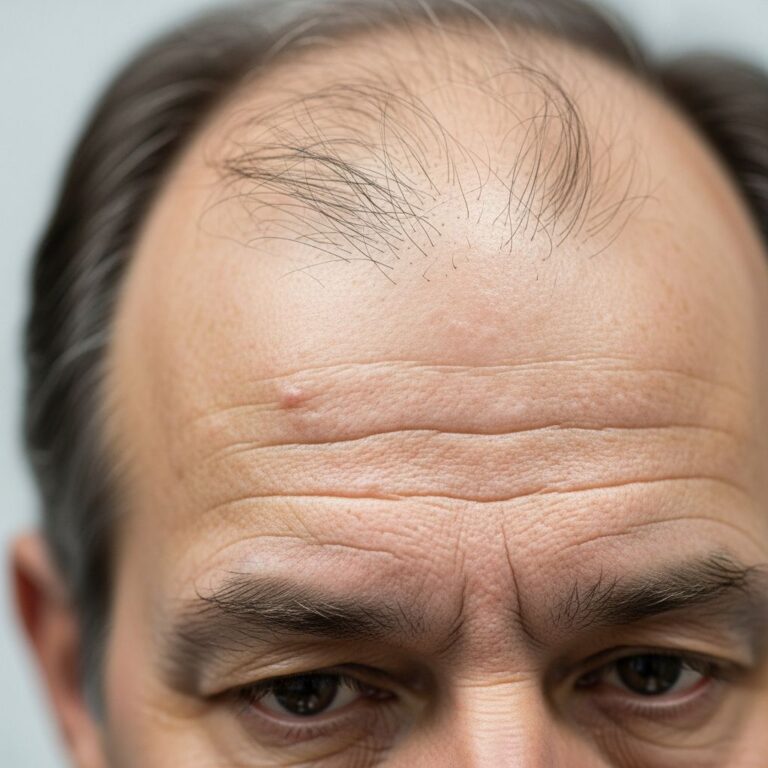
Gout Causes And Management: A Clear Guide For Patients
Understand gout symptoms, triggers, diagnosis methods, and proven strategies for effective relief and long-term control.
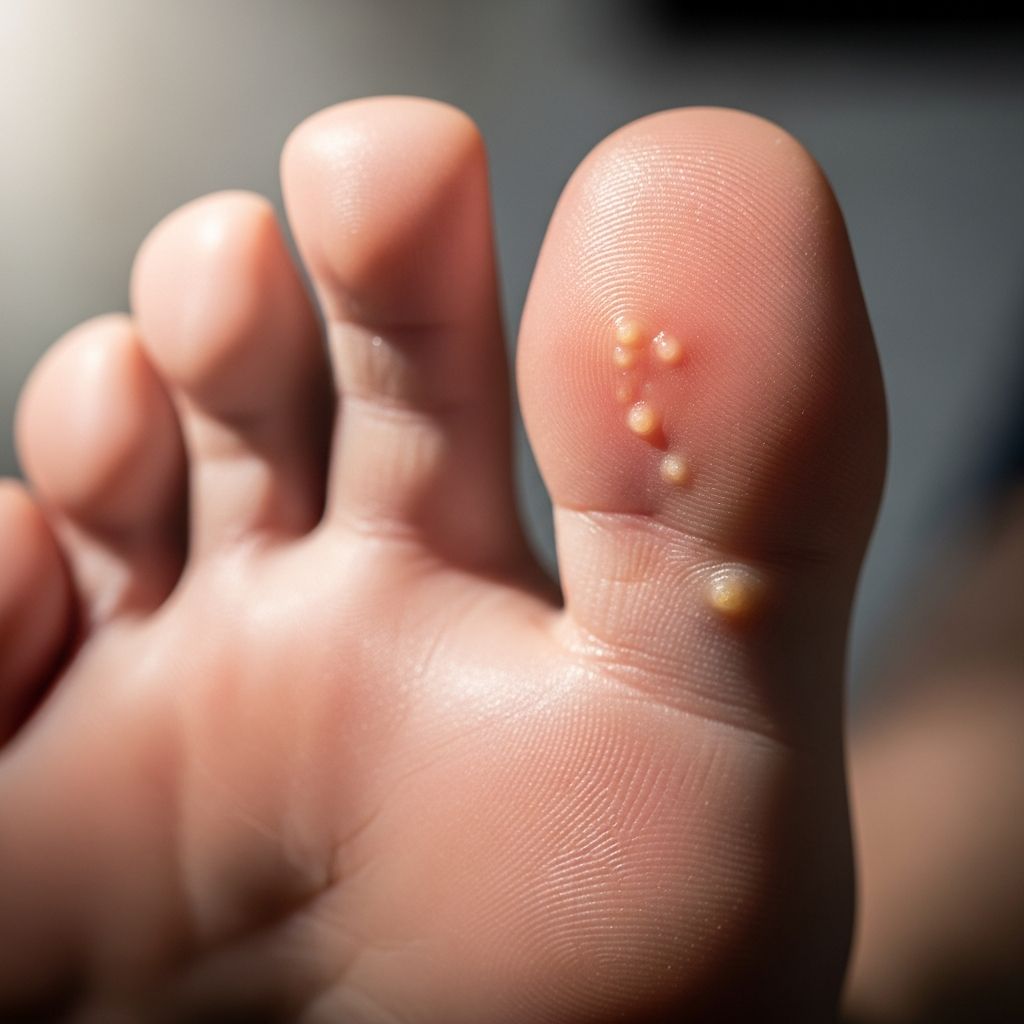
Gout represents one of the most common forms of inflammatory arthritis, characterized by sudden and intense joint pain due to the accumulation of monosodium urate crystals.
The Science Behind Gout Development
At its core, gout arises from hyperuricemia, a condition where blood levels of uric acid exceed 360 μmol/L, leading to the formation and deposition of monosodium urate (MSU) crystals in joints and surrounding tissues. Uric acid forms as the end product of purine metabolism from both dietary sources and the body’s own cells. When levels build up excessively, these sharp crystals trigger severe inflammatory responses, mimicking an infection in affected areas.
Key factors contributing to hyperuricemia include overproduction of uric acid by the body or reduced kidney excretion, which accounts for about 90% of cases. Genetic predispositions play a role, as do comorbidities like metabolic syndrome, encompassing obesity, diabetes, hypertension, and dyslipidemia, all of which heighten risk.
Recognizing Acute Gout Attacks
Acute gout flares typically strike abruptly, often overnight, peaking in pain within 12 to 24 hours. The classic presentation involves the first metatarsophalangeal joint, known as podagra, causing excruciating pain, redness, swelling, and extreme tenderness—even light touch like a bedsheet can be unbearable.
Symptoms extend beyond the big toe, potentially affecting ankles, knees, wrists, or fingers, with heat, erythema, and limited motion. Attacks generally subside in 7 to 14 days without intervention, but residual discomfort may linger. Warning signs include dietary indulgences in purine-rich foods or alcohol, dehydration, or trauma to the joint.
Progression to Chronic Gout and Tophi
Untreated or poorly managed gout evolves into chronic tophaceous gout after years of recurrent flares. Tophi—subcutaneous nodules of MSU crystals mixed with inflammatory cells—form on extremities like earlobes, fingers, elbows, and Achilles tendons. These deposits cause persistent joint deformity, stiffness, reduced range of motion, and superimposed acute attacks.
Long-term complications include erosive arthritis visible on X-rays, kidney stones from uric acid buildup, and heightened cardiovascular risks due to associated metabolic issues.
Risk Factors and Who Gets Gout
- Male gender: Men are affected four times more than women, especially post-menopause in females.
- Age: Prevalence rises after 40, peaking in those over 60.
- Genetics: Family history increases susceptibility.
- Lifestyle: High-purine diets (red meats, seafood, organ meats), excessive alcohol (especially beer), sugary beverages, and obesity.
- Medications: Diuretics, low-dose aspirin, and immunosuppressants like cyclosporine.
- Comorbidities: Hypertension, diabetes, chronic kidney disease, and heart failure.
In the UK, gout affects about 2.5% of the population, with suboptimal treatment in 30-40% of eligible cases.
Diagnostic Approaches for Confirmation
Definitive diagnosis hinges on synovial fluid analysis from joint aspiration, revealing needle-shaped, negatively birefringent MSU crystals under polarized light microscopy. This gold standard rules out septic arthritis or pseudogout.
Clinical diagnosis suffices for classic podagra without aspiration. Supporting tests include:
- Serum uric acid: Elevated levels (>360 μmol/L) support but aren’t diagnostic during flares, as they may normalize.
- Imaging: Ultrasound detects double-contour signs and tophi early; X-rays show punched-out erosions with overhanging edges in advanced disease.
- Physical exam and history: Assessing flare patterns, tophi, and risk factors.
Dual-energy CT offers high sensitivity for crystal deposits but is less accessible.
Related Stories



Immediate Relief for Gout Flares
Acute management prioritizes rapid inflammation control:
| Treatment | Dosage/Method | Notes |
|---|---|---|
| NSAIDs (e.g., ibuprofen, naproxen) | High initial dose, then taper | First-line; avoid in kidney/heart disease. |
| Colchicine | Low-dose: 1.2 mg then 0.6 mg | Effective within 24 hours; GI side effects common. |
| Corticosteroids | Intra-articular injection or oral 20-35 mg/day | Ideal for monoarticular flares or contraindications. |
Adjuncts include rest, ice, elevation, and hydration. Seek urgent care for fever, chills, or systemic symptoms suggesting infection.
Long-Term Strategies to Prevent Recurrence
Urate-lowering therapy (ULT) is essential for those with frequent flares (>2/year), tophi, CKD, or urolithiasis, targeting serum uric acid <360 μmol/L, ideally <300 μmol/L.
- Xanthine oxidase inhibitors (first-line): Allopurinol (start 100 mg/day, titrate) or febuxostat; cures gout in most by dissolving crystals over months.
- Uricosurics: Probenecid for under-excretors.
- Uricase: Pegloticase for refractory cases.
Initiate ULT 2-4 weeks post-flare or with prophylaxis (low-dose colchicine/NSAIDs for 3-6 months). Adherence is low (<40% at 1 year), underscoring education needs.
Lifestyle Modifications for Gout Control
Diet and habits significantly influence uric acid levels:
- Diet: Limit purines (avoid organ meats, shellfish); emphasize low-fat dairy, vegetables, cherries; reduce fructose (sodas).
- Weight management: Gradual loss lowers levels; avoid crash diets.
- Alcohol: Minimize beer/liquor; wine in moderation.
- Hydration: 2-3 liters water daily to boost excretion.
- Exercise: Regular activity combats obesity and metabolic syndrome.
Associated Health Risks and Screening
Gout signals broader metabolic issues; screen for obesity (BMI >30), diabetes (HbA1c), hypertension (>140/90), hyperlipidemia, and CVD. Renal function monitoring prevents stones and CKD progression.
FAQs on Gout Management
Can gout be cured?
Yes, ULT like allopurinol effectively dissolves crystals in most patients, preventing flares long-term.
Is high uric acid always gout?
No; many have asymptomatic hyperuricemia without crystals or symptoms.
What triggers a flare?
Alcohol, purine-rich meals, dehydration, injury, or starting ULT.
Are there home remedies?
Cherries may reduce flares; combine with medical treatment, ice, and rest.
When to see a doctor urgently?
For fever >38.3°C, shaking chills, or unrelenting pain.
Monitoring Progress and Follow-Up
Regular uric acid checks every 2-4 weeks during titration, then 6-monthly. Ultrasound tracks tophi resolution. Rheumatology referral for refractory cases or tophi.
References
- Gout – a guide for the general and acute physicians — Bardin T, et al. PMC. 2018-12-01. https://pmc.ncbi.nlm.nih.gov/articles/PMC6297580/
- Gout – Bone, Joint, and Muscle Disorders — Merck Manuals. 2023-05-01. https://www.merckmanuals.com/home/bone-joint-and-muscle-disorders/gout-and-calcium-pyrophosphate-arthritis/gout
- Gout — Illinois Department of Public Health. 2024-01-01. https://dph.illinois.gov/topics-services/diseases-and-conditions/diseases-a-z-list/diseases/gout.html
- Gout | Arthritis — CDC. 2023-08-15. https://www.cdc.gov/arthritis/gout/index.html
- Gout: What It Is, Symptoms & Treatment — Cleveland Clinic. 2024-02-10. https://my.clevelandclinic.org/health/diseases/4755-gout
Similar Articles








Read full bio of medha deb