Gout: Symptoms, Causes, and Treatment Guide
Complete guide to gout: understand symptoms, causes, stages, and effective treatment options.
Understanding Gout: An Overview
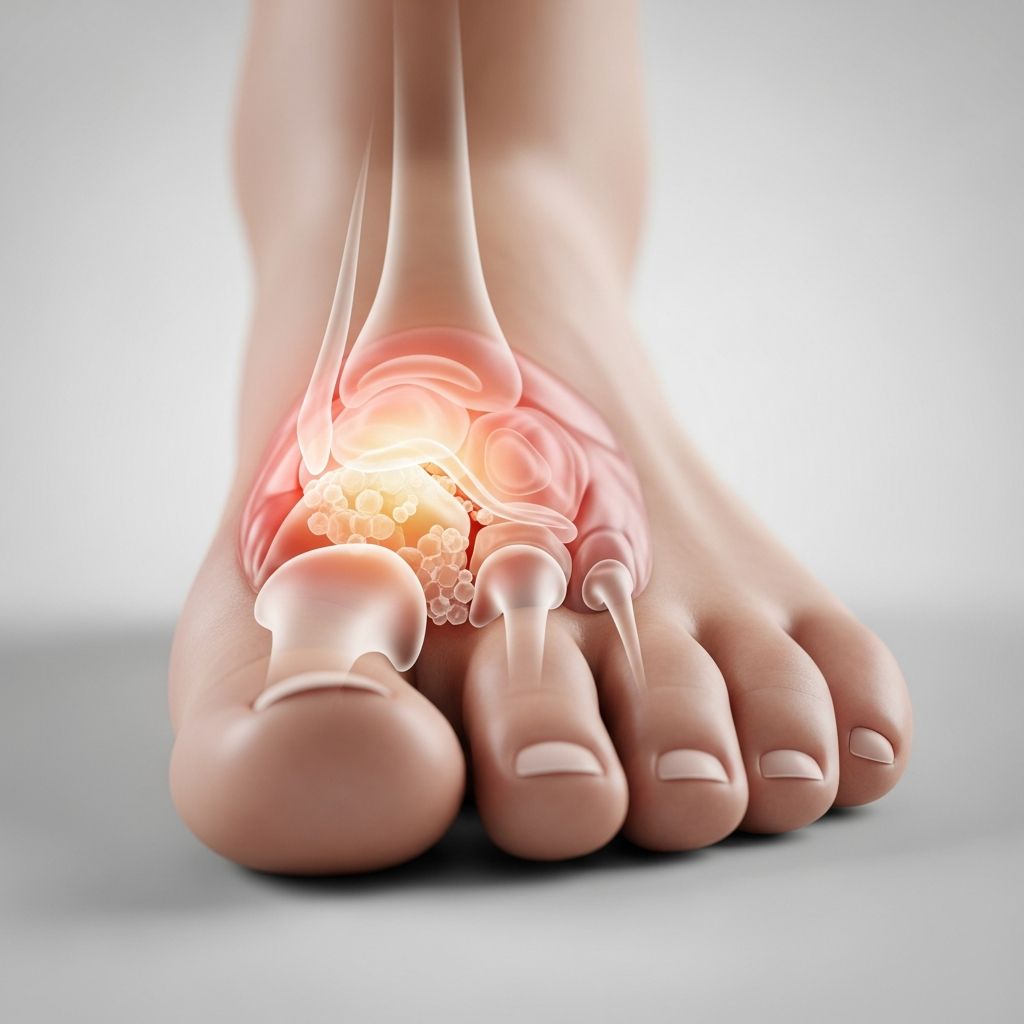
Gout is a type of inflammatory arthritis caused by the buildup of uric acid crystals in and around your joints. It typically causes sudden, severe pain and swelling, most commonly affecting the big toe, though any joint can be involved. The condition affects approximately 9.2 million people in the United States, representing about 3.9% of the adult population, with men being diagnosed at significantly higher rates than women.
Unlike many chronic conditions that develop gradually, gout flares often strike suddenly, sometimes waking you from sleep with intense joint pain. The good news is that with early diagnosis, proper treatment, and lifestyle modifications, gout is one of the most controllable forms of arthritis. Many people successfully avoid flares and can even become gout-free over time.
What Causes Gout?
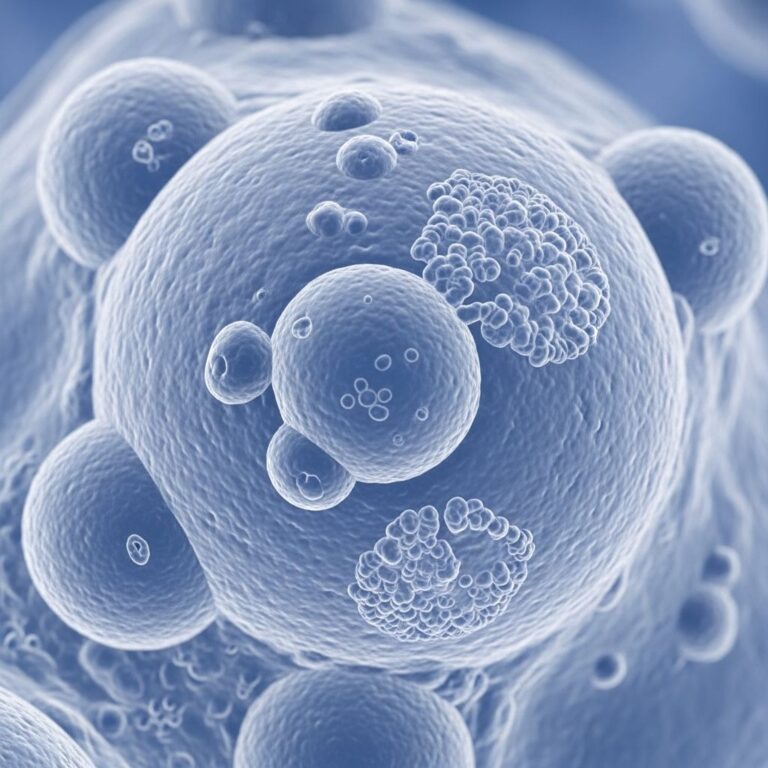
Gout develops when uric acid—a substance produced during the digestion of purines—accumulates in your bloodstream and forms needle-shaped crystals. Purines are naturally occurring compounds found in your body’s tissues and many foods. When your body breaks down purines, they convert to uric acid, which normally exits through urine.
The condition arises when one of two things happens: your body produces too much uric acid, or your kidneys cannot remove enough through urine. Interestingly, approximately 90% of gout cases stem from the body’s inability to excrete sufficient uric acid, rather than from overproduction.
It’s important to note that having elevated uric acid levels does not automatically mean you’ll develop gout—many people with high serum urate levels never experience symptoms.
Risk Factors for Gout
Several factors increase your likelihood of developing gout:
- Diet: Foods and beverages high in purines, including red meat, seafood, organ meats, and sugary drinks, contribute to elevated uric acid levels.
- Alcohol consumption: Particularly beer and spirits increase gout risk by elevating uric acid production and reducing its excretion.
- Sex and age: Men are affected at a 9:1 ratio compared to women, and onset typically occurs between ages 40 and 60, though it can develop earlier in those with genetic predisposition.
- Genetics: A family history of gout significantly increases your risk.
- Obesity: Excess weight is associated with elevated uric acid levels.
- Medical conditions: High blood pressure, chronic kidney disease, and metabolic disorders elevate gout risk.
- Medications: Diuretics and certain other drugs can increase uric acid levels.
- Physical trauma: Injuries to a joint, even minor ones like stubbing your toe, can trigger a gout attack if uric acid crystals are already present.
Symptoms of Gout
The primary symptom of gout is intense joint pain that develops suddenly, often at night. A typical gout flare begins with acute pain, followed by inflammation characterized by swelling, redness, and warmth in the affected joint.
Key features of gout symptoms include:
- Sudden onset of severe pain, frequently in the big toe
- Pain that can be severe enough to disrupt sleep
- Joint swelling and visible redness over the affected area
- Warmth and tenderness in the joint
- Flares typically lasting several days to two weeks without treatment
- Possible involvement of multiple joints, including feet, ankles, knees, and wrists
Related Stories



Interestingly, gout inflammation reaches its maximum intensity within 24 hours, which distinguishes it from other forms of arthritis that develop more gradually.
The Four Stages of Gout
Gout progresses through distinct stages, each with different characteristics:
Stage 1: Asymptomatic Hyperuricemia
In this earliest stage, you have elevated uric acid levels in your blood and may even have crystals forming in joints, yet you experience no symptoms. Many people remain in this stage without ever developing gout. This stage is typically not treated unless other factors warrant intervention.
Stage 2: Acute Gout Flares
This stage is characterized by sudden, intense attacks of pain and inflammation in one or more joints. Flares can be triggered by specific foods, alcohol consumption, certain medications, physical trauma, or acute illness. Between attacks, you typically have no symptoms, though flares may recur unpredictably—some people experience multiple attacks yearly, while others may go years between flares.
Stage 3: Intercritical Gout
This is the period between acute attacks when you feel completely normal but remain at risk for future flares. The duration of this interval phase varies considerably among individuals.
Stage 4: Chronic Tophaceous Gout
If gout remains untreated over many years, it can progress to this advanced stage characterized by the formation of tophi—lumpy deposits of uric acid crystals in the skin and other tissues. Tophi can cause permanent joint damage and may affect internal organs like the kidneys. However, proper treatment can prevent this stage from developing.
Gout Flare Triggers
Understanding what triggers your individual gout flares is crucial for prevention. Common triggers include:
- Purine-rich foods: Red meat, organ meats, certain seafood (anchovies, sardines, shellfish)
- Alcoholic beverages: Beer is particularly problematic; wine and spirits also increase risk
- Sugary drinks: Beverages sweetened with high-fructose corn syrup are significant contributors
- Dehydration: Insufficient fluid intake concentrates uric acid
- Sudden dietary changes: Both significant increases and decreases in food intake
- Stress and illness: Physical or emotional stress and acute infections
- Surgery or trauma: Joint injuries or surgical procedures
- Certain medications: Diuretics, aspirin, and other drugs affecting uric acid metabolism
Diagnosis of Gout
Diagnosis typically involves evaluation of your symptoms, medical history, and physical examination. Your healthcare provider may order blood tests to measure serum uric acid levels, though a single elevated reading doesn’t confirm gout. During a flare, joint fluid analysis revealing needle-shaped uric acid crystals provides definitive diagnosis.
Diagnostic features that help identify gout include:
- Rapid onset of inflammation reaching peak within 24 hours
- Involvement of the big toe or “bunion” joint
- Redness and warmth over the affected joint
- Elevated serum uric acid levels
- History of similar attacks
- Response to specific anti-inflammatory treatments
Treatment Approaches
Treatment for gout involves managing acute flares and preventing future attacks through long-term uric acid management.
Acute Flare Management
During an active flare, anti-inflammatory medications help reduce pain and swelling. These may include nonsteroidal anti-inflammatory drugs (NSAIDs), colchicine, or corticosteroids, depending on your medical history and other medications.
Long-Term Uric Acid Management
Urate-lowering therapy aims to reduce serum uric acid to levels that prevent crystal formation. Treatment is recommended for patients with:
- More than two gout flares annually
- Chronic tophi (uric acid deposits)
- Elevated uric acid in urine (over 800 mg per 24 hours)
- History of kidney stones
Lifestyle Modifications
Dietary changes and lifestyle adjustments are fundamental to gout management:
- Hydration: Drink adequate water to promote uric acid excretion
- Diet: Limit purine-rich foods and reduce alcohol consumption, especially beer
- Weight management: Gradual weight loss if overweight reduces uric acid levels
- Limit sugary drinks: Reduce consumption of high-fructose beverages
- Medication review: Work with your doctor to adjust medications that may contribute to gout
Frequently Asked Questions
Q: Can gout go away permanently?
A: With proper treatment and lifestyle changes, many people can avoid gout flares and become gout-free. However, gout management typically requires ongoing attention to diet, hydration, and sometimes medications to maintain low uric acid levels.
Q: Is gout hereditary?
A: Yes, genetics play a significant role in gout development. If family members have gout, your risk is elevated, though lifestyle factors also influence whether you’ll develop the condition.
Q: Can women get gout?
A: While gout predominantly affects men (9:1 ratio), women can and do develop gout, particularly after menopause when estrogen levels decline. Estrogen normally helps the body excrete uric acid more efficiently.
Q: How quickly can a gout flare develop?
A: Gout flares develop rapidly, often beginning suddenly over a few hours and reaching peak inflammation within 24 hours. Without treatment, flares typically last several days to two weeks.
Q: What should I do during a gout flare?
A: During a flare, rest and elevate the affected joint, apply ice if tolerated, and contact your healthcare provider for anti-inflammatory medication. Staying hydrated and avoiding triggers can help manage symptoms.
Q: Can I prevent gout completely?
A: While you may not prevent gout entirely if genetically predisposed, you can significantly reduce flare frequency and severity through dietary modifications, weight management, hydration, and appropriate medications prescribed by your healthcare provider.
References
- Gout Symptoms, Causes, & Risk Factors — National Institute of Arthritis and Musculoskeletal and Skin Diseases (NIAMS). 2024. https://www.niams.nih.gov/health-topics/gout
- What Is Gout? — Yip K, Berman J. JAMA. 2021;326(24):2541. doi:10.1001/jama.2021.19770. https://jamanetwork.com/journals/jama/fullarticle/2787544
- Gout/Gouty Arthritis In Depth: Risk Factors, Treatment — Hospital for Special Surgery (HSS). https://www.hss.edu/health-library/conditions-and-treatments/gout-risk-factors-diagnosis-treatment
Similar Articles








Read full bio of Sneha Tete