Gout: 4 Stages, Symptoms, Diagnosis, And Treatment Guide
Understanding gout: Learn about symptoms, causes, treatments, and prevention strategies.
Understanding Gout: A Comprehensive Guide to This Painful Arthritis
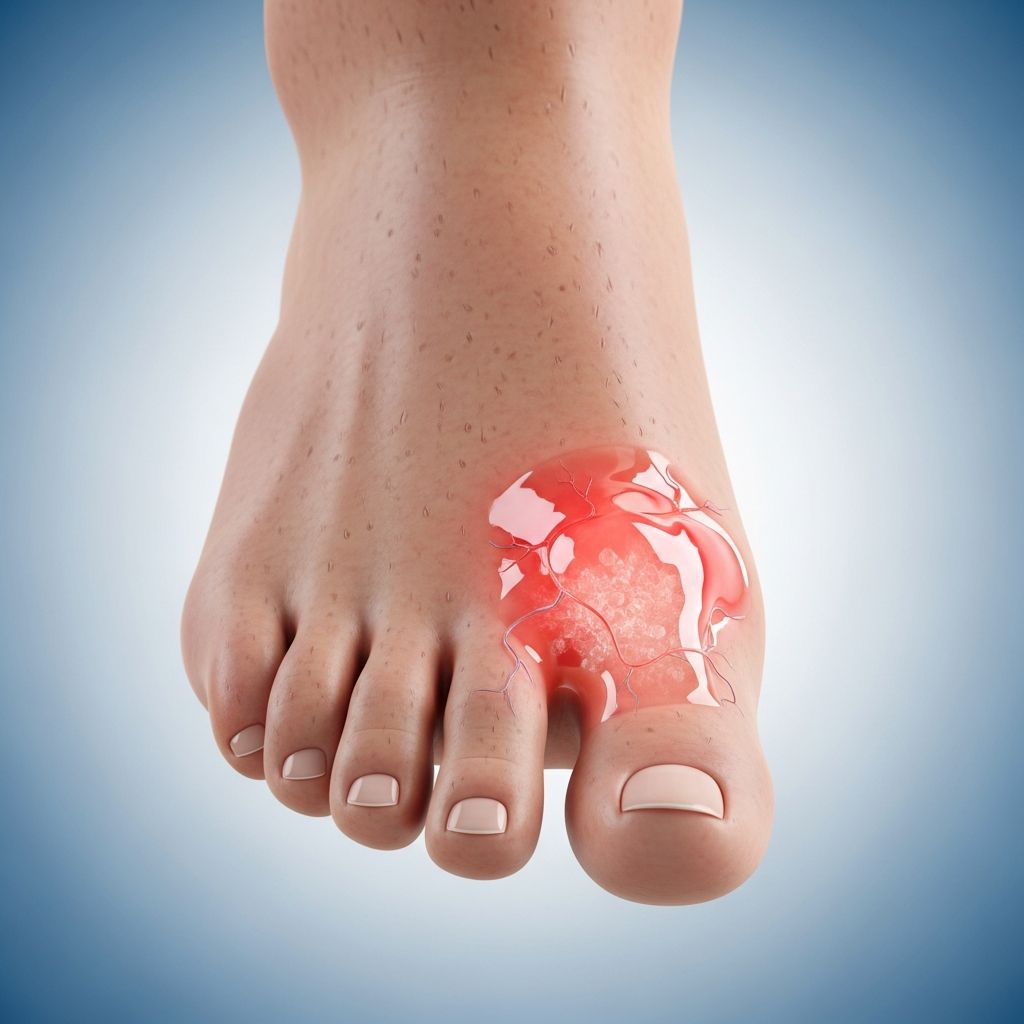
Gout is a painful form of arthritis that affects millions of people worldwide. This condition develops when extra uric acid in your body creates sharp, needle-like crystals that collect in your joints, causing intense pain, swelling, redness, and warmth. While gout most commonly affects the big toe, it can develop in other joints including the ankle, knee, elbow, hand, and wrist. Understanding the causes, symptoms, and treatment options is essential for managing this debilitating condition effectively.
The condition can significantly impact your daily activities and quality of life. A gout flare can make even simple tasks feel impossible, with patients often describing the sensation as walking on broken glass. However, with proper diagnosis, treatment, and lifestyle modifications, you can manage symptoms effectively and reduce the frequency of attacks.
What Causes Gout?
Gout develops due to the accumulation of uric acid in your bloodstream. Uric acid is a byproduct of purine metabolism, where purines are substances your cells use to make DNA. When your body produces too much uric acid or your kidneys cannot eliminate it efficiently, uric acid levels rise. This excess uric acid crystallizes and deposits in joints and surrounding tissues, triggering an inflammatory response that causes the characteristic pain and swelling associated with gout attacks.
Several factors contribute to elevated uric acid levels:
- Genetic predisposition and family history of gout
- Male gender and age (men are more susceptible, especially after age 40)
- Certain medical conditions such as kidney disease, hypertension, and metabolic syndrome
- Medications including diuretics and low-dose aspirin
- Obesity and excess weight
- Alcohol consumption, particularly beer
- Dehydration
- High-purine diet
Recognizing Gout Symptoms
Gout symptoms typically appear suddenly, often during nighttime hours. The onset is often dramatic, with affected joints becoming severely swollen, red, and warm within hours. Patients frequently describe sudden onset of intense pain, often waking them from sleep.
Key symptoms of gout include:
- Sudden severe joint pain, usually in the big toe
- Rapid swelling and redness in the affected joint
- Warmth in the joint area
- Limited range of motion
- Skin peeling and itching as the flare subsides
- Tophi (deposits of uric acid crystals) forming in and around joints during chronic gout
While the initial flare typically lasts 7-10 days even without treatment, seeking prompt medical attention can help reduce pain and inflammation more quickly.
The Stages of Gout
Gout progresses through distinct stages, and understanding these stages helps with appropriate management:
Stage 1: High Uric Acid Levels (Asymptomatic Hyperuricemia)
During this initial stage, uric acid accumulates in the bloodstream and begins forming crystals around the joints. However, patients experience no symptoms. A uric acid blood test might reveal elevated levels, but this alone does not confirm gout will develop.
Related Stories



Stage 2: Acute Gout (First Flare)
Symptoms suddenly appear, causing a painful gout attack. This stage involves intense inflammation and pain that can last days to weeks without treatment.
Stage 3: Intercritical Gout (Remission Period)
This is the period between gout flares when patients are symptom-free. However, uric acid crystals remain in the joints, and another attack can occur at any time.
Stage 4: Chronic Gout
Without proper treatment, gout becomes chronic with frequent attacks. Tophi (deposits of monosodium urate crystals) form in and around joints, and permanent joint damage may occur.
Diagnosis of Gout
Accurate diagnosis is crucial for proper management. Healthcare providers use several diagnostic methods to confirm gout and rule out other conditions:
Blood Tests
Specialists draw a blood sample to measure uric acid levels in your blood. While a high uric acid level increases gout risk, it alone does not confirm the diagnosis. Healthcare providers evaluate blood tests alongside clinical presentation and other findings.
Advanced Imaging
Imaging specialists use advanced techniques to visualize uric acid crystals within joints and surrounding tissue. Dual energy CT-scan (DECT) is particularly useful, employing two different energy types to identify crystal formations distinctly. This technology can detect urate deposits even when synovial fluid analysis may be inconclusive.
Synovial Fluid Analysis
A thick liquid called synovial fluid cushions your joints. During arthrocentesis, healthcare providers draw synovial fluid from the affected joint and examine it under a microscope for uric acid crystals, providing definitive diagnostic confirmation. The procedure involves numbing the skin with local anesthesia before inserting a needle, ensuring patient comfort throughout the process.
Physical Examination
Your healthcare provider will discuss your symptoms and perform a thorough physical examination of affected joints and surrounding areas to assess inflammation, warmth, and range of motion limitations.
Treatment Options for Gout
Gout treatment follows two main approaches: managing acute flares and preventing future attacks through long-term uric acid management.
Acute Flare Management
During an active gout attack, treatment focuses on reducing pain, inflammation, and swelling. Healthcare providers may prescribe:
- Nonsteroidal Anti-Inflammatory Drugs (NSAIDs): Medications like indomethacin, naproxen, and ibuprofen reduce inflammation and pain during flares
- Colchicine: This anti-inflammatory medication is particularly effective when started early in an attack
- Corticosteroids: For patients who cannot tolerate NSAIDs or colchicine, corticosteroids provide anti-inflammatory relief
Rapid medication initiation following the first signs and symptoms of an acute gout attack is essential, as early treatment can significantly decrease the severity and duration of the flare.
Long-Term Uric Acid Management
Because gout relates directly to elevated uric acid levels, providers typically prescribe urate-lowering therapy to prevent future attacks. These medications work through two mechanisms:
- Uricosuric Agents: Remove uric acid from the body through enhanced kidney excretion
- Xanthine Oxidase Inhibitors: Prevent the body from producing excess uric acid
While these medications do not help with current flare pain and inflammation, they prevent needle-shaped uric acid crystals from forming in the bloodstream and reduce flare frequency.
Uric Acid Targets
The treatment goal for most patients is maintaining uric acid levels below 6 mg/dL (milligrams per deciliter). People living with gout complicated by tophi may require a lower target below 5 mg/dL to dissolve existing crystal deposits and prevent new formation.
Dietary Management and Prevention
Dietary modifications play a crucial role in managing gout and preventing flares. A low-purine diet specifically limits foods that increase uric acid production in the body.
Foods and Beverages to Limit or Avoid
Consider limiting your intake of the following high-purine foods and drinks:
- Red meat and organ meats (liver, kidney, brain)
- Certain seafood including anchovies, sardines, mussels, and scallops
- Alcohol, particularly beer
- Sugary beverages and foods containing high fructose corn syrup
- Foods high in saturated fats
Recommended Foods
The following foods are lower in purines and beneficial for gout management:
- Low-fat dairy products
- Plant-based proteins like legumes and nuts (in moderation)
- Whole grains
- Fresh vegetables and fruits
- Coffee and tea (moderate consumption)
Additional Lifestyle Modifications
Beyond dietary changes, several lifestyle adjustments help prevent gout flares:
- Maintain healthy body weight through gradual weight loss if needed
- Stay adequately hydrated by drinking sufficient water daily
- Limit alcohol consumption, especially beer
- Manage stress through relaxation techniques
- Engage in regular physical activity as tolerated
- Avoid dehydration, particularly during hot weather or exercise
Living with Chronic Gout
Constantly managing painful joints and the uncertainty of when the next flare will occur can be physically and emotionally exhausting. Developing a comprehensive, personalized gout management plan is essential for reducing or eliminating flares and regaining confidence and quality of life.
Effective gout management requires ongoing collaboration with healthcare providers to:
- Monitor uric acid levels regularly through blood tests
- Adjust medications as needed based on lab results and symptom patterns
- Identify and address individual triggers specific to your situation
- Provide education on recognizing early flare signs for prompt treatment
- Ensure patient understanding of medication compliance and lifestyle modifications
When to Seek Medical Care
Contact your healthcare provider if you experience sudden severe joint pain, rapid swelling, or redness that suggests a possible gout flare. Early medical intervention can significantly reduce attack severity and duration. Additionally, schedule regular appointments with your rheumatology specialist to monitor uric acid levels and adjust your long-term management plan as needed.
Frequently Asked Questions About Gout
Q: Can gout be cured completely?
A: While gout cannot be completely cured, it can be effectively managed with proper medication, dietary modifications, and lifestyle changes. Many patients can reduce flare frequency significantly or achieve long periods without attacks through comprehensive treatment plans.
Q: How quickly does a gout attack develop?
A: Gout attacks typically develop rapidly, often within hours. Patients frequently wake during the night with sudden severe pain and joint swelling. Early recognition and treatment are crucial for managing flare severity.
Q: Is gout hereditary?
A: Yes, gout has a strong genetic component. If family members have gout, your risk of developing the condition increases. Genetic factors influence how your body produces and eliminates uric acid.
Q: Can diet alone prevent gout?
A: While dietary modifications are important, most people with gout also require medication to achieve target uric acid levels. Diet works best combined with appropriate pharmaceutical management under medical supervision.
Q: How often should I have my uric acid levels checked?
A: Regular monitoring is essential. Most healthcare providers recommend checking uric acid levels every 2-5 years for people with asymptomatic hyperuricemia and more frequently for those receiving urate-lowering therapy or experiencing recurrent flares.
Q: Can gout affect joints other than the big toe?
A: Yes, while the big toe is most commonly affected, gout can develop in other joints including the ankle, knee, elbow, hand, wrist, and even non-joint tissues. Untreated chronic gout may eventually affect multiple joints.
References
- Gout: Symptoms, Treatment & Prevention — Cleveland Clinic. 2024. https://my.clevelandclinic.org/health/diseases/4755-gout
- Gout (Low Purine) Diet: Best Foods to Eat & What to Avoid — Cleveland Clinic. 2022-03-14. https://my.clevelandclinic.org/health/treatments/22548-gout-low-purine-diet
- The practical management of gout — Cleveland Clinic Journal of Medicine. 2008. https://www.ccjm.org/content/75/7_suppl_5/S22
- A Patient’s Guide to Gout (2nd Edition) — Global Healthy Living Foundation / CreakyJoints. 2021. https://creakyjoints.org/gout-patient-guide
- The Severity of Gout and the Importance of Gout Flare Management — Gout Education Alliance. 2024. https://gouteducation.org/gout-severity-management
Similar Articles








Read full bio of Sneha Tete