Gout Symptoms: Causes, Stages, Treatment & Prevention
Recognize the signs of gout early: intense joint pain, swelling, and flares that can be managed with treatment and lifestyle changes.
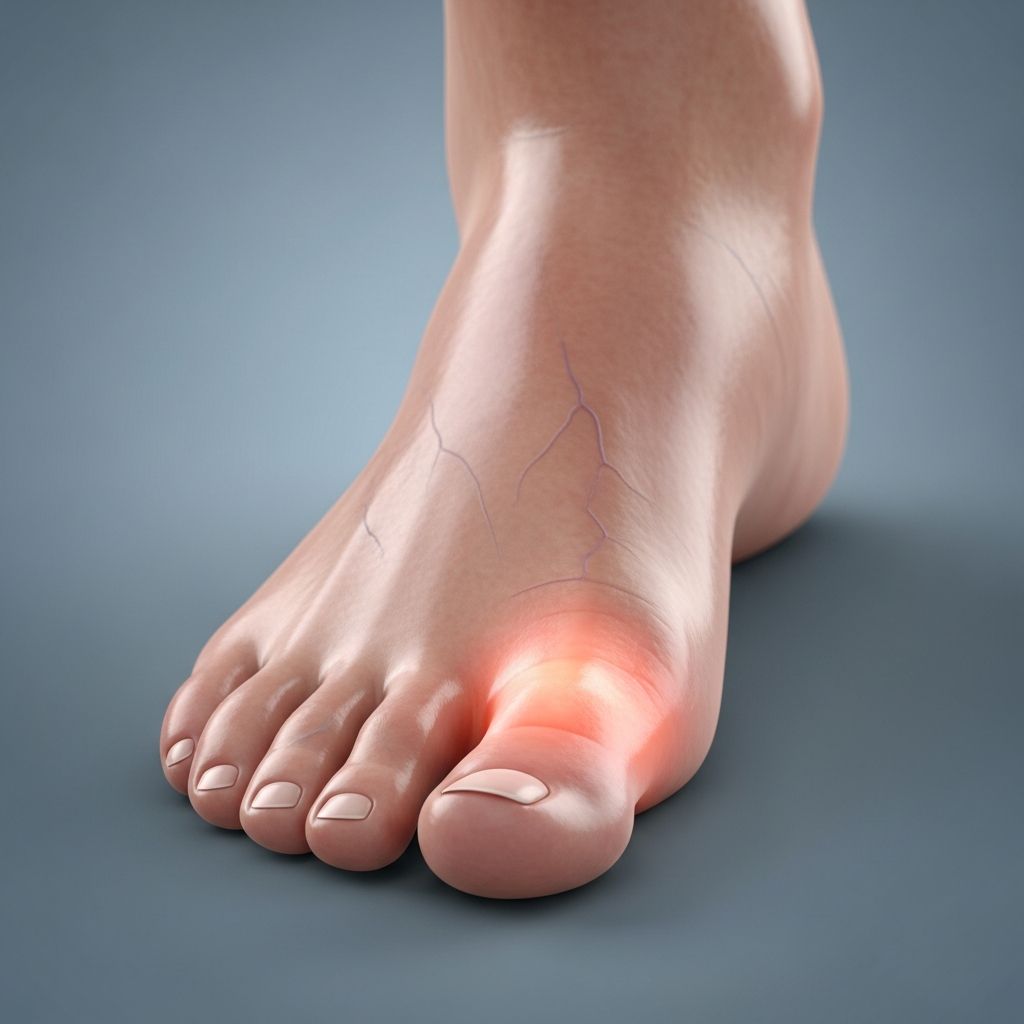
Gout is a common and painful form of inflammatory arthritis triggered by elevated uric acid levels forming needle-like crystals in the joints. These crystals cause sudden, severe flares of pain, swelling, and redness, most often starting in the big toe but potentially affecting other joints like knees, ankles, and wrists.
What Is Gout?
Gout develops when high levels of urate, a waste product from purine breakdown, accumulate in the blood—a condition known as hyperuricemia. Over time, urate forms sharp, needle-shaped crystals in joints, bursae, tendon sheaths, and even kidneys, sparking intense inflammation and arthritis. Unlike other arthritis types, gout flares are episodic, lasting days to weeks, with symptom-free intervals in between. Early intervention through medication, diet, and lifestyle can control it effectively, preventing progression to damaging stages.
The disease disproportionately affects men over 40, postmenopausal women, and those with risk factors like obesity, hypertension, diabetes, or kidney issues. Globally, gout impacts about 4% of U.S. adults, with rising prevalence due to dietary habits and comorbidities.
Gout Symptoms
The hallmark of gout is acute, excruciating joint pain that often strikes suddenly, frequently at night, waking sufferers from sleep. The affected joint becomes hot, swollen, red, and extremely tender—even light touch like bedsheets can be unbearable. Flares typically peak within 12 hours and subside over 7-14 days without treatment, but residual stiffness and inflammation may linger.
- Sudden, intense pain: Begins abruptly, worst in the first 24 hours, often in the big toe (podagra in 50% of first attacks).
- Swelling and inflammation: Joint puffs up, limiting movement.
- Redness and warmth: Skin appears shiny and red, mimicking infection.
- Tenderness: Extreme sensitivity to pressure.
- Limited range of motion: Stiffness persists post-flare, worsening with chronic cases.
While the big toe is classic, gout can migrate to ankles, knees, wrists, fingers, or elbows. Untreated, flares increase in frequency and duration, affecting multiple joints simultaneously.
Stages of Gout
Gout progresses through four distinct stages, from silent hyperuricemia to irreversible joint damage. Recognizing early signs allows intervention to halt advancement.
Stage 1: Asymptomatic Hyperuricemia
Elevated blood urate (>6.8 mg/dL) persists without symptoms. Crystals may form in joints, but no inflammation occurs. Many remain here indefinitely; others advance if unmanaged. No treatment needed unless risks like family history or kidney stones exist.
Stage 2: Acute Gout (Flares)
Crystals trigger sudden attacks. Pain resolves in weeks, but urate levels stay high, priming future flares. Triggers include purine-rich foods (red meat, shellfish), alcohol, dehydration, trauma, or surgery.
Stage 3: Intercritical Gout
Symptom-free periods between attacks, lasting months to years. Urate crystals lurk, heightening flare risk. This is ideal for preventive therapy to avoid progression.
Stage 4: Chronic Tophaceous Gout
Related Stories



Untreated, urate deposits form tophi—hard, chalky lumps under skin, in joints, bursae, or organs. Tophi erode bone, deform joints, cause chronic pain, and raise kidney stone risk. Surgical removal may be needed.
| Stage | Key Features | Duration | Treatment Focus |
|---|---|---|---|
| Asymptomatic Hyperuricemia | High urate, no symptoms | Indefinite | Monitor if low-risk |
| Acute Gout | Sudden flares | 3-10 days | Pain relief, anti-inflammatories |
| Intercritical | No symptoms | Months-years | Urate-lowering therapy |
| Chronic Tophaceous | Tophi, joint damage | Permanent if untreated | Aggressive urate control, surgery |
Causes and Risk Factors
Core cause: Impaired urate handling—overproduction from purines or underexcretion by kidneys (90% of cases). Purines abound in organ meats, seafood, beer; body tissues also contribute. Hyperuricemia alone doesn’t guarantee gout; genetics, triggers matter.
- Overproduction (10%): Genetic disorders, high-purine diets, chemotherapy, psoriasis.
- Underexcretion (90%): Kidney disease, diuretics, hypertension, lead exposure.
Risk factors amplify susceptibility:
- Male sex, age >40, postmenopausal women.
- Obesity (doubles risk), metabolic syndrome.
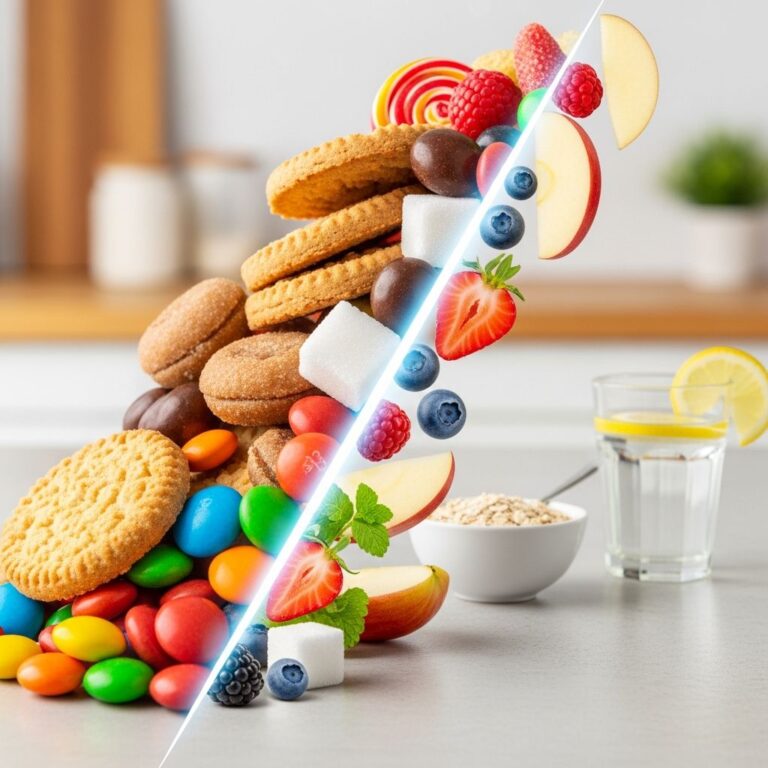
- Alcohol (fructose, dehydration), sugary drinks.
- Medications: thiazides, low-dose aspirin, cyclosporine.
- Comorbidities: CKD, heart failure, diabetes.
Diagnosis
Diagnosis combines history, exam, and tests. Synovial fluid aspiration (gold standard) reveals negatively birefringent urate crystals under polarized microscopy. Blood tests show urate >6 mg/dL (not diagnostic during flares), plus CBC, renal function, lipids. Imaging: X-rays for erosions (punched-out lesions), ultrasound/CT for tophi/crystals.
Differential: Septic arthritis (urgent), pseudogout (CPPD crystals), cellulitis, rheumatoid arthritis. Dual-energy CT differentiates urate deposits precisely.
Treatment
Treatment targets acute relief and long-term prevention.
Acute Flares
- NSAIDs: Indomethacin, naproxen—first-line for pain/swelling.
- Colchicine: Low-dose effective if started early (<36 hours).
- Corticosteroids: Prednisone for contraindications to others.
- Rest, ice, elevate; avoid aspirin.
Urate-Lowering Therapy (ULT)
For frequent flares, tophi, or urate >6 mg/dL: Allopurinol (xanthine oxidase inhibitor, first-line), febuxostat. Target serum urate <6 mg/dL (<5 with tophi). Start post-flare with prophylaxis (colchicine/NSAIDs 3-6 months).
Lifestyle
- Weight loss, hydration (2-3L/day).
- Limit purines: Avoid organ meats, shellfish; moderate beef/chicken.
- Alcohol restriction, especially beer/liquor.
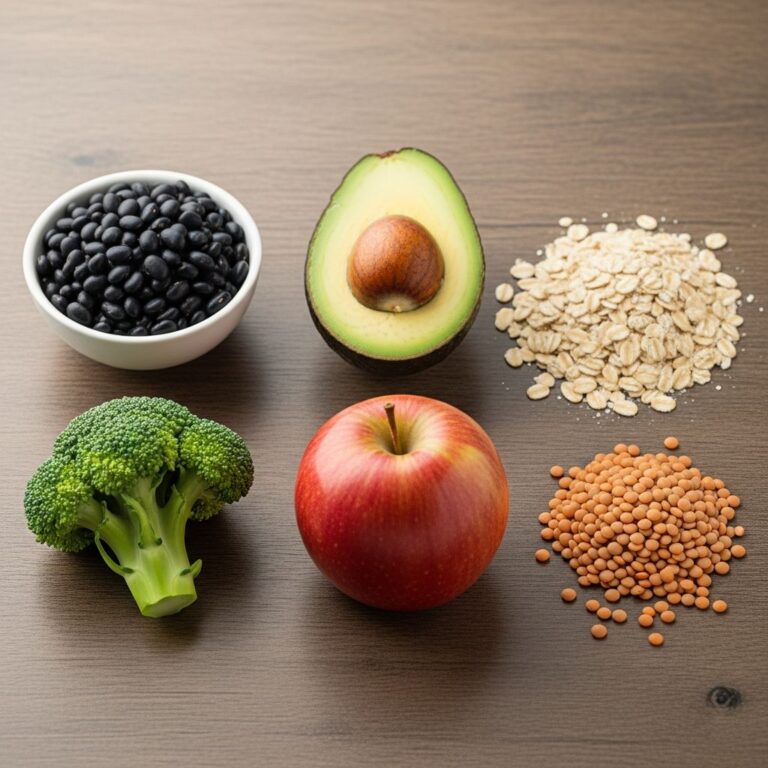
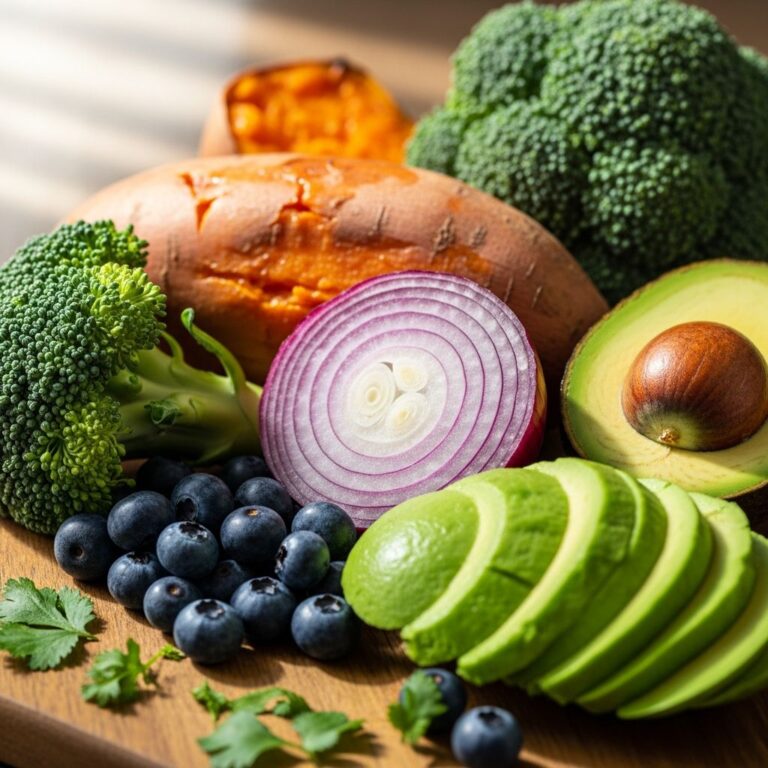
- Cherries, vitamin C, low-fat dairy may help.
Prevention
Prevent flares by sustaining urate <6 mg/dL, avoiding triggers. Annual monitoring for CKD patients. Treat comorbidities aggressively. With adherence, most achieve flare-free lives.
When to See a Doctor
Seek care for first suspected flare, recurrent attacks, tophi, fever/chills (infection risk), or mobility loss. Early rheumatology referral optimizes outcomes.
Frequently Asked Questions (FAQs)
What does a gout attack feel like?
It feels like sudden, throbbing agony in the joint, often big toe, with heat, redness, and swelling so severe that even a blanket hurts.
How long does a gout flare last?
Untreated, 7-14 days; treated, 3-5 days.
Is gout curable?
Not cured, but controllable—many become symptom-free with ULT and lifestyle.
Does diet cause gout?
Diet contributes via purines/alcohol, but genetics/kidney function primary. Moderation key.
Can women get gout?
Yes, post-menopause; less common than men.
References
- Gout Symptoms, Causes, & Risk Factors — National Institute of Arthritis and Musculoskeletal and Skin Diseases (NIAMS), NIH. 2023. https://www.niams.nih.gov/health-topics/gout
- Common Gout Symptoms and How to Prevent Them — Balance Health. 2024. https://balancehealth.com/resources/common-gout-symptoms-and-how-to-prevent-them/bay-area-foot-care/
- 4 Phases Stages of Gout — Arthritis Foundation. 2022-12-06. https://www.arthritis.org/diseases/more-about/stages-of-gout
Similar Articles








Read full bio of Sneha Tete