Gout Treatments: Effective Strategies for Relief
Discover proven treatments for gout flares and long-term management strategies.
Understanding Gout and Treatment Options
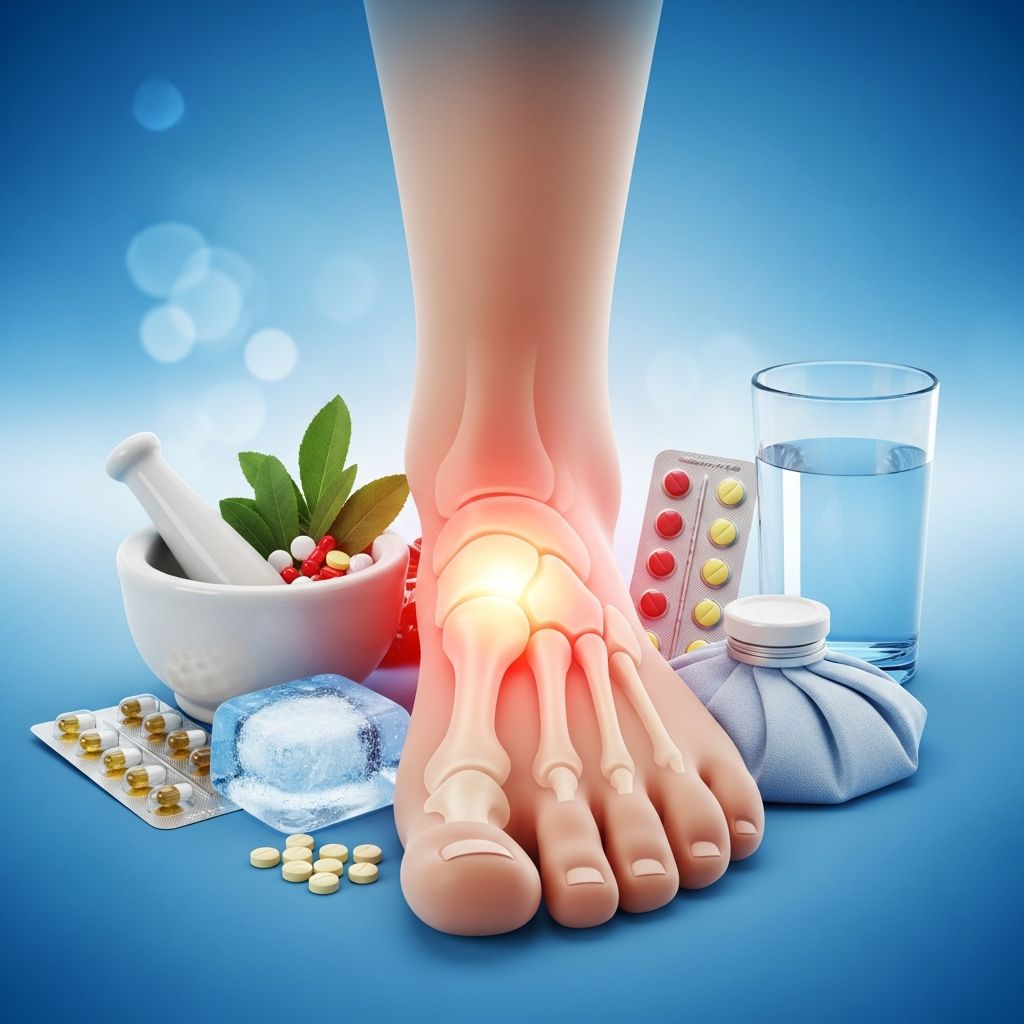
Gout is one of the most treatable forms of arthritis, yet many people suffer unnecessarily from painful flares and complications. The good news is that with proper medical treatment and lifestyle management, you can achieve complete control of your symptoms and prevent future attacks. Understanding your treatment options—both for acute flares and long-term management—is essential for developing an effective strategy tailored to your individual needs.
Gout treatment requires a two-pronged approach: addressing immediate pain and inflammation during acute attacks, and implementing long-term strategies to reduce uric acid levels and prevent recurrent flares. This comprehensive guide explores the medications, lifestyle modifications, and preventive strategies that can help you manage this condition effectively.
Treating Acute Gout Flares
When a gout attack strikes, quick treatment is essential. The sooner you start therapy, the faster you can find relief from the intense pain, swelling, and inflammation. Medical professionals recommend beginning treatment within 24 hours of symptom onset for optimal results.
First-Line Medications for Acute Attacks
Three main categories of medications can effectively treat acute gout attacks, and your doctor will help determine which option is best for your situation:
Nonsteroidal Anti-Inflammatory Drugs (NSAIDs)
NSAIDs such as ibuprofen, naproxen, and indomethacin are often the first choice for treating acute gout flares. Unlike over-the-counter doses, your physician may prescribe higher therapeutic doses that work more effectively against gout inflammation. NSAIDs work best when started within 24 hours of symptom onset and function by reducing both pain and inflammatory response in the affected joint.
Colchicine
Colchicine is particularly effective when taken within 12 to 24 hours of a flare beginning. Modern low-dose colchicine regimens are significantly safer than older high-dose protocols, causing fewer gastrointestinal side effects while maintaining therapeutic efficacy. This medication works by reducing the inflammatory response triggered by uric acid crystals in the joint.
Corticosteroids
Corticosteroids offer an important treatment option for patients who cannot tolerate NSAIDs or colchicine due to other medical conditions. These can be administered orally or injected directly into the affected joint for immediate, localized relief. Corticosteroids effectively reduce inflammation and provide pain relief during acute attacks.
Complementary Pain Management Strategies
Beyond medications, several evidence-based strategies can help manage acute flare symptoms effectively:
Rest and Joint Protection
Resting the affected joint and avoiding putting weight on it when possible allows the inflammation to subside more quickly. This protection is particularly important during the first 48 to 72 hours of an acute attack.
Cold Therapy
Applying ice packs for 20-minute intervals reduces inflammation and provides pain relief. Always wrap ice in a towel to protect your skin from cold injury. This simple intervention can be repeated every 2-3 hours throughout the day.
Elevation
Elevating the affected joint above heart level helps reduce swelling and improves circulation, promoting faster recovery. This technique is especially effective when combined with ice therapy and rest.
Related Stories



Hydration
Staying well-hydrated by drinking plenty of water helps your kidneys flush excess uric acid from your system. This not only aids in symptom relief during the current flare but also helps prevent future attacks and kidney stone formation.
Long-Term Management with Urate-Lowering Therapy
While acute flare management addresses immediate symptoms, long-term control requires reducing and maintaining lower uric acid levels. Urate-lowering therapy (ULT) is the cornerstone of preventing recurrent gout attacks and protecting your joints from permanent damage.
When to Start Urate-Lowering Therapy
The American College of Rheumatology provides clear guidelines for initiating ULT. You should consider starting this therapy if you experience:
– Two or more flares per year- One or more tophi (deposits of uric acid crystals)- Evidence of joint damage visible on X-rays- History of kidney stones related to uric acid
Additionally, some doctors recommend ULT after a first attack in younger patients with very high uric acid levels, since they’re statistically likely to experience future attacks. ULT is typically started 2 to 4 weeks after a flare has completely settled to ensure the inflammatory response has subsided.
Medication Options for Long-Term Management
Several medications can effectively lower uric acid levels. Your healthcare provider will select the most appropriate option based on your individual circumstances, kidney function, and tolerance profile.
Allopurinol
Allopurinol is the first-line treatment for most people with gout. This medication works by blocking xanthine oxidase, an enzyme that produces uric acid in the body. The dose is gradually increased until your uric acid levels reach the target range, typically below 6 mg/dL (360 micromol/L). This gradual titration approach helps minimize side effects while achieving therapeutic goals.
Febuxostat
Febuxostat is an effective alternative for people who cannot tolerate allopurinol or do not respond adequately to it. Both medications are equally effective at lowering uric acid levels, though they work through slightly different mechanisms. Your doctor can help determine if febuxostat is appropriate for your situation.
Uric Acid Targets
The goal of ULT is to maintain serum uric acid levels below 6 mg/dL. Some people with frequent flares or tophi may require even lower levels, below 5 mg/dL, to achieve optimal symptom control and prevent progressive joint damage.
Prophylactic Treatment During ULT Initiation
During the first few months of ULT, you will likely need prophylactic treatment with colchicine or NSAIDs to prevent flares. This is crucial because changing uric acid levels can temporarily trigger attacks as crystals dissolve. This temporary increase in flare frequency does not indicate treatment failure but rather represents the therapeutic process working to normalize your uric acid metabolism.
Dietary Modifications and Lifestyle Changes
While medication forms the foundation of gout management, diet and lifestyle modifications play supporting but important roles. Research demonstrates that diet modifications alone reduce uric acid by only about 1 mg/dL—medication is usually necessary for effective management. However, comprehensive dietary approaches combined with weight loss can provide meaningful additional benefits.
Foods That Help Lower Uric Acid
Focus on incorporating foods that support uric acid elimination:
Low-Fat Dairy Products
Low-fat dairy products can help your body eliminate uric acid more effectively. Studies show that dairy proteins promote the urinary excretion of uric acid, making milk, yogurt, and cheese beneficial additions to your diet.
Complex Carbohydrates
Whole grains, fruits, and vegetables provide essential nutrition without raising uric acid levels. These foods also support healthy weight management and improve overall metabolic health.
Cherries
Cherries may help reduce the risk or severity of gout attacks due to their antioxidant properties. Including fresh or frozen cherries in your diet might provide additional protective benefits.
Hydration Strategy
Adequate hydration is crucial for gout management. Aim for at least 64 ounces of water daily, and more if you exercise regularly. Water helps flush uric acid from your system and may prevent kidney stone formation, a complication that can occur in gout patients.
Comprehensive Dietary Patterns
Recent research suggests that healthy dietary patterns such as the Mediterranean or DASH (Dietary Approaches to Stop Hypertension) diets can provide significant benefits when combined with weight loss for those who are overweight or obese. These comprehensive approaches address not only gout but also associated cardiometabolic risk factors. By treating gout as part of the broader metabolic syndrome and shifting to these evidence-based healthy dietary patterns, beneficial effects on gout endpoints naturally follow through changes in insulin resistance.
Prevention Strategies and Trigger Management
Understanding and managing your individual gout triggers is essential for preventing future attacks. A personalized prevention approach combined with consistent medication use can dramatically reduce flare frequency.
Tracking and Identifying Triggers
Keep a detailed diary that includes:
– Foods and beverages consumed- Medications taken- Physical activities and exercise patterns- Stress levels and sleep quality- Flare occurrences and severity ratings
This information helps you and your doctor identify patterns specific to your condition and adjust your treatment plan accordingly. Many patients discover that certain foods, alcohol consumption, dehydration, or stress consistently precede their flares.
Gradual Lifestyle Changes
Make gradual changes rather than dramatic lifestyle overhauls. Sudden changes in diet, weight, or activity level can actually trigger flares by causing rapid fluctuations in uric acid levels. Implementing modifications slowly allows your body to adapt and reduces flare risk.
Medication Compliance
Research shows that at best, diet changes alone may only reduce uric acid levels by 1.0 mg/dL. Medication compliance is absolutely essential for long-term management and achieving sustained control of your gout. Consistent use of prescribed urate-lowering therapy is far more important than dietary modifications alone in preventing recurrent attacks.
Frequently Asked Questions
Can gout be cured completely?
While there is no permanent cure for gout, it is one of the most treatable forms of arthritis. With proper medication and lifestyle management, many people achieve complete control of their symptoms and prevent future attacks. Some people who maintain low uric acid levels for years may eventually be able to stop medication under medical supervision, though this requires careful monitoring.
How long does it take for urate-lowering therapy to work?
ULT begins lowering uric acid levels within days to weeks, but it typically takes 3 to 6 months to see a significant reduction in flare frequency. Some people actually experience more flares initially as uric acid crystals dissolve and are eliminated from the body. This temporary increase in flare frequency does not indicate treatment failure, which is why prophylactic anti-inflammatory medication is important during the first months of treatment.
What should I do if I have a gout attack?
Start treatment immediately, ideally within 24 hours of symptom onset. Take prescribed NSAIDs, colchicine, or corticosteroids as directed by your physician. Rest the affected joint, apply ice wrapped in a towel for 20-minute intervals, elevate the joint above heart level, and drink plenty of water. Contact your doctor if symptoms do not improve within 48 hours or if you develop severe symptoms.
Can I stop my gout medications?
Never stop urate-lowering therapy without consulting your physician. Stopping medication typically results in rapid uric acid level elevation and recurrent attacks. Only under careful medical supervision, after maintaining low uric acid levels for an extended period, may your doctor consider gradually reducing or discontinuing therapy.
Are there any foods I should completely avoid?
While severe purine restriction is not necessary with modern medication, moderating consumption of high-purine foods such as organ meats, certain seafood, and alcohol—particularly beer—may help reduce flare frequency. Work with your healthcare provider or a dietitian to identify your personal triggers and develop an appropriate dietary strategy.
References
- Gout: What It Is, How It’s Diagnosed, Treatments, and Management — Solace Health. 2024-2025. https://www.solace.health/articles/gout-what-it-is-how-its-diagnosed-treatments-and-management
- The Role of Diet in Hyperuricemia and Gout — National Center for Biotechnology Information (NCBI), National Institutes of Health. 2021. https://pmc.ncbi.nlm.nih.gov/articles/PMC7886025/
Similar Articles








Read full bio of Sneha Tete