Graft-Versus-Host Disease: Causes, Symptoms, and Treatment
Understanding GVHD: A comprehensive guide to causes, symptoms, and effective treatment options.
What Is Graft-Versus-Host Disease?
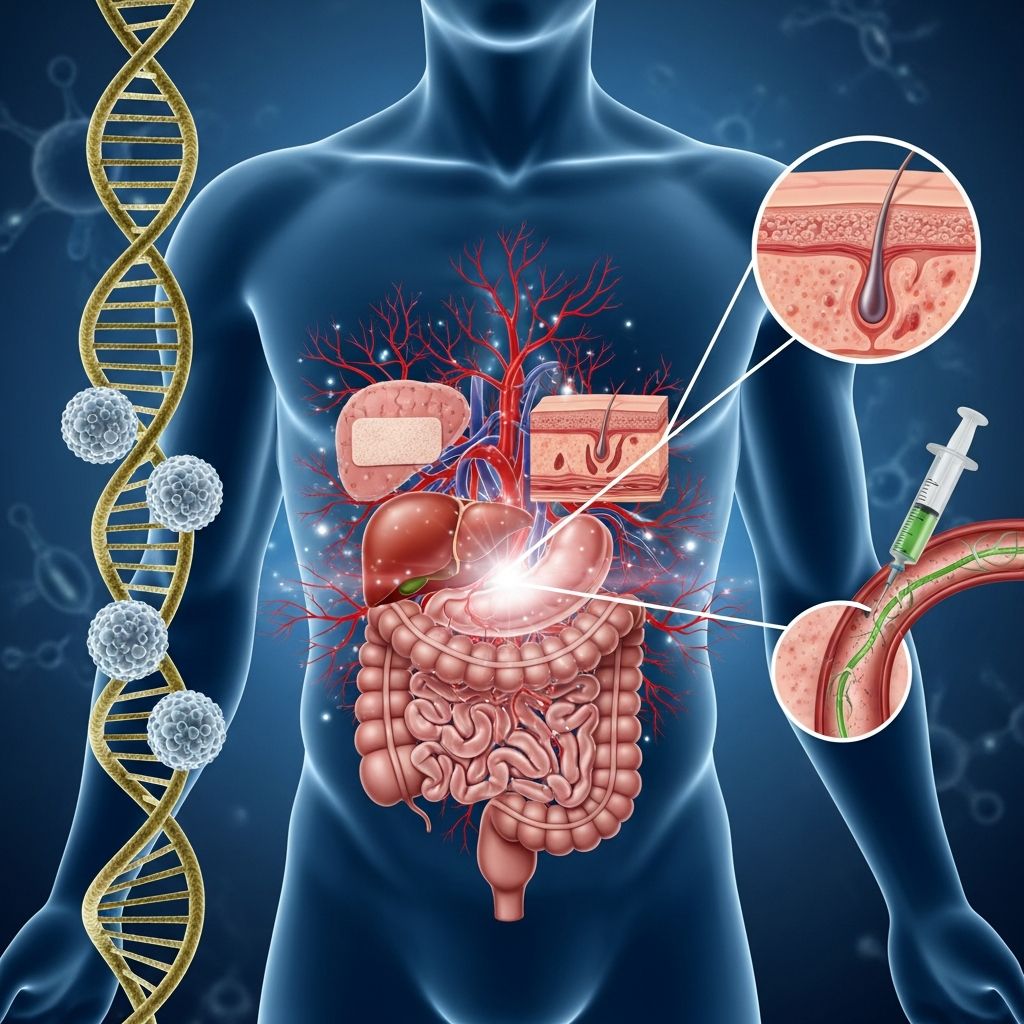
Graft-versus-host disease (GVHD) is a serious complication that occurs when donor stem cells or bone marrow cells attack the recipient’s healthy tissues after transplantation. The condition develops because the transplanted cells recognize the recipient’s body as foreign and mount an immune response against it. This occurs most commonly after allogeneic stem cell or bone marrow transplants, where cells come from a donor rather than the patient’s own cells.
The disease gets its name from the nature of the attack: the “graft” (transplanted cells) fights against the “host” (the recipient’s body). While this graft-versus-tumor effect can be beneficial in fighting cancer, the attack on healthy tissues causes GVHD. Understanding this condition is crucial for transplant patients, as it affects approximately 60% of those receiving bone marrow transplants, though severity varies widely.
How Does GVHD Develop?
GVHD occurs due to the fundamental way the immune system recognizes “self” versus “foreign.” The body uses HLA markers (human leucocyte antigens) as an identification system. These markers tell white blood cells which cells belong in the body and which ones are foreign invaders. When donor stem cells are transplanted, they carry HLA markers from the donor.
If the donor’s HLA markers differ significantly from the recipient’s, the donor cells’ white blood cells recognize the recipient’s tissues as foreign and attack them. This is why matching HLA markers between donor and recipient is so important—the closer the match, the lower the risk of GVHD developing. Even with matched donors, some degree of mismatch at the cellular level can trigger an immune response.
Prior to transplantation, recipients typically undergo myeloablative treatment with radiation or chemotherapy to destroy their diseased bone marrow and suppress their immune system. When the new donor cells arrive, the weakened immune system cannot adequately control the donor lymphocytes’ reaction to the recipient’s foreign antigens, allowing GVHD to develop.
Types of GVHD: Acute vs. Chronic
GVHD is classified into two main types based on timing and characteristics: acute and chronic. Each presents different symptoms and requires tailored treatment approaches.
Acute GVHD
Acute GVHD (aGvHD) typically develops within the first 100 days after transplantation, though it can appear as early as 2-3 weeks or as late as 6 months. The condition primarily affects the skin, liver, and gastrointestinal tract.
Common symptoms of acute GVHD include:
- Skin rash, itching, and redness that may start on the palms or soles of feet
- Abdominal pain, cramps, nausea, vomiting, and diarrhea
- Jaundice (yellowing of skin or eyes) or other liver dysfunction
- Increased risk of infections due to immune system suppression
Acute GVHD severity is classified into grades 1-4, with grade 1 being mild and grade 4 being life-threatening. Many patients develop mild symptoms that resolve with treatment, but some experience severe manifestations requiring intensive intervention.
Chronic GVHD
Chronic GVHD (cGvHD) develops after 100 days post-transplant, typically beginning at least 3 months following the procedure, and can persist for years or even a lifetime. Approximately 40-50% of patients receiving allogeneic stem cell transplantation develop chronic GVHD.
Related Stories



Chronic GVHD may involve a single organ or multiple organ systems. Symptoms often mirror acute GVHD but with additional complications:
- Skin changes, including scleroderma-like thickening
- Dry eyes and mouth with burning sensations
- Gastrointestinal problems and difficulty swallowing
- Lung involvement resembling bronchiolitis obliterans
- Musculoskeletal symptoms resembling myositis
- Mucous membrane involvement affecting mouth and eyes in sicca syndrome patterns
Because chronic GVHD is a long-term condition, it significantly impacts quality of life and requires ongoing management strategies.
Risk Factors and Prevention
Several factors influence the likelihood of developing GVHD. The degree of HLA matching between donor and recipient is paramount—matched sibling donors present lower risks than matched unrelated donors or haploidentical donors. Additionally, the age of both donor and recipient, the type of transplant conditioning regimen, and the source of stem cells (bone marrow, peripheral blood, or cord blood) all influence GVHD risk.
Prevention strategies include prophylactic immunosuppressive treatment before and after transplantation. The main preventive drug combination consists of cyclosporine and methotrexate, with T-cell depletion of the graft reducing GVHD incidence. Blood may also be irradiated before transfusion to suppress donor lymphocytes, preventing GVHD development in recipients of non-irradiated blood products.
Diagnosis of GVHD
Diagnosis typically begins with clinical observation of characteristic symptoms appearing at expected timeframes post-transplant. Healthcare providers assess skin, liver, and gastrointestinal involvement to classify GVHD severity. For chronic GVHD, diagnosis may be more complex, as symptoms can mimic other conditions. Providers perform comprehensive evaluations, including blood tests for liver function, imaging studies, and in some cases, skin or tissue biopsies to confirm GVHD and rule out alternative diagnoses.
Treatment Options for GVHD
The primary goals of GVHD treatment are to manage symptoms and prevent further damage to body organs. Treatment approaches differ between acute and chronic GVHD, with severity determining intensity of intervention.
Acute GVHD Treatment
Immunosuppression with corticosteroids forms the foundation of acute GVHD therapy. For patients with grade 2-4 acute GVHD, treatment typically involves continuing original immunosuppressive prevention medications while adding corticosteroids such as methylprednisolone or prednisone taken orally.
For patients responding to corticosteroids, doses are gradually tapered over time. However, approximately 30-50% of patients are “steroid refractory”—meaning they do not respond adequately to corticosteroids and require second-line treatments. Alternative approaches may include:
- Ruxolitinib (Jakafi®), a newer immunosuppressive agent
- Enrollment in clinical trials testing new treatment combinations
- Topical corticosteroids for localized skin involvement
- Intravenous immunoglobulin (IVIG) in select cases
Treatment intensity depends on symptom severity. Patients with more severe symptoms typically require systemic or “whole-system” treatment that travels through the bloodstream and reaches cells throughout the entire body.
Chronic GVHD Treatment
Chronic GVHD management emphasizes long-term symptom control and quality of life maintenance. Prednisone is the standard first-line systemic therapy for chronic GVHD. Like acute GVHD treatment, corticosteroid doses are gradually adjusted based on patient response.
For patients not responding to steroid treatment, second-line options include:
- Calcineurin inhibitors such as tacrolimus
- mTOR inhibitors like sirolimus
- Antithymocyte globulin (ATG) for steroid-resistant cases
- Extracorporeal photopheresis for certain manifestations
- Targeted therapies based on specific organ involvement
Patients with multi-organ involvement typically require systemic treatment, while those with limited, single-organ disease may manage with topical or localized interventions.
Managing Immunosuppression Complications
Immunosuppressive medications, while necessary, weaken the immune system and increase risk of fungal, bacterial, and viral infections. Healthcare providers routinely prescribe prophylactic antimicrobial medications to prevent potentially life-threatening infections. Patients require careful monitoring with regular blood work and clinical assessments throughout treatment.
Organ-Specific GVHD Management
Because GVHD can affect multiple organ systems, treatment often requires specialized approaches:
Eye involvement: Treatment depends on symptom severity, with most cases managed using preservative-free artificial tear drops and other lubricating agents.
Gastrointestinal involvement: Dietary modifications, anti-diarrheal medications, and nutritional support become important components of care.
Skin manifestations: Topical corticosteroids, phototherapy, and systemic treatments address various skin presentations.
Prognosis and Long-Term Outlook
The prognosis for GVHD varies considerably based on severity, organ involvement, and treatment response. Many patients with mild acute GVHD recover completely with appropriate treatment. However, severe acute GVHD and extensive chronic GVHD can significantly impact long-term quality of life and survival.
With advances in immunosuppressive therapies and better understanding of prevention strategies, outcomes have improved substantially. Early detection and prompt treatment are crucial for managing GVHD effectively and minimizing complications.
Frequently Asked Questions
Q: Can GVHD be completely prevented?
A: While prophylactic treatments with immunosuppressive medications and HLA matching significantly reduce GVHD risk, complete prevention is not always possible. However, these preventive measures can substantially decrease incidence and severity.
Q: How long does GVHD treatment typically last?
A: Acute GVHD treatment usually lasts several weeks to months, with gradual tapering of medications as symptoms improve. Chronic GVHD may require treatment for years or potentially a lifetime, depending on symptom persistence and severity.
Q: Are there any newer treatments for steroid-resistant GVHD?
A: Yes, Ruxolitinib (Jakafi®) represents a newer immunosuppressive option for steroid-refractory cases. Additionally, clinical trials continue to test innovative treatment combinations and novel therapies.
Q: Can GVHD recur after initial treatment?
A: Yes, GVHD symptoms can fluctuate during treatment, and management may require medication adjustments. Some patients experience resolution, while others require ongoing management over extended periods.
Q: What is the difference between acute and chronic GVHD?
A: Acute GVHD occurs within the first 100 days post-transplant and primarily affects skin, liver, and intestines. Chronic GVHD develops after 100 days and can involve multiple organs, potentially lasting a lifetime.
References
- Graft-versus-host disease (GVHD) — Blood Cancer United. 2024. https://bloodcancerunited.org/blood-cancer-care/adults/types-blood-cancer-treatment/stem-cell-transplantation/allogeneic/graft-versus-host-disease-gvhd
- Graft versus Host Disease – Symptoms, Causes, Treatment — NORD (National Organization for Rare Disorders). 2024. https://rarediseases.org/rare-diseases/graft-versus-host-disease/
- Graft-versus-host disease — Penn Medicine. 2024. https://www.pennmedicine.org/conditions/graft-versus-host-disease
- Graft vs. Host Disease (GvHD) – Cleveland Clinic — Cleveland Clinic. 2024. https://my.clevelandclinic.org/health/diseases/10255-graft-vs-host-disease-an-overview-in-bone-marrow-transplant
- Graft-Versus-Host Disease — Fred Hutchinson Cancer Center. 2024. https://www.fredhutch.org/en/patient-care/treatments/blood-marrow-transplant/being-treated/graft-versus-host-disease.html
- Graft-versus-host-disease (GVHD) symptoms: Chronic & Acute — National Marrow Donor Program (NMDP). 2024. https://www.nmdp.org/patients/transplant-support/life-after-transplant/physical-recovery/graft-versus-host-disease/gvhd-symptoms
- Chronic Graft-versus-Host-Disease (GVHD) Symptoms and Treatment — BMT InfoNet. 2024. https://bmtinfonet.org/transplant-article/chronic-gvhd-symptoms-and-treatment
Similar Articles








Read full bio of medha deb