Granular Parakeratosis: Guide To Diagnosis & Treatment
Unveiling granular parakeratosis: a rare skin condition affecting body folds with red-brown plaques, keratosis, and effective treatments.
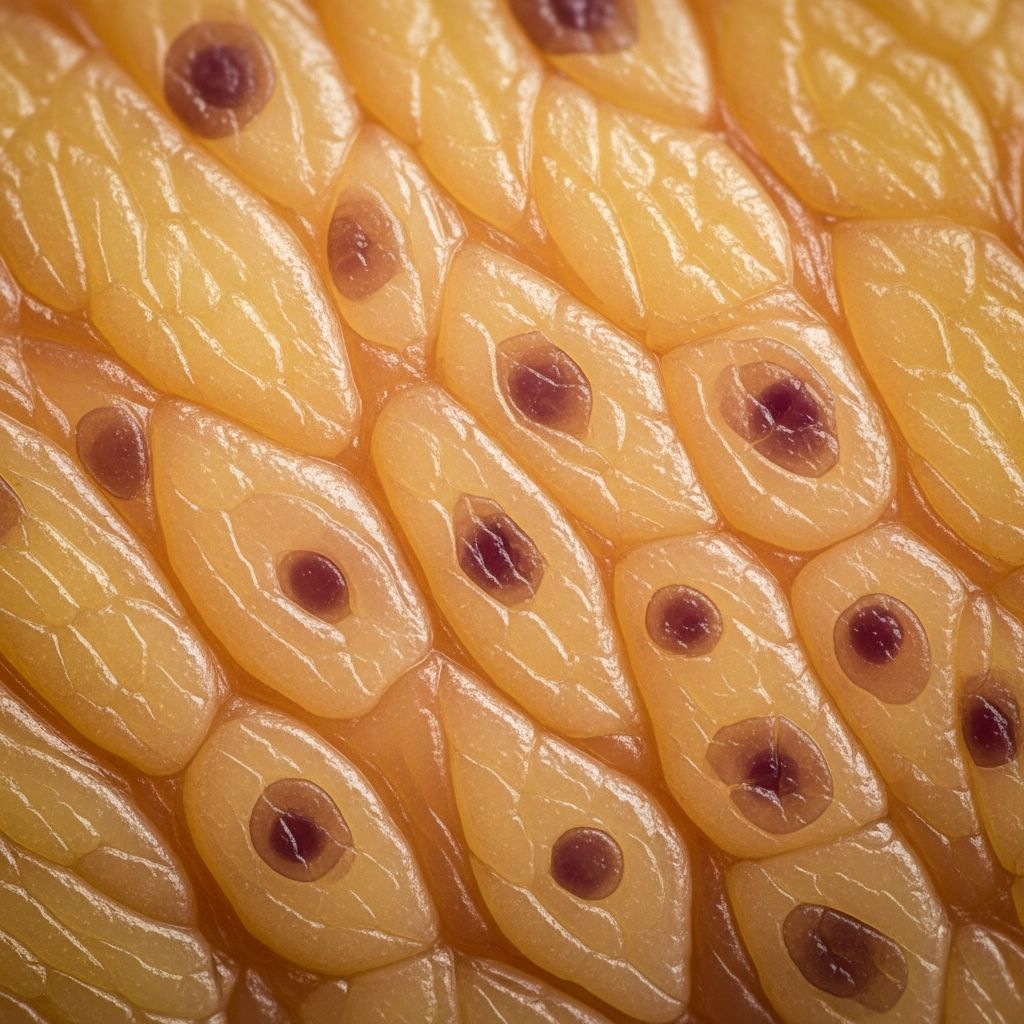
What is granular parakeratosis?
Granular parakeratosis (GP), also known as axillary granular parakeratosis, intertriginous granular parakeratosis, or ‘zombie patch’, is a rare, benign, acquired cutaneous disorder characterized by the appearance of erythematous to brownish-red keratotic papules that often coalesce into plaques, primarily affecting the intertriginous (skin fold) areas such as axillae, groins, inframammary regions, and occasionally other flexural sites.
This condition represents a distinctive reaction pattern in the epidermis rather than a distinct disease entity, marked by abnormal retention of keratohyalin granules within the stratum corneum, leading to compact parakeratosis. First described in 1991, GP typically manifests in adults, though cases in infants, children, and across all races have been documented, challenging earlier notions that it predominantly affects middle-aged women.
The papules are often described as ‘stuccolike’ or ‘branny’, with a rough, hyperkeratotic texture that distinguishes them from more inflammatory intertrigo. While usually asymptomatic, pruritus can occur in some patients, prompting medical consultation.
Who gets granular parakeratosis?
Granular parakeratosis can affect individuals of any age, gender, or ethnicity, though it is infrequently reported. Historical case series suggested a predilection for middle-aged women, but contemporary reports confirm occurrences in men, children, infants, and diverse racial backgrounds.
- Adults: Most common demographic, often in axillae post-shaving or deodorant use.
- Men: Frequently in groin and scrotal areas, as in cases of symmetrical bilateral inguinal erythema.
- Children and infants: Rare but documented flexural presentations.
- No strong racial bias, though hyperpigmentation may be more noticeable in darker skin types.
Risk factors include occlusion in moist skin folds, friction, and exposure to irritants, but many cases arise idiopathically without identifiable triggers.
What causes granular parakeratosis?
The precise aetiology of granular parakeratosis remains unknown, but it is widely regarded as a reaction pattern triggered by irritants or mechanical factors disrupting normal keratinization in occluded areas. Key proposed triggers include:
- Topical irritants: Antiperspirants (containing aluminium chloride), deodorants, zinc oxide creams, benzalkonium chloride (BACs), salicylic acid ointments, and metals like mercury.
- Occlusion and friction: Tight clothing, shaving, or hyperhidrosis leading to trapped moisture and irritation in folds.
- Idiopathic: Many patients deny exposure history, suggesting possible intrinsic epidermal processing defects of keratohyalin granules.
- Other associations: Rarely linked to systemic factors, but no consistent genetic or infectious aetiology identified.
Pathogenesis involves failure of corneocytes to degrade keratohyalin granules (filaggrin precursors), resulting in their persistence in the parakeratotic stratum corneum. This may stem from impaired proteolysis in a humid, occluded environment.
What are the clinical features of granular parakeratosis?
Related Stories



Clinically, granular parakeratosis presents with well-demarcated, erythematous to hyperpigmented plaques composed of coalescing keratotic papules in intertriginous sites. Key features include:
- Morphology: Red-brown, velvety or stuccolike papules/plaques with branlike scaling or dryness; central hyperpigmentation with peripheral erythema.
- Sites: Axillae (bilateral, often post-shaving), groins/scrotum, inframammary folds, gluteal cleft, neck folds; rarely extraflexural.
- Symptoms: Usually asymptomatic; occasional pruritus or mild discomfort from scaling.
- Evolution: Acute onset after irritant exposure; persistent if untreated but self-limited in some.
Lesions may worsen with continued irritant use, e.g., flumethasone salicylic acid aggravating groin erythema. Figures from cases depict symmetrical inguinal plaques with dry scales and scrotal involvement.
Diagnosis
Diagnosis of granular parakeratosis is primarily histopathological, as clinical features overlap with other flexural dermatoses. Clinical suspicion arises from the characteristic keratotic plaques in folds without significant inflammation.
Histopathology
Skin biopsy is confirmatory, revealing:
- Hallmark: Compact parakeratosis with basophilic (blue-purple) keratohyalin granules retained in the stratum corneum corneocytes.
- Epidermis: Acanthosis, papillomatosis, spongiosis; occasional psoriasiform changes.
- Dermis: Mild lymphohistiocytic infiltrate; no significant inflammation.
- Special stains: Not typically required; granules are periodic acid-Schiff (PAS) negative.
This distinguishes GP from inverse psoriasis (parakeratosis without granules), candidiasis (yeasts), or Hailey-Hailey (acantholysis).
Differential diagnosis
| Condition | Key Differentiators |
|---|---|
| Intertrigo / Candidiasis | Moist, eroded; yeasts on KOH; responds to antifungals. |
| Inverse psoriasis | Well-defined erythema; Auspitz sign absent; no granules. |
| Hailey-Hailey / Darier | Acantholysis on biopsy; family history; dyskeratosis. |
| Acanthosis nigricans | Velvety hyperpigmentation; insulin resistance link; no parakeratosis. |
| Confluent papillomatosis | Postpubertal; trunk; Malassezia association. |
Biopsy resolves differentials.
Treatment of granular parakeratosis
Granular parakeratosis has a favourable prognosis, often resolving spontaneously upon irritant discontinuation. Management is tailored to severity:
- First-line: Avoid triggers (antiperspirants, occlusives); emollients/silicone oils for dryness.
- Topicals: Glucocorticoids (hydrocortisone butyrate), tretinoin, vitamin D3 analogues (calcipotriol), calcineurin inhibitors (tacrolimus).
- Other topicals: Ammonium lactate, glycolic acid, antifungals (if superinfection).
- Systemic: Oral isotretinoin or retinoids for recalcitrant cases.
- Procedural: Cryotherapy, botulinum toxin injections (for hyperhidrosis), Nd:YAG/CO2 lasers.
Case example: Groin GP cleared in 2 weeks with glucocorticoid + silicone oil; no recurrence at 3 months. Combination therapies like glycolic acid + tretinoin yield rapid response with minimal side effects.
Frequently asked questions (FAQs) on granular parakeratosis
Q: Is granular parakeratosis contagious?
A: No, GP is not infectious or contagious; it is a non-communicable reaction pattern.
Q: Does granular parakeratosis go away on its own?
A: Yes, many cases resolve spontaneously after stopping irritants, within weeks to months.
Q: What is the best treatment for granular parakeratosis?
A: Trigger avoidance + topical steroids/emollients; biopsy-guided for persistent cases.
Q: Can granular parakeratosis affect children?
A: Yes, though rare; presents similarly in flexural areas.
Q: How is granular parakeratosis diagnosed?
A: By skin biopsy showing keratohyalin granules in parakeratotic stratum corneum.
Clinical cases and outcomes
Case 1: Young male with bilateral groin/scrotal erythema, dry scales; worsened by salicylic glucocorticoid; resolved with hydrocortisone butyrate + silicone oil.
Case 2: Post-shave axillary stuccolike plaques; biopsy-confirmed GP; cleared with glycolic acid + tretinoin.
Prognosis excellent; low recurrence with avoidance.
References
- Granular parakeratosis: a case report — Dove Medical Press (CCID). 2023. https://www.dovepress.com/granular-parakeratosis-a-case-report-peer-reviewed-fulltext-article-CCID
- Granular parakeratosis — NCBI Bookshelf (StatPearls). 2023-10-01. https://www.ncbi.nlm.nih.gov/books/NBK556094/
- A red scaly rash to the groin — RACGP (AJGP). 2023-01-02. https://www1.racgp.org.au/ajgp/2023/january-february/a-red-scaly-rash-to-the-groin
- Granular Parakeratosis — MDedge (The Hospitalist). 2023. https://blogs.the-hospitalist.org/content/granular-parakeratosis
Similar Articles








Read full bio of medha deb