Granuloma Annulare: Symptoms, Causes & Treatments
Complete guide to granuloma annulare: Understanding symptoms, causes, and effective treatment options.
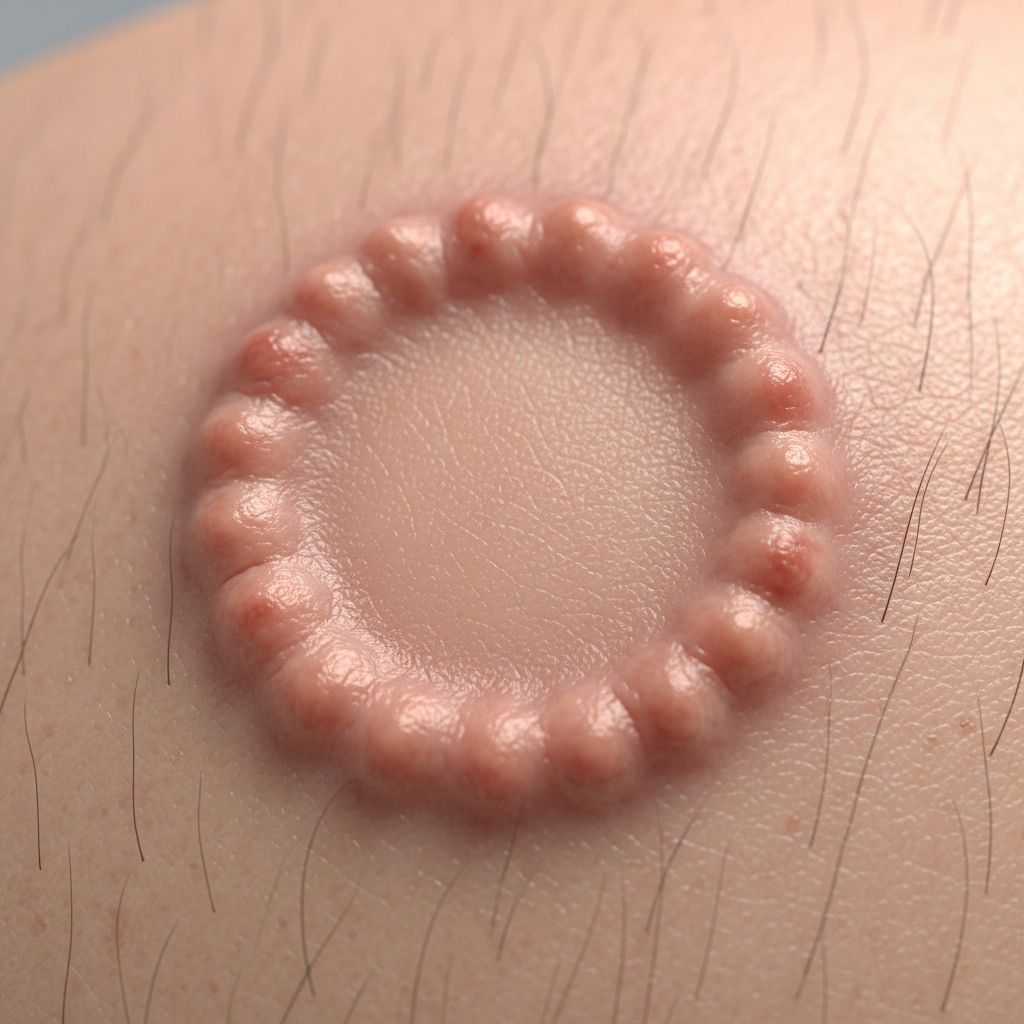
Understanding Granuloma Annulare: A Comprehensive Guide
Granuloma annulare is a benign, often chronic skin disorder characterized by inflammation that results in raised, discolored rashes or lumps beneath the skin. This condition, while not dangerous or contagious, can cause significant concern for those affected due to its visible appearance and prolonged duration. Despite being relatively common, many people remain unfamiliar with this skin condition, its underlying causes, and the available treatment options. Understanding granuloma annulare is essential for patients seeking relief and healthcare providers offering care.
This skin disorder most commonly affects children and young adults, though it may develop in people of all ages. Notably, women experience granuloma annulare approximately twice as frequently as men, suggesting a potential gender-related predisposition. The condition presents in various forms, each with distinct characteristics and symptom patterns, making diagnosis and treatment planning crucial components of managing this chronic dermatological issue.
What is Granuloma Annulare?
Granuloma annulare is classified as a harmless skin condition that involves inflammation within the skin layers. The term “granuloma” refers to a collection of immune cells, while “annulare” describes the ring-shaped pattern often observed in the condition’s presentation. The hallmark feature is the development of a raised, discolored rash or bumps that may appear in circular or semicircular patterns on the skin’s surface.
The affected skin typically appears pink, purple, or slightly darker than the surrounding skin tone. In some instances, patients report itching or discomfort in the affected areas, though many experience no symptoms beyond the visible rash. The condition can range from small, localized patches to extensive rashes covering large portions of the body, depending on the specific type of granuloma annulare an individual develops.
Types of Granuloma Annulare
Healthcare providers recognize five main types of granuloma annulare, each with distinct characteristics and symptom presentations. Understanding these different types helps in proper diagnosis and treatment planning. It is important to note that individuals may develop more than one type of granuloma annulare simultaneously.
Localized Granuloma Annulare
Localized granuloma annulare represents the most common form of this skin condition. It typically presents with circular or semicircular rash borders with a diameter of up to 2 inches (5 centimeters). This type most commonly affects the hands, feet, wrists, and ankles, particularly in young adults. The lesions are usually confined to small areas of the body and rarely cause significant systemic symptoms.
Generalized Granuloma Annulare
Generalized granuloma annulare is an uncommon form that typically affects adults and causes bumps forming a rash on most of the body, including the trunk, arms, and legs. This widespread presentation often produces discomfort or itchiness and may lead to increased psychological distress due to the extensive visible involvement. Patients with generalized granuloma annulare may experience a greater burden on their quality of life compared to those with localized forms.
Subcutaneous Granuloma Annulare
This type of granuloma annulare develops deep beneath the skin surface, resulting in lumps or nodules that may not be immediately visible but can be felt under the skin. Subcutaneous granuloma annulare typically occurs on the lower extremities and may cause discomfort or tenderness in the affected areas.
Related Stories



Perforating Granuloma Annulare
Perforating granuloma annulare is characterized by lesions that appear to penetrate through the skin layers. This type may present with drainage or crusting of the affected areas and requires careful monitoring to prevent secondary infections.
Patch Granuloma Annulare
Patch granuloma annulare presents as larger, flatter lesions compared to other types. These patches may be less raised than typical granuloma annulare lesions and can cover broader areas of skin.
Who is Most Affected by Granuloma Annulare?
While granuloma annulare can affect people of any age, certain populations demonstrate higher prevalence rates. The condition most commonly affects children and young adults, with women experiencing it approximately twice as often as men. This gender disparity suggests potential hormonal or immunological factors that may contribute to disease development.
Specific medical conditions increase the likelihood of developing granuloma annulare. Individuals with diabetes, particularly Type 1 insulin-dependent diabetes, face elevated risk. Additionally, those with thyroid diseases, including thyroiditis, hypothyroidism, and thyroid adenoma, demonstrate increased susceptibility to granuloma annulare. Patients diagnosed with generalized granuloma annulare should consult their healthcare providers about whether screening for these associated conditions is appropriate.
Symptoms and Clinical Presentation
The manifestations of granuloma annulare vary significantly depending on the specific type present. Symptoms can range from purely cosmetic concerns to those causing physical discomfort or emotional distress.
Patients with localized granuloma annulare typically notice single raised spots, multiple small bumps, or a distinctive ring-shaped rash pattern on their skin. The affected areas may be pink, purple, or slightly darker than the surrounding skin. Some individuals experience itching, while others have no symptoms beyond the visible lesions.
Generalized granuloma annulare produces more extensive symptoms, with bumps forming a rash across most body areas. These widespread lesions frequently cause itching and discomfort that can significantly impact daily activities and quality of life. The psychological impact of visible skin involvement covering large body areas should not be underestimated, as it may contribute to anxiety, depression, or social withdrawal.
Subcutaneous granuloma annulare manifests as firm lumps beneath the skin surface, often on the lower extremities. These deep lesions may be painless or cause mild tenderness, depending on their size and depth. Patients may feel these bumps when touching the affected area, though they may not be visually apparent.
Causes and Risk Factors
The exact cause of granuloma annulare remains unclear despite extensive medical research and investigation. Healthcare providers and researchers continue studying the underlying mechanisms that trigger this skin condition, though definitive causative factors have not been conclusively identified.
Current evidence suggests that the immune system plays a significant role in granuloma annulare development. Research indicates that an inappropriate immune response to skin injury may trigger the condition. Some studies propose that T helper 1 (Th1) lymphocytes stimulate macrophages to secrete proinflammatory cytokines such as interferon-gamma (IFN-γ) and tumor necrosis factor-alpha (TNF-α), which contribute to the characteristic skin inflammation and collagen degradation observed in granuloma annulare lesions.
While the primary cause remains elusive, certain associations have been documented. Links between granuloma annulare and diabetes, thyroid disorders, and other systemic diseases suggest possible shared immune or metabolic mechanisms. However, not all individuals with these conditions develop granuloma annulare, and many granuloma annulare patients have no associated systemic disease.
External factors may also contribute to disease development or exacerbation. Skin injuries, infections, or environmental exposures might trigger granuloma annulare in genetically predisposed individuals, though definitive causal relationships have not been established.
Diagnosis of Granuloma Annulare
Accurate diagnosis of granuloma annulare typically involves clinical examination and laboratory confirmation. Healthcare providers employ specific diagnostic procedures to distinguish granuloma annulare from other skin conditions with similar presentations.
The diagnostic process begins with a thorough physical examination of the affected skin. Dermatologists assess the appearance, distribution, and characteristics of the rash or bumps to form an initial clinical impression. The distinctive ring-shaped pattern, location on hands and feet, and characteristic color changes often provide strong clinical clues suggesting granuloma annulare.
To confirm the diagnosis and exclude other possibilities, healthcare providers typically perform a skin biopsy. This procedure involves removing a small sample of affected skin tissue, which is then sent to a laboratory for microscopic examination. Histological analysis reveals the characteristic findings of granuloma annulare, including granulomatous inflammation with collagenolytic areas and dermal lymphohistiocytic infiltrate, confirming the diagnosis definitively.
In some cases, healthcare providers may perform skin scrapings or other diagnostic tests to rule out infectious causes or other dermatological conditions mimicking granuloma annulare’s appearance.
Treatment Options for Granuloma Annulare
Treatment approaches for granuloma annulare vary depending on disease severity, extent, and symptom burden. Importantly, many cases resolve spontaneously without any intervention, though treatment may be warranted for symptomatic or extensive disease.
Observation and Watchful Waiting
For most patients, granuloma annulare requires no treatment. Many individuals experience complete resolution within two years of symptom onset. Healthcare providers often recommend observation and reassurance, particularly for localized forms causing minimal symptoms. This conservative approach avoids unnecessary medication exposure while allowing the natural disease course to progress.
Topical Treatments
When treatment is necessary, topical therapies represent the first-line approach for localized disease. Potent topical corticosteroids can reduce inflammation and accelerate resolution of localized lesions. Topical calcineurin inhibitors offer an alternative for patients unable to tolerate corticosteroids or seeking steroid-sparing approaches. These medications require consistent application to affected areas and may take several weeks to demonstrate efficacy.
Systemic Medications
For extensive or symptomatic disease, systemic medications may be necessary. Oral corticosteroids, retinoids, and other immunomodulatory agents have been used with varying degrees of success. Emerging evidence suggests that phosphodiesterase-4 (PDE4) inhibitors, such as apremilast, may offer promising results by reducing proinflammatory cytokines implicated in granuloma annulare pathogenesis. These systemic approaches require close monitoring for adverse effects and regular follow-up with healthcare providers.
Advanced Therapeutic Options
For treatment-resistant cases, more advanced therapies may be considered. These include photodynamic therapy, interferon-alpha, TNF-alpha inhibitors, and other specialized treatments. Healthcare providers select these options carefully, weighing potential benefits against risks of adverse effects, particularly in chronic disease management.
Disease Course and Prognosis
The long-term outlook for granuloma annulare is generally favorable, though the condition’s chronic nature requires understanding for appropriate patient counseling. Most individuals experience complete resolution of their rash within two years of onset, particularly those with localized disease.
However, granuloma annulare exhibits a chronic disease pattern in some patients. Lesions frequently recur, often in the same anatomical locations where they previously appeared. When recurrence occurs, lesions typically resolve more rapidly than during initial presentation, likely due to prior immune sensitization and faster recognition and response to the triggering mechanism.
The condition is never contagious or life-threatening, and it does not indicate underlying serious disease in most cases. However, individuals with generalized granuloma annulare or those experiencing frequent recurrences may benefit from psychological support and counseling to address potential anxiety or depression associated with chronic skin involvement.
Prevention Strategies
Currently, no established prevention methods exist for granuloma annulare. Because the exact cause remains unknown and risk factors are not fully understood, specific preventive interventions cannot be recommended with confidence. Individuals cannot prevent granuloma annulare through lifestyle modifications or environmental controls.
However, those with risk factors such as diabetes or thyroid disease should maintain optimal management of these conditions under healthcare provider supervision, as disease control may theoretically reduce granuloma annulare risk or severity.
Frequently Asked Questions About Granuloma Annulare
Q: Is granuloma annulare contagious?
A: No, granuloma annulare is not contagious. You cannot spread this condition to another person through skin-to-skin contact or any other transmission method. It is a purely non-infectious dermatological condition resulting from internal immune dysfunction.
Q: How long does granuloma annulare typically last?
A: Most people experience complete resolution of granuloma annulare within two years. However, in some individuals, the condition persists longer or recurs later in life. The timeline varies significantly among patients.
Q: Can granuloma annulare cause permanent scarring?
A: Granuloma annulare typically does not cause permanent scarring. Most lesions resolve without leaving lasting marks. However, in some cases, particularly with severe or extensively treated disease, postinflammatory hyperpigmentation or mild textural changes may occur temporarily.
Q: Should I be concerned about other health conditions if I have granuloma annulare?
A: While granuloma annulare is generally benign, individuals with generalized disease should discuss with their healthcare provider whether screening for associated conditions like diabetes or thyroid disease is appropriate, as these associations have been documented in medical literature.
Q: Will granuloma annulare come back after it clears?
A: Yes, granuloma annulare can recur, though recurrent lesions typically clear more quickly than initial presentations. When recurrence occurs, lesions often develop in the same body locations as previous episodes.
When to Seek Medical Attention
While granuloma annulare is benign and often resolves independently, certain situations warrant professional medical evaluation. Seek dermatological care if you develop a persistent ring-shaped rash, multiple bumps in unusual patterns, extensive skin involvement, or symptoms causing significant discomfort or psychological distress. Early professional evaluation ensures accurate diagnosis and allows development of appropriate management strategies tailored to individual circumstances.
References
- Granuloma Annulare: Symptoms, Causes & Treatments — Cleveland Clinic. 2024. https://my.clevelandclinic.org/health/diseases/17874-granuloma-annulare
- Granuloma Annulare – Symptoms and Causes — Mayo Clinic. 2024. https://www.mayoclinic.org/diseases-conditions/granuloma-annulare/symptoms-causes/syc-20351319
- A Patient With Granuloma Annulare and Lichen Planus Treated With Apremilast — National Center for Biotechnology Information (NCBI). 2024. https://pmc.ncbi.nlm.nih.gov/articles/PMC12349983/
- Granuloma Annulare Cleveland: Ring Shaped Skin Rash — The Parker Clinic. 2024. https://www.theparkerclinic.com/medical-dermatology-procedures-cleveland/granuloma-annulare/
- Granuloma: Locations, Types, Causes, Symptoms & Treatment — Cleveland Clinic. 2024. https://my.clevelandclinic.org/health/diseases/24597-granuloma
Similar Articles








Read full bio of Sneha Tete