Granuloma Inguinale: 4 Treatment Regimens And Symptoms
Granuloma inguinale (donovanosis): A rare STI causing genital ulcers, treatable with prolonged antibiotics but requiring vigilant follow-up.
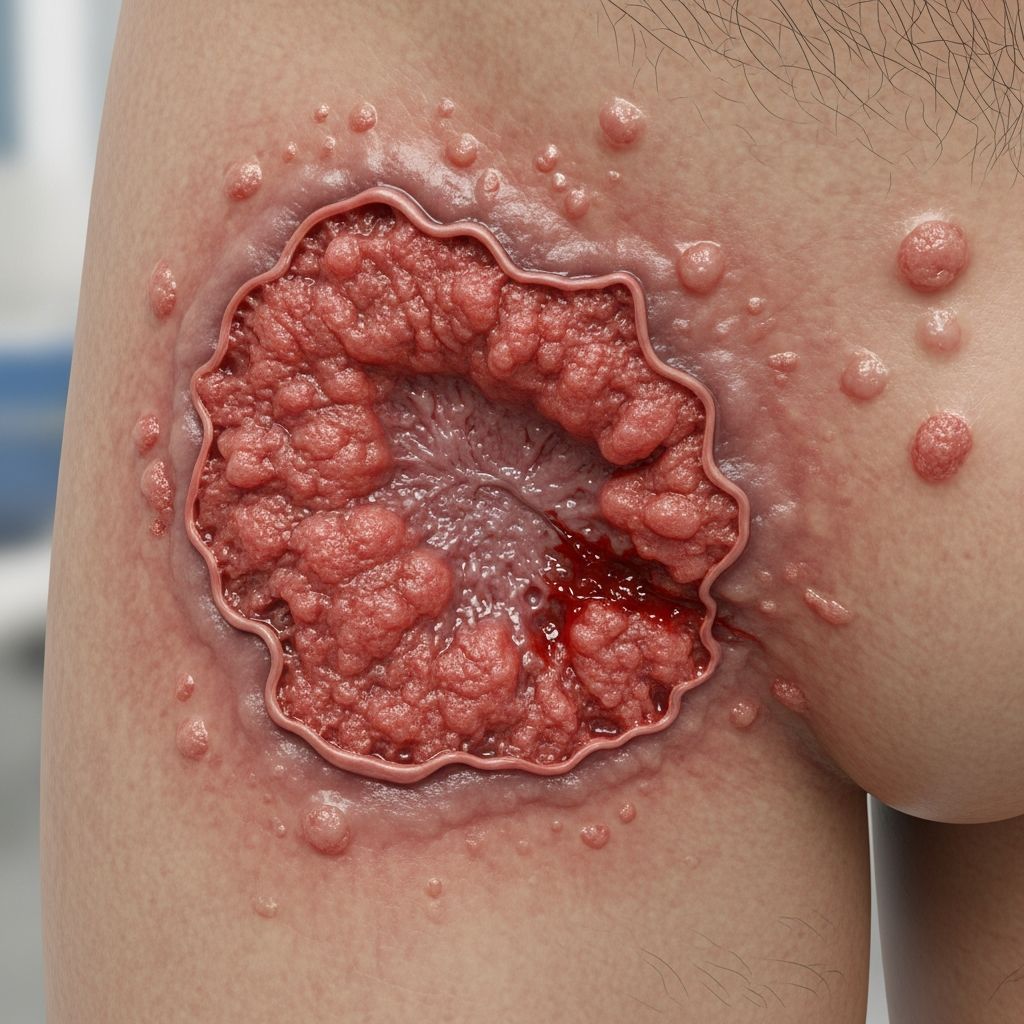
Granuloma inguinale, also known as donovanosis, is a chronic, progressive bacterial sexually transmitted infection (STI) caused by the gram-negative bacterium Klebsiella granulomatis (formerly Calymmatobacterium granulomatis). This rare condition primarily affects the genital and perianal regions, presenting as painless, beefy-red ulcers that bleed easily and may have a foul odour. Endemic to tropical and subtropical areas such as India, Papua New Guinea, central Australia, and parts of South America and Africa, it is uncommon in temperate climates but can occur sporadically worldwide due to travel. Without treatment, lesions enlarge destructively, leading to scarring, lymphedema, and increased HIV transmission risk. Early antibiotic therapy halts progression, with healing from ulcer margins inward, though relapses demand extended treatment and monitoring.
What is granuloma inguinale?
Granuloma inguinale represents a slowly progressive ulcerative STI characterised by granulomatous inflammation without significant lymphadenopathy. The causative agent, Klebsiella granulomatis, resides intracellularly within macrophages, forming pathognomonic Donovan bodies—large, encapsulated structures visible on microscopy. Transmission occurs primarily through sexual contact, though non-sexual routes like fomites or direct inoculation are reported rarely. Incubation varies from 1-12 weeks (up to 1 year), with lesions starting as painless papules evolving into ulcers. Unlike syphilis or chancroid, it lacks buboes and is highly vascular, earning the ‘beefy red’ descriptor. Globally rare (fewer than 100 U.S. cases yearly), it poses higher risks in endemic zones where it facilitates HIV acquisition by disrupting mucosal barriers. Histologically, lesions show pseudoepitheliomatous hyperplasia, capillary proliferation, and mixed inflammatory infiltrates.
Who gets granuloma inguinale?
Individuals engaging in unprotected sex in endemic regions are at highest risk, with no strong age, sex, or racial predispositions noted. It affects heterosexuals predominantly, often alongside other STIs like HIV, syphilis, or herpes. Immunocompromised patients (e.g., HIV-positive) experience more aggressive disease and poorer responses. Rarely, non-sexual transmission occurs via shared towels or autoinoculation. Central Australia reports sporadic cases among Indigenous communities, linked to social factors. Travellers to India, Brazil, or New Guinea returning with lesions highlight global spread potential. No natural immunity develops post-infection, necessitating prevention focus on barrier methods.
What causes granuloma inguinale?
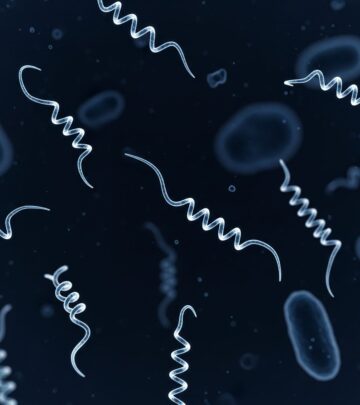
Klebsiella granulomatis, a pleomorphic, non-motile rod, invades genital epithelium, multiplying within histiocytes to form Donovan bodies—safety-pinned, bipolar-staining inclusions 1-2µm in size. Sexual microtrauma facilitates entry, with organisms disseminating locally via lymphatics without nodal enlargement (pseudobuboes form subcutaneously). Culture is challenging; diagnosis relies on smears or biopsies. Genetic relatedness to Klebsiella pneumoniae suggests oral-genital transmission possibilities. Bacterial virulence stems from biofilm formation and intracellular persistence, evading immunity.
What are the clinical features of granuloma inguinale?
Lesions emerge 1-16 weeks post-exposure as painless red papules on genitals, anus, or groin, evolving based on type:
- Ulcerovegetative (most common, 75-90%): Beefy-red, velvety ulcers with rolled edges, granulation tissue, bleeding on contact, possible foul odour.
- Ulcerative: Clean-based erosions enlarging peripherally.
- Nodular: Soft red papules/nodules mimicking carcinoma.
- Verrucous/plaque: Warty, hypertrophic growths.
- Gangosa/necrotising: Rare destructive facial/perianal forms.
Males: Prepuce, frenum, glans, shaft, scrotum. Females: Labia, fourchette, clitoris, cervix. Extragenital spread (5%): Mouth, pharynx via oral sex; pelvis, bones if untreated. Secondary infection causes pain; pregnancy exacerbates.
Diagnosis of granuloma inguinale
Suspect in painless genital ulcers from endemic areas or treatment failures for other STIs. Confirm via:
- Microscopy (gold standard): Giemsa/Wright-stained smears from ulcer edge crushed between slides reveal intracytoplasmic Donovan bodies (80-90% sensitivity).
- Biopsy: Histology shows granulomas, Donovan bodies (Warhin-Starry stain).
- Culture/PCR: Rarely available.
Differential: Syphilis, chancroid, LGV, herpes, neoplasm. Screen for co-infections; RPR/serology negative.
What is the treatment of granuloma inguinale?
Prolonged antibiotics until healing (≥3 weeks); consult specialists in non-endemic areas. CDC regimens:
Related Stories



| Regimen | Dose | Duration |
|---|---|---|
| Azithromycin (preferred) | 1g weekly OR 500mg daily | >3 weeks until healed |
| Doxycycline | 100mg BID | >3 weeks until healed |
| Erythromycin base | 500mg QID | >3 weeks until healed |
| TMZ-SMX DS | 1 tablet BID | >3 weeks until healed |
Add gentamicin if slow response; surgery for scarring. Notify partners; abstain until healed. Response in 7 days; monitor 6-18 months for relapse.
What are the complications of granuloma inguinale?
- Local destruction, scarring, lymphedema, squamous cell carcinoma (rare).
- Dissemination: Pelvis, bones, liver.
- HIV facilitation.
- Pseudobuboes, phimosis/paraphimosis.
How do you prevent granuloma inguinale?
- Safer sex: Condoms reduce risk.
- Limit partners, avoid endemic areas unprotected.
- Partner tracing/treatment.
- No vaccine; hygiene post-sex.
What is the outcome for granuloma inguinale?
With prompt therapy, healing begins peripherally in 7 days, completes 3-5 weeks; scarring common. Relapse 6-18 months post-treatment in 25% requires retreatment. Chronic cases need surgery; HIV co-infection worsens prognosis.
Related topics
- Syphilis
- Chancroid
- Lymphogranuloma venereum
- Herpes genitalis
- Genital ulceration
Frequently Asked Questions
Is granuloma inguinale curable?
Yes, antibiotics cure it if completed fully, though monitoring prevents relapse.
Can donovanosis spread without sex?
Rarely, via fomites or autoinoculation.
How long until symptoms appear?
1-12 weeks typically.
Does it cause swollen glands?
No true lymphadenopathy; pseudobuboes instead.
Is surgery ever needed?
Yes, for extensive scarring.
References
- Granuloma Inguinale (Donovanosis): Symptoms & Treatment — Cleveland Clinic. 2023. https://my.clevelandclinic.org/health/diseases/24232-granuloma-inguinale
- Donovanosis (granuloma inguinale) – including symptoms, treatment and prevention — SA Health (Government of South Australia). 2023. https://www.sahealth.sa.gov.au/wps/wcm/connect/public+content/sa+health+internet/conditions/infectious+diseases/donovanosis/donovanosis+(granuloma+inguinale)+-+including+symptoms+treatment+and+prevention
- Granuloma Inguinale (Donovanosis) – STI Treatment Guidelines — Centers for Disease Control and Prevention (CDC). 2021. https://www.cdc.gov/std/treatment-guidelines/donovanosis.htm
- Granuloma inguinale. Donovanosis — DermNet NZ. 2023. https://dermnetnz.org/topics/granuloma-inguinale
- Granuloma Inguinale – Infections — MSD Manuals (Merck Sharp & Dohme). 2023. https://www.msdmanuals.com/home/infections/sexually-transmitted-infections-stis/granuloma-inguinale
- Granuloma Inguinale — South Dakota Department of Health. 2023. https://doh.sd.gov/diseases/granuloma-inguinale/
- Granuloma Inguinale – StatPearls — NCBI Bookshelf (National Center for Biotechnology Information). 2023-07-17. https://www.ncbi.nlm.nih.gov/books/NBK513306/
Similar Articles








Read full bio of Sneha Tete