Granuloma: Locations, Types, Causes, Symptoms & Treatment
Understanding granulomas: comprehensive guide to causes, symptoms, diagnosis, and effective treatment options.
What Is a Granuloma?
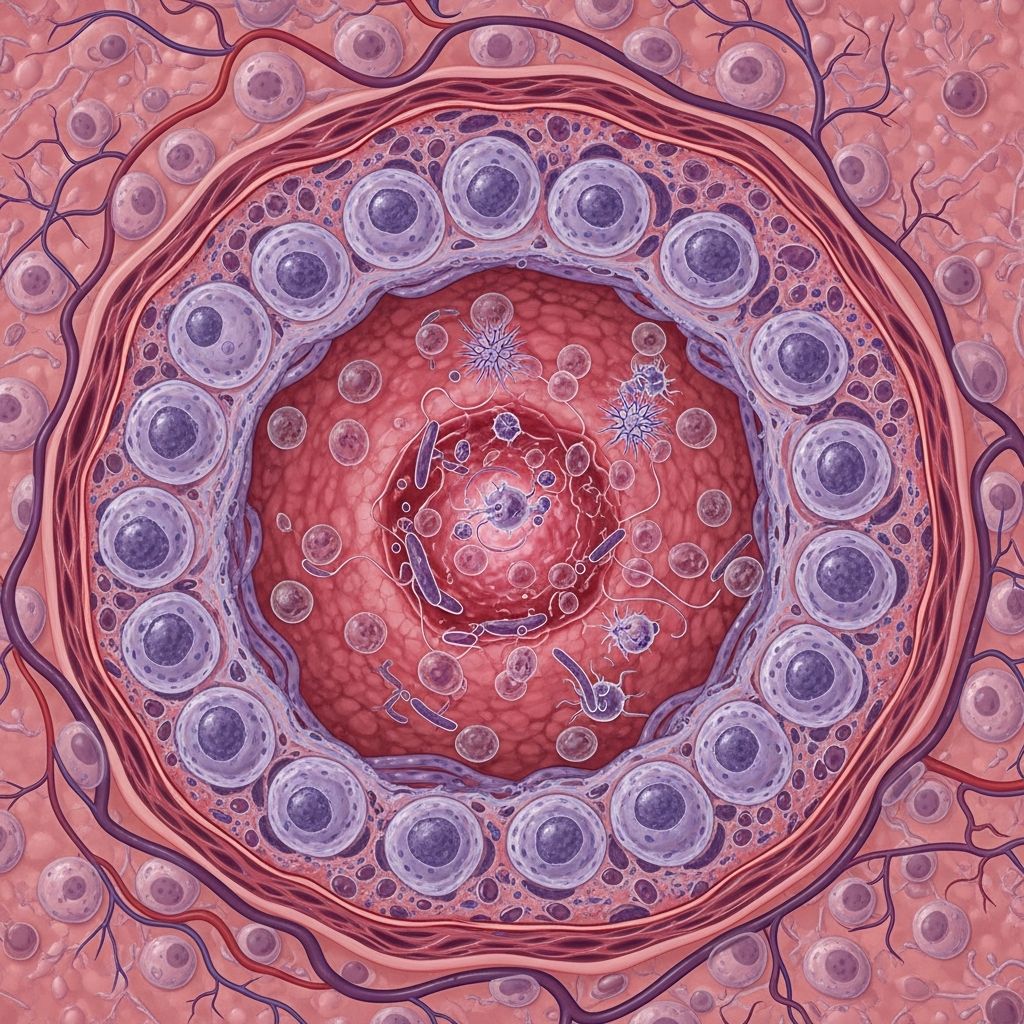
A granuloma is an area of tightly clustered immune cells that form in your body as a response to inflammation. These clusters represent your immune system’s way of protecting you by creating a barrier around something it perceives as potentially harmful. Granulomas are composed of white blood cells that have been walled off from the rest of your body, surrounded by fibrous tissue that gives them a hard, lumpy appearance when examined.
Granulomas themselves are not serious on their own, and they are not cancerous. They represent a normal immune response designed to protect your body. However, they can sometimes indicate an underlying condition that requires medical attention. In many cases, granulomas develop around an infection or foreign object in your body, serving as your immune system’s containment strategy.
Granulomas are particularly common in people with chronic long-lasting infections or inflammatory conditions such as tuberculosis, histoplasmosis, or Crohn’s disease. Additionally, people with sarcoidosis develop granulomas for reasons that are not yet fully understood by medical science.
Where Granulomas Form
Granulomas can develop virtually anywhere in your body, but they are most commonly found in specific locations. The lungs are among the most frequent sites where granulomas develop, particularly in conditions like sarcoidosis and tuberculosis. Lymph nodes throughout your body can also develop granulomas as part of your immune system’s response to infection or inflammation.
Beyond the lungs and lymph nodes, granulomas can form in your skin, eyes, liver, kidneys, bones, and virtually any other organ system. The specific location of a granuloma often depends on the underlying cause and the nature of the infection or foreign material triggering the immune response. Some granulomas may be visible or palpable under the skin, while others remain internal and are only discovered through imaging studies.
Types of Granulomas
Medical professionals recognize several distinct types of granulomas, each with unique characteristics and associated conditions. Understanding these different types helps healthcare providers identify the underlying cause and determine appropriate treatment strategies.
Caseating Granulomas
Caseating granulomas, also known as tuberculous granulomas, are characterized by a central area of dead tissue or necrosis. These granulomas are classically associated with tuberculosis infections. The central necrotic material has a cheese-like appearance, which is why they are called caseating granulomas. This type typically indicates a specific infectious process rather than an autoimmune condition.
Non-Caseating Granulomas
Non-caseating granulomas lack the central necrotic core found in caseating granulomas. These granulomas are associated with conditions like sarcoidosis, Crohn’s disease, and certain fungal infections such as histoplasmosis. The absence of central necrosis distinguishes them from tuberculous granulomas and can help guide diagnostic investigations.
Related Stories



Pyogenic Granulomas
Pyogenic granulomas are noncancerous, raised tumors that typically appear on your skin or mucous membranes. Despite their name suggesting infection, they are not actually caused by infection and are not truly granulomas in the traditional sense. These lesions consist of abnormal blood vessels and break and bleed easily. They are frequently associated with pregnancy, certain medications, and injuries to skin or membranes.
Eosinophilic Granulomas
Eosinophilic granulomas are benign bone tumors representing the mildest form of Langerhans cell histiocytosis, a rare disease causing excessive production of immune cells. These granulomas typically affect children under ten years old and can develop on any large bone in the body, with the most common sites being the femur, humerus, pelvis, ribs, and skull. Many children with eosinophilic granulomas never notice symptoms, with many granulomas discovered incidentally during X-rays performed for other reasons.
Granuloma Annulare
Granuloma annulare is a long-lasting skin disorder most commonly affecting children and young adults, though it can develop at any age. This condition affects women twice as much as men and is characterized by a raised, discolored rash or lumps on the skin. There are five main types of granuloma annulare, and individuals may develop more than one type simultaneously. The condition is more likely to occur in people with diabetes, particularly Type 1 insulin-dependent diabetes.
Causes of Granuloma Formation
Granulomas form when your immune system encounters something it perceives as potentially harmful and creates a protective barrier around it. The specific causes vary depending on the type of granuloma and the underlying condition.
Infectious Causes
Infections represent one of the most common causes of granuloma formation. Bacterial infections, particularly tuberculosis, are classic triggers for caseating granulomas. Fungal infections such as histoplasmosis, coccidioidomycosis, and blastomycosis also commonly cause granuloma formation. Certain parasitic infections can trigger granulomatous responses as well. Your immune system attempts to wall off these pathogens by forming tight clusters of white blood cells.
Inflammatory Conditions
Non-infectious inflammatory diseases frequently cause granuloma development. Sarcoidosis, a condition of unknown cause, leads to granuloma formation throughout the body. Crohn’s disease, an inflammatory bowel condition, produces granulomas in the digestive tract. Other chronic inflammatory conditions can similarly trigger granulomatous responses as part of the disease process.
Foreign Objects
When foreign materials enter your body, your immune system may respond by forming a granuloma around them. This protective response attempts to contain and isolate the foreign substance. Splinters, sutures, talc particles, or other foreign bodies can trigger this immune response.
Autoimmune and Genetic Factors
Some granulomas result from autoimmune conditions where the immune system mistakenly targets healthy tissue. Genetic predisposition also plays a role in conditions like sarcoidosis, where certain individuals are more likely to have their immune systems overreact to specific environmental triggers.
Symptoms of Granulomas
The symptoms associated with granulomas depend significantly on their location, size, and underlying cause. Many granulomas produce no symptoms at all and are discovered incidentally during medical imaging performed for other reasons.
Respiratory Symptoms
When granulomas form in the lungs, they may cause cough, shortness of breath, chest pain, or wheezing. In conditions like sarcoidosis and tuberculosis, respiratory symptoms are common initial presentations. The severity depends on the number and size of granulomas present.
Skin Manifestations
Granulomas affecting the skin produce visible or palpable nodules, rashes, or discolored areas. Granuloma annulare typically appears as ring-shaped rashes on the skin. Pyogenic granulomas present as raised, bleeding lesions on the skin or in the mouth.
Systemic Symptoms
Widespread granuloma formation can produce general symptoms including fatigue, fever, weight loss, and malaise. These symptoms often accompany systemic conditions like sarcoidosis or tuberculosis where granulomas form throughout multiple organ systems.
Pain and Pressure Sensations
Large granulomas can cause localized pain, pressure, or swelling. Bone granulomas may produce pain at the affected site, while granulomas in organs can cause discomfort or functional impairment depending on their size and location.
Diagnosis of Granulomas
Healthcare providers use multiple diagnostic approaches to identify granulomas and determine their underlying cause. Accurate diagnosis is essential for appropriate treatment planning.
Imaging Studies
Chest X-rays remain among the most common diagnostic tools for identifying lung granulomas. These images reveal characteristic patterns that help healthcare providers recognize granulomatous disease. High-resolution computed tomography (CT) scans provide more detailed information about granuloma size, location, and distribution. Additional imaging techniques may include ultrasound, MRI, or PET scans depending on the suspected location and underlying cause.
Biopsy and Tissue Analysis
Biopsy involves removing a small tissue sample containing the granuloma for microscopic examination. Pathologists analyze the tissue to confirm the presence of granulomas, determine their characteristics (caseating versus non-caseating), and identify any causative organisms through special stains. This direct tissue examination often provides crucial diagnostic information.
Laboratory Testing
Blood tests can reveal elevated inflammatory markers and help identify specific causes. Tests for infections like tuberculosis include tuberculin skin tests and interferon-gamma release assays. Serum markers specific to certain conditions help guide diagnosis. Analysis of sputum, cerebrospinal fluid, or tissue samples may reveal causative organisms.
Specialized Diagnostic Procedures
Bronchoscopy with bronchoalveolar lavage allows direct visualization of the airways and collection of samples for analysis. Bone marrow examination may be performed when Langerhans cell histiocytosis is suspected. These specialized procedures provide detailed diagnostic information when standard approaches are inconclusive.
Treatment Options for Granulomas
Treatment strategies for granulomas depend on the underlying cause, the type of granuloma, and whether symptoms are present. In many cases, granulomas may not require treatment, particularly if they are asymptomatic and not progressive.
Watchful Waiting
Asymptomatic granulomas that are not causing dysfunction may be monitored over time without active treatment. Regular imaging studies track whether granulomas remain stable, resolve, or progress. This conservative approach is often appropriate when the underlying condition is not life-threatening and granulomas are not causing symptoms.
Treating Underlying Infections
When granulomas result from infectious causes, treating the infection often leads to granuloma resolution. Tuberculosis requires prolonged antibiotic therapy with multiple drugs. Fungal infections require antifungal medications appropriate to the specific organism. Successfully treating the infection typically eliminates the stimulus for continued granuloma formation.
Anti-Inflammatory Medications
Corticosteroids reduce inflammation and can help shrink granulomas in conditions like sarcoidosis. These medications suppress immune system activity and may be used when granulomas are causing significant symptoms or organ dysfunction. Other anti-inflammatory agents may be used depending on the specific condition.
Immunosuppressive Therapy
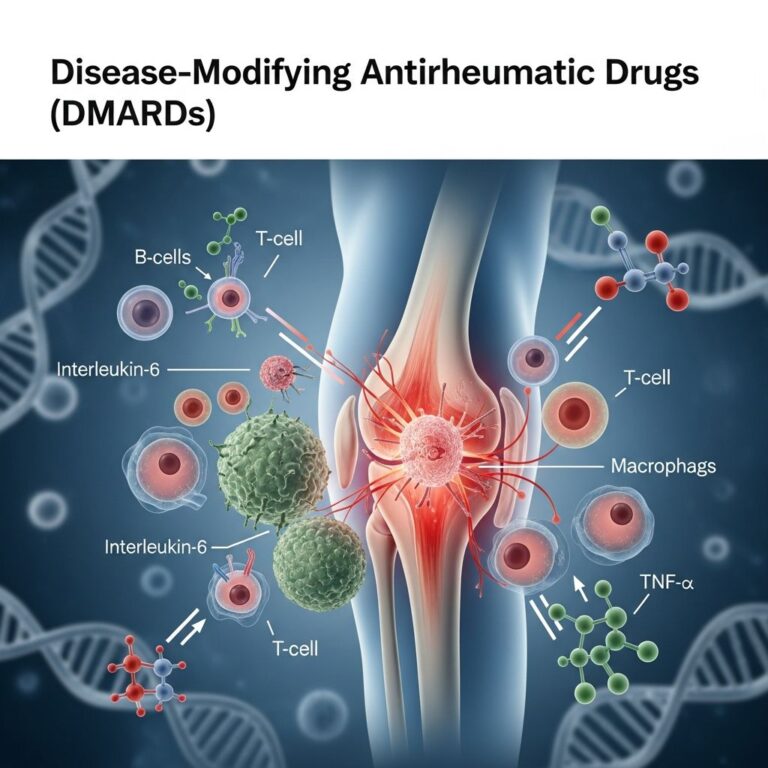
For autoimmune granulomatous conditions, immunosuppressive medications may be necessary to control immune system overactivity. Medications like methotrexate, azathioprine, or biologic agents target specific components of the immune response. These treatments help prevent disease progression and granuloma formation.
Surgical Intervention
Surgical removal of granulomas may be considered when they cause significant functional impairment or mass effect on surrounding tissues. Large bone granulomas causing pain or structural weakness might require surgical intervention. However, surgery is typically reserved for specific situations where other treatments have failed or granulomas pose particular hazards.
Topical Treatments
For skin-based granulomas like granuloma annulare, topical corticosteroids or other medications applied directly to affected areas may provide relief. These treatments reduce local inflammation and may help resolve cutaneous manifestations.
When to Seek Medical Attention
You should contact your healthcare provider if you develop unexplained respiratory symptoms, persistent skin lesions, or constitutional symptoms like fever and weight loss. Early evaluation helps identify the underlying cause and prevents potential complications from granulomatous disease.
Frequently Asked Questions
Q: Are granulomas always cancerous?
A: No, granulomas are not cancerous. They represent a benign immune response and are not associated with malignancy, though they can indicate an underlying condition requiring evaluation.
Q: Can granulomas disappear on their own?
A: Yes, many granulomas resolve spontaneously as the underlying trigger is eliminated. However, some may persist indefinitely or progress depending on the causative condition.
Q: Is granuloma formation always a sign of infection?
A: No, while infections are a common cause, granulomas can also form from inflammatory conditions, autoimmune diseases, foreign bodies, or unknown triggers like in sarcoidosis.
Q: How long does granuloma treatment typically take?
A: Treatment duration varies widely depending on the underlying cause and type of granuloma. Some may resolve quickly with specific treatment, while others may require prolonged management.
Q: Can I prevent granuloma formation?
A: Prevention depends on the underlying cause. Preventing infections through vaccination and good hygiene helps reduce infection-related granulomas. Managing chronic inflammatory conditions may prevent granuloma development in those contexts.
References
- Granuloma: Locations, Types, Causes, Symptoms & Treatment — Cleveland Clinic. 2024. https://my.clevelandclinic.org/health/diseases/24597-granuloma
- Sarcoidosis: Causes, Symptoms, Diagnosis & Treatment — Cleveland Clinic. 2024. https://my.clevelandclinic.org/health/diseases/11863-sarcoidosis
- Chronic Granulomatous Disease (CGD) — Cleveland Clinic. 2024. https://my.clevelandclinic.org/health/diseases/21157-chronic-granulomatous-disease-cgd
- Eosinophilic Granuloma: Symptoms, Causes & Treatment — Cleveland Clinic. 2024. https://my.clevelandclinic.org/health/diseases/22332-eosinophilic-granuloma
- Granuloma Annulare: Symptoms, Causes & Treatments — Cleveland Clinic. 2024. https://my.clevelandclinic.org/health/diseases/17874-granuloma-annulare
- Pyogenic Granuloma: Symptoms, Causes & Treatment — Cleveland Clinic. 2024. https://my.clevelandclinic.org/health/diseases/22717-pyogenic-granuloma
Similar Articles








Read full bio of medha deb