Granulomatous Cheilitis: Diagnosis, Treatment, And Outlook
Rare inflammatory lip disorder causing persistent swelling: causes, symptoms, diagnosis, and management strategies explored.
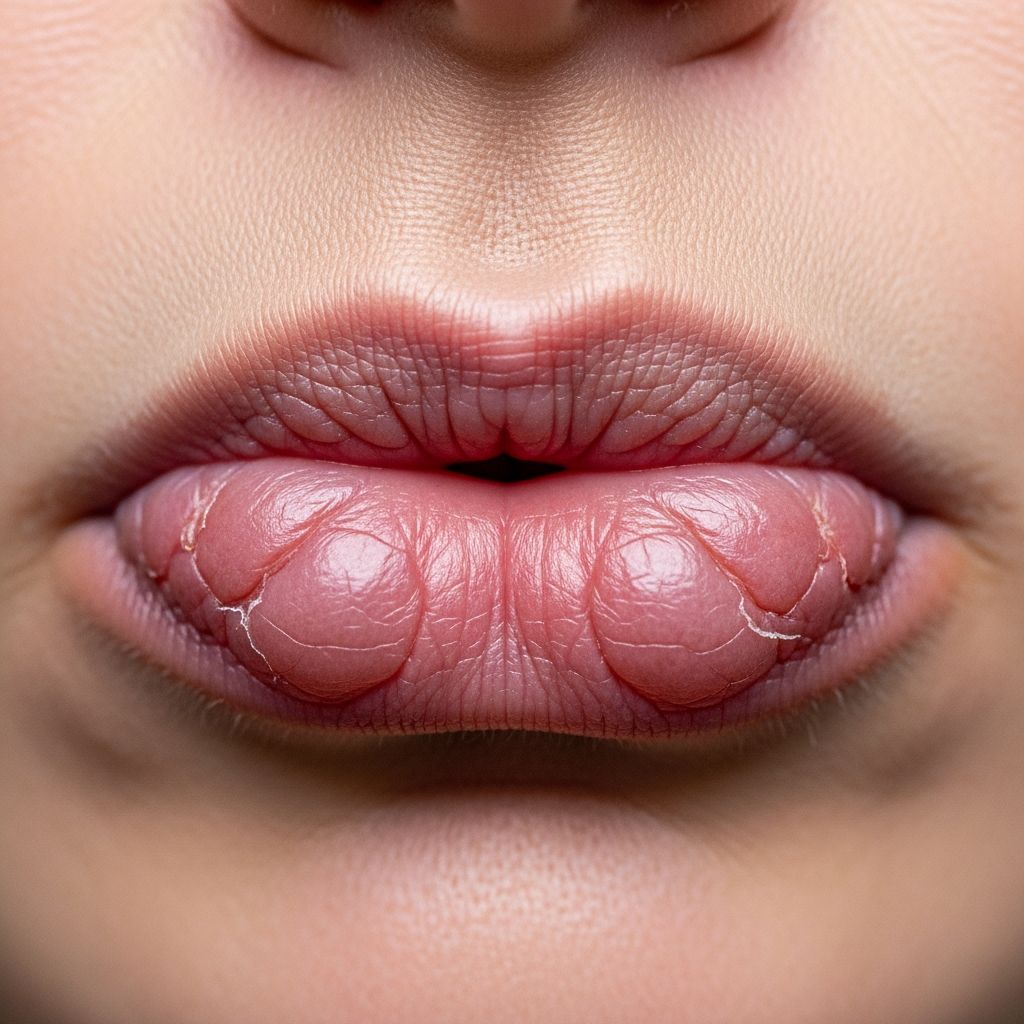
What is granulomatous cheilitis?
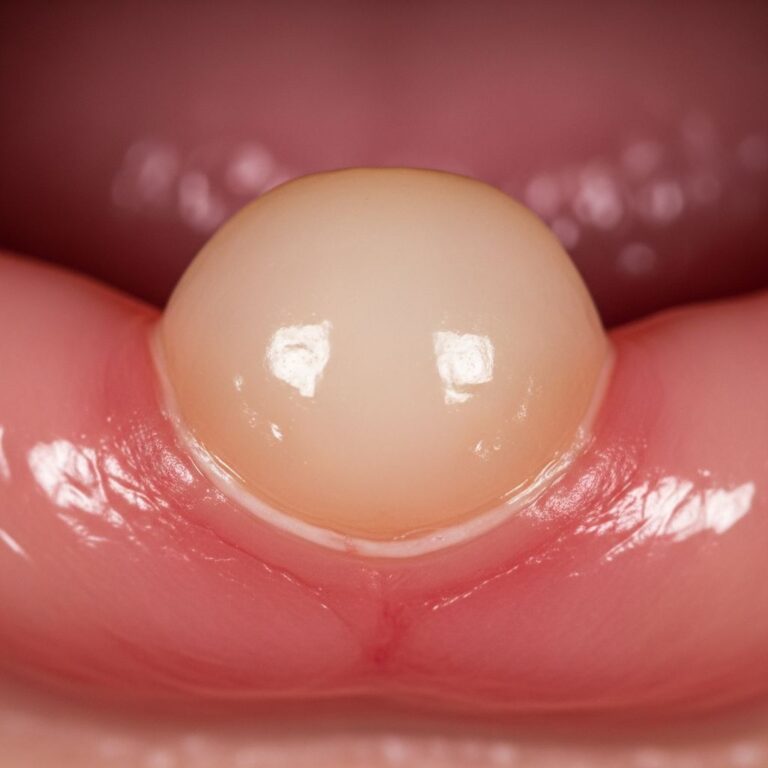
Granulomatous cheilitis is a rare, idiopathic inflammatory condition characterized by recurrent episodes of painless, persistent swelling primarily affecting the lips due to non-caseating granulomatous inflammation in the absence of identifiable systemic granulomatous diseases such as Crohn’s disease or sarcoidosis. It represents a subtype of orofacial granulomatosis (OFG), which encompasses granulomatous inflammation of the oral and facial regions. The condition typically begins with sudden swelling of the upper lip, which may resolve spontaneously but often recurs, leading to more persistent and disfiguring edema that imparts a firm, rubbery consistency to the lips over time.
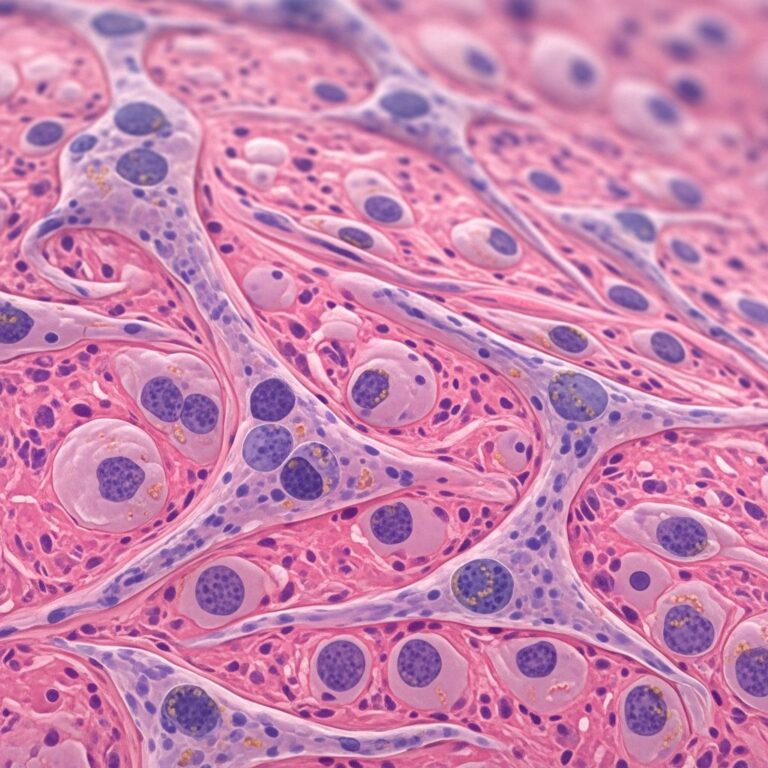
Histopathologically, it features non-caseating granulomas composed of epithelioid histiocytes, multinucleated giant cells, and lymphocytes within the dermis of the lips, without evidence of infection or necrosis. Granulomatous cheilitis can occur in isolation or as part of Melkersson-Rosenthal syndrome (MRS), a triad including recurrent facial palsy, fissured tongue (lingua plicata), and granulomatous cheilitis. The precise etiology remains unknown, but genetic predisposition, hypersensitivity reactions, and immune dysregulation are implicated.
This condition predominantly affects young adults aged 20-40 years, with a slight male predominance, though pediatric cases are reported. Early recognition is crucial as it can mimic infections, allergies, or systemic diseases, and untreated cases may lead to chronic disfigurement.
Who gets granulomatous cheilitis?
Granulomatous cheilitis most commonly manifests in young adults between 20 and 40 years of age, with males affected slightly more frequently than females. It is rare overall, with limited epidemiological data; one tertiary center series described 9 cases over several years. Familial clustering suggests a genetic component, and it may be associated with atopy or personal history of allergies.
In pediatric populations, onset can occur in childhood, often requiring tailored management due to growth concerns and medication side effects. Associations exist with systemic conditions: up to 20-30% of orofacial granulomatosis cases link to Crohn’s disease, necessitating gastrointestinal evaluation. Other comorbidities include sarcoidosis (ruled out via chest imaging), contact allergies, and rarely, infections like mycobacterial disease.
What causes granulomatous cheilitis?
The exact cause of granulomatous cheilitis is unknown (idiopathic), but multifactorial pathogenesis is proposed. Key hypotheses include:
- Hypersensitivity reactions: Allergens such as foods (e.g., cinnamonaldehyde, benzoates), dental materials (e.g., mercury in amalgam), or cosmetics may trigger granulomatous responses in susceptible individuals.
- Genetic predisposition: Familial cases and HLA associations indicate heritability; mutations in genes related to innate immunity may impair granuloma resolution.
- Immune dysregulation: Abnormal T-cell responses lead to persistent granuloma formation, akin to sarcoidosis or Crohn’s disease.
- Infectious triggers: Though not primary, Mycobacterium species or yeast have been implicated in subsets, resolving with antimycobacterials.
- Environmental factors: Trauma, lip-licking, or sun exposure may exacerbate.
Exclusion of systemic granulomatoses is essential before diagnosing isolated granulomatous cheilitis.
What are the signs and symptoms of granulomatous cheilitis?
Initial presentation involves sudden, painless swelling of the upper lip, resolving in hours to days but recurring with increasing persistence. Subsequent episodes affect the lower lip, cheeks, or face, evolving into firm, nodular edema with a rubbery texture. Chronic changes include fissuring, cracking, bleeding, scaling, and reddish-brown discoloration, often painful.
Associated features (50% of cases):
- Mild regional lymphadenopathy.
- Fever, headache, or visual changes (rare).
- Fissured tongue (in MRS).
- Unilateral facial nerve palsy (in MRS).
Symptoms can significantly impair quality of life due to cosmetic disfigurement, pain, and functional issues like drooling or speech difficulty.
Related Stories



How is granulomatous cheilitis diagnosed?
Diagnosis relies on clinical history of recurrent lip swelling, exclusion of mimics, and histopathological confirmation via lip biopsy showing non-caseating granulomas.
Investigations:
- Biopsy: Essential; deep incisional biopsy reveals sarcoid-like granulomas.
- Patch testing: To identify contact allergens.
- Colonoscopy/endoscopy: Rule out Crohn’s disease (7/9 patients in one series).
- Chest X-ray/CT: Exclude sarcoidosis.
- Laboratory: CBC, ESR, ACE levels, cultures for infection.
- Allergy evaluation: Food diary, elimination diet.
Differential diagnosis: Angioedema, cheilitis glandularis, infections (herpes, actinomycosis), lymphoma, Melkersson-Rosenthal syndrome.
What is the treatment for granulomatous cheilitis?
Treatment is challenging, often requiring multimodal approaches with partial responses and relapses common; only ~50% achieve durable remission. Goals: Reduce swelling, prevent flares, manage symptoms.
Conservative measures:
- Avoid triggers (allergens, irritants).
- Emollients, sun protection.
- Cinnamon- and benzoate-free diet.
Medical therapies:
| Treatment | Response Rate | Notes |
|---|---|---|
| Intralesional triamcinolone | CR in 2/6; PR in 3/6 | First-line; recurrences common, sustained in some >22 months. |
| Topical corticosteroids (e.g., clobetasol) | Variable | Adjunctive. |
| Oral prednisone taper | CR in MRS case | Short courses. |
| Immunosuppressants (MTX, AZA, HCQ) | PR | Severe/refractory cases. |
| Biologics (adalimumab) | NR in one case | Emerging. |
Surgical: Cheiloplasty for severe fibrosis (rare).
Spontaneous remission occurs rarely.
What is the outcome for granulomatous cheilitis?
Prognosis varies: episodic in mild cases, chronic disfiguring in others despite therapy. Relapses after years of remission possible; long-term management often needed. Early intervention improves cosmesis and function. Associated systemic disease worsens outlook.
Frequently asked questions
Is granulomatous cheilitis contagious?
No, it is not infectious or contagious.
Can granulomatous cheilitis be cured?
No cure exists; management focuses on symptom control with variable success.
Does granulomatous cheilitis increase cancer risk?
No established link, but chronic inflammation warrants monitoring.
Can diet help granulomatous cheilitis?
Yes, allergen avoidance (e.g., cinnamon) reduces flares in some.
Is biopsy always needed for granulomatous cheilitis?
Yes, to confirm granulomas and exclude alternatives.
References
- Granulomatous Cheilitis – Causes, Symptoms, Diagnosis, Treatment — Apollo Hospitals. 2023. https://www.apollohospitals.com/diseases-and-conditions/granulomatous-cheilitis
- Diagnosis, Clinical Features, and Management of Patients With Granulomatous Cheilitis — JAMA Dermatology. 2025. https://jamanetwork.com/journals/jamadermatology/fullarticle/2772816
- Granulomatous cheilitis — DermNet NZ. 2023. https://dermnetnz.org/topics/granulomatous-cheilitis
- Cheilitis Granulomatosa — StatPearls, NCBI Bookshelf. 2023-10-01. https://www.ncbi.nlm.nih.gov/books/NBK470396/
- Orofacial Granulomatosis: Causes, Symptoms & Treatment — Cleveland Clinic. 2023. https://my.clevelandclinic.org/health/diseases/23317-orofacial-granulomatosis
Similar Articles








Read full bio of Sneha Tete