Granulomatous Dermatitis: Types, Causes & Treatment
Understanding granulomatous dermatitis: clinical features, diagnosis, and evidence-based treatment approaches.
Granulomatous Dermatitis: Understanding the Condition
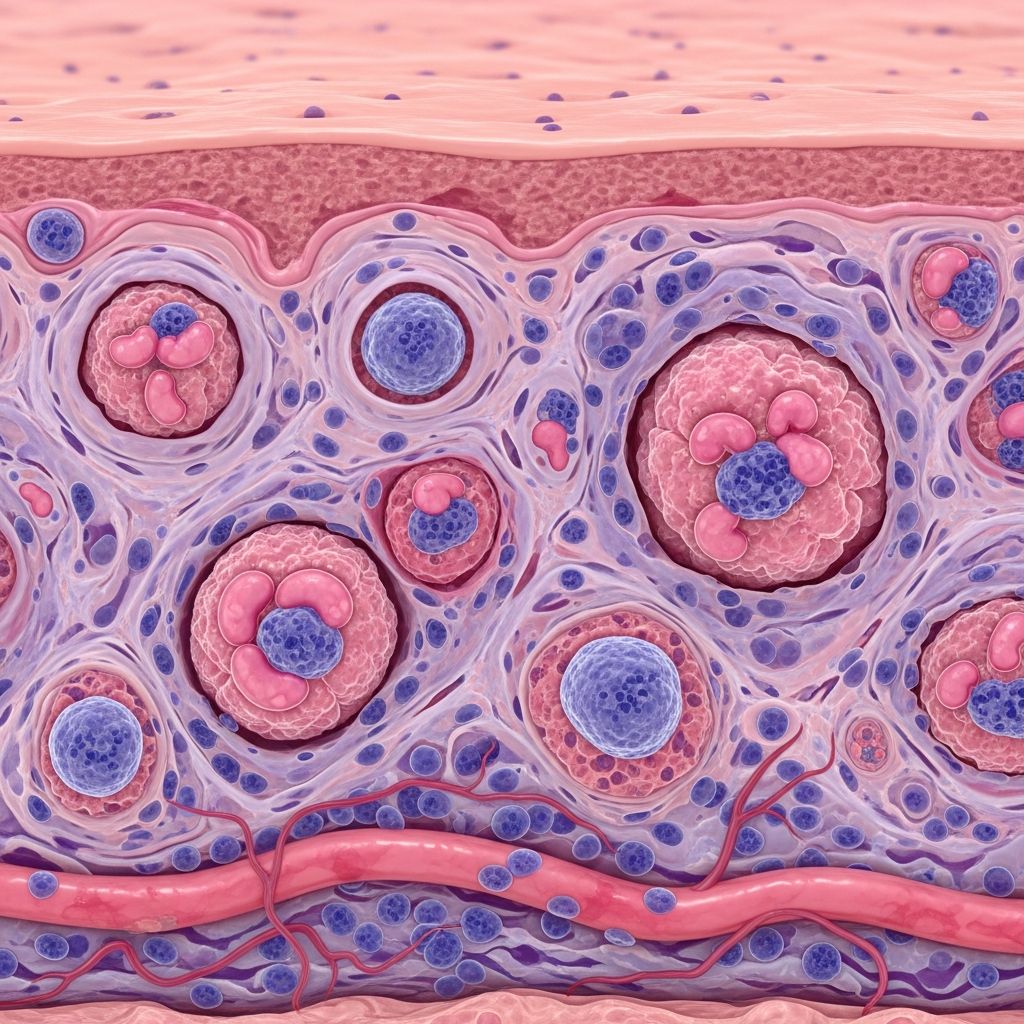
Granulomatous dermatitis describes a group of rare skin disorders characterized by their distinctive histological appearance, specifically the presence of granulomatous inflammation within the dermis. These conditions represent a unique subset of inflammatory dermatoses that can present with varied clinical manifestations while sharing similar microscopic findings. The understanding and recognition of granulomatous dermatitis has evolved significantly, with multiple clinical presentations now associated with the same underlying histopathological pattern.
Granulomatous dermatitis typically follows a pattern of flares and remissions, meaning patients may experience periods of disease activity followed by periods of improvement. This unpredictable course makes proper management and patient counseling essential. The condition can affect both children and adults, though certain subtypes show predilection for specific age groups and demographic populations.
Types of Granulomatous Dermatitis
Two primary subtypes of granulomatous dermatitis have been well-characterized: palisading neutrophilic granulomatous dermatitis (PNGD) and interstitial granulomatous dermatitis (IGD). Each presents with distinct clinical and histological features, though they may occasionally overlap in presentation.
Palisading Neutrophilic Granulomatous Dermatitis (PNGD)
Palisading neutrophilic granulomatous dermatitis is a rare cutaneous manifestation that often signals underlying systemic disease or infection. Although the presentation may appear benign at the skin level, the diagnosis of PNGD carries significant clinical importance because it frequently represents a cutaneous manifestation of more serious systemic conditions. Approximately 20% of patients with PNGD show spontaneous resolution of skin lesions, usually within a few weeks to a month.
The condition requires thorough investigation to identify potential triggers and associated systemic disorders. Common medications that trigger PNGD include calcium channel blockers, beta blockers, angiotensin-converting enzyme inhibitors, and statins. Recent case reports have also highlighted PNGD as a potential adverse effect of tocilizumab, a biologic immunosuppressive agent.
Interstitial Granulomatous Dermatitis (IGD)
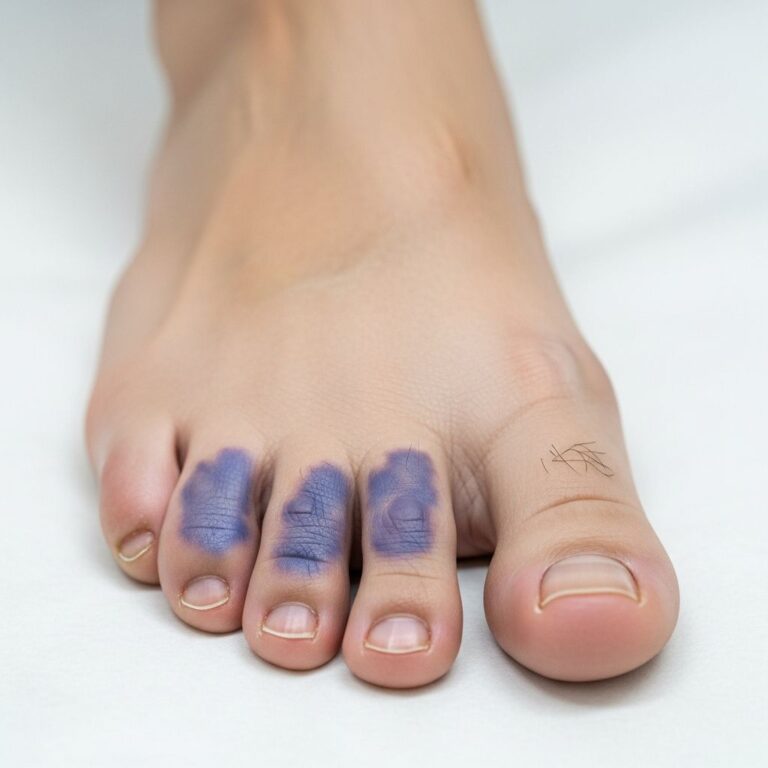
Interstitial granulomatous dermatitis is characterized as a rare skin disorder in which there is a particular pattern of granulomatous inflammation distributed throughout the dermis. The classic original clinical description of IGD featured linear erythematous palpable cords on the lateral aspects of the trunk, commonly referred to as ‘the rope sign’. However, clinical understanding has evolved to recognize that several different types of rash can present with the identical histological appearance, expanding the recognized spectrum of IGD presentations.
IGD is more frequently observed in women, paralleling the epidemiology of associated autoimmune diseases. The condition commonly presents with erythematous and violaceous plaques that may be associated with pruritus and pain. Unlike PNGD, the cause of IGD remains largely unknown, though it is frequently associated with autoimmune diseases and drug-related adverse effects.
Clinical Associations and Underlying Causes
Understanding the associations linked to granulomatous dermatitis is crucial for appropriate diagnostic evaluation and management. Both PNGD and IGD can occur in conjunction with systemic inflammation, suggesting that immune dysregulation or dysfunction plays a central role in their pathogenesis.
Associated Systemic Conditions
Interstitial granulomatous dermatitis is associated with various autoimmune diseases, which include:
Related Stories



- Rheumatoid arthritis (RA)
- Systemic lupus erythematosus (SLE)
- Other connective tissue diseases
- Vitiligo
- Thyroiditis
- Diabetes mellitus
The occurrence of IGD in association with rheumatoid arthritis is particularly well documented, especially when patients have high titers of rheumatoid factor. One documented case of IGD associated with SLE responded remarkably well to systemic steroids after just 15 days of treatment.
Medication-Induced Reactions
Medications represent a significant trigger for both types of granulomatous dermatitis. For PNGD, the most commonly implicated medications include calcium channel blockers, beta blockers, angiotensin-converting enzyme inhibitors, and statins. Medications associated with IGD include a broader spectrum of agents:
- Beta blockers and calcium channel blockers
- Angiotensin-converting enzyme inhibitors
- Statins and other lipid-lowering agents
- Furosemide and other diuretics
- Antidepressants
- Anticonvulsants
- Antihistamines
- Hydrochlorothiazide
Interestingly, TNF-alpha inhibitors and ustekinumab, despite being used to treat IGD, have paradoxically also caused drug-induced IGD in some patients. This paradoxical effect highlights the complex immunological mechanisms underlying granulomatous dermatitis.
Pathogenic Mechanisms
The underlying mechanism of granulomatous dermatitis appears to involve deposition of immune complexes in small dermal vessels in the context of a systemic disorder or due to external exposures such as medications. This immune complex deposition is followed by complement and neutrophil activation. The activated immune response damages dermal collagen, which then triggers a granulomatous infiltrate as a reparative response to this insult.
Clinical Presentation and Diagnosis
Accurate diagnosis of granulomatous dermatitis requires integration of clinical presentation with histopathological findings.
Clinical Features
The clinical presentation of granulomatous dermatitis varies depending on the subtype, though common features include:
- Erythematous and violaceous plaques
- Linear palpable cords (‘the rope sign’ in classic IGD)
- Pruritus and pain associated with lesions
- Variable distribution patterns on the trunk and extremities
- Recurrent flares with periods of remission
Diagnostic Procedures
Skin biopsy remains the gold standard for diagnosis of granulomatous dermatitis. Histological examination reveals characteristic findings including histiocytes with prominent polygonal and cuboidal cytoplasm irregularly insinuated between collagen bundles of the mid- to deep dermis. Additionally, a mixed infiltrate of eosinophils and plasma cells is typically observed, supporting the diagnosis.
Laboratory Evaluation
Comprehensive laboratory evaluation is essential for identifying potential autoimmune etiologies and associated systemic disorders. Laboratory testing should include measurements for:
- Antinuclear antibody (ANA)
- Antineutrophil cytoplasmic antigen (ANCA)
- Rheumatoid factor (RF)
- Anti-citrullinated protein antibody (anti-CCP)
- Erythrocyte sedimentation rate (ESR)
- C-reactive protein (CRP)
Patients should also undergo age-appropriate cancer screening for malignancy-associated PNGD, as the condition can occasionally represent a paraneoplastic phenomenon.
Treatment Approaches
Management of granulomatous dermatitis requires a comprehensive approach addressing both the cutaneous manifestations and underlying systemic disease or triggers.
General Management Principles
Patients presenting with any subtype of granulomatous dermatitis require thorough evaluation for potential triggers and associated systemic disorders. The fundamental approach involves identifying and addressing the underlying cause. For medication-induced cases, discontinuation of the offending agent may be sufficient to resolve cutaneous lesions. For cases associated with systemic autoimmune disease, treatment should address both the underlying condition and the cutaneous manifestations.
Treatment for Palisading Neutrophilic Granulomatous Dermatitis
For the remaining 80% of PNGD patients who do not experience spontaneous resolution, treatment is primarily directed towards addressing the underlying disease or removing the inciting factor (for example, a medication). Successful therapeutic options include:
- Topical corticosteroids
- Non-steroidal anti-inflammatory drugs (NSAIDs)
- Dapsone
- Colchicine
- Systemic prednisone
- Oral tacrolimus
- Tumor necrosis factor (TNF) inhibitors
- Baricitinib (a JAK inhibitor)
Treatment for Interstitial Granulomatous Dermatitis
Like PNGD, patients with IGD require evaluation for potential triggers and associated systemic disorders. Treatment typically involves cessation of the inciting agent and/or addressing the underlying associated systemic condition. Therapies that have shown effectiveness include:
- Topical corticosteroids
- Intralesional corticosteroid injections
- Dapsone
- Hydroxychloroquine
- Ustekinumab (an IL-12/23 inhibitor)
- Systemic or topical glucocorticoids
- Biological agents including etanercept, infliximab, tocilizumab
Biologic Therapies and Recent Advances
Biological agents have become increasingly important in the treatment of IGD, particularly when conventional therapies are ineffective. Etanercept, a TNF-alpha receptor antagonist, has demonstrated complete resolution of cutaneous lesions and improvement in associated arthritis in patients with IGD related to rheumatoid arthritis. One documented case showed complete skin clearance after two months of etanercept treatment at 50 mg weekly, with no recurrence at 12-month follow-up.
Other biological agents showing promise in IGD treatment include ustekinumab, tocilizumab, and infliximab. These agents work through different immunological mechanisms, providing alternative options when conventional or first-line biological therapies prove insufficient.
Treatment Comparison Table
| Treatment Type | PNGD | IGD | Evidence Level |
|---|---|---|---|
| Topical Corticosteroids | Yes | Yes | First-line |
| Intralesional Corticosteroids | Limited data | Yes | Second-line |
| Dapsone | Yes | Yes | Established |
| Systemic Corticosteroids | Yes | Yes | Established |
| TNF Inhibitors | Yes | Yes (paradoxical)* | Established |
| Ustekinumab | Not typically | Yes (paradoxical)* | Case reports |
| JAK Inhibitors | Yes | Limited data | Emerging |
*Can paradoxically induce disease in some patients while treating it in others
Prognosis and Course
The natural history of granulomatous dermatitis is characterized by a flare-and-remit pattern, meaning patients typically experience unpredictable periods of disease activity alternating with periods of improvement or remission. This variable course underscores the importance of long-term follow-up and continued management even after initial resolution of cutaneous lesions.
Spontaneous remission occurs in approximately 20% of PNGD cases, usually within weeks to a month. However, recurrence is common even after successful treatment, necessitating patient education about warning signs and triggers.
Frequently Asked Questions
Q: What is the most important aspect of managing granulomatous dermatitis?
A: Identifying and addressing underlying systemic diseases or medication triggers is crucial. For medication-induced cases, discontinuing the offending agent may lead to resolution. For autoimmune-associated cases, treating the underlying condition is essential.
Q: Can granulomatous dermatitis resolve on its own?
A: Yes, approximately 20% of PNGD cases show spontaneous resolution within weeks to a month. However, the remaining 80% require treatment directed at the underlying cause or systemic condition.
Q: What medications most commonly trigger granulomatous dermatitis?
A: For PNGD, calcium channel blockers, beta blockers, ACE inhibitors, and statins are most common. For IGD, the list is broader and includes antidepressants, anticonvulsants, and diuretics in addition to the PNGD-associated medications.
Q: Is skin biopsy necessary for diagnosis?
A: Yes, skin biopsy showing characteristic histological patterns is the gold standard for diagnosis. Clinical presentation alone is insufficient, as multiple conditions can mimic granulomatous dermatitis.
Q: Can TNF inhibitors be used to treat IGD despite their paradoxical effects?
A: Yes, TNF inhibitors like etanercept have proven effective in treating IGD associated with rheumatoid arthritis, achieving complete skin clearance in some cases. However, they can paradoxically induce IGD in other patients, requiring careful patient selection and monitoring.
Q: What is the ‘rope sign’ in interstitial granulomatous dermatitis?
A: The ‘rope sign’ refers to linear erythematous palpable cords, typically found on the lateral aspects of the trunk. This was the classic original clinical description of IGD, though the condition now encompasses broader clinical presentations.
Q: How long does treatment typically take to show results?
A: Response times vary depending on the treatment modality and underlying cause. One documented case of etanercept treatment showed complete skin clearance within two months, though individual responses vary considerably.
References
- An Overview of Granulomatous Dermatitis — Dermatology Times. 2024. https://www.dermatologytimes.com/view/an-overview-of-granulomatous-dermatitis
- Interstitial granulomatous dermatitis successfully treated with etanercept — National Institutes of Health/PubMed Central. 2014. https://pmc.ncbi.nlm.nih.gov/articles/PMC3949737/
- Granuloma annulare – Diagnosis and treatment — Mayo Clinic. 2025. https://www.mayoclinic.org/diseases-conditions/granuloma-annulare/diagnosis-treatment/drc-20351323
- Granulomatous dermatitis — DermNet. 2025. https://dermnetnz.org/topics/granulomatous-dermatitis
- Granuloma: Locations, Types, Causes, Symptoms & Treatment — Cleveland Clinic. 2025. https://my.clevelandclinic.org/health/diseases/24597-granuloma
Similar Articles








Read full bio of Sneha Tete