Grapefruit Facts: 4 Health Benefits, Nutrition, Safety
Discover the nutritional powerhouse of grapefruit: from health benefits and history to recipes and drug interactions.
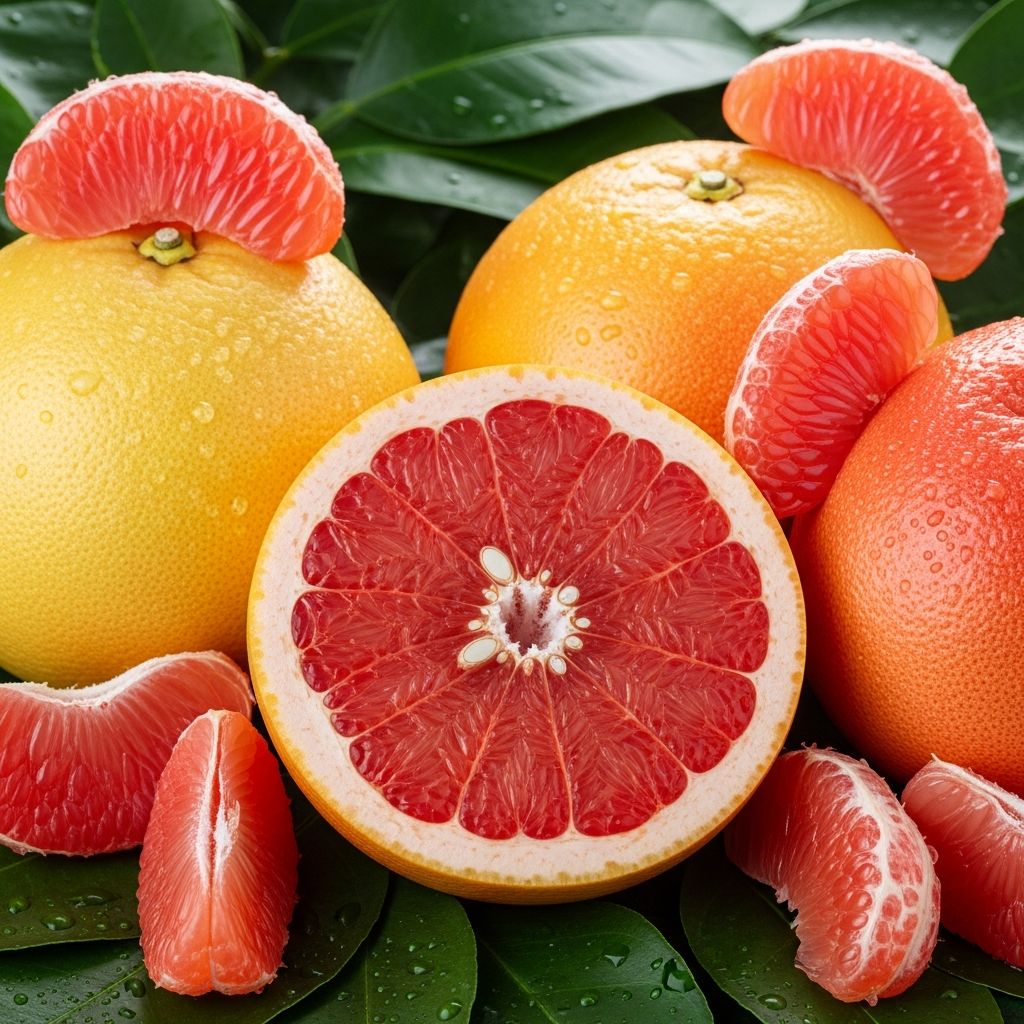
Grapefruit is a tangy, nutrient-dense citrus fruit celebrated for its unique flavor and impressive health benefits. This subtropical hybrid offers a refreshing blend of sweetness and tartness, making it a versatile addition to meals while packing vitamins, fiber, and antioxidants that support overall wellness.
What Is Grapefruit?
Grapefruit (Citrus × paradisi) is a large, round citrus fruit known for its thick rind and juicy, segmented flesh. It originated as a natural hybrid between a pomelo and a sweet orange, first documented in Barbados in the 18th century. Today, it’s grown primarily in subtropical regions like Florida, Texas, California, and parts of Asia, thriving in warm climates with well-drained soil.
The fruit’s flesh varies from pale yellow in white varieties to vibrant pink or ruby red, influencing its flavor profile—white grapefruits tend to be more tart, while red ones offer sweeter notes. Grapefruit is prized for its low calorie count (about 52 calories per half fruit), high water content, and abundance of essential nutrients, positioning it as an excellent choice for health-conscious eaters.
Nutrition Facts of Grapefruit
One half of a medium grapefruit (approximately 123g) delivers a wealth of nutrients with minimal calories. Key nutritional highlights include:
- Calories: 52
- Protein: 1g
- Fiber: 2g (supporting digestion and satiety)
- Fat: 0g
- Cholesterol: 0mg
Grapefruit shines in vitamins and minerals. It’s an outstanding source of vitamin C (about 52mg per half, or over 50% of the daily value), bolstering immune function and antioxidant defense. Pink and red varieties provide beta-carotene (a precursor to vitamin A), which supports eye health and combats oxidative stress. It also contains B vitamins like folate and thiamine, essential for energy metabolism.
Minerals abound too: potassium (the primary mineral) aids blood pressure regulation and heart rhythm, while magnesium supports glucose control, nerve function, and bone health. Studies from NHANES data show grapefruit consumers have higher intakes of vitamin C, magnesium, potassium, and fiber, contributing to better diet quality.
| Nutrient | Amount per 1/2 Grapefruit | % Daily Value* |
|---|---|---|
| Vitamin C | 52mg | 58% |
| Potassium | 166mg | 4% |
| Magnesium | 11mg | 3% |
| Dietary Fiber | 2g | 7% |
| Vitamin A (from beta-carotene) | 770 IU | 15% |
| *Based on a 2,000-calorie diet. Source: USDA data via | ||
Health Benefits of Grapefruit
Grapefruit’s nutrient profile translates to tangible health advantages, backed by research. Consumption is linked to higher nutrient intakes and improved diet quality, particularly for under-consumed essentials like vitamin C, magnesium, potassium, and fiber.
Weight Management: Women consuming grapefruit exhibit lower body weight, waist circumference, BMI, triglycerides, and C-reactive protein (CRP), alongside higher HDL cholesterol. Clinical trials support this: eating half a grapefruit before meals led to weight loss and better insulin sensitivity in obese adults.
Heart Health: Flavonoids like naringin lower cholesterol and blood pressure. Potassium and magnesium promote cardiovascular function. Studies show reduced triglycerides and elevated HDL from regular intake.
Antioxidant Protection: Rich in vitamin C, beta-carotene, and lycopene (in red varieties), grapefruit neutralizes free radicals, reducing inflammation, cancer risk, and chronic disease. Naringin scavenges radicals, supports DNA repair, and may protect against prostate cancer.
Related Stories



Immune and Gut Support: Fiber feeds beneficial gut bacteria, producing short-chain fatty acids that enhance immunity and brain health. Citric acid may prevent kidney stones.
Among women, benefits are pronounced, though overall obesity risk reduction isn’t directly linked. Grapefruit enhances HEI-2005 diet quality scores.
Grapefruit Varieties
Grapefruit comes in several varieties, differing in flesh color, flavor, and availability:
- White Grapefruit: Pale yellow flesh, tart and slightly bitter. Lowest in calories, high in vitamin C.
- Pink Grapefruit: Light pink hue, milder tartness with subtle sweetness. Contains beta-carotene.
- Ruby Red/Red Grapefruit: Deep red flesh, sweetest variety packed with lycopene for added antioxidant punch.
Regional favorites include Florida’s juicy ruby reds and Texas Star Ruby. Rind color doesn’t always match flesh—check labels for specifics.
How to Select and Store Grapefruit
Selecting: Choose heavy fruits for juiciness; they should yield slightly to gentle pressure and emit a fresh aroma. Rind should be smooth and vibrant, though color varies. Opt for labeled ruby red for sweetness.
Storing: Refrigerate whole grapefruits in a plastic bag for up to 2 months. Cut halves last 3-5 days covered in the fridge. Freeze juice or segments for longer storage.
How to Cut a Grapefruit
1. Slice in half crosswise.
2. Loosen segments by running a knife around the edge and between each section.
3. Scoop out with a spoon or serrated grapefruit knife for easy eating.
Alternatively, peel like an orange and separate segments, removing membranes for salads or snacks.
Grapefruit Recipes
Grapefruit’s versatility shines in recipes. Consume whole for maximum fiber—juice alone spikes blood sugar.
Broiled Grapefruit
Ingredients (serves 2):
- 2 grapefruits, halved
- 4 tsp coconut sugar or maple syrup
- 4 tsp coconut oil (optional)
- 1 tsp grated ginger
- Optional: cinnamon, shredded coconut
Instructions:
- Preheat broiler. Place halves cut-side up on a baking sheet.
- Sprinkle with sugar, oil, and ginger.
- Broil 4-6 minutes until bubbly and browned.
- Serve warm.
Grapefruit Blueberry Compote
Ingredients:
- 1 cup blueberries
- 2 Tbsp maple syrup
- 1/2 cup water
- 1 grapefruit, segmented
- Optional: yogurt
Simmer blueberries, syrup, and water until thickened; add grapefruit segments. Serve over yogurt.
Other ideas: Add to salads, smoothies, or cereal.
Grapefruit Drug Interactions
Critical Warning: Grapefruit inhibits CYP3A4 enzyme, blocking breakdown of many drugs, leading to elevated blood levels and risks like overdose. Affected categories include:
- Statins (cholesterol)
- Blood pressure meds
- Allergy drugs
- Immunosuppressants
Consult your doctor before consuming if on medications. Even small amounts or juice can interact.
Frequently Asked Questions (FAQs)
Is grapefruit good for weight loss?
Yes, studies link it to lower BMI, waist size, and triglycerides in women, with trials showing weight loss from pre-meal consumption.
Are all grapefruit varieties equally healthy?
Red varieties offer extra lycopene, but all provide core nutrients like vitamin C and fiber.
Can grapefruit lower cholesterol?
Yes, naringin and trials show improved HDL and reduced triglycerides.
How much grapefruit should I eat daily?
One half to one fruit daily supports benefits without excess sugar; check for drug interactions.
Is grapefruit juice as healthy as the fruit?
No, whole fruit retains fiber for better blood sugar control and satiety.
References
- Consumption of grapefruit is associated with higher nutrient intakes… — Nguyen S et al. National Center for Biotechnology Information (PMC). 2014-04-30. https://pmc.ncbi.nlm.nih.gov/articles/PMC4016745/
- Health Benefits of Grapefruit — Oregon State University Extension (via Advanced Health). 2023-04-01. https://advancedhealth.com/wp-content/uploads/2023/04/67-Apr-Grapefruit-handout.pdf
- Dietary Guidelines for Americans — U.S. Department of Health and Human Services / USDA. 2020-12-01. https://www.dietaryguidelines.gov/
- Vitamin C Fact Sheet — National Institutes of Health Office of Dietary Supplements. 2021-04-06. https://ods.od.nih.gov/factsheets/VitaminC-HealthProfessional/
- Grapefruit Juice and Some Drugs Don’t Mix — U.S. Food and Drug Administration. 2023-07-18. https://www.fda.gov/consumers/consumer-updates/grapefruit-juice-and-some-drugs-dont-mix
Similar Articles








Read full bio of medha deb