Grass-Fed Beef Tips: Nutrition, Selection & Cooking
Complete guide to selecting, cooking, and maximizing the health benefits of grass-fed beef.
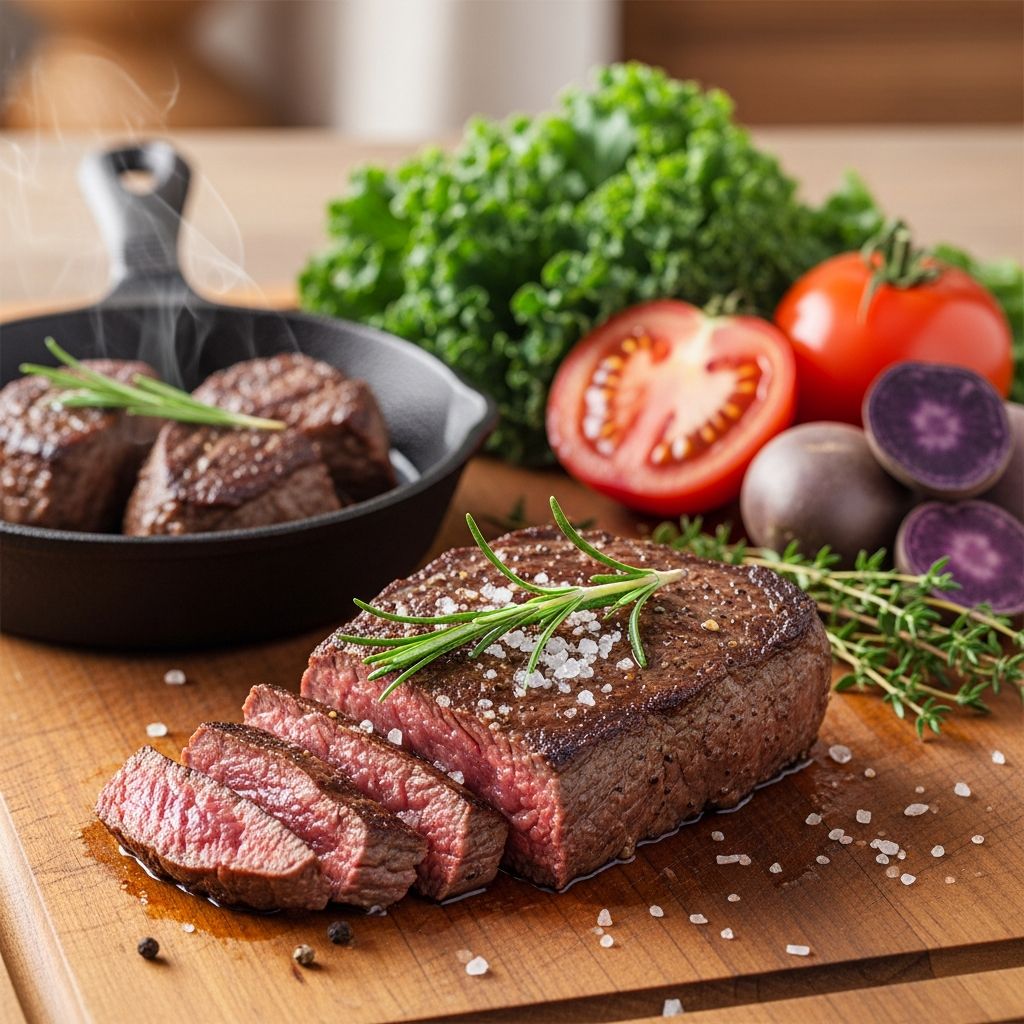
Understanding Grass-Fed Beef: A Comprehensive Guide
Grass-fed beef has become increasingly popular among health-conscious consumers seeking nutritional advantages over conventional grain-fed beef. Unlike grain-finished cattle that are fattened on corn and soy in feedlots, grass-fed cattle spend their entire lives—or at least their finishing period—grazing on natural pasture. This fundamental difference in diet creates significant variations in nutritional composition, flavor, and overall quality that make grass-fed beef worth understanding in detail.
The distinction between grass-fed and grain-fed beef goes far beyond marketing terminology. When cattle consume their natural diet of fresh grasses and forage, the resulting meat contains higher concentrations of health-promoting compounds that can support your wellness goals. Understanding these differences empowers you to make informed purchasing decisions and maximize the benefits of your beef consumption.
Nutritional Advantages of Grass-Fed Beef
Superior Fatty Acid Profile
One of the most compelling reasons to choose grass-fed beef is its dramatically superior fatty acid composition. Grass-fed beef contains 2 to 6 times more omega-3 fatty acids compared to grain-fed beef, along with a more favorable omega-3 to omega-6 ratio. This improved fat balance is crucial for reducing inflammation throughout your body, a key mechanism for preventing heart disease, lowering blood pressure, and improving cholesterol levels.
The omega-3 fatty acids found in grass-fed beef offer additional benefits beyond cardiovascular health. Research demonstrates that a diet richer in omega-3s supports brain health by lowering the risk of cognitive decline and Alzheimer’s disease. For individuals with autoimmune conditions or chronic joint pain, the anti-inflammatory properties of these fatty acids can ease inflammation and stiffness significantly.
Conjugated Linoleic Acid (CLA) Content
Grass-fed beef contains 2 to 3 times more CLA than grain-fed alternatives. CLA is a naturally occurring fatty acid that plays multiple roles in body composition and immune function. Regular intake of CLA has been linked to several important health outcomes:
- Reduced body fat accumulation
- Better maintenance of lean muscle mass
- Improved insulin sensitivity
- Potential anti-cancer effects
These benefits make CLA-rich grass-fed beef particularly valuable for individuals focused on weight management, metabolic health, and disease prevention.
Enhanced Vitamin and Mineral Content
The nutritional superiority of grass-fed beef extends beyond fatty acids. Fresh grasses are more concentrated in vitamins and minerals than grains or dried hay, resulting in measurably higher nutrient levels in the meat. Grass-fed beef contains 7 times more beta-carotene (a precursor to vitamin A) and 2 times more vitamin E than grain-fed beef.
Additionally, grass-fed beef is significantly richer in phytochemicals, including polyphenols, tocopherols, and carotenoids. These plant-derived compounds provide antioxidant and anti-inflammatory benefits that support overall health. The presence of specific phenolic compounds such as p-cresol sulfate, hippurate, and catechol-sulfate—which are elevated in grass-fed beef but suppressed in grain-fed animals—demonstrates how dietary differences create measurable biochemical advantages.
Lower Total Fat and Saturated Fat
Contrary to common misconceptions, grass-fed beef is actually leaner than grain-fed beef. Because grass is less energy-dense than grain, cattle on pasture develop different fat composition. A 100-gram serving of grass-fed beef contains significantly less total saturated fatty acids compared to the same amount of grain-fed beef. This lower total fat content, combined with the improved fatty acid ratios, makes grass-fed beef a genuinely heart-healthy choice.
Related Stories



Selecting Quality Grass-Fed Beef
Understanding Labels and Certifications
Not all beef labeled as “grass-fed” offers identical benefits. Understanding labeling is essential for making informed purchases:
- Grass-Fed Only: Cattle consumed grass but may have been finished on grain, reducing nutritional benefits
- Grass-Fed and Grass-Finished: Cattle ate grass and forage throughout their entire lives, never switched to grain, delivering maximum nutritional value
- 100% Grass-Fed: Certified that cattle were never fed any grain or grain byproducts
The “finishing” stage is critical. Many producers raise cattle on grass initially but switch to grains in the final months before slaughter to accelerate weight gain. This practice undermines the health benefits of grass-feeding, as the nutrient profile shifts back toward that of grain-fed beef. Always look for labels explicitly stating “grass-finished” or “grass-fed and grass-finished” to ensure you’re getting the full nutritional benefits.
Sourcing and Sustainability
Beyond nutritional considerations, sourcing matters for environmental and community reasons. Look for beef from:
- Local and regional ranches that practice sustainable rotational grazing
- Producers who manage pasture rotation to maintain soil health and prevent overgrazing
- Farms with transparent practices and willingness to discuss their animal care methods
Choosing locally-raised grass-fed beef reduces the environmental footprint of shipping and supports regional agricultural communities, creating a positive impact beyond your personal health.
Cooking Grass-Fed Beef Properly
Key Cooking Considerations
Grass-fed beef cooks differently than grain-fed beef due to its lower total fat content. Understanding these differences prevents disappointing results and unlocks the superior flavor and quality of this premium meat.
Temperature Management
Because grass-fed beef is leaner, it can cook faster and dry out if overdone. The reduced fat content means less insulation during cooking, requiring careful temperature monitoring. Recommendations for optimal results include:
- Use a meat thermometer to monitor internal temperature precisely
- Remove meat from heat at slightly lower temperatures than you would grain-fed beef
- Allow meat to rest after cooking to redistribute moisture and maintain tenderness
- Consider using slow-cooking methods that work with the leaner composition
Preparation Methods
Several cooking techniques work particularly well with grass-fed beef:
- Marinating: Pre-marinating beef before cooking adds moisture and flavor while easing digestion
- Slow Cooking: Low-temperature, long-duration cooking methods work exceptionally well with grass-fed cuts
- Grass-Fed Specific Techniques: Many ranchers provide specific cooking recommendations for different cuts that account for the meat’s leaner profile
The aromas during cooking differ from grain-fed beef as well. You’ll notice a lighter, fresher scent rather than the heavy, greasy aroma of grain-fed fat. Most customers find this more pleasant, and it reflects the improved fat composition of the meat.
Cost Considerations and Value
Why Grass-Fed Beef Costs More
Grass-fed beef commands a higher price than grain-fed alternatives for legitimate reasons rooted in production realities:
- Extended Growing Time: Grass-fed cattle grow more slowly than grain-fed cattle, requiring ranchers to care for them several months longer before slaughter weight is reached
- Land Requirements: Producing grass-fed beef requires significantly more land per animal compared to feedlot operations
- Labor and Management: Ranchers must rotate pastures, maintain fences, ensure steady water supply, and continuously monitor animal health—all labor-intensive activities
- Lower Carcass Yields: Grass-fed cattle typically yield leaner, lighter carcasses than grain-fed animals, affecting overall profitability
These factors mean that truly grass-fed, grass-finished beef requires substantially more time, land, labor, and attention than grain-finishing in feedlots, justifying the premium price.
Maximizing Value
To get the best value from grass-fed beef:
- Source directly from ranches when possible to eliminate middleman markups
- Purchase in bulk during sales periods and freeze for later use
- Choose cuts suited to slow-cooking methods, which maximize tenderness and flavor
- Use all parts of purchased meat to minimize waste
Health Benefits Beyond Nutrition
Digestive Health
Switching from grain-fed to grass-fed beef can improve digestive health for many people. Conventional grain-fed beef can flare up symptoms like heartburn, bloating, and other digestive troubles in sensitive individuals. Additionally, antibiotic residues in conventional beef can upset your body’s healthy bacteria levels, while grass-fed beef eliminates this concern.
Pesticide Exposure
Over 90% of corn and soy grown in the United States are genetically modified to withstand pesticide application. Since most pesticide residues accumulate in fatty tissues, conventional grain-fed beef typically contains much higher pesticide residues than grass-fed beef. By choosing grass-fed, you reduce your exposure to agricultural chemicals and their potential long-term health effects.
Frequently Asked Questions
Q: Is grass-fed beef significantly more expensive than grain-fed beef?
A: Yes, grass-fed beef typically costs more because it requires more time, land, labor, and rancher attention. However, the superior nutrition, better flavor, and health benefits often justify the premium for many consumers. Direct sourcing from ranches can help reduce costs compared to retail markups.
Q: Does grass-fed beef taste different from grain-fed beef?
A: Yes, grass-fed beef has a distinct flavor profile that many describe as richer and more complex, though it may be lighter than the heavy, fatty taste of conventional grain-fed beef. The specific taste depends on the ranching practices and the animals’ specific grazing conditions.
Q: Can I cook grass-fed beef the same way as grain-fed beef?
A: While you can use the same cooking methods, grass-fed beef requires more careful temperature management because it’s leaner and cooks faster. Using a meat thermometer and avoiding overcooking prevents dryness and ensures optimal texture and flavor.
Q: What’s the difference between grass-fed and grass-finished beef?
A: All cattle eat grass initially, but many are switched to grain for final fattening. “Grass-finished” means cattle never transitioned to grain, maintaining maximum nutritional benefits. Always look for “grass-finished” labels to ensure you’re getting the full health advantages.
Q: Is organic beef the same as grass-fed beef?
A: No, organic certification focuses on feed composition and prohibited substances, while grass-fed refers to the animals’ diet. Organic grain-fed beef exists and differs significantly from grass-fed beef in nutritional composition. Always verify both certifications if you want both organic and grass-fed meat.
Q: Will grass-fed beef help with weight management?
A: Grass-fed beef can support weight management goals through its lower total fat content, higher CLA levels (linked to reduced body fat), improved omega-3 to omega-6 ratios, and better insulin sensitivity support. Combined with appropriate portion control and overall healthy eating patterns, it’s a nutritious protein choice for weight-conscious individuals.
Making the Switch to Grass-Fed Beef
Transitioning to grass-fed beef represents an investment in your family’s health and your community’s sustainability. Once you understand the nutritional advantages, learn to select quality products, and master cooking techniques appropriate for this superior meat, the benefits become immediately apparent. The superior flavor, improved health profile, reduced pesticide exposure, and support for sustainable agriculture create a compelling case for making grass-fed beef a regular part of your diet. Whether you’re concerned about heart health, inflammation, digestive issues, or simply want to optimize your nutrition, grass-fed beef offers a delicious and effective solution that delivers both immediate satisfaction and long-term wellness benefits.
References
- Why Grass-Fed Beef Is Better for Your Health — Circle J Meat. https://circlejmeat.com/blog/why-grass-fed-beef-is-better-for-your-health
- 7 Reasons Grass-Fed Beef is Worth the Money — Lily Nichols RDN. https://lilynicholsrdn.com/7-reasons-grass-fed-beef-is-worth-the-money/
- Grass-Fed vs. Grain-Fed Beef: Nutritional Comparisons — Understanding Agriculture. https://understandingag.com/nutritional-comparisons-between-grass-fed-beef-and-conventional-grain-fed-beef/
- Grass-fed beef: What are the heart-health benefits? — Mayo Clinic. https://www.mayoclinic.org/diseases-conditions/heart-disease/expert-answers/grass-fed-beef/faq-20058059
- Fatty Acid Composition of Grain- and Grass-Fed Beef — National Institutes of Health. https://pmc.ncbi.nlm.nih.gov/articles/PMC8728510/
Similar Articles








Read full bio of medha deb