Graves’ Disease: Symptoms, Causes, Diagnosis & Treatment Guide
Discover the causes, symptoms, and effective treatments for Graves' disease, including its impact on thyroid and eye health.
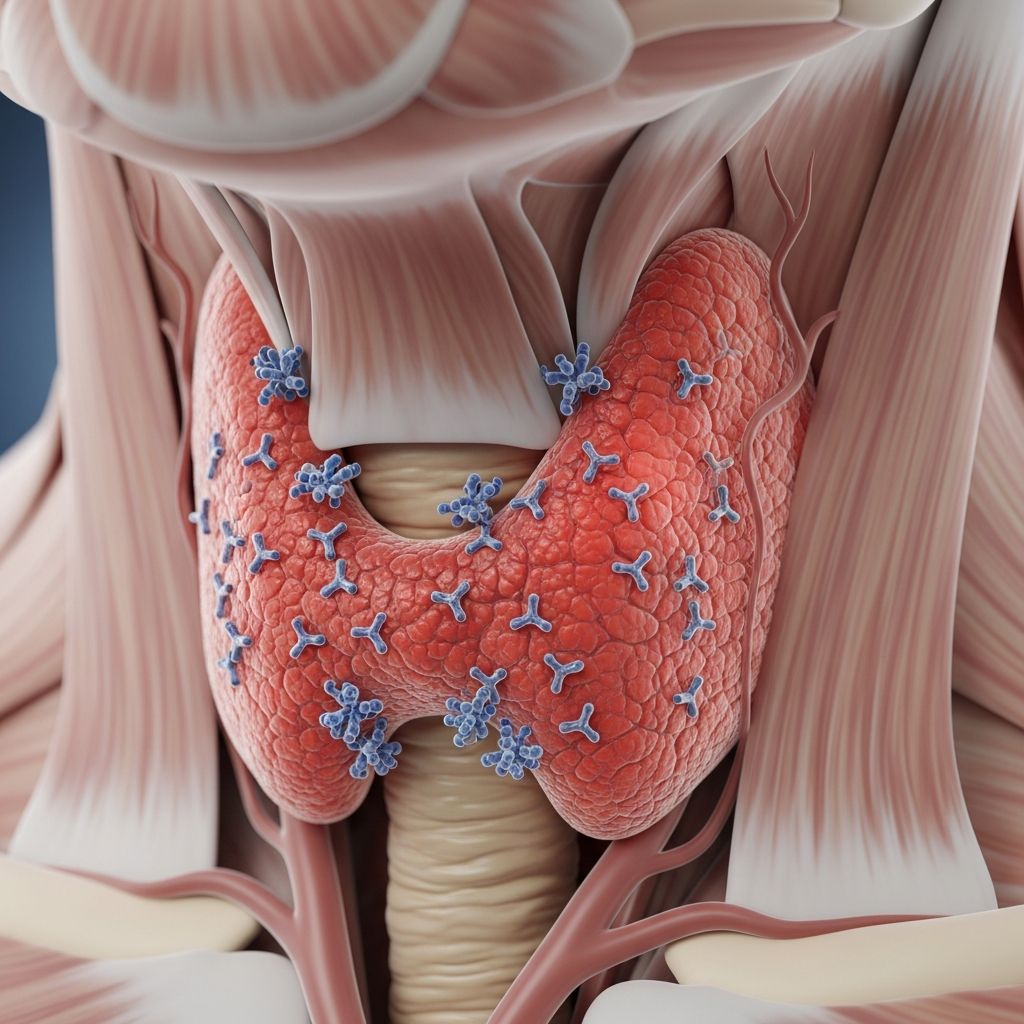
Graves’ disease stands as the leading cause of hyperthyroidism, an autoimmune condition where the thyroid gland produces excess hormones, affecting metabolism, heart function, and notably the eyes.
The Nature of Graves’ Disease
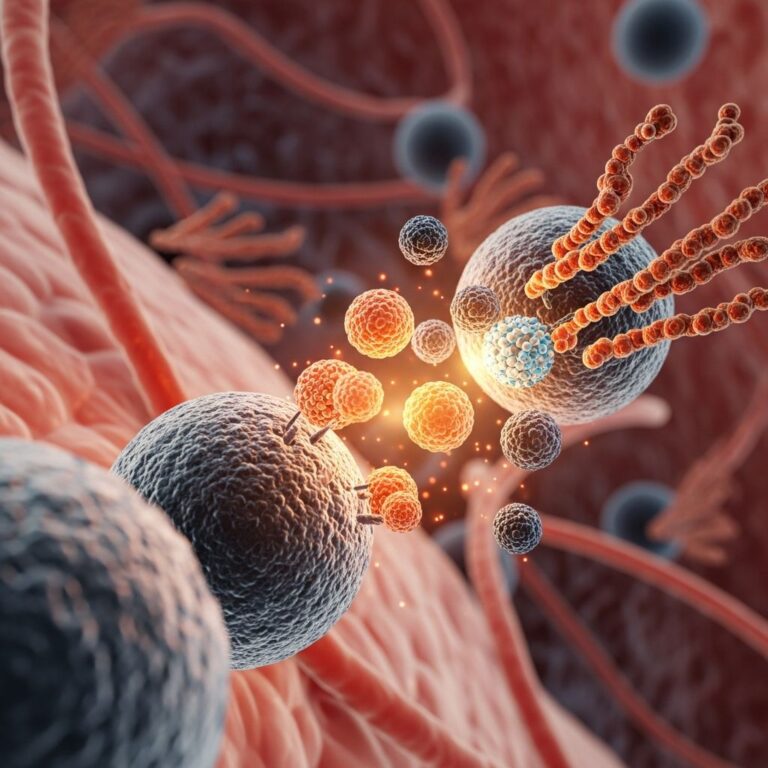
This disorder arises when the immune system mistakenly attacks the thyroid, prompting overproduction of hormones like thyroxine (T4) and triiodothyronine (T3). Thyroid-stimulating immunoglobulins (TSI) bind to TSH receptors on thyroid cells, mimicking thyroid-stimulating hormone (TSH) and driving hormone synthesis and gland enlargement, known as a goiter.
Women face a higher risk, with factors like genetics, stress, smoking, infections, and postpartum periods potentially triggering onset. It commonly appears between ages 20 and 40, though it can occur anytime.
Recognizing Key Symptoms
Symptoms vary but often include heat intolerance, excessive sweating, unexplained weight loss, rapid heartbeat, tremors, fatigue, anxiety, irritability, muscle weakness, and frequent bowel movements. Some experience insomnia, hair thinning, or irregular menstrual cycles.
Eye involvement, termed Graves’ ophthalmopathy or orbitopathy, affects up to 50% of patients, featuring bulging eyes (proptosis), redness, swelling, double vision, pain, and light sensitivity. In severe cases, it threatens vision.
- General hyperthyroidism signs: shaky hands, nervousness, palpitations.
- Eye-specific: lid lag, stare appearance, dryness.
- Rare skin changes: thickened, red patches on shins (pretibial myxedema).
How Graves’ Disease Develops
The immune dysfunction produces antibodies targeting thyroid cells, leading to unchecked hormone release. Orbitopathy stems from inflammation and glycosaminoglycan buildup in eye muscles and tissues, causing swelling and protrusion. Cytokines from T-cells exacerbate fat expansion behind the eyes.
Triggers include high iodine intake, viral infections, smoking (worsening eye symptoms), and hormonal shifts like pregnancy.
Diagnostic Approaches
Diagnosis starts with blood tests measuring low TSH and elevated T4/T3 levels. TSI antibody tests confirm autoimmune cause. Physical exams note goiter or eye changes. Imaging like ultrasound assesses thyroid size, while radioactive iodine uptake scans differentiate Graves’ from other hyperthyroidism forms.
| Test | Purpose | Typical Findings |
|---|---|---|
| TSH Blood Test | Assess thyroid function | Low levels |
| Free T4/T3 | Measure hormones | Elevated |
| TSI Antibodies | Detect autoimmune markers | Positive |
| Orbital CT/MRI | Evaluate eye involvement | Muscle enlargement |
Treatment Strategies for Hyperthyroidism
Treatments aim to normalize hormone levels and manage symptoms. Options include:
- Antithyroid Drugs: Methimazole or propylthiouracil inhibit hormone production. Preferred for mild cases or pregnancy.
- Radioactive Iodine (RAI): Oral iodine destroys overactive thyroid cells, often leading to hypothyroidism requiring lifelong levothyroxine.
- Surgery (Thyroidectomy): Removes part or all of the thyroid, curing hyperthyroidism but risking hypothyroidism.
Beta-blockers like propranolol or atenolol provide quick relief from tremors, rapid heart rate, and anxiety by blocking hormone effects.
Managing Graves’ Ophthalmopathy
Eye symptoms require specialized care. Mild cases use lubricating drops, sunglasses, and head elevation. Moderate to severe active orbitopathy involves corticosteroids (oral prednisone or IV methylprednisolone) to reduce inflammation.
Teprotumumab (Tepezza), an IV infusion over eight doses, targets pathways causing tissue growth, FDA-approved for moderate-severe cases. Smoking cessation is crucial, as it worsens progression.
Related Stories



Severe cases may need orbital radiation, rituximab, or decompression surgery to relieve pressure.
Handling Rare Manifestations
Pretibial myxedema, affecting skin on legs, often needs no treatment but responds to topical steroids under occlusion. Thyroid acropachy (clubbing of fingers/toes) lacks specific therapy.
Lifestyle and Supportive Measures
Patients benefit from a balanced diet, avoiding excess iodine (e.g., kelp supplements). Regular exercise combats muscle weakness, while stress reduction via yoga aids symptom control. Quit smoking to protect eyes. Monitor bone health, as untreated disease risks osteoporosis.
Pregnant individuals need careful management; propylthiouracil is safer in early pregnancy.
Potential Complications and Prognosis
Untreated Graves’ raises risks of heart issues (atrial fibrillation), brittle bones, and pregnancy complications. Eye disease can lead to vision loss if fibrosis sets in. Most respond well to therapy, though hypothyroidism post-RAI/surgery is common and manageable.
Remission occurs in 30-50% with antithyroid drugs, higher in mild cases.
FAQs
Is Graves’ disease curable?
No outright cure exists, but treatments control hyperthyroidism effectively. RAI or surgery often leads to permanent resolution, though hormone replacement follows.
Does smoking affect Graves’ eye problems?
Yes, it significantly worsens ophthalmopathy; quitting improves outcomes.
Can Graves’ disease resolve on its own?
Rarely in mild cases, but monitoring is essential to prevent complications.
How does pregnancy impact Graves’?
It can trigger or exacerbate symptoms; specialized prenatal care is required.
What foods should be avoided?
High-iodine items like seaweed; maintain a nutrient-rich diet otherwise.
Prevention and Early Detection
No sure prevention, but genetic awareness and trigger avoidance (e.g., smoking cessation) help. Routine thyroid checks for at-risk groups enable early intervention.
References
- Graves’ disease – Diagnosis and treatment — Mayo Clinic. 2023-10-12. https://www.mayoclinic.org/diseases-conditions/graves-disease/diagnosis-treatment/drc-20356245
- Graves Disease — StatPearls – NCBI Bookshelf – NIH. 2023-08-08. https://www.ncbi.nlm.nih.gov/books/NBK448195/
- Graves’ disease — Office on Women’s Health. 2024-01-15. https://womenshealth.gov/a-z-topics/graves-disease
- Graves disease — Penn Medicine. 2023-11-20. https://www.pennmedicine.org/conditions/graves-disease
- Graves’ disease – Symptoms and causes — Mayo Clinic. 2023-10-12. https://www.mayoclinic.org/diseases-conditions/graves-disease/symptoms-causes/syc-20356240
- Graves’ Disease — American Thyroid Association. 2024-02-01. https://www.thyroid.org/graves-disease/
- Graves’ Disease: What It Is, Symptoms & Treatment — Cleveland Clinic. 2023-09-14. https://my.clevelandclinic.org/health/diseases/15244-graves-disease
Similar Articles








Read full bio of medha deb