Graves’ Disease: Key Insights On Symptoms, Causes & Treatments
Understand Graves' disease: causes, symptoms, diagnosis, treatments, and living with hyperthyroidism.
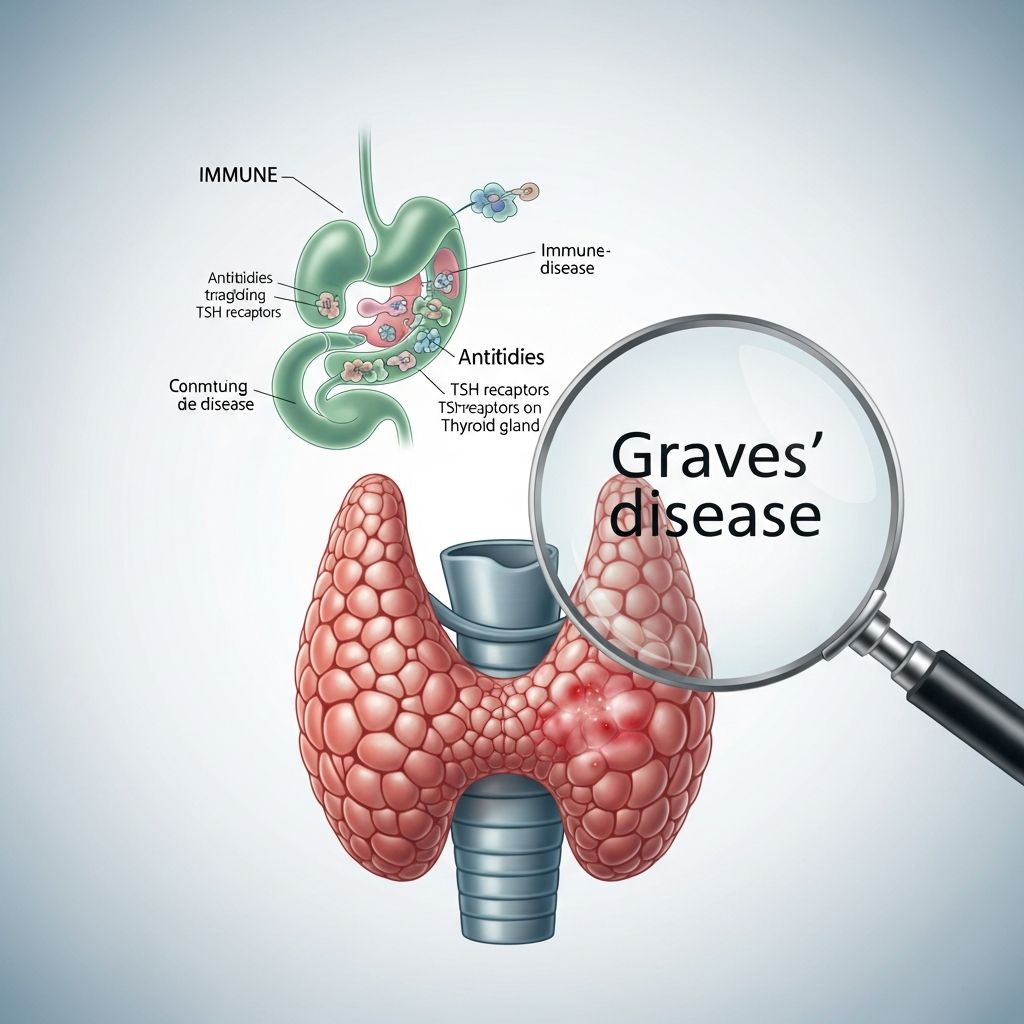
Graves’ disease is the most common cause of
hyperthyroidism
, an autoimmune disorder where the thyroid gland produces excessive thyroid hormones, leading to widespread effects on the body including the heart, eyes, skin, and bones.What Is Graves’ Disease?
Graves’ disease is a chronic autoimmune condition that primarily targets the thyroid gland, causing it to become overactive and release too much thyroid hormone. This results in hyperthyroidism, which accelerates metabolism and impacts multiple organ systems. Named after Irish physician Robert James Graves who described it in 1835, the disease is characterized by an enlarged thyroid (goiter), eye problems (Graves’ ophthalmopathy), and sometimes skin changes (pretibial myxedema).
The thyroid gland, located in the neck, regulates metabolism, heart rate, body temperature, and other vital functions through hormones T3 (triiodothyronine) and T4 (thyroxine). In Graves’ disease, the immune system mistakenly produces antibodies that stimulate the thyroid, mimicking thyroid-stimulating hormone (TSH) and causing uncontrolled hormone production.
It affects about 1 in 200 people, predominantly women aged 20-40, though it can occur at any age. Family history increases risk, and it’s more prevalent in certain groups like African Americans.
Symptoms of Graves’ Disease
Symptoms arise from excess thyroid hormones and can vary from mild to severe, often developing gradually. Common hyperthyroidism signs include:
- **Heat intolerance and excessive sweating**: Due to sped-up metabolism.
- **Weight loss** despite increased appetite: Affects up to 50% of patients.
- **Rapid or irregular heartbeat (palpitations)**: Can lead to atrial fibrillation.
- **Tremors**, anxiety, irritability, and fatigue: Nervous system overstimulation.
- **Frequent bowel movements or diarrhea**.
- **Muscle weakness**, especially in upper arms and thighs.
- **Menstrual irregularities** in women or reduced libido.
About 30-50% of patients experience
Graves’ ophthalmopathy
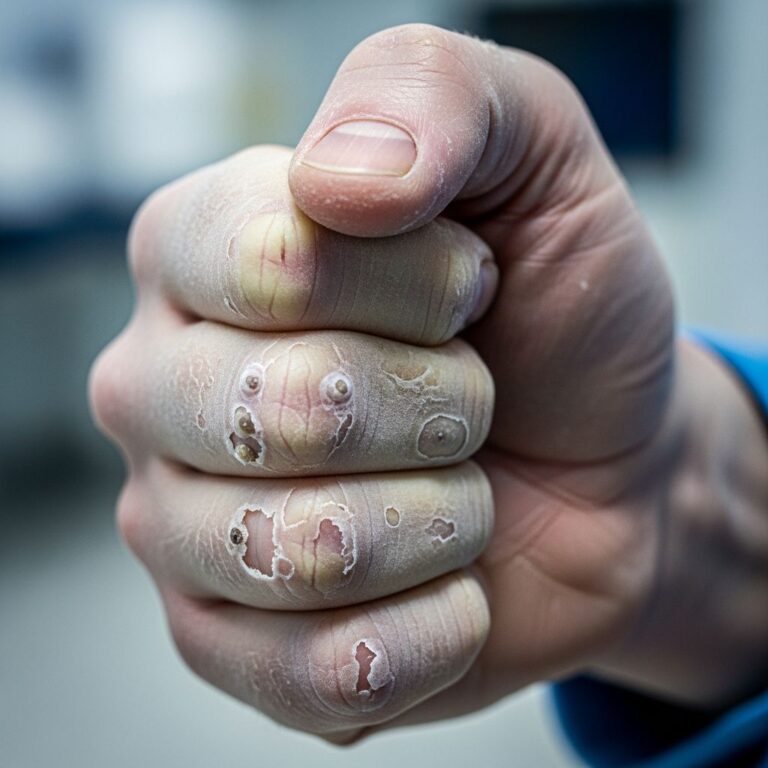
(orbitopathy), causing eye symptoms like bulging eyes (proptosis), lid retraction, double vision, dryness, redness, and pain. Severe cases risk vision loss from optic nerve compression.Skin involvement (**Graves’ dermopathy**) is rare (1-5%), appearing as thickened, red skin on shins (pretibial myxedema).
In children and younger patients under 60, goiter is palpable, and symptoms like insomnia, dyspnea, and neck fullness are common. Up to 10% may gain weight.
Causes and Risk Factors
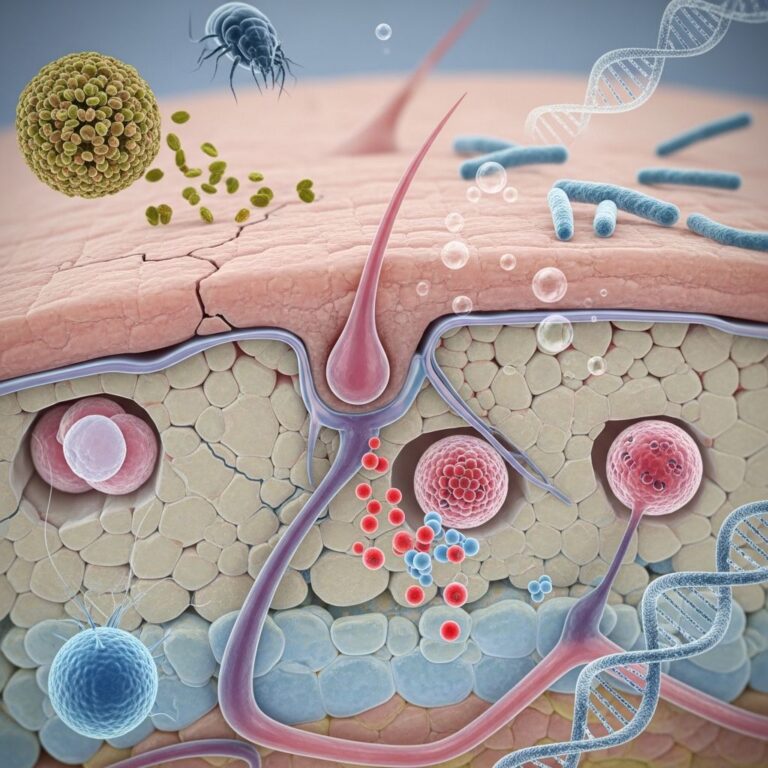
Graves’ disease stems from an autoimmune attack where
thyroid-stimulating immunoglobulins (TSI or TSAb)
bind to TSH receptors on thyroid cells, triggering hormone overproduction. These antibodies are produced by B lymphocytes stimulated by T cells.**Risk factors** include:
- Genetics: Higher concordance in monozygotic twins; familial autoimmune thyroid disease raises risk 16-fold.
- Sex: Women 5-10 times more likely than men.
- Age: Peaks in 20-40s, but possible anytime.
- Environmental triggers: Smoking (worsens eye disease), stress, infections, excess iodine, postpartum period, or immune reconstitution after HIV therapy.
- Other autoimmune diseases: Like type 1 diabetes or rheumatoid arthritis.
Orbital symptoms result from TSI and cytokines activating fibroblasts, leading to glycosaminoglycan accumulation and fat expansion.
Diagnosis
Diagnosis combines clinical evaluation, blood tests, imaging, and antibody detection. Key steps:
- Physical exam: Checks for goiter, eye signs, tremors, rapid pulse.
- Blood tests**:
- Low TSH, high free T4/T3 confirm hyperthyroidism.
- Positive
TSI or TRAb
(thyroid receptor antibodies) specific to Graves’. - Thyroid peroxidase (TPO) or thyroglobulin antibodies may be present.
- Radioactive iodine uptake (RAIU) scan: High, diffuse uptake distinguishes Graves’ from other causes.
- Thyroid ultrasound: Assesses goiter vascularity.
- Orbital imaging (CT/MRI)**: For severe eye disease.
Early diagnosis prevents complications like thyroid storm (fever, tachycardia, delirium) or heart failure.
Treatment Options
Treatments aim to reduce thyroid hormone levels and manage symptoms. Options include:
Antithyroid Medications
**Methimazole** (preferred) or propylthiouracil (PTU, used in pregnancy) block hormone synthesis. Effective in 50-60% for remission, but relapse common. Side effects: rash, liver issues, agranulocytosis (rare).
Radioactive Iodine (RAI) Therapy
Ablates overactive thyroid cells; first-line for many. Single dose often leads to hypothyroidism (treated with levothyroxine). Contraindicated in pregnancy/breastfeeding; worsens eye disease in 15-20%.
Surgery (Thyroidectomy)
Removes thyroid for large goiters, suspicious nodules, or failed other therapies. Risks: voice changes, hypoparathyroidism. Requires lifelong hormone replacement.
Beta-Blockers
Propranolol relieves symptoms like tremors, palpitations quickly.
**Eye disease treatment**: Selenium supplements, steroids, radiation, or orbital decompression surgery for severe cases. Smoking cessation critical.
Monitoring every 4-6 weeks initially, then annually post-remission.
Complications
Untreated Graves’ raises risks of:
- Heart problems: Atrial fibrillation, heart failure.
- Bone loss (osteoporosis)**: Excess hormones accelerate bone turnover.
- Thyroid storm: Life-threatening; mortality 10-30%.
- Thyrotoxic periodic paralysis**: Hypokalemia-induced weakness, common in Asians.
- **Liver injury**: Cholestatic pattern with elevated enzymes.
| Complication | Affected System | Prevention |
|---|---|---|
| Atrial Fibrillation | Heart | Early treatment |
| Osteoporosis | Bones | Hormone control, calcium/vit D |
| Thyroid Storm | Multi-system | Prompt diagnosis |
| Vision Loss | Eyes | Smoking cessation, steroids |
Living With Graves’ Disease
Many achieve remission, but monitoring lifelong. Adopt a balanced diet, avoid excess iodine (e.g., seaweed), manage stress via yoga/meditation. Regular eye exams, bone density scans recommended. Pregnancy requires preconception planning; PTU safest first trimester.
Support groups aid coping with fatigue, body changes. With treatment, most lead normal lives.
Frequently Asked Questions (FAQs)
What triggers Graves’ disease?
Autoimmune response with genetic predisposition, triggered by stress, smoking, infections.
Can Graves’ disease be cured?
Not always cured, but manageable; remission in 30-50% with meds, RAI/surgery often lead to hypothyroidism.
Does Graves’ affect pregnancy?
Yes; uncontrolled hyperthyroidism risks miscarriage, preterm birth. Close monitoring needed.
Is Graves’ disease hereditary?
Familial risk high, but not directly inherited; autoimmune tendency runs in families.
How does smoking impact Graves’?
Worsens ophthalmopathy; quitting improves outcomes significantly.
References
- Graves Disease – StatPearls — NCBI Bookshelf / NIH. 2023-08-08. https://www.ncbi.nlm.nih.gov/books/NBK448195/
- Graves Disease – A Comprehensive Review — Physicians Journal of Medicine. 2024. https://www.physiciansjom.org/article/131896-graves-disease-a-comprehensive-review
- Graves’ Disease: What It Is, Symptoms & Treatment — Cleveland Clinic. 2023-11-20. https://my.clevelandclinic.org/health/diseases/15244-graves-disease
Similar Articles








Read full bio of Sneha Tete